Nestled between businesses in an unassuming strip mall five miles outside of downtown Nashville, is one of country music’s iconic live music venues. The Bluebird Cafe seats a mere 90 patrons, but its influence spreads across the nation.
A Haven for Country Music
When Amy Kurland opened the Bluebird Cafe in the summer of 1982, she thought the menu would be the focus of the tiny restaurant. But a small stage she built so the establishment could host live music soon became the centerpiece. The after-dinner shows she booked transformed into a series of weekly showcases.First came the Writers Night each Sunday, featuring eight to 10 songwriters who had to pass an audition process before being invited to perform. Over the years, country heavyweights such as Kenny Chesney, Keith Urban, Deana Carter, and Dierks Bentley all performed at the Bluebird after auditioning and earning a spot on the stage before graduating to amphitheaters and arenas. Don Schlitz, a Nashville songwriter who co-penned hits such as Randy Travis’s “Forever and Ever, Amen” and Alison Krauss’s “When You Say Nothing at All,” was their inaugural featured performer for Writers Night in 1984.
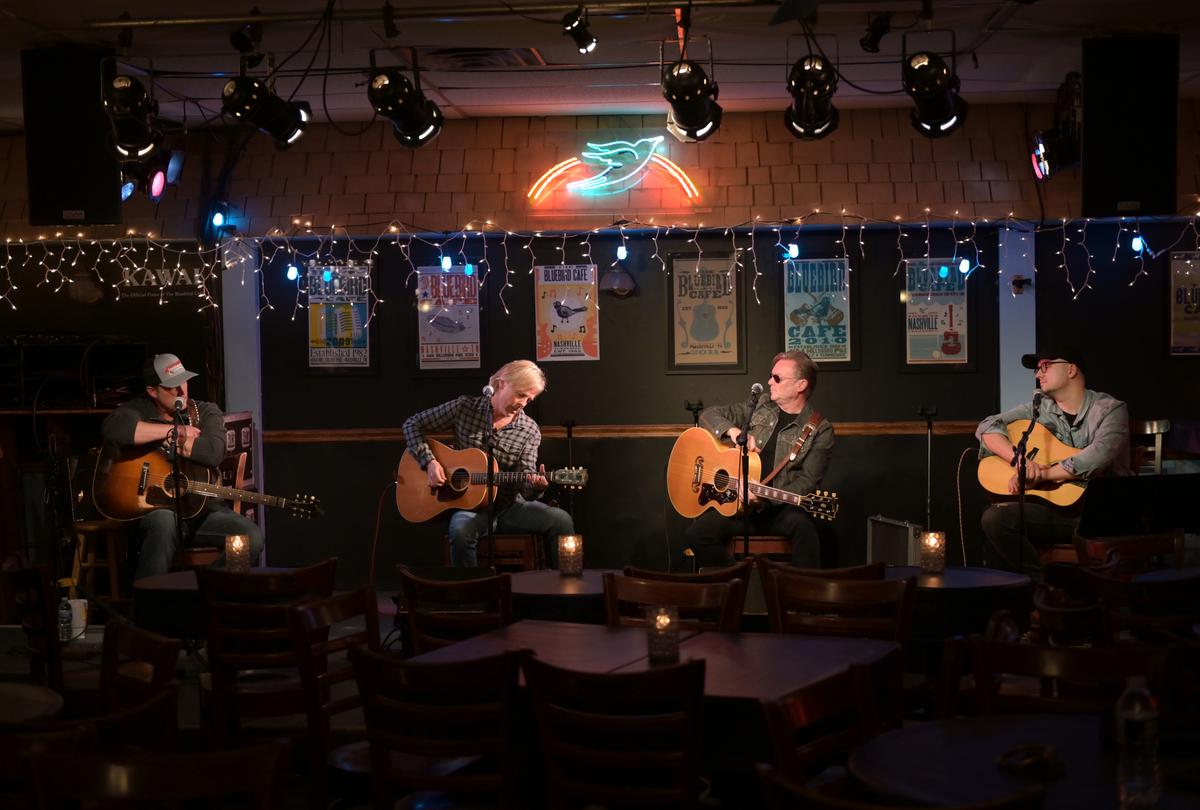
Just a year later, the venue introduced a new concept—a live music performance with a focus on songwriters called “In The Round.” Now an integral part of the Nashville songwriting tradition, the “In The Round” format spearheaded by the Bluebird Cafe features four songwriters on stage sharing stories and playing originals while also accompanying each other’s works with harmonies and instrumentals.
The cafe quickly attracted talent scouts from Music Row. One of the venue’s early performers, “Standing Knee Deep in a River (Dying of Thirst)” singer Kathy Mattea, signed a record deal with Mercury Records after performing at the establishment regularly for seven months.
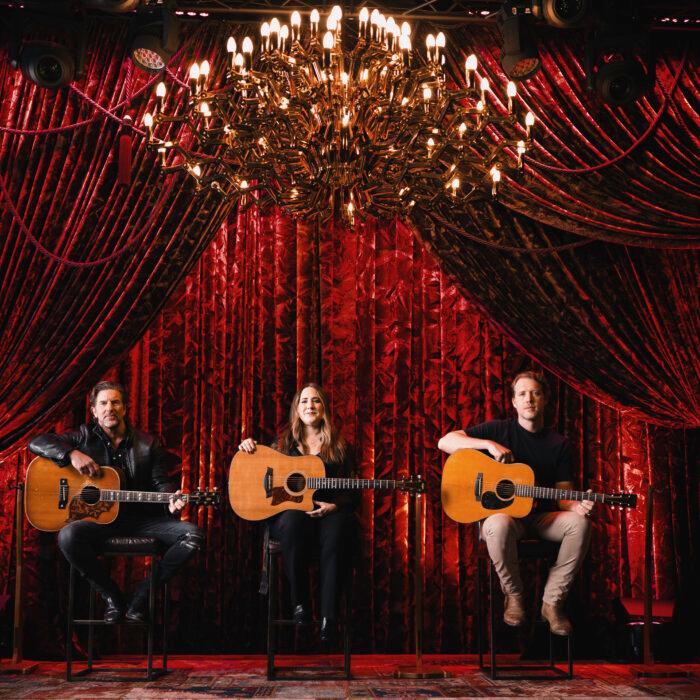
By 1987, live music became so popular at the Bluebird that staff had to increase performances to two shows a night—one for the early crowd and one for the late crowd.
Monumental Impact
From 2012 to 2018, the TV show “Nashville” depicted the lives of several fictional country singers living in Music City. The series featured Connie Britton, who starred as Rayna Jaymes, the series’ “queen of country music,” and Hayden Panettiere who was cast as Jaymes’s rival, Juliette Barnes. The award-winning show introduced many viewers to the world of country music for the first time, and The Bluebird Cafe was sometimes a topic among characters as well as a staple setting.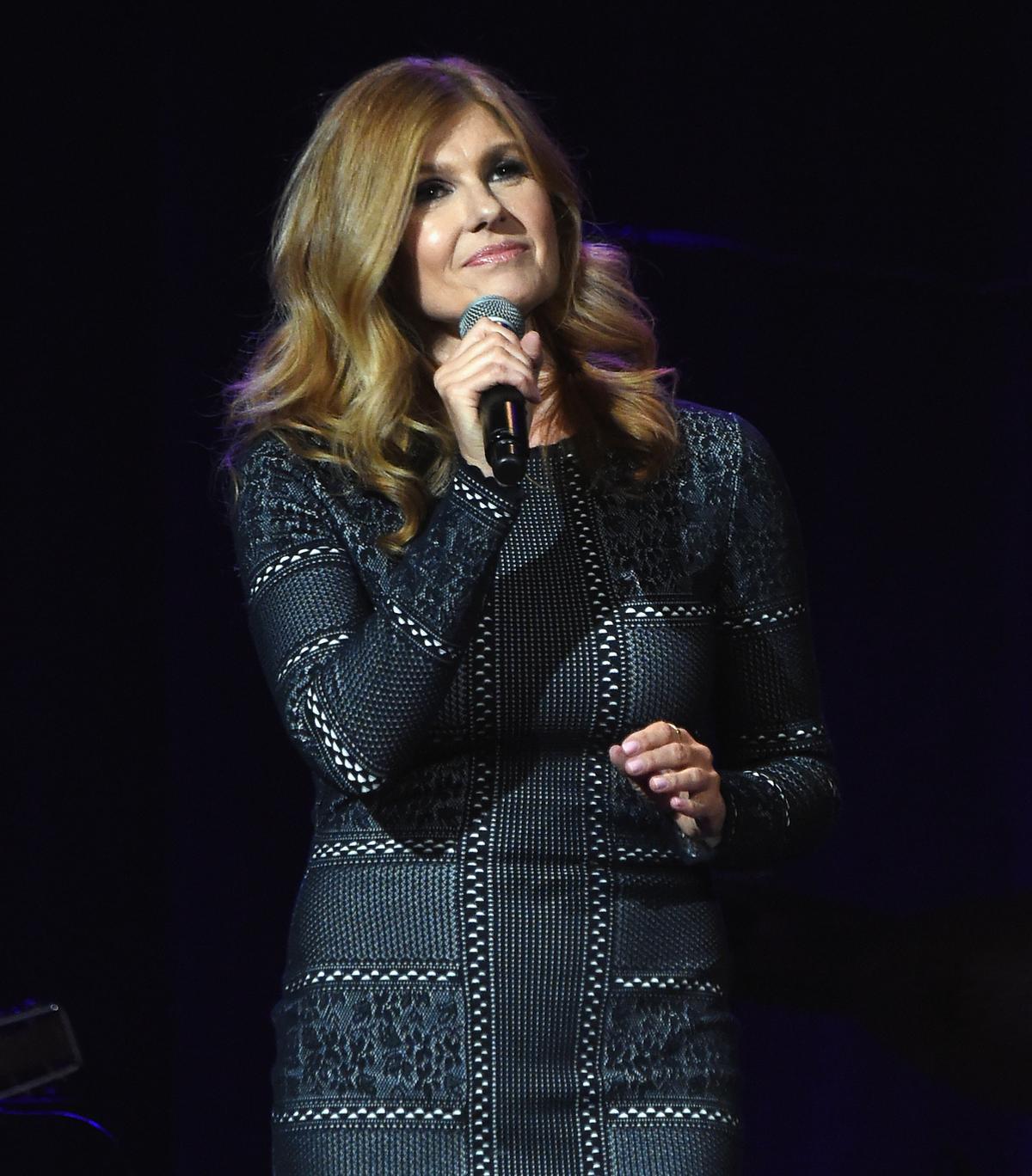
“Although the show’s depiction of the Bluebird is not entirely accurate, it’s added to the venue’s profile, with tourists coming from all over the world to visit,” The Boot shared.
The show marked an increase in attendance to the Bluebird. These days, the building can sometimes hardly accommodate the venue’s influx of visitors.
“Today, the Bluebird’s crowds spill out the door,” Billboard notes.
During the “Nashville” series’s run, Bluebird visitors were treated to surprise performances by the cast on multiple occasions. Portions of the pilot episode were even filmed at the venue.
Part of the venue’s charm comes from the fact that concertgoers never know just who may pop in to perform a song or two or take in a show.
Where ‘Songwriters are king’
The Bluebird is now one of Nashville’s not-so-hidden gems. What began as a restaurant featuring after-dinner concerts morphed into a songwriting destination that has worked itself into the fabric of the city itself.In 2008, Kurland sold the cafe to the nonprofit Nashville Songwriters Association International to further solidify the venue’s commitment to being a community home base for songwriters and musicians.
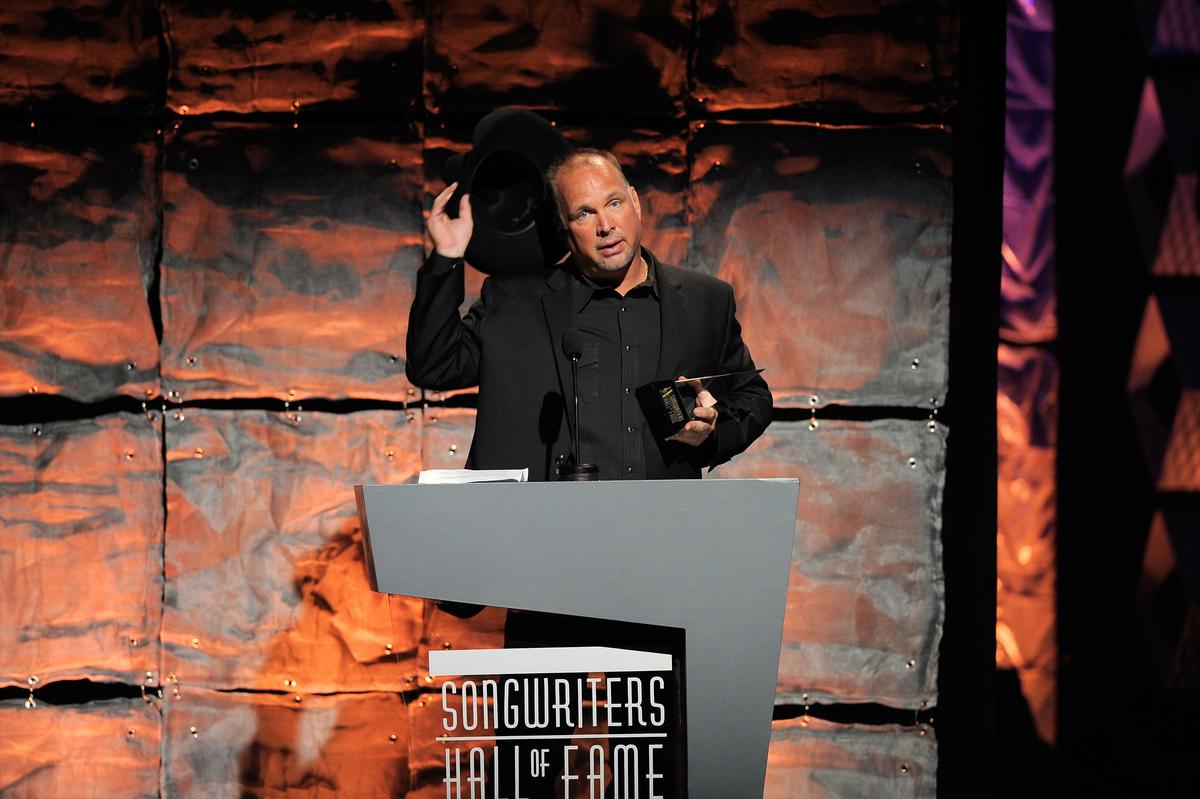
When Brooks was inducted into the Songwriters Hall of Fame in 2011, he made sure to mention the Bluebird Cafe and the importance of keeping the engine of country music, the songwriters, at the forefront of the industry.
“The way the Bluebird is run, the songwriters are king. If the whole entertainment world understood that, we’d all be so much better off, because they get it,” he said.
From Chance Success to Spiritual Refuge
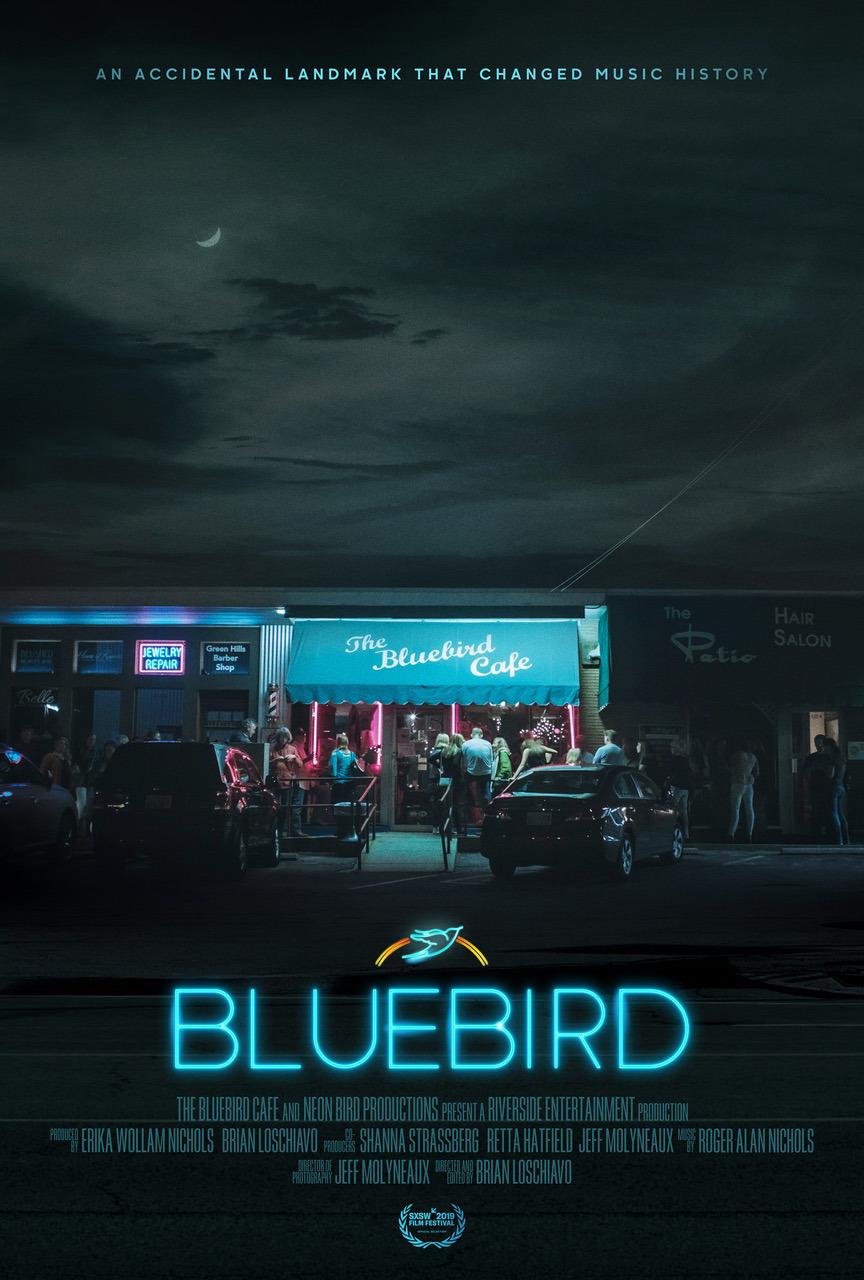
In 2019, the Brian A. Loschiavo-directed “Bluebird” documentary premiered. A year later, the project received an Honorable Mention at the DaVinci Film Festival. “Bluebird” features commentary by artists like Taylor Swift and Faith Hill, who credit the venue for partly launching their success. At just 14 years old, Swift became the inspiration behind a new record label. After music executive Scott Borchetta took in her performance at the cafe in 2004, he came up with the idea for Big Machine Records and signed Swift on as the label’s first artist.
But chance success would later turn into spiritual refuge.
Musician John Oates, from the duo Hall & Oates, realized the sanctity the cafe and its hallowed stage represent during conversation. To many, it’s more than a live music venue or a restaurant or a unique tourist destination.
Oates told Billboard when asked what the storied performance space represents: “Some people have called it a church.”