In the economic history of America’s largest rodent, November was always the time when beaver pelts were at their fullest and thus in highest demand among early Colonial traders.
Perhaps for this reason—and others that incorporate Native American folklore—the November lunar cycle has traditionally been called the “Beaver Moon,” and this upcoming full Beaver Moon will be the largest supermoon of 2025.
When the full moon occurs on Nov. 5 at exactly 8:19 a.m. Eastern Time, it will be just setting over North America at sunrise. If viewing the full moon during morning hours isn’t ideal, you can see it the previous evening, on Nov. 4, and also on the evening of Nov. 5. Though it may not be technically full on either evening, it will still appear so, since it waxes and then wanes very slowly over several days.
What Is A ‘Supermoon’
Supermoon sounds like a Marvel Comics character’s name, but it’s a real scientific phenomenon. The full moon doesn’t always look the same size from month to month; since its orbit isn’t exactly round, but rather elliptical, it sometimes swerves inward and appears larger from Earth. That’s called a supermoon.When the moon comes near its closest position to Earth—a point called its perigee—astronomers call that a perigean moon. More often, though, they simply opt for supermoon. While the moon is, on average, some 238,900 miles away, it will only be 221,817 miles from Earth on Nov. 5. That’s a not-so-insignificant 17,083 miles closer than normal.
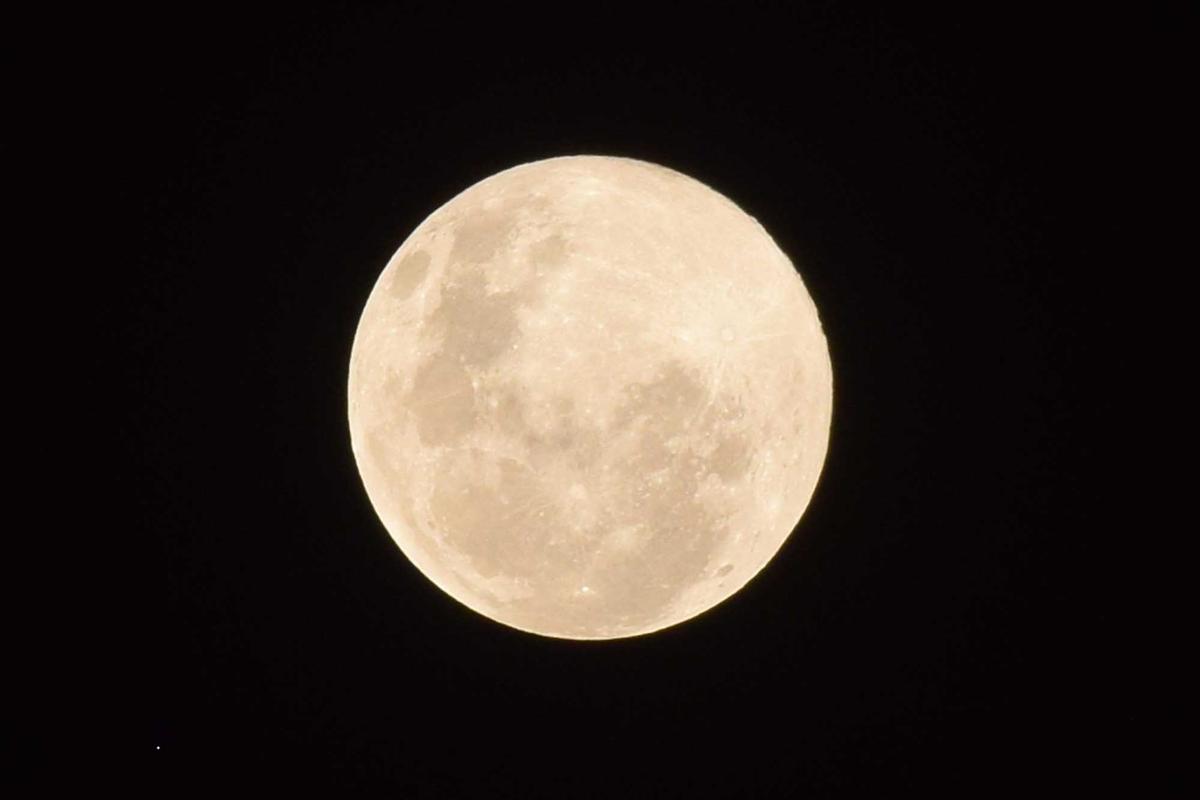
It will likewise appear bigger and brighter than usual. Supermoons can seem up to 7 percent larger and 16 percent brighter than average moons, though in all honesty, the casual observer probably won’t spot the difference. Unless you’re specifically looking for it, you might not notice.
Of Moon Names and Beavers
Hundreds of year ago, Native Americans also noted winter’s chill creeping in during November, and so they marked this autumn month with lunar names according to the changing seasons.And, just like those early Americans who prepared for winter by storing food and harvesting pelts for warmth, beavers made preparations of their own. These large rodents with their paddle-shaped tails use four chisel-like incisors to munch through trees and branches to build dams. These timber structures can be as large as 6 feet tall and 39 feet wide. Often regarded as a nuisance by landowners, some beaver colonies can build dams faster than they can be dismantled.

Beaver dams, or lodges, are constructed of logs combined with brush and thick layers of mud and rock. They can only be entered from under the water, and beavers pay particular attention to maintaining a certain water level. They cover the floors of their chambers with a bedding of wood chips that soak up excess moisture and insulate from winter’s chill.

More Full Beaver Moon Phenomena
Besides its super size, this full Beaver Moon will show off several other optical effects.Since it occurs close to the autumn equinox, the full moon will hang relatively low near the horizon, thus giving rise to the “moon illusion.” Standing side by side with earthly objects such as trees and buildings, the full moon will give us the psychological impression of being larger than it really is. The effect is a deception; the moon’s size won’t really have changed, though this illusion will enhance the supermoon’s grandeur.
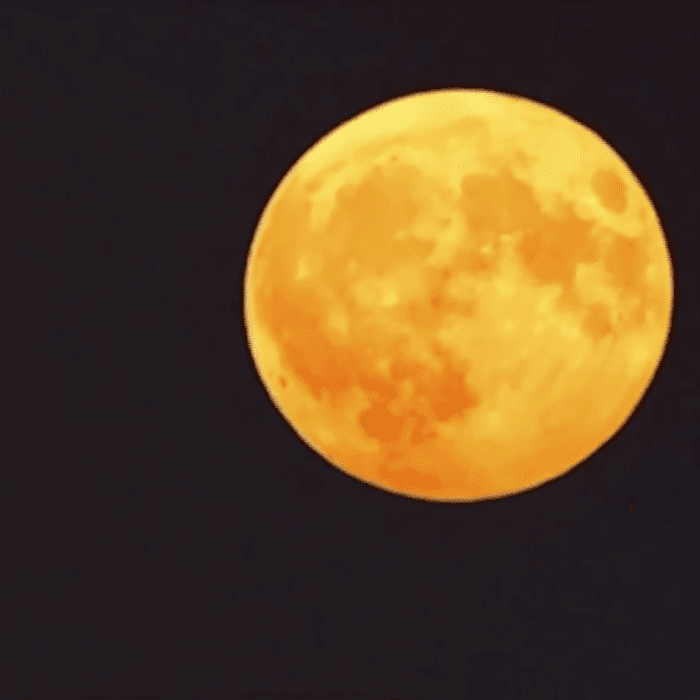
Also, the moon may glow a ruddy orange or yellow. Because it’s so low, moonlight will have to pass through more atmosphere and pollution before reaching our eyes, tinting it a warmish hue. How fitting for fall!
And the Beaver Moon may seem to linger longer than it should. This strange phenomenon—called the Harvest Moon effect—was long praised by farmers, for it allowed more time for harvesting by moonlight. It’s caused by the moon’s northward-migrating arc at the time of the equinox, which effectively offsets the time of moonset.