The 2005 film “Walk the Line” tells the love story of country music icons Johnny Cash and June Carter Cash. June co-wrote one of Johnny’s biggest hits, “Ring of Fire,” and it was featured in the movie at times as a metaphor for the couple’s romance. Actress Reese Witherspoon starred in “Walk the Line” as June Carter Cash, and when fans saw the film, many viewers didn’t recognize the instrument she played as she depicted June penning “Ring of Fire.”
The wooden, stringed instrument known as the autoharp was once a popular instrument in select regions of the United States. It was also a Carter family favorite, and June was one of several musicians who took it from obscurity and into the limelight.
German Roots
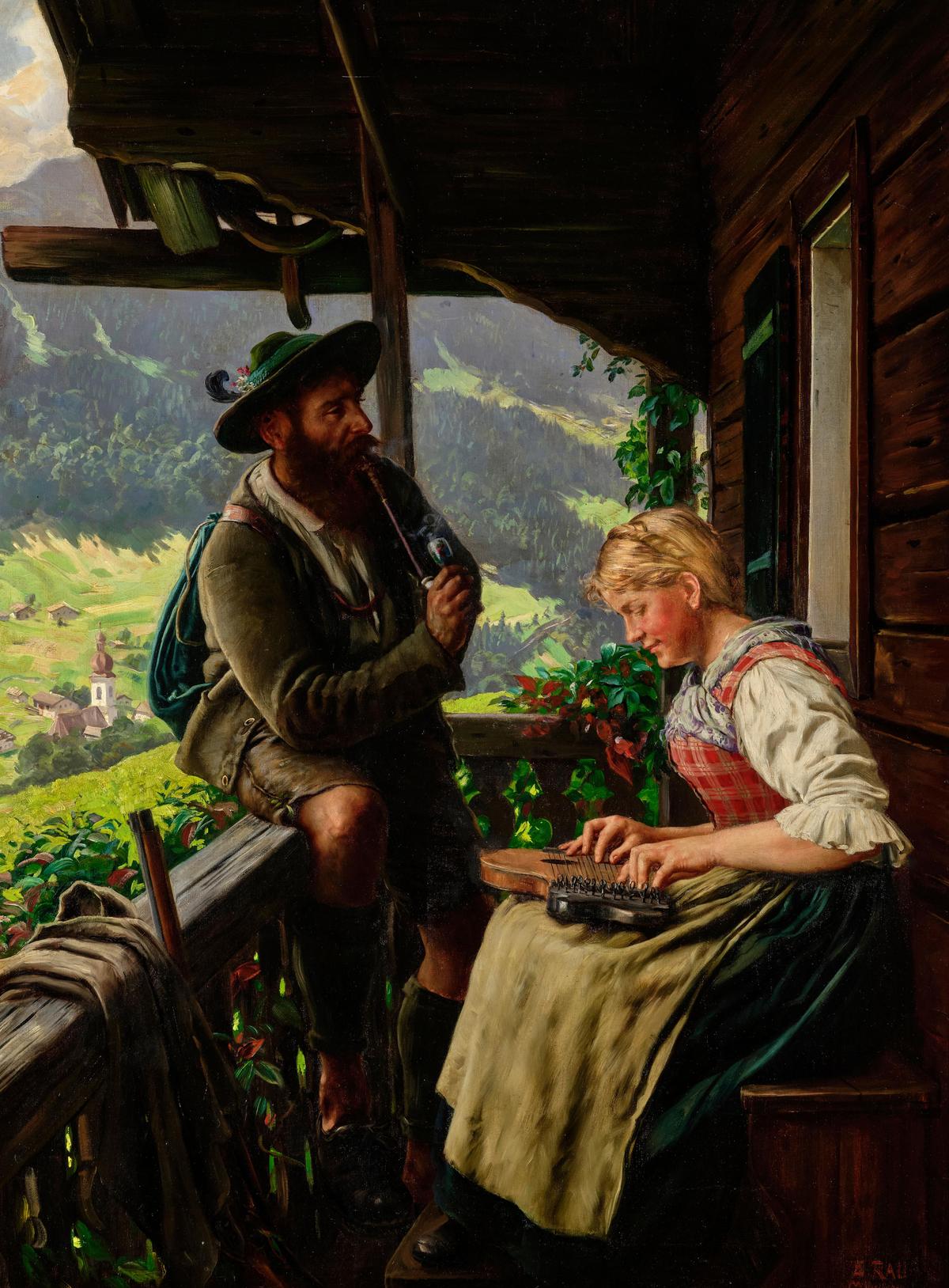
The philosophy behind Gütter’s design was to get the player focusing on muting the wrong notes rather than playing the right ones, making the instrument easier to learn and play.
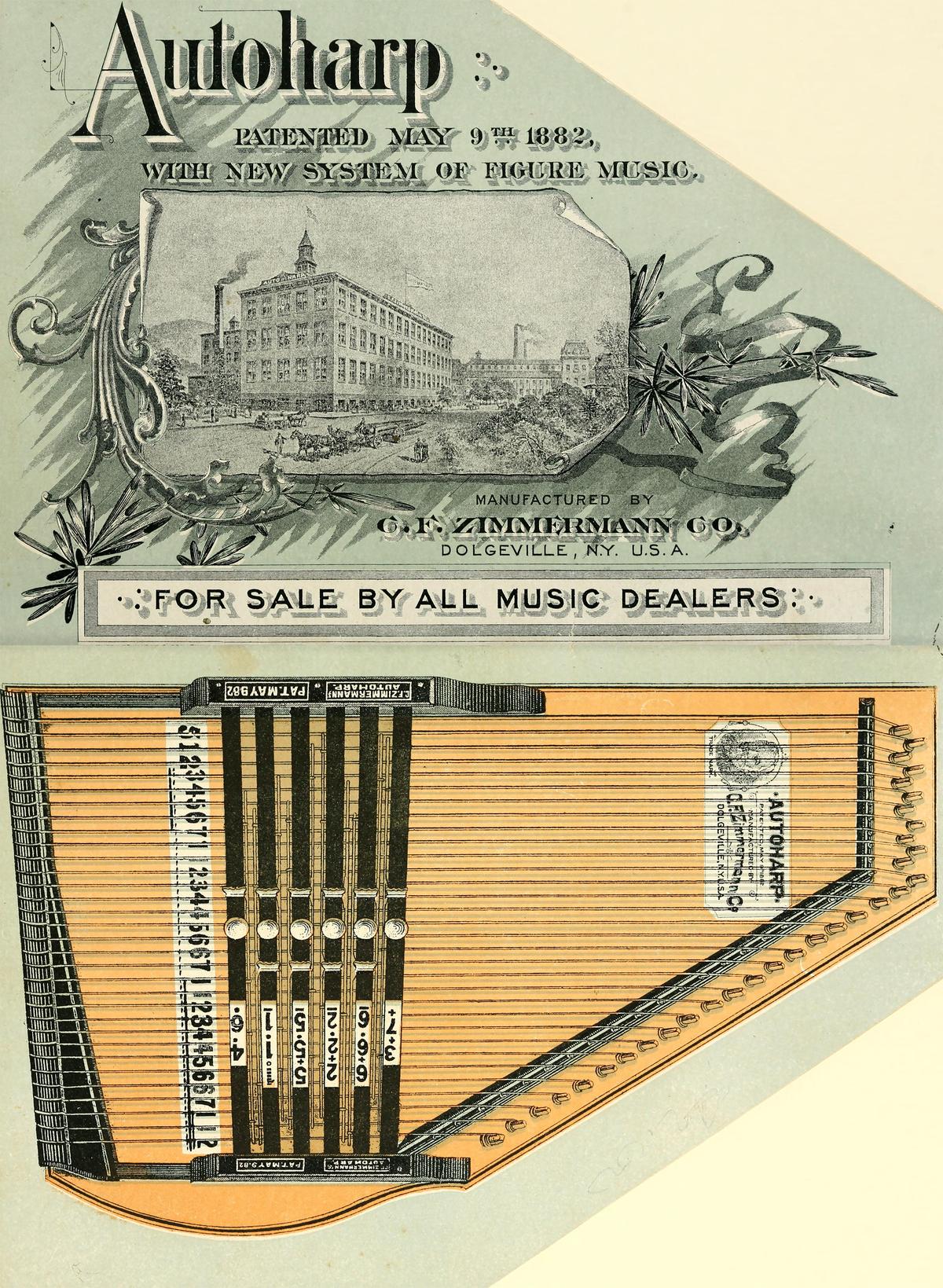
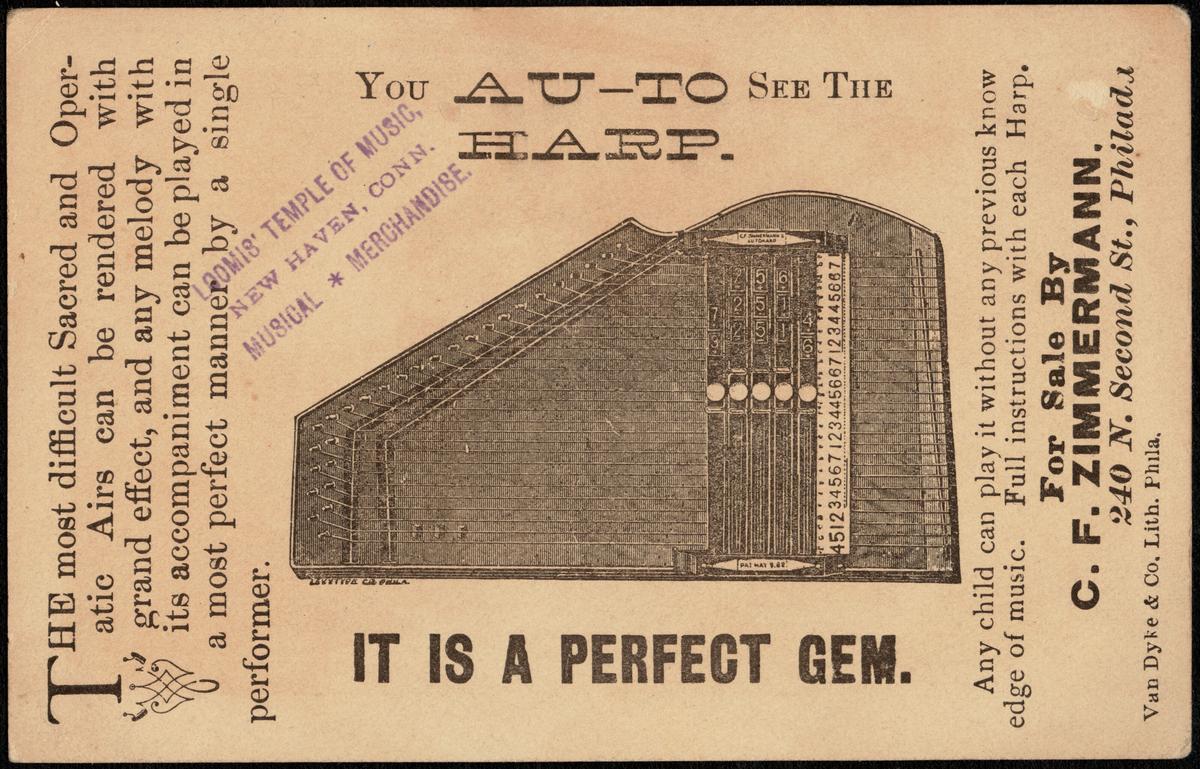
Strings on chorded zithers stretch across the body of the instrument and can be played fingerstyle or by using a thumb pick. Felt bars were included in the original design along with buttons representing various chords. To strum a chord, the player would press a button which would engage a felt bar, muting appropriate strings to form various chords like C, G, and D.
Across the pond in America, around 1882, Charles F. Zimmermann, a German immigrant living in Philadelphia was granted approval for a patent he filed on an instrument design similar to Gütter’s that he called the “autoharp.” While Gütter’s instrument was shaped like a trapezoid, Zimmermann’s was symmetrical. But after a trip to Germany, Zimmermann adopted Gütter’s model, and began producing his instruments with Gütter’s design.
Though the autoharp never reached mass appeal in America, it played an integral role in the development of folk, country, and bluegrass music—reaching its peak in the States by the 1950s.
The autoharp produces both plucky, bright nuances and warm, vibrant tones. And country music’s most famous family made the unique instrument one of the genre’s defining sounds.
‘Play It Like I’m Driving a Truck’
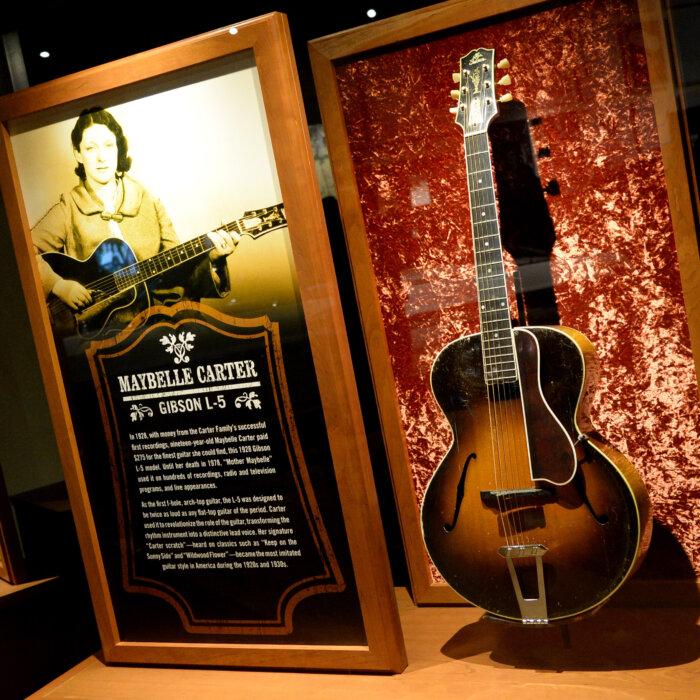
The autoharp became an instrument of choice during economically leanOne family in particular in the Appalachian region, the Carter Family, embraced the sounds of the autoharp along with other acoustic-based instruments like the guitar and banjo. The matriarch of the family, Maybelle Carter, was a visionary autoharp player.
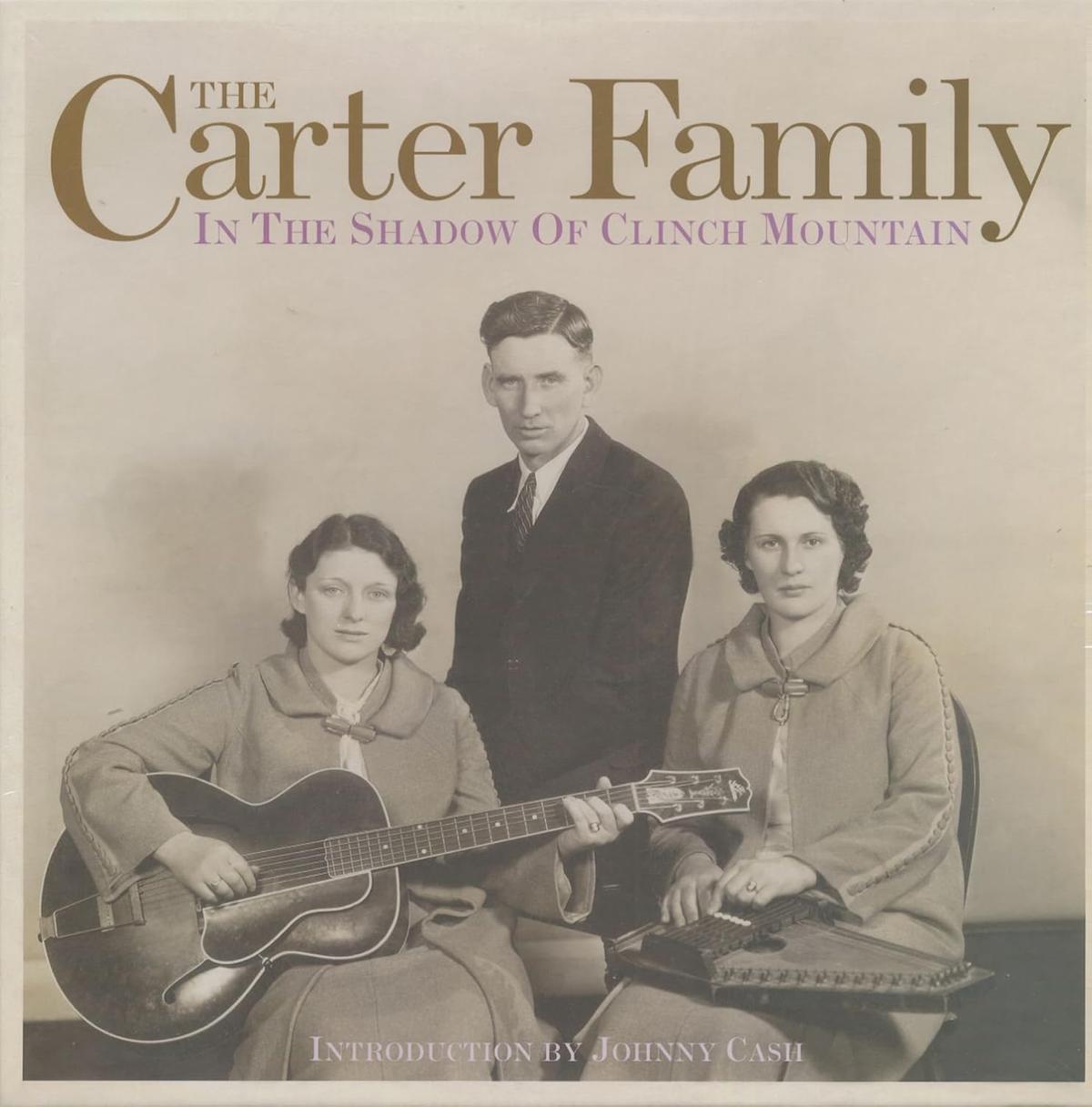
As far as teachers went, she had the best. Not only was Maybelle Carter known for her innovative guitar-playing techniques, but she also used those same techniques to revolutionize the autoharp.
“Prior to her use, the autoharp was used mainly as a rhythm instrument, but she soon began using a plucking technique that allowed her to play melodies,” Wide Open Country explained.
Maybelle developed a technique referred to as “slurring”—she held chords a bit longer than usual while playing notes, creating a hammer-on effect often heard on a guitar. The style produces a smooth, connected melody, and it was an innovative approach to playing the autoharp. She also played higher up on the strings to emit a better tone and make it easier for her to play complex melodies and rhythms.
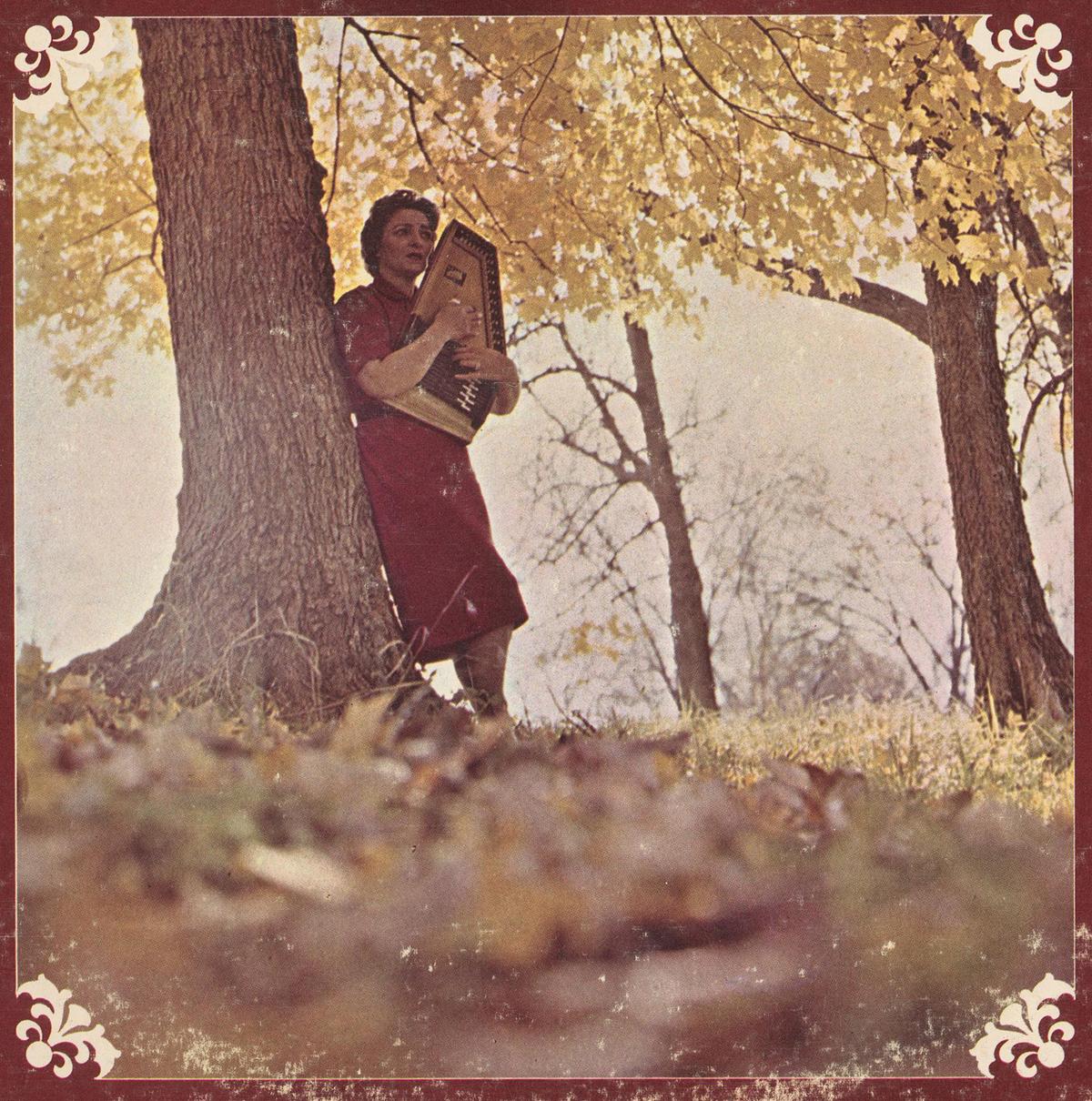
Some of June’s fondest memories from childhood were born from her mother’s music lessons.
Players of the Autoharp Tradition
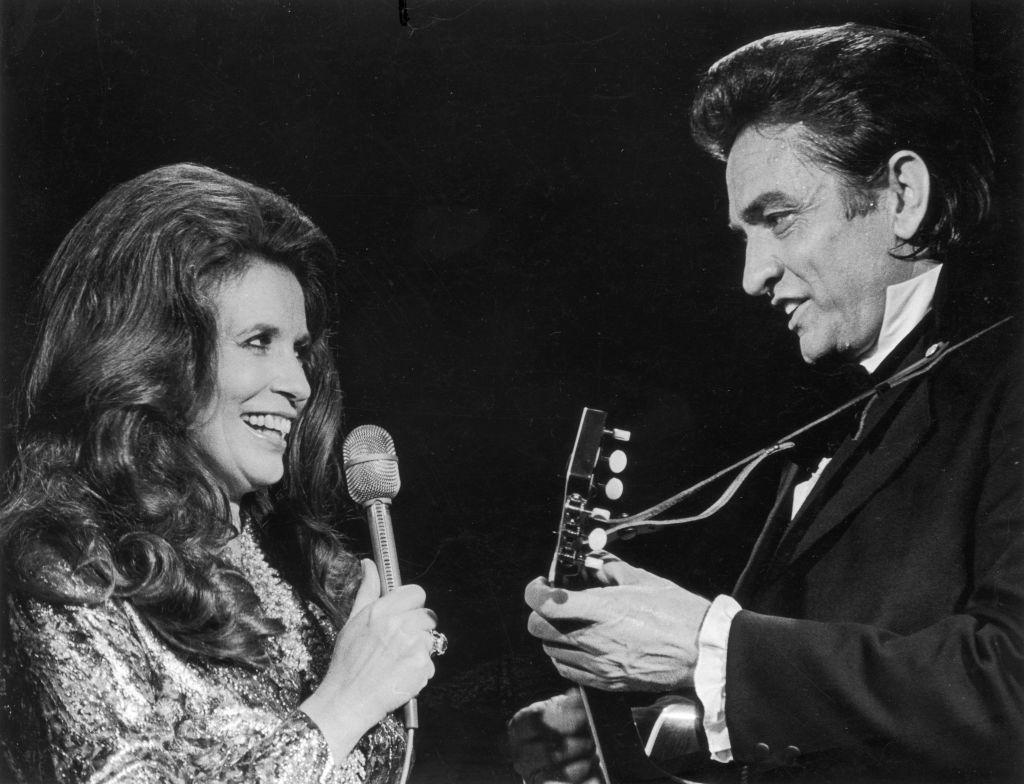
Not only did Maybelle play the autoharp, but her bandmate and cousin, Sara, played it, too. Sara’s playing can be heard on several Carter Family recordings, including “Bury Me Under the Weeping Willow,” “Wildwood Flower,” and “Can the Circle be Unbroken”When June played “Ring of Fire” on stage with husband and fellow country singer, Johnny Cash, she’d often bring along an autoharp, introducing new generations in the audience to the unique instrument.
But sounds of the autoharp aren’t confined to the Carter Family. Artists over the years have used it in their recordings as both a supportive instrument and a featured one.
Traditional roots artist Kilby Snow (1905–1980) was a master autoharpist who was crowned Autoharp Champion of North Carolina when he was just 5 years old. His album, “Country Songs and Tunes with Autoharp,” features one of his most popular recordings, a rendition of the traditional bluegrass number, “Molly Hare.”
Longtime musicians Bryan Bowers and Will Smith are both members of the Autoharp Hall of Fame. Bowers is known for his intricate finger-picking style and Smith is another visionary autoharp player who’s shared the stage with country greats such as Loretta Lynn and Reba McEntire.
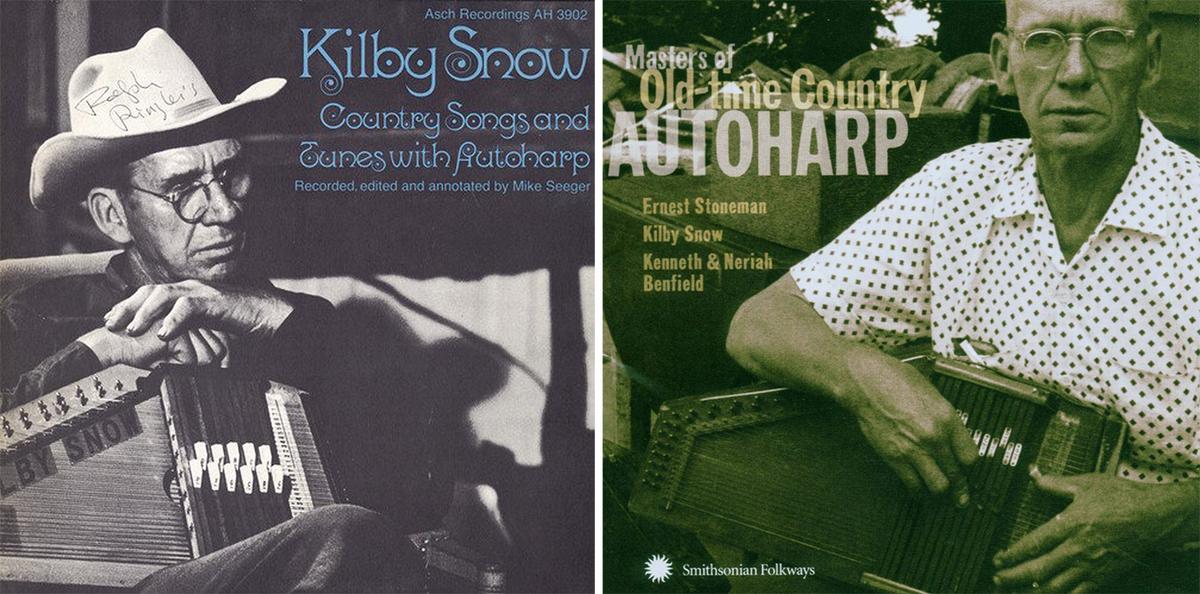
Ernest Stoneman (1893–1968) was one of the autoharp’s foundational musicians and one of the country genre’s earliest recording artists. He is featured on the 2006 album, “Masters of Old-Time Country Autoharp,” alongside the best players of the instrument, like Kilby Snow, who also makes several appearances.
An Instrument for All
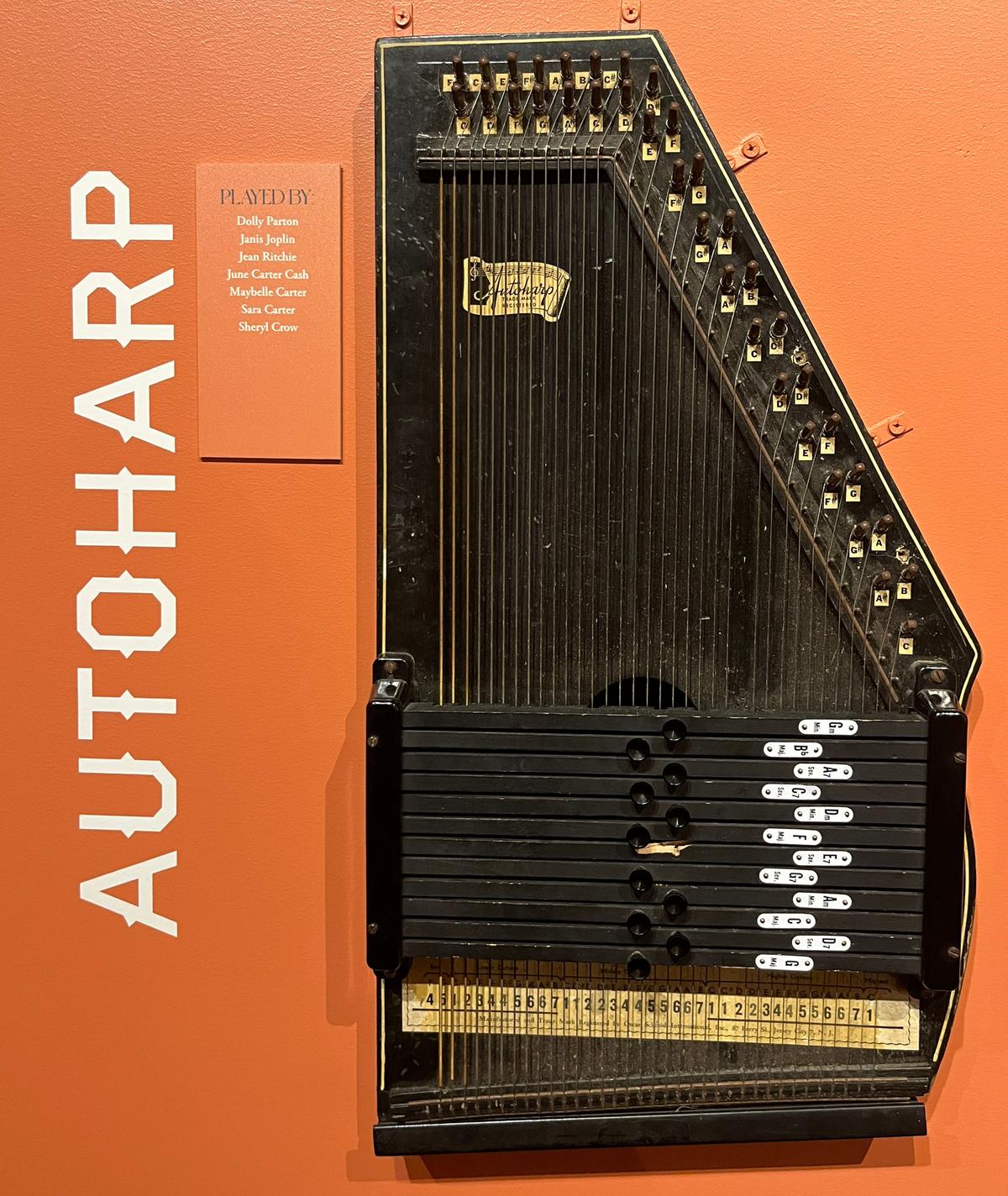
Country and roots musicians weren’t the only ones contributing to the autoharp’s time in the spotlight in the early to mid-20th century. The instrument was found in homes across America due to access and ease of playing. Its smaller size made it an attractive choice for children and beginners.
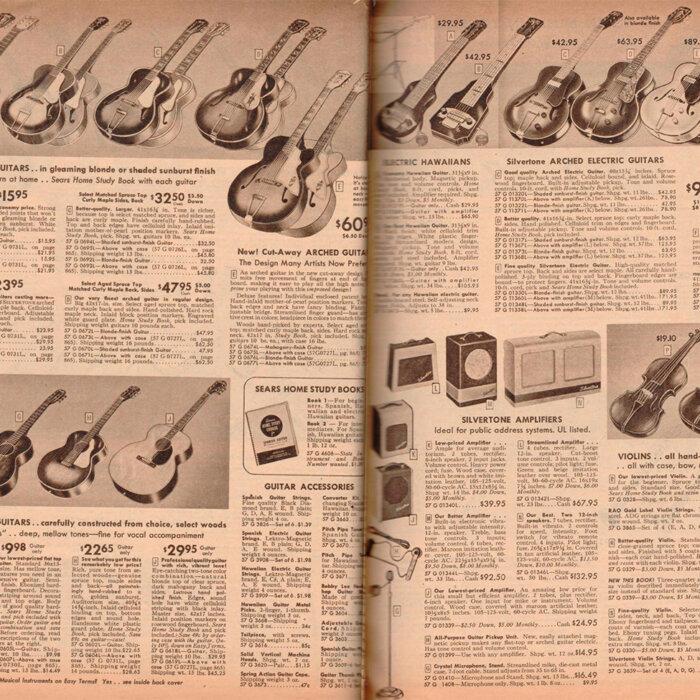
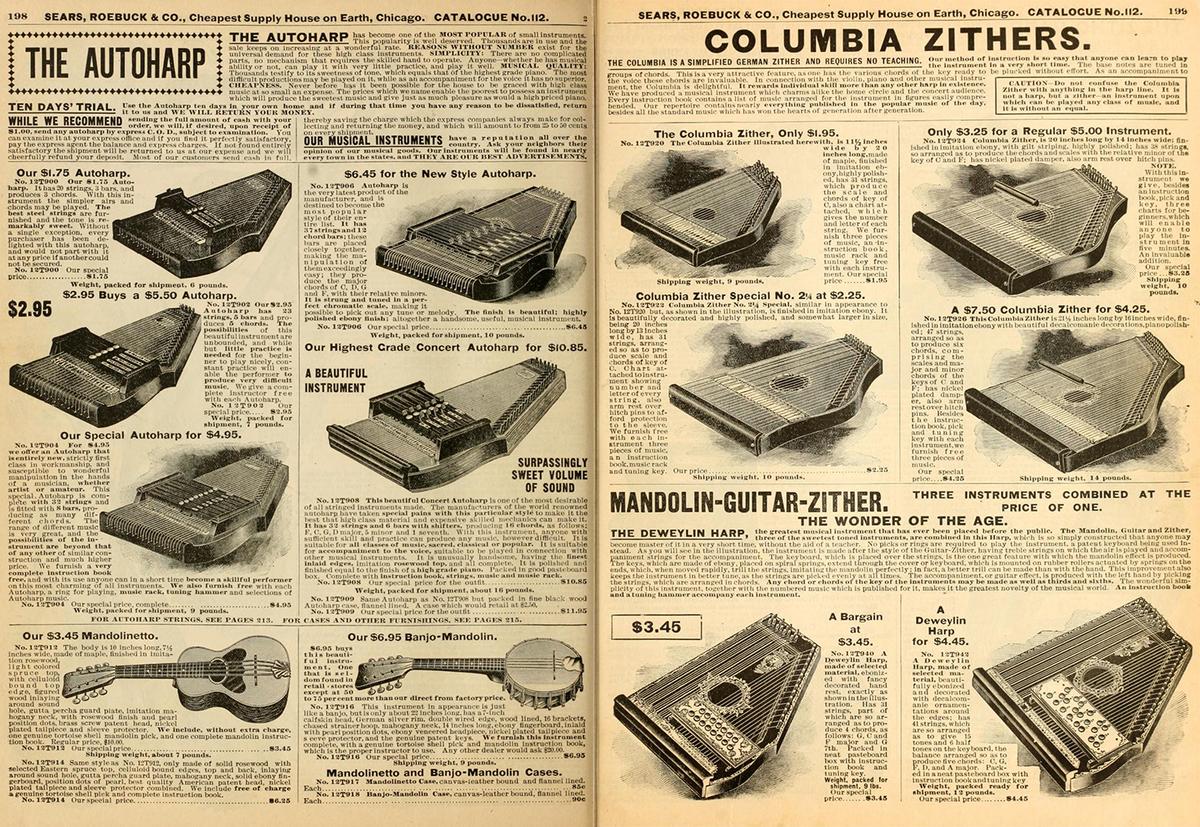
“Autoharps were one of many commercial attempts to bring music into essentially non-musical households that started in [the] mid-to-late 1800s,” shared Harpers Guild. Mail-order catalogs listed them as instruments that “anybody could play.”
Gospel standards like “Amazing Grace” and classic country-bluegrass standards like “Man of Constant Sorrow” are popular practice picks for beginner autoharp players.