Bluegrass is indeed a soulful genre, and it’s built on genuine grounds. One reason the genre has remained one of the most authentic musical stylings over its 80 years in the spotlight is its tradition of promoting family bands. It’s hard to develop a big head and stray into lesser authentic territories when Mom and Dad or your siblings are around to keep you centered.
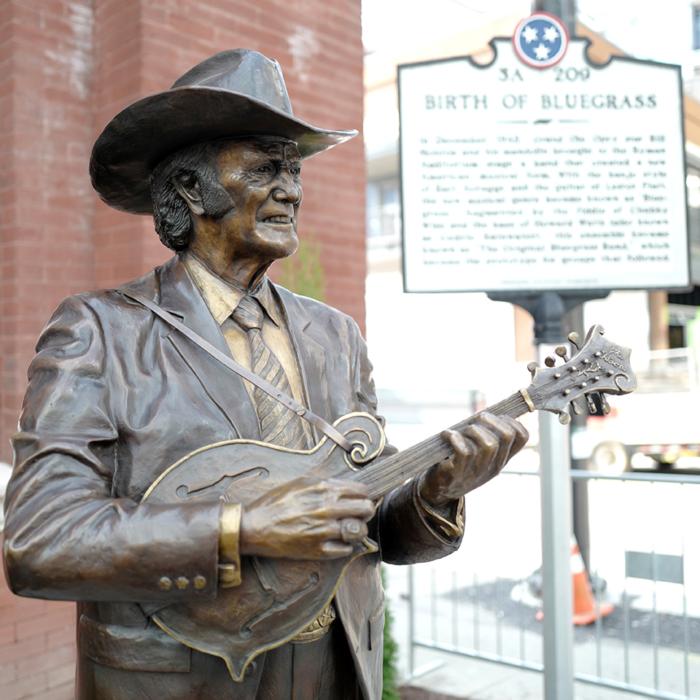
The genre came to full fruition on Dec. 8, 1945, when mandolin picker and singer Bill Monroe and his Blue Grass Boys performed at the Grand Ole Opry. That night marked the first show with their new banjo player Earl Scruggs, though Scruggs was in no way new to bluegrass. He developed his rolling sound by his own three-finger picking style supported by his right hand. The technique is still widely used today.
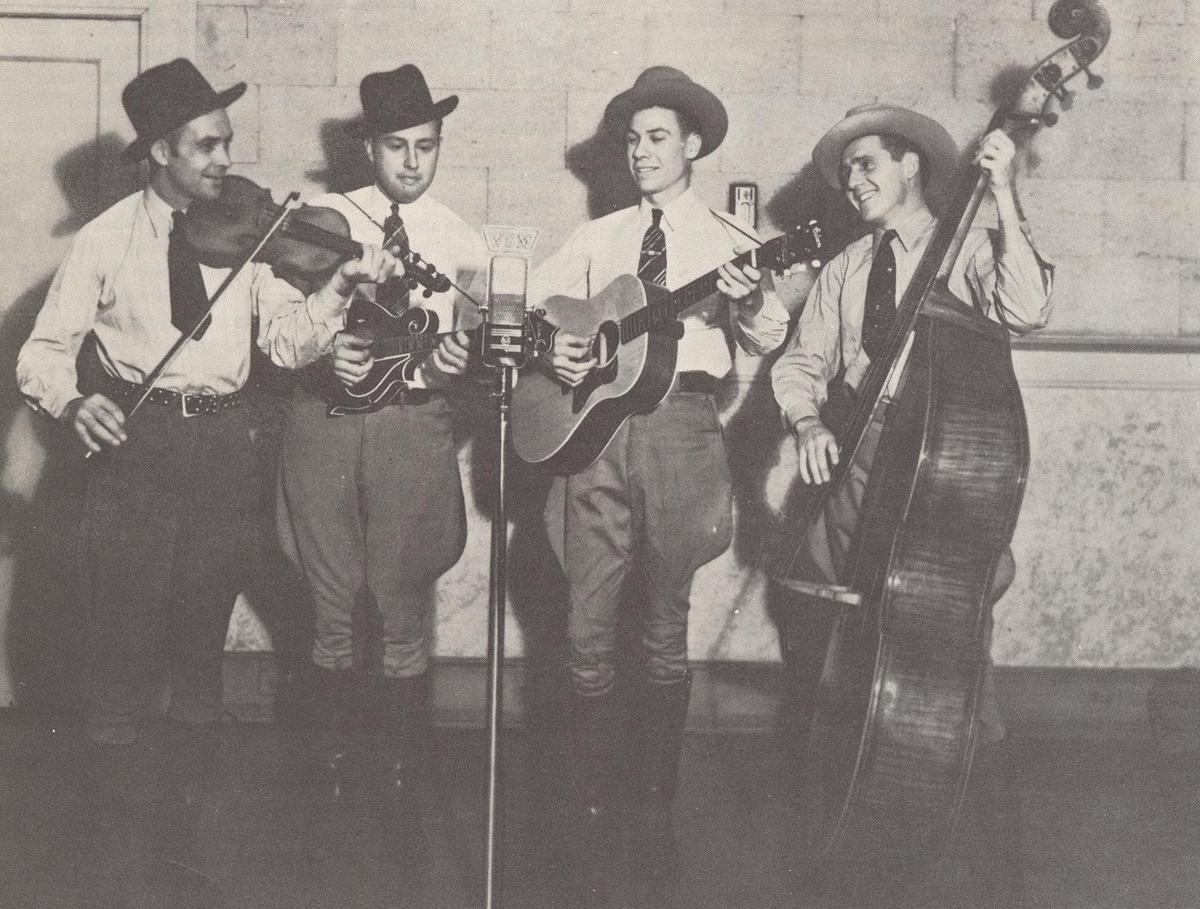
After their lively performance, the band, also featuring a newly hired Lester Flatt on guitar, received a historic standing ovation. Now, music historians look to this moment as the official public debut of the genre that’s become one of country’s enduring musical styles.
Finding One’s ‘Gift’

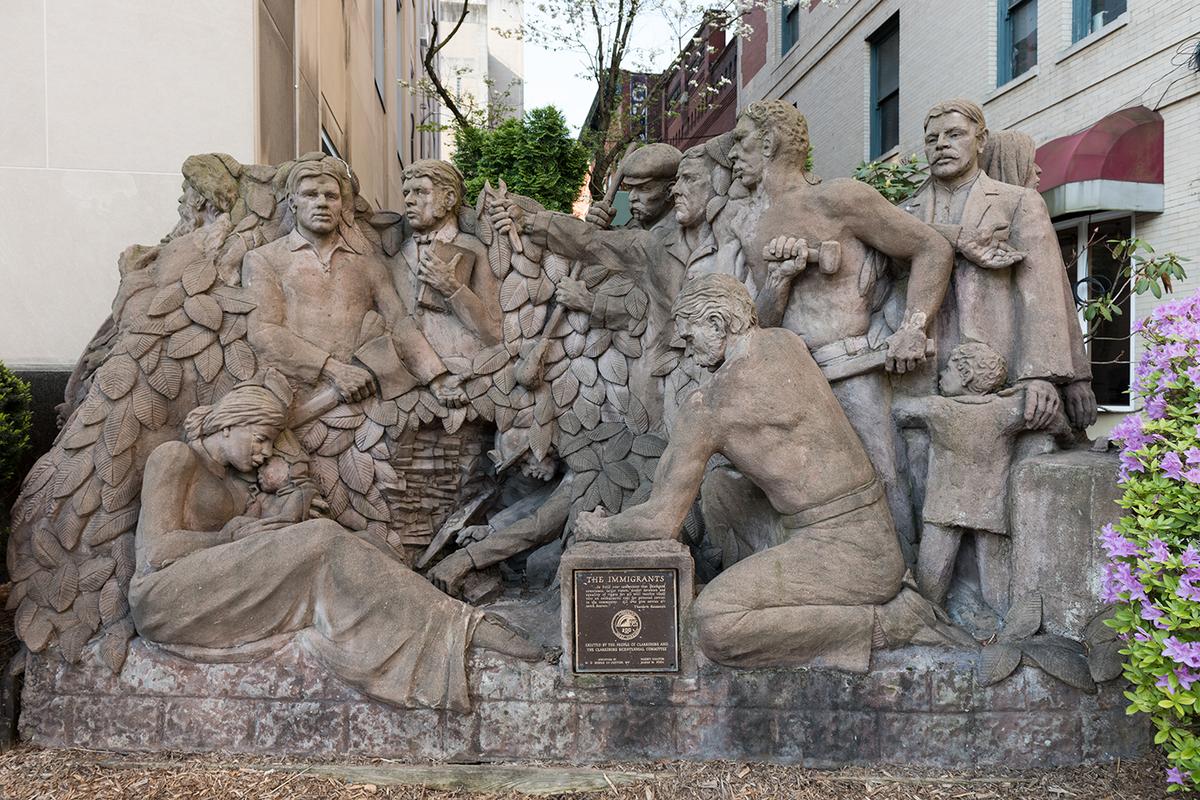
The roots of bluegrass in America go all the way back to the 1600s, when immigrants from countries such as Ireland and Scotland came to the New World to start fresh.
“[These newcomers] brought with them basic styles of music that are generally considered to be the roots of modern bluegrass music. As the settlers began to move out into North and South Carolina, Tennessee, Kentucky, Virginia, and West Virginia, they wrote songs about daily life in the new land. Since most of these people lived in remote areas, many of the songs reflected life on the farm or in the hills.”
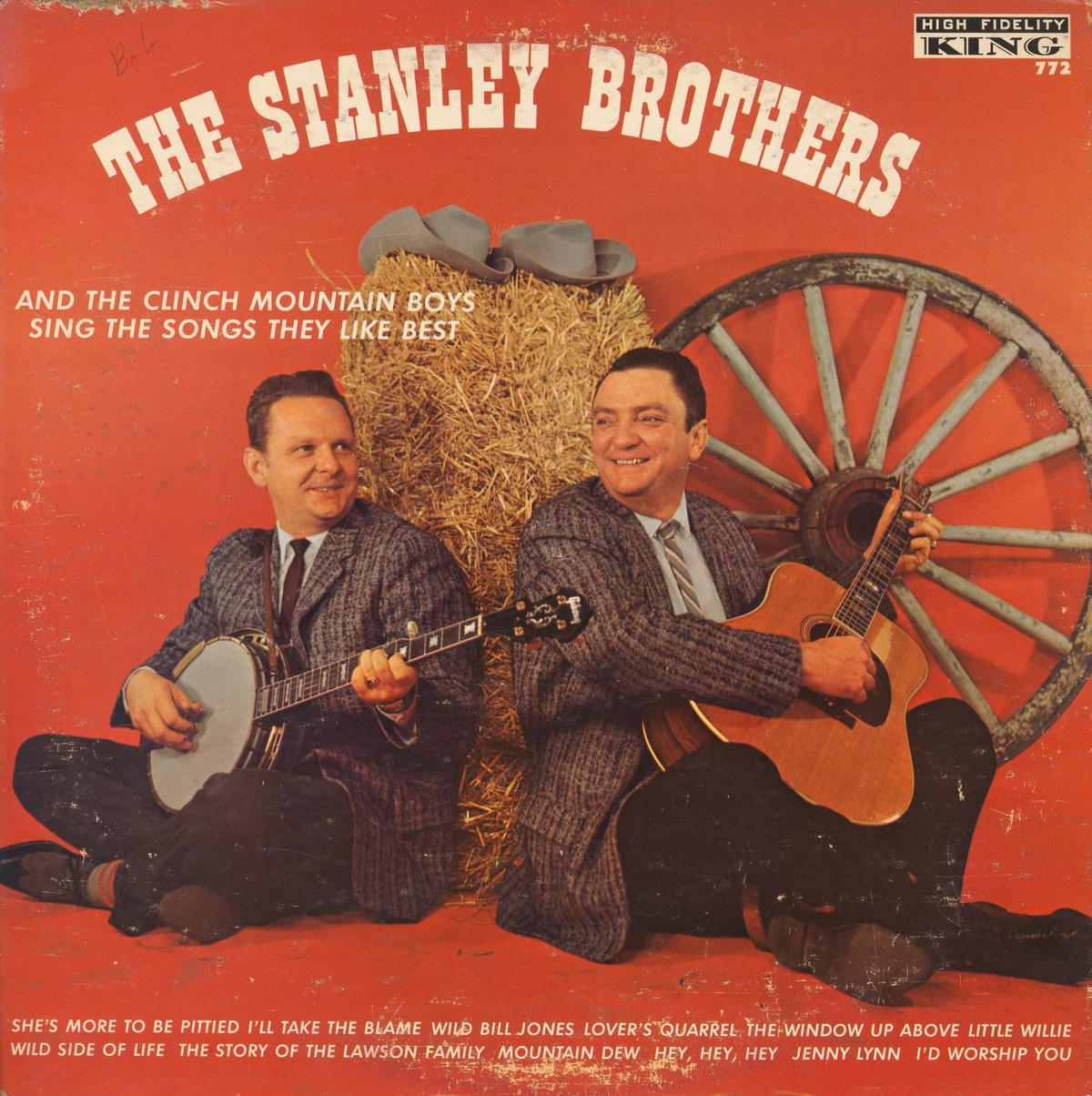
The Stanley Brothers, made up of siblings Carter and Ralph, were one of bluegrass’s earliest and most defining family duos. They performed with their band, The Clinch Mountain Boys, throughout the 1940s and into the 1960s before Carter’s passing in December of 1966. They were known for their tight harmonies and clean, precise playing—two trademark characteristics of the genre.
Their mother, Lucy, came from a musical family that included 11 sisters and brothers who could all pick the banjo. When Ralph was a young boy, she gave him a few lessons. Soon he paired up with Carter, a talented rhythm guitar player and fellow singer. World War II took them away from music for some time. But after they served, they teamed up and began performing together.
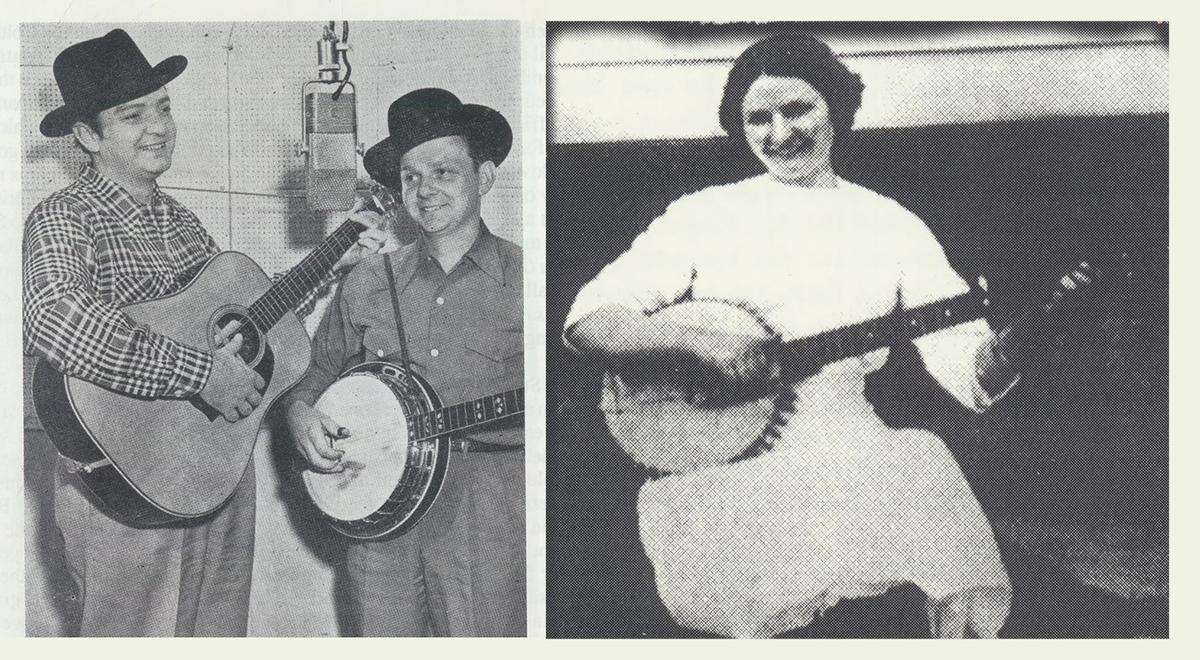
When asked about the secret behind his duo’s captivating harmonies, he said: “It’s just knowing what you are doing. … You have to have an ear for it. We played by ear, and I’ve always played by ear. To know when you’re flat and when you’re sharp and make it blend together—that comes with your gift.”
A Spiritual Element
Award-winning guitarist and singer Molly Tuttle is one of bluegrass’s contemporary spearheads. She began playing publicly at around 11 years old. Aside from her critically acclaimed solo releases, she’s dedicated much of her life to her family’s band, The Tuttles. Some of the band members include Molly’s brothers Sullivan (a guitarist) and Michael (a mandolin player), and their father, Jack (a multi-instrumentalist). Long recognized as one of the most popular acts on the bluegrass circuit, The Tuttles’ website states that the group is made up of “singers and multi-instrumentalists who have been playing music since they were barely old enough to hold a pick.”
Some experts say that the ability of family bands to effortlessly integrate and play such unique and memorable songs and harmonies is because the group’s members are not just connected physically.
University of Utah vocal performance chairman David Power also shared that he sees a spiritual element present in family bands. The newspaper said: “For him, all singing is communication, spirit to spirit, and family closeness simply enhances that unity.”
From Fans to Family
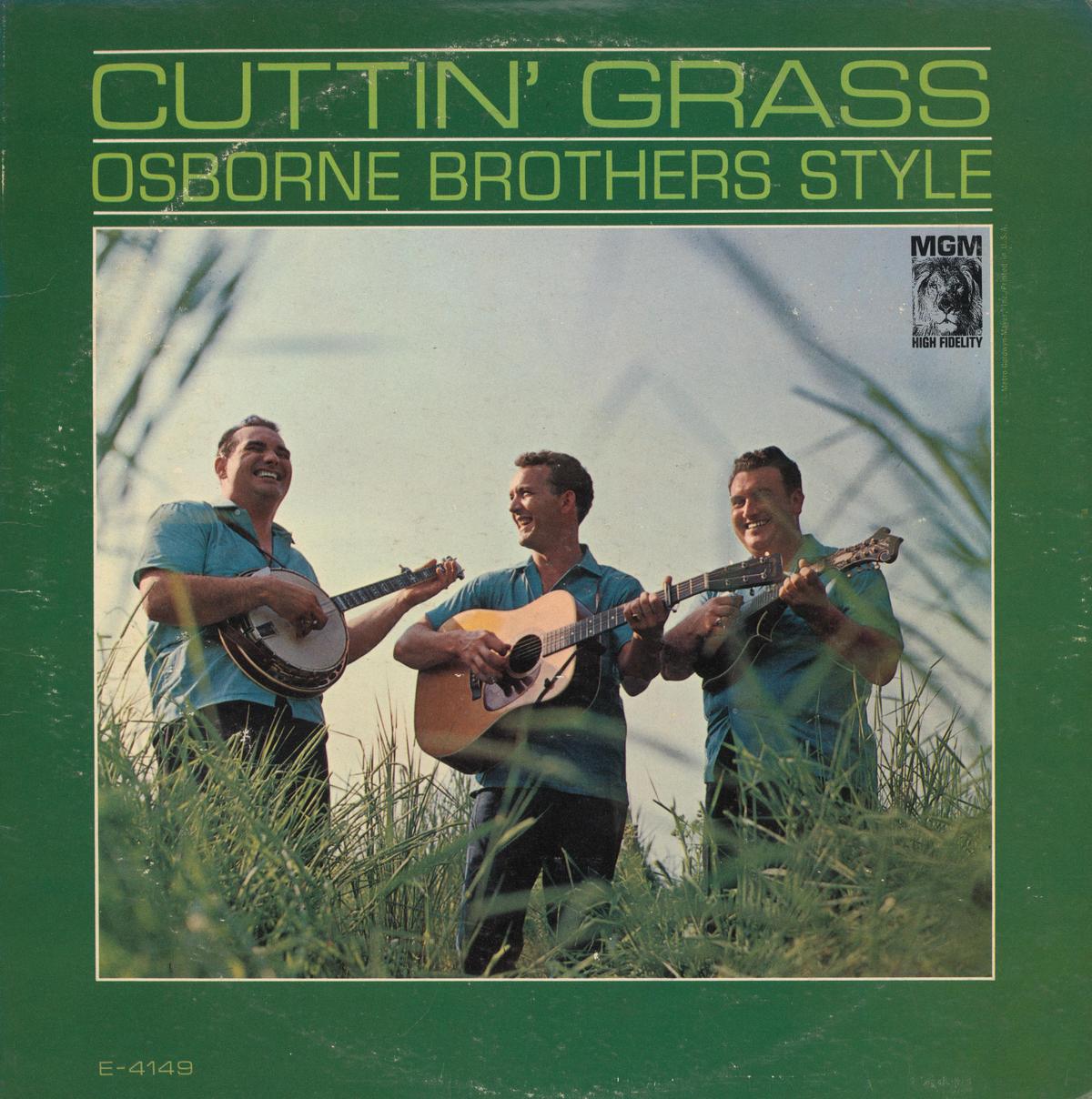
From The Osborne Brothers, who gave us the hit bluegrass-inspired country song “Rocky Top,” to contemporary band of brothers The Travelin' McCourys, one of the traditions of bluegrass is clear. The genre is all about the harmony of siblings, not rivalry.
Love of family extends past band members of the genre as well. Oftentimes, bluegrass players develop close relationships with their fans, and those fans become much more than mere listeners of the musicians’ craft.
The great Bill Monroe once commented on the unifying nature of the genre, remarking: “Bluegrass has brought more people together and made more friends than any music in the world. You meet people at festivals and renew acquaintances year after year.”
“I was worried, I didn’t know if I could do it by myself. But boy, I got letters, 3,000 of ’em, and phone calls—people told me, ‘We’ve been Stanley Brothers fans through the years, now we’ll be yours.’ And that really helped me.”