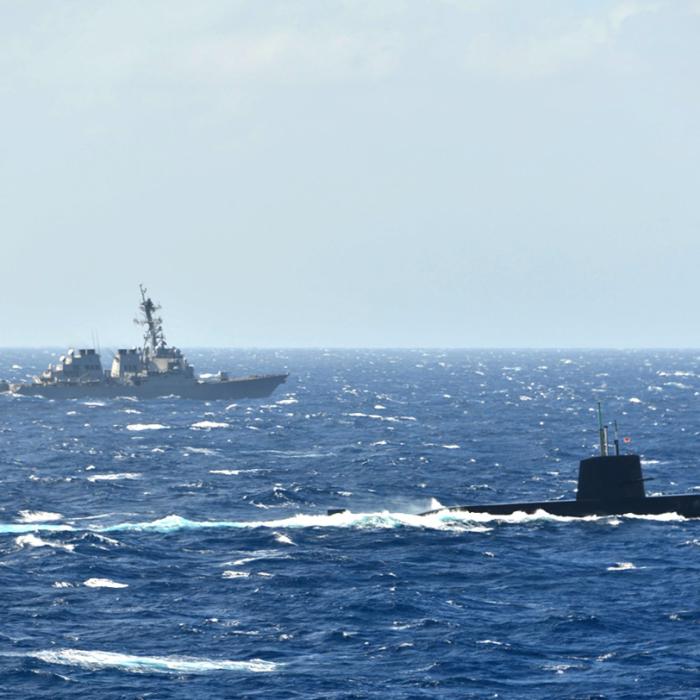
The World War II U.S. Navy Submarine Service was a silent service, hidden under a veil of secrecy to protect those serving aboard. Not until after the war ended did the public learn of the contributions submariners made to victory in the Pacific.
Their contributions were enormous. From Dec. 1941 to Aug. 1945 during WWII, the Pacific Submarine Force in war patrols sank almost five million tons of Japanese shipping and 600,000 tons of warships. Their actions strangled Japan’s war machine. The price paid was heavy: Fifty-two submarines and 3,505 men were lost.
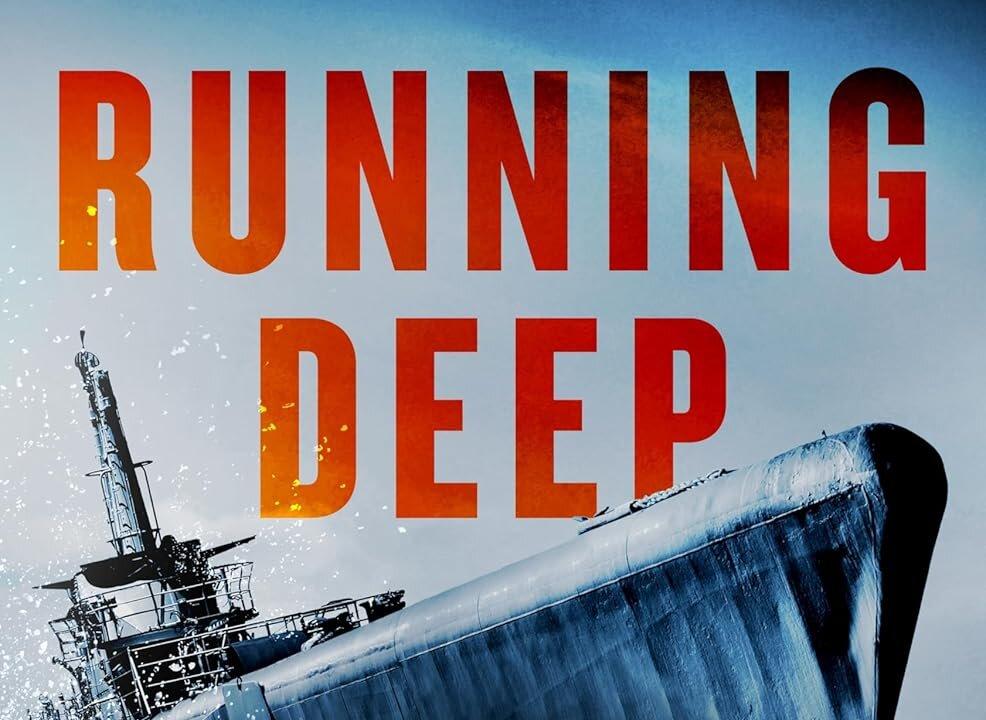
Cmdr. Richard O’Kane, commanding the USS Tang, was the Pacific Submarine Force’s board leader. During five war patrols, O’Kane and Tang sank 33 Japanese ships, totaling 116,454 tons. “Running Deep: Bravery, Survival, and the True Story of the Deadliest Submarine in World War II” tells of O’Kane’s career and the Tang.
O’Kane also served as executive officer aboard the USS Wahoo on seven war patrols, during which the Wahoo sank 20 ships, coming to 43,000 tons. O’Kane participated in sinking more Japanese ships than any other officer of the U.S. Navy’s submarine service.
O’Kane and the Tang
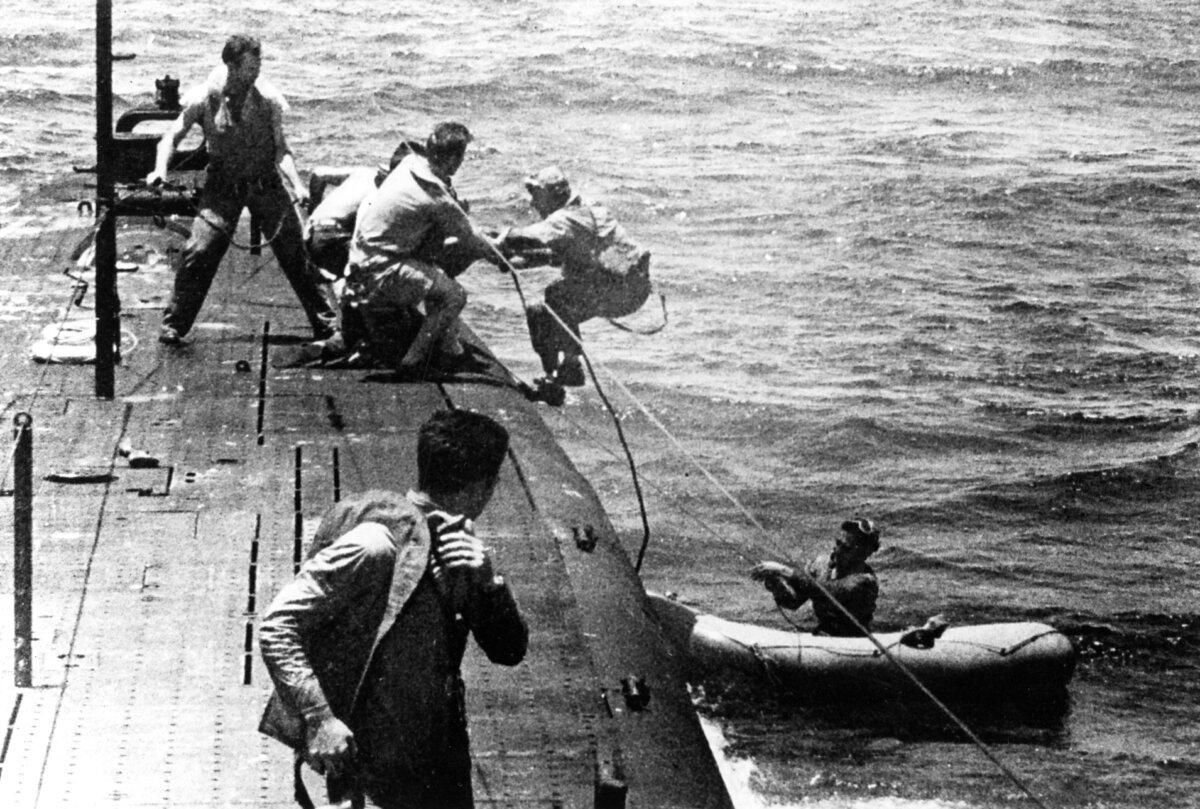
Tom Clavin covers O’Kane and Tang with affectionate detail. Clavin follows Tang from the pre-commissioning arrival of O’Kane as its skipper through five war patrols. During those missions, Tang racked up a career that was the envy of the submarine service. On one patrol it sank 10 ships, the record for a U.S. submarine war patrol. On another, O’Kane and Tang rescued 22 downed U.S. Navy airmen.Clavin describes Tang’s fifth war patrol. After sinking eight Japanese ships, its 24th and final torpedo made a circular run, hitting and sinking Tang. Nine men, including O’Kane, survived and were captured by the Japanese. Among them were five of the 13 men who escaped from the sunken Tang on the ocean floor bottom, either by using a Momsen Lung or by free-ascent.
Clavin follows the wartime career of O’Kane as a junior officer aboard USS Argonaut, the executive officer aboard Wahoo, and skipper of Tang. He also provides a full biography of O’Kane, from his 1911 birth in Dover, New Hampshire, until his 1994 death in Petaluma, California.
O’Kane attended the U.S. Naval Academy. He graduated in 1934, served aboard a cruiser and destroyer, and transferred to the submarine service in 1938. Postwar, he commanded submarine tenders, a submarine division, the Submarine School in New London, Connecticut, and a submarine squadron, before he retired as a rear admiral.
Clavin describes O’Kane’s long and enduring marriage to Ernestine Groves O’Kane. A childhood friend, she was his pole star. O’Kane credits his determination to return to her by surviving as a prisoner of war in Japan. During that time, he was starved, beaten, and almost died.
Additionally, “Running Deep” puts the U.S. submarine war in perspective, providing a good short summary of the overall U.S. Navy submarine campaign against Japan. Clavin makes excursions into some of the legendary episodes involving U.S. submarines in the Pacific.
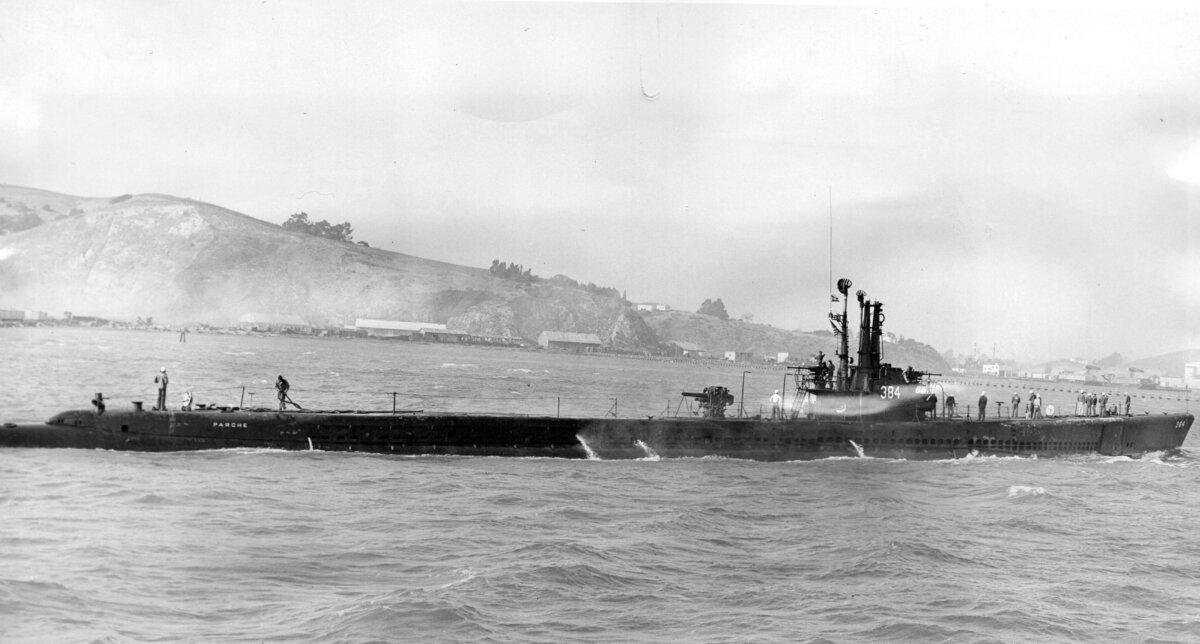
Under Japanese air attack in Feb. 1943, Cmdr. Howard Gilmore commanded the USS Growler to “take her down” while he lay wounded on the submarine’s bridge. There is also the epic 46-minute single-handed surface battle of USS Parche. Commanded by Lawson “Red” Ramage, Parche fought against a Japanese convoy in July 1944. Ramage survived while Gilmore died. Along with O’Kane, both were awarded the Medal of Honor for their actions.
Long History
Clavin also provides thumbnail descriptions of the history of the submarine and the torpedo. Both have surprisingly long development periods. Clavin traces the submarine’s origins to the 1660s, with oar-powered submersibles, and the torpedo to the Napoleonic Wars. He follows the submersible’s development forward to the 1940s. Submarines were first used militarily during the American Revolution and both submarines and mines sank warships during the American Civil War.Clavin stated that he fails to fully understand why O’Kane was an effective submarine commander, criticizing O’Kane as too rash. He questioned O’Kane’s judgement in taking the Tang to a depth of at least 612 feet (exceeding depth gauge), calling it reckless. Yet the dive was conducted methodically under controlled circumstances. Knowing Tang could safely dive 50 percent deeper than its test depth was invaluable in combat.
For those with no previous knowledge of submarine warfare during WWII, especially the role played by the U.S. Navy, “Running Deep” is an excellent introduction to the topic.
For those acquainted with the Silent Service’s history, it’s an excellent and refreshing revisiting of its accomplishments, one that puts its contribution in perspective. For both, this book is a lively and entertaining account of the Pacific Submarine Forces, Richard O’Kane, and the submarine Tang.