NR | 2h 2m | Drama, Mystery, Thriller | 1949
Before Akira Kurosawa’s name became shorthand for sweeping epics and stoic swordsmen, there was “Stray Dog,” a film that doesn’t stride into frame so much as sweat its way there. Made in the aftermath of World War II, “Stray Dog” unfolds in the defeated Japanese capital of Tokyo, pulsing with overwhelming heat, rampant hunger, and futile desperation. This isn’t the Japan of romantic nostalgia or mythic past; it’s one still healing its wounds.
The film pairs a rookie cop with a seasoned investigator. They take a long, boiling journey through a city on edge. Their task? Simple on paper: retrieve a stolen pistol.
But the gun becomes less a weapon and more a mirror; each clue in finding the gun reveals the simmering unrest beneath the city’s skin. It’s a police procedural at its core, yet one where process matters more than punchlines.
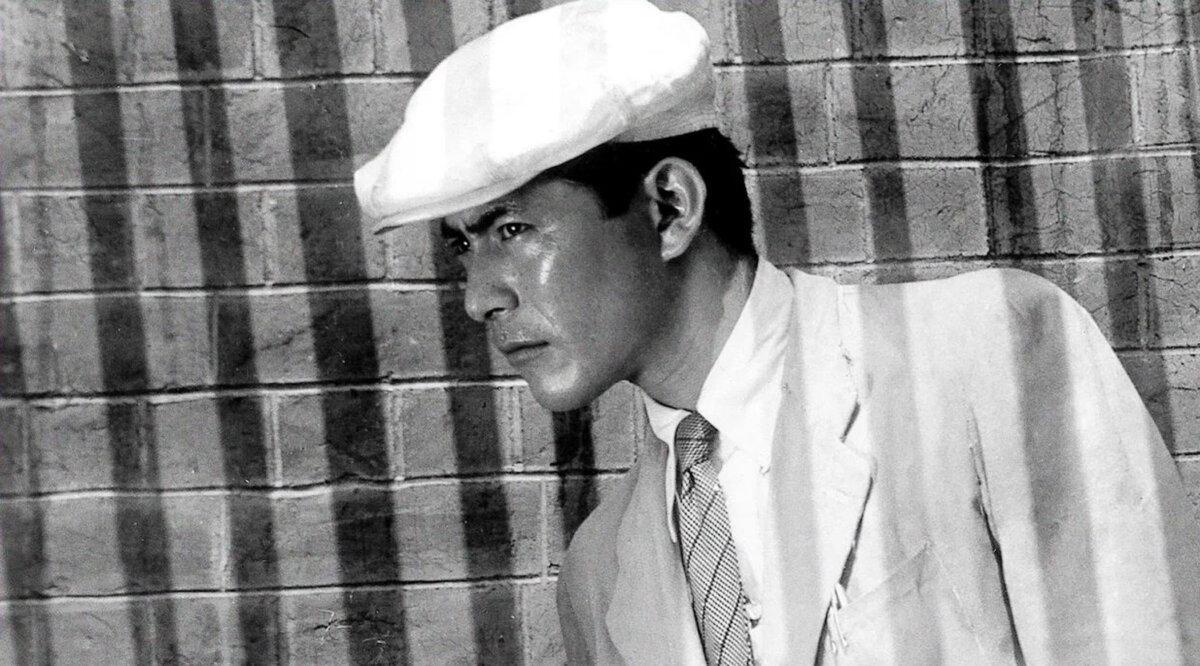
What sets this groundbreaking film apart isn’t just its pacing or composition, but how it moves, restless and searching like its characters. There’s no sweeping orchestration to guide the suspense. There’s only the unrelenting hum of summer, the sound of footsteps on cracked asphalt, and the sneaking suspicion that justice isn’t so easily served.
A Slow Burn
When young Homicide Detective Murakami (Toshiro Mifune) loses his service pistol, it sets off detective work that runs far deeper than paperwork and protocol. Alone at first, he starts combing the underbelly of postwar Tokyo. He slips into its humid maze of alleys, cheap inns, and gray market stalls, hoping to track the weapon before it’s used for a bad end.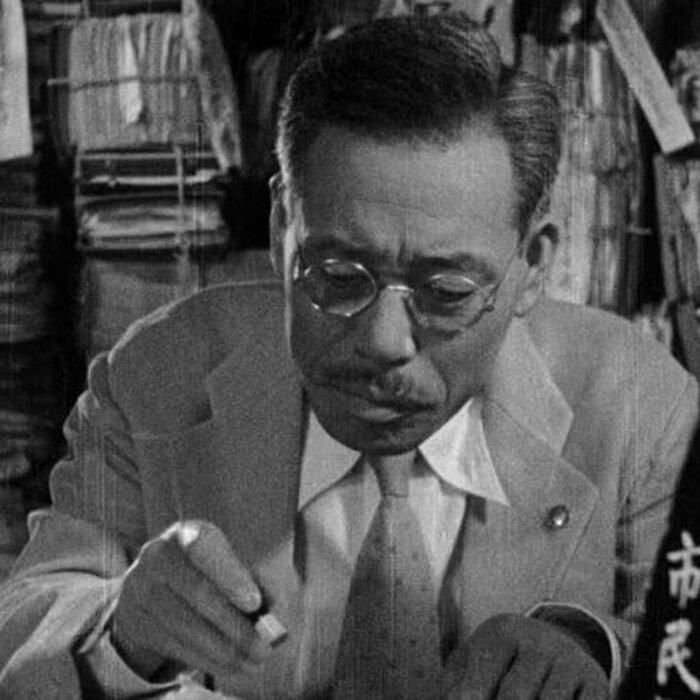
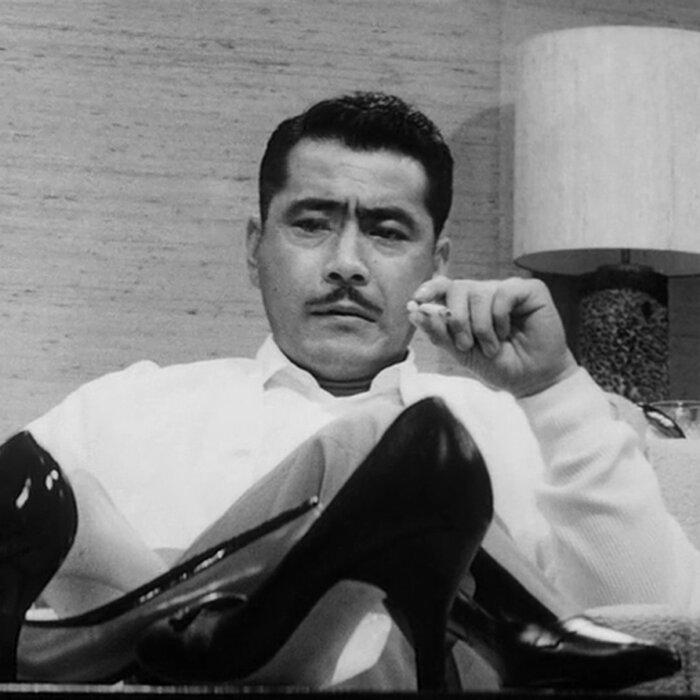
It’s not just the loss, it’s what the loss begins to mean. The days wear on. The city doesn’t offer answers, just noise, heat, and a thousand eyes that look past him. Guilt begins to settle in, not from anyone scolding him, but from the growing possibility that his mistake has already caused irreversible harm.
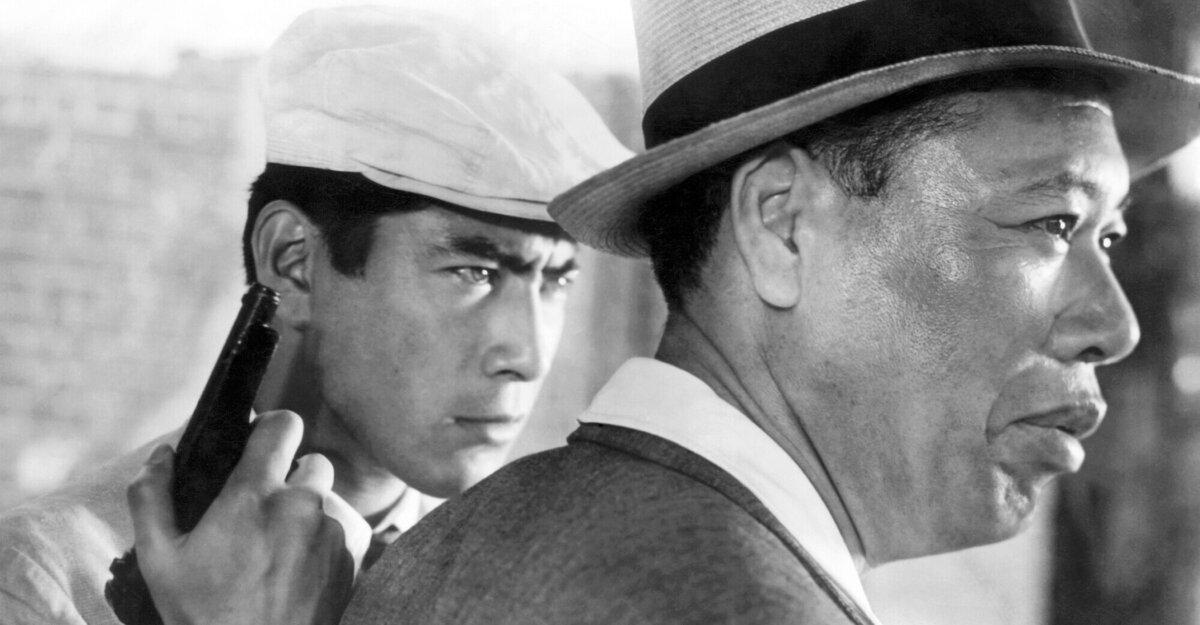
He’s eventually joined by Chief Detective Sato (Takashi Shimura), an older, more grounded officer who doesn’t pity Murakami; he walks beside him, offering a steadier rhythm to the chase. The two begin threading together a map of desperation: veterans turned wanderers, youth with no futures, citizens navigating a world with no guarantees.
Fracture and Survival
“Stray Dog” simmers under the scorching postwar sun. It trades gunfights for grit and sweat-soaked streets. The tension lies in the creeping sense of losing control over a weapon, over a city, and over oneself. The missing pistol becomes a symbol of slipping order, a baton passed from hand to hand through a fractured society.What really sets this film apart is its unflinching realism. Kurosawa’s camera drifts like a ghost through the cramped, sunbaked alleys, rundown markets, and shadowy rooms of Tokyo. It captures a city that feels bruised and barely holding itself together. The oppressive atmosphere seeps into the skin, making every glance and every step feel exhausting.
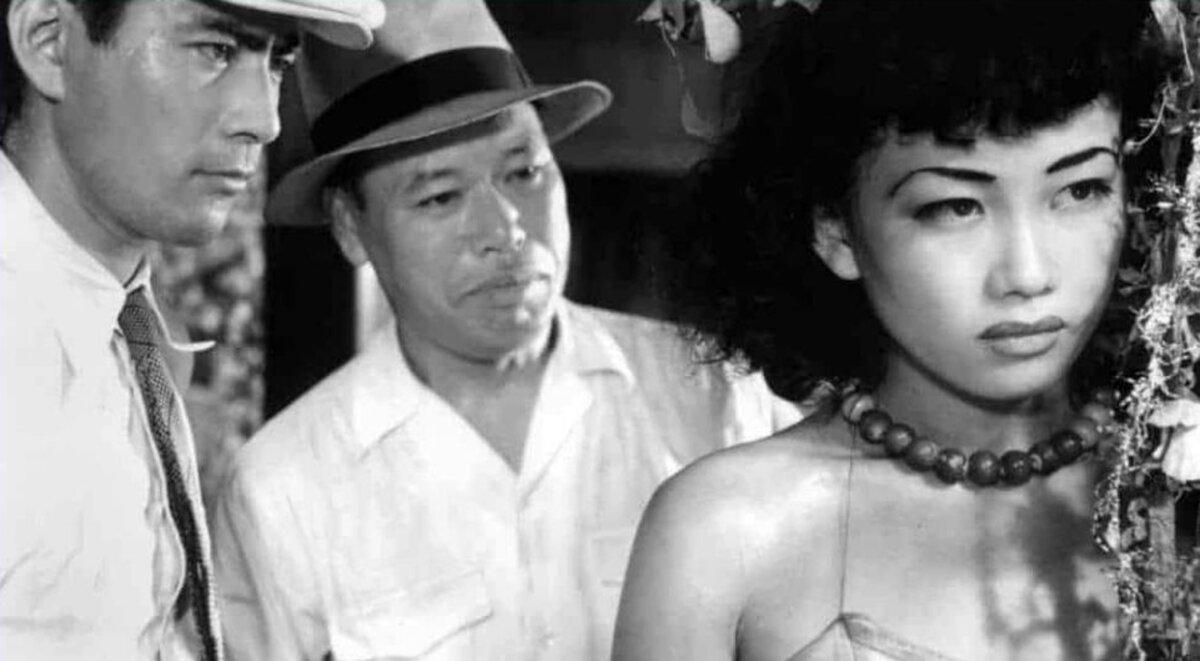
The crux of the story is Murakami’s slow unraveling. He isn’t the flawless hero charging into danger that he initially appears to be. Rather, he’s a young cop bogged down by guilt and self-doubt, stumbling through a maze that mirrors his own fractured spirit.
Kurosawa resists grand gestures or melodrama. He lets the calmer moments, the heavy silences, the nervous glances, and the glistening sweat do the heavy lifting. It’s a film that trusts its audience to feel the unseen and to catch the undercurrents beneath the surface.
Amid all of the gravity, a dry humor sneaks through. Murakami’s frantic, almost desperate search, the endless sweat-drenched shirts, and Sato’s unshakable calm create a kind of odd-couple dynamic that feels surprisingly warm. A subtle levity steadies the film, allowing its more intense emotional beats to land with greater impact.
Postwar Japan was a nation still raw, struggling to reassemble its shattered identity. Just a few years earlier, in September 1945, Emperor Hirohito had signed Japan’s formal surrender, casting the nation into an uneasy peace. The country was also still under Allied occupation (1945–1952) at the time of the film’s production. This film captures that precarious moment with unflinching honesty, the collective anxiety of a displaced populace hanging thick in the heat-drenched air.
When the case closes, the story doesn’t neatly tie up. It lingers like the fading heat of a summer’s day, a reminder that some wounds and some fears don’t simply disappear.
For all its sweat and grime, “Stray Dog” somehow leaves the viewer believing that maybe, just maybe, holding on is possible, even when everything feels like it’s slipping away.