The financial markets go up and down. But sometimes, they really go down and cross into what is known as bear market territory.
A bear market is defined as a decline of 20 percent or more from previous highs in a major stock market index such as the S&P 500, Dow Jones Industrial Average, or Nasdaq Composite. Because this raises negative sentiment among investors who expect further losses, bear markets are often sustained and associated with panic selling.
Remember, It’s Only Temporary
Bear markets are normal segments of market cycles, and the market always tends to recover. In fact, many bear markets have historically lasted only a few months.Stay the Course
You may want to keep investing in quality companies you believe in. Seek those with strong balance sheets, low debt, and a history of strong earnings. Even if their shares have dropped slightly, these companies could have the capacity to recover and come back roaring. And in such a case, you’d be buying these stocks at a premium.You could also explore sectors that historically have remained resilient during bear markets. These include consumer staples, utilities, and health care. You could invest in index funds or exchange-traded funds (ETFs) that track these specific industries. Index funds and ETFs are professionally managed and hold various stocks from different companies. They offer instant diversification.


Consider Dollar-Cost Averaging
Dollar-cost averaging involves investing a fixed amount of money at regular intervals regardless of market conditions.Rebalance Your Portfolio
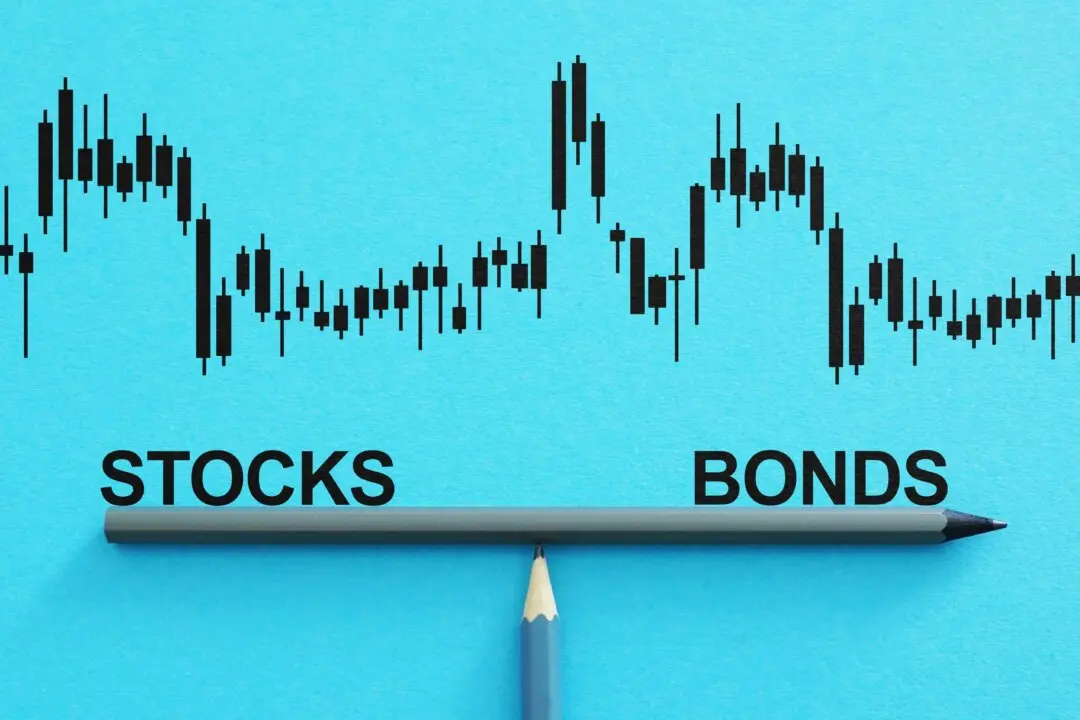
During a bull market, your stocks may have plummeted as your bonds have grown. This throws your intended asset allocation out of balance and increases risk. To regain balance, you may need to sell some stocks and use the proceeds to purchase more bonds.Keep Saving for Retirement
During a bear market, it may be tempting to empty your retirement nest egg. But this can come with major risks. Withdrawing money from a 401(k) or IRA before reaching age 59 1/2 triggers income taxes and a 10 percent tax penalty. Plus, your nest egg won’t benefit from compound interest when the market recovers.You may also be moved to stop investing in your retirement portfolio. But remember, the markets recover, and what drives saving for retirement is a sound long-term approach.
The Bottom Line
A bear market can put you in panic mode. It’s stressful to see your investments take a nosedive. But remember why you started investing in the first place. And remember that bear markets don’t last forever. They are often preceded by bull markets, which typically last longer. So, panic selling could lock in losses and prevent you from enjoying the next boom.Instead, take a strategic approach. Maintain a well-balanced and diversified portfolio. Consider investments such as bonds, dividend-paying stocks, safe sector stocks, and robo-advisers. Overall, stay the course.