NR | 3h 27m | Epic, Action, Drama | 1956
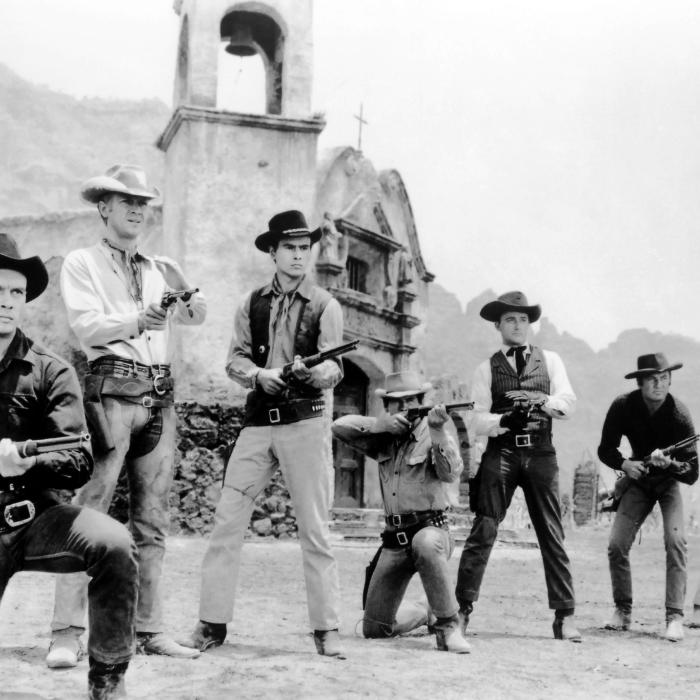
I’ve long been known as a champion of the American Western, particularly the classics. My introduction to the genre wasn’t through tumbleweeds or six-shooters, but through samurai armor and rice fields. Akira Kurosawa’s “Seven Samurai” (1954) was the film that first drew me in.
At the time, I was studying the Japanese language and culture and watching every kind of movie except Westerns. I took in science fiction, thrillers, war dramas—anything that mixed grit with philosophy. As a military veteran, I am naturally drawn to themes of brotherhood and survival, and “Seven Samurai” captured that perfectly.
Most surprising is that Kurosawa was inversely influenced by American Westerns, particularly the works of John Ford. Ford’s films carried the same storytelling rhythm—an emphasis on honor, community, and the measure of a man under pressure.
It’s fascinating to see how influence ripples through film history. George Lucas once admitted that Kurosawa’s “The Hidden Fortress” (1958) helped shape “Star Wars,” even inspiring him to frame the story through the eyes of two seemingly insignificant characters.
Courage in the Sengoku Era
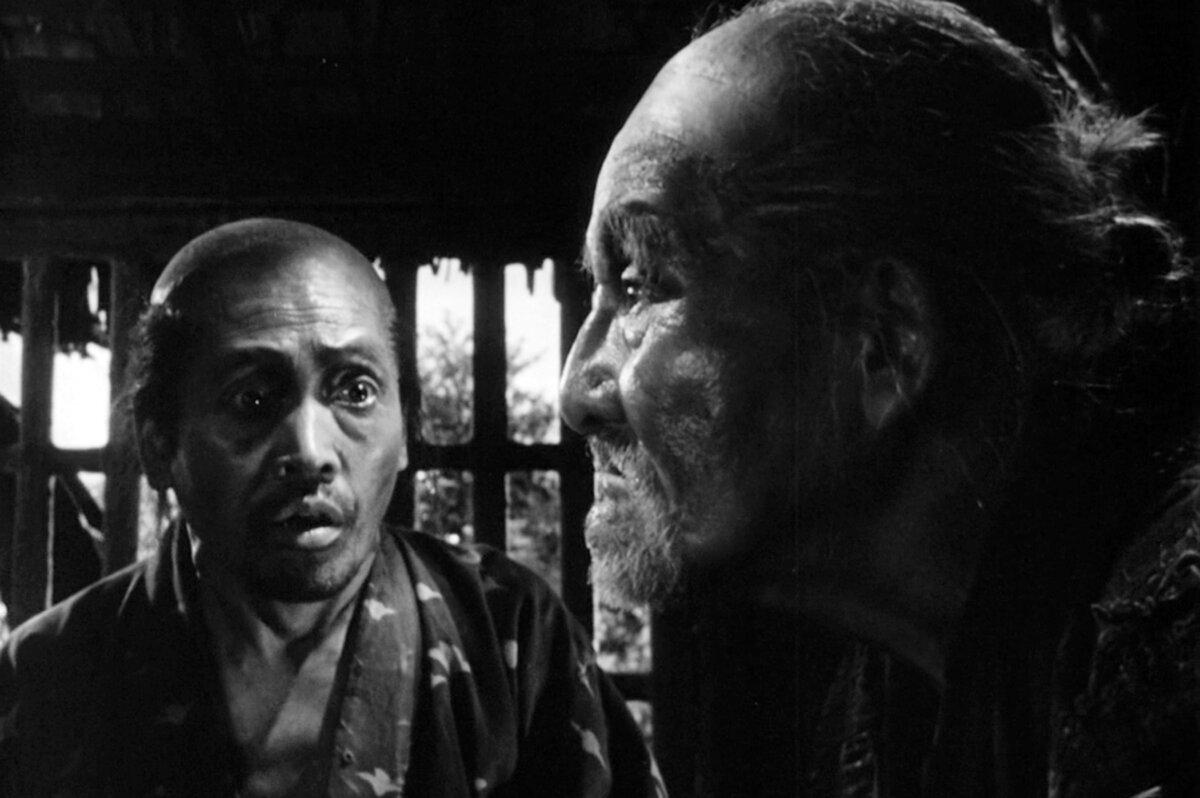
Japan’s turbulent Sengoku period was a time when warlords clashed and villages often paid the price. In this film, a small farming community finds itself trapped in a cruel cycle. Each harvest season, a band of ruthless marauders swoops in to steal villagers’ crops and peace of mind.Desperation drives the villagers to seek help from their elder, Gisaku (Kokuten Kodo). Gisaku offers a bit of homespun wisdom: If they can’t buy protection, they should look for samurai who are as hungry as they are. With nothing to offer but rice and hope, a few villagers set off for the local town to find warriors willing to fight for grub instead of gold.
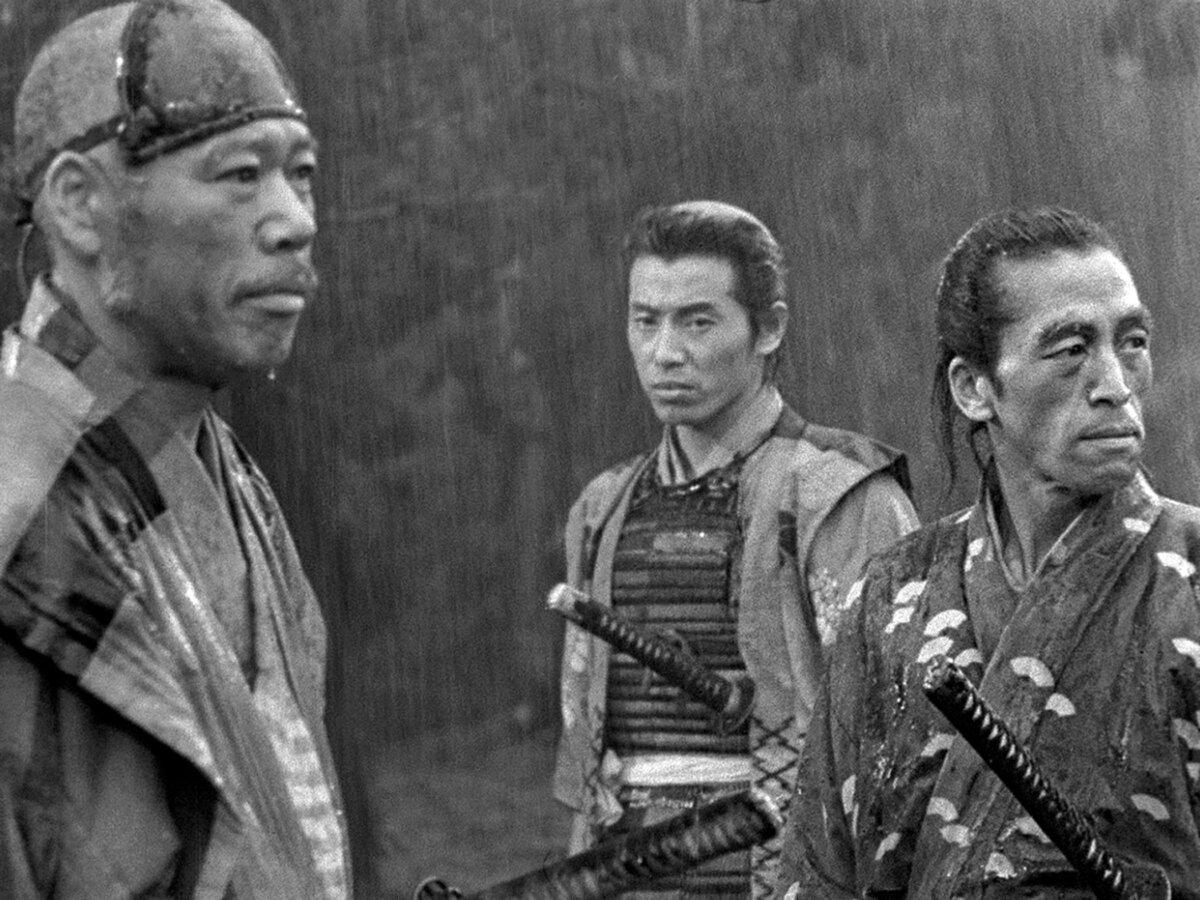
Their search leads them to Kambei Shimada (Takashi Shimura), a quick-thinking battle-worn ronin with a shaved head. He earns the villagers’ instant respect when they see him rescue a kidnapped child.
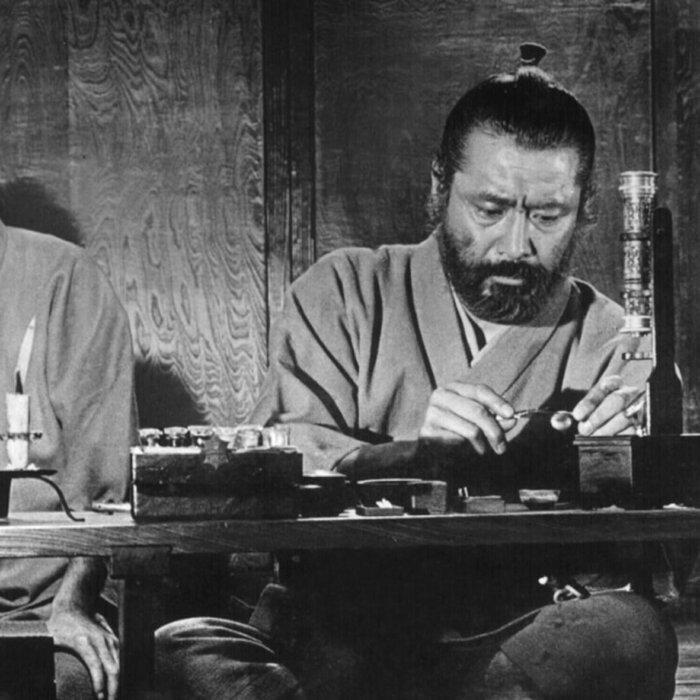
Kambei gathers a band of seven warriors, each distinct in spirit and skill: Gorobei (Yoshio Inaba), the level-headed tactician; Shichiroji (Daisuke Kato), a loyal old friend; Heihachi (Minoru Chiaki), the cheerful morale booster; young Katsushiro (Isao Kimura), eager to prove himself; Kyuzo (Seiji Miyaguchi), a deadly swordsman who speaks through action; and Kikuchiyo (Toshiro Mifune), a loud, unpredictable troublemaker who claims to be a samurai. Together, this ragtag team accepts the challenge of defending a village that can barely feed them.
Back in the mountain village, training begins. Villagers with bamboo spears stumble through drills while the samurai hammer fences, dig moats, and gradually learn more about those they have sworn to protect.
A Production Tour de Force
It’s hard to talk about “Seven Samurai” without sounding like one of those people who can’t stop quoting film school textbooks, but there’s a reason everyone still talks about it. Kurosawa didn’t just make a samurai movie. He made the samurai movie that would shape action cinema for decades.His direction feels alive. The scenes constantly shift between intimate character moments and massive battle sequences that somehow feel handcrafted instead of choreographed. At over three hours long, the story moves with surprising pep.
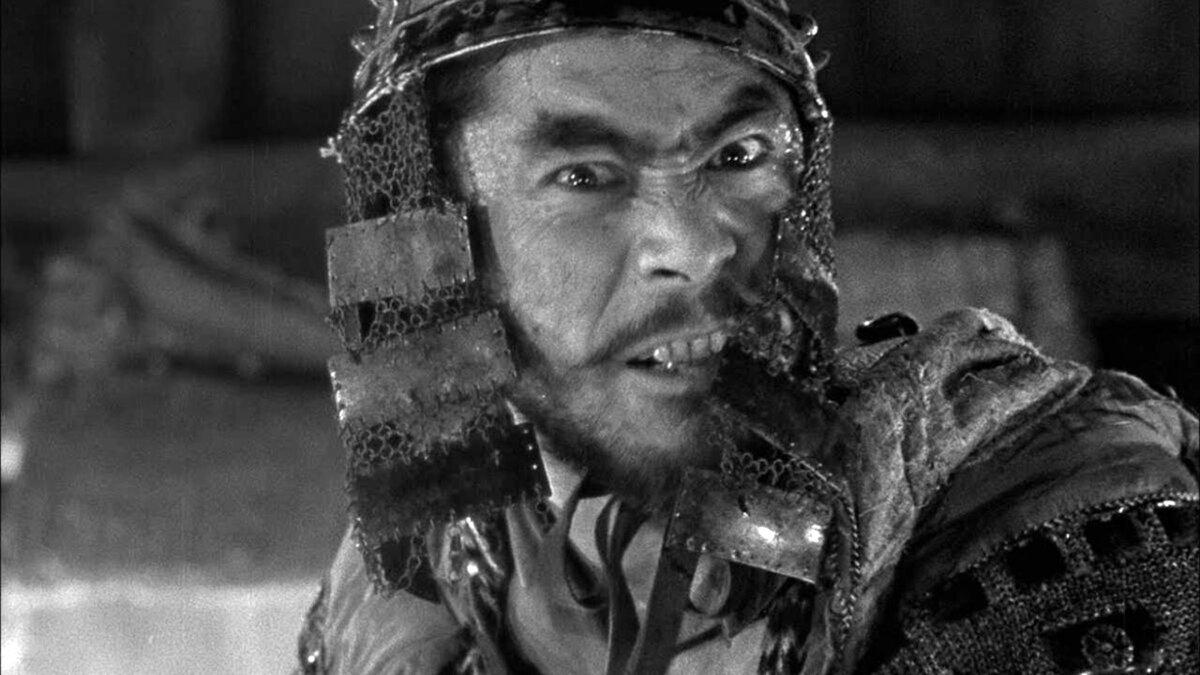
Kurosawa’s control of the frame is unreal. Every raindrop, gust of wind, and splash of mud seems perfectly timed, and yet never feels staged. He shoots scenes like a general mapping out a campaign, but the result feels organic. The multi-camera setups and crisp cutting make the action clear instead of muddled.
Of course, none of it works without that perfect ensemble. Shimura plays Kambei with the eerie calm of a man who has seen every kind of disaster twice. His leadership isn’t loud or commanding; it’s the sort of presence that makes everyone stop talking and start thinking.
Then there’s Mifune’s Kikuchiyo, who charges through his scenes like a drunken comet, part warrior, part stand-up act, part tragic fool. Watching those two together is like watching two sides of the same coin. One is polished by experience, and the other is dented by rage and wounded pride. Kurosawa loved both characters equally, and it shows in every frame.
Most interesting is how the film flips the genre on its head. These aren’t perfect warriors from some heroic code. Instead, they’re people who argue, joke, doubt, and occasionally question what they’re fighting for.
The villagers aren’t blameless either, and Kurosawa doesn’t let anyone off easily. By the time the dust settles, you realize this isn’t about glory or revenge. It’s about survival, teamwork, and maybe a little bit of dignity in a world that doesn’t make much sense.
It’s rare to call a film this old “fun,” but that’s exactly what it is. For all its philosophy and artistry, “Seven Samurai” still manages to be a great watch. Its mix of gravitas, humor, and heart is a reminder why movies matter in the first place.
Kurosawa may have set out to make an adventure story, but he ended up with a timeless epic that shows what courage looks like when it’s running on empty.