Founding the Franklin Institute
In 1820, Merrick partnered with a Mr. Agnew to begin a manufacturing business that built fire engines. The goal was to improve on the existing engines, and, from all accounts, it appears the business was successful. In fact, numerous professors at local colleges exhibited these engines to demonstrate mechanical technology and teach students how to properly build engines.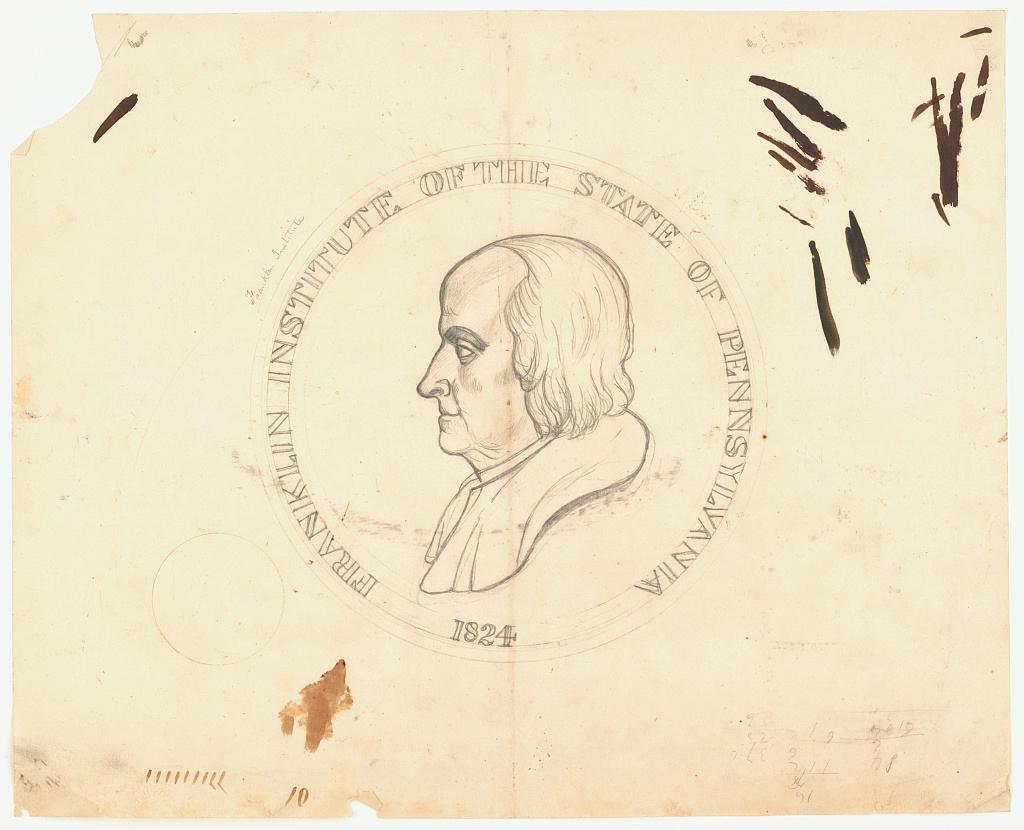
The former merchant apprentice was now all-in on the mechanical industry. He hoped to join a local mechanics guild, but, when he was denied entry, he decided to start his own group. He joined forces with William H. Keating, a member of the American Philosophical Society and professor of chemistry and mineralogy at the University of Pennsylvania. Together established, arguably, their greatest legacy with the founding of The Franklin Institute on Feb. 5, 1824.
A Legacy on the Oceans
Looking to broaden his reach in the manufacturing industry, Merrick partnered with John H. Towne to establish the firm, Merrick & Towne. The firm then founded Southwark Iron Foundry in the mid-1830s, which, according to the Pennsylvania Biographical Dictionary, became “the best shop of its kind in the country.”Southwark specialized in building steam engines and boilers, especially after acquiring the rights in 1846 to manufacture the steam hammers patented by Scottish engineer James Nasmyth. In 1847, Towne left the firm, and the name changed to Merrick & Son and then Merrick & Sons after both sons, John and William, joined the firm.
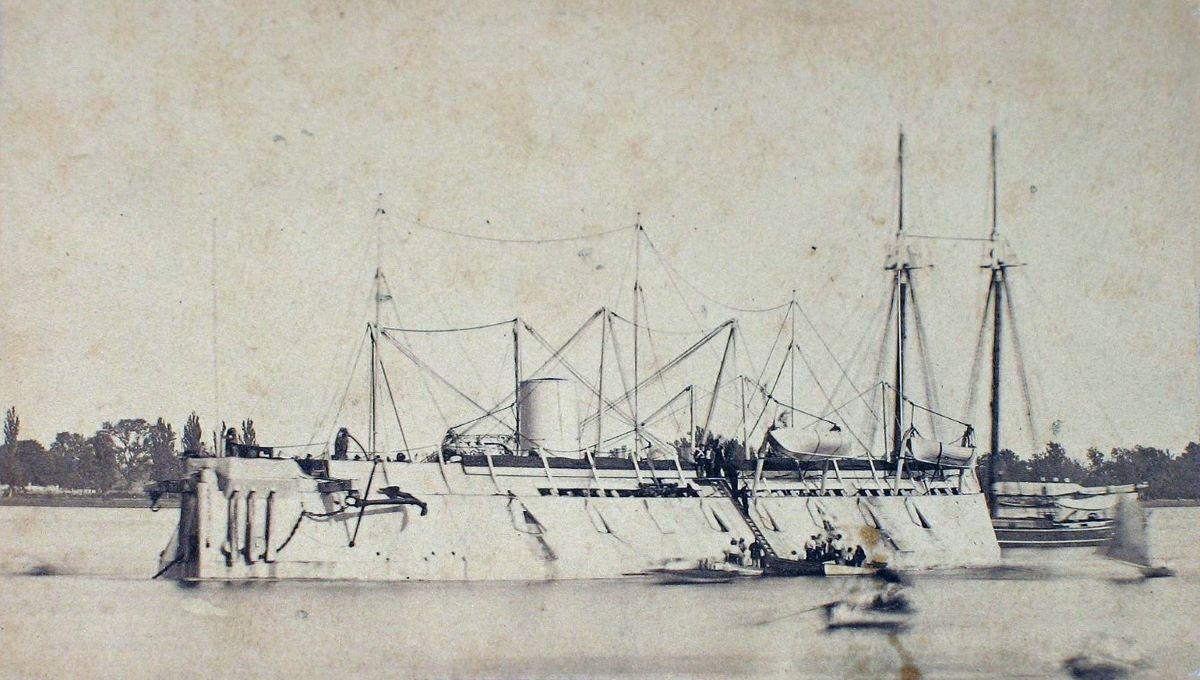
New Ironsides, launched in 1862 by Merrick & Sons, was an ironclad steam vessel that contributed to the blockade of the Confederacy during the Civil War, as part of the South Atlantic Blockading Squadron, later the North Atlantic Blockading Squadron, and, toward the end of the war, as part of the final operations against Richmond, Virginia.
A Legacy on the Rails
Along with founding The Franklin Institute and his successful businesses, he did indeed prove to be a “propelling element of progress.” The adopted son of Philadelphia played a pivotal role in introducing illuminating gas into the city. His greatest contribution to Pennsylvania, though, was his leadership with the state’s growing railroad industry.In 1846, the Pennsylvania Railroad received its charter, and, on March 31, 1847, the board chose Merrick to be its first president. By the time the Pennsylvania Railroad became a player in the industry, the numerous U.S. railroads had been in stiff competition with each other for many years. This fact was not lost on the railroad’s investors, nor on Merrick, who made the issue of competition very clear.
“To obtain it a portion of your earnings must be devoted to open the highway. Once open, it will maintain and enlarge itself. Railroads and Canals have built up New York; and so well convinced are the citizens of their value, that they are now making a third avenue to the lakes, both the others being crowded with trade. Boston has been built up by the same means, and if we expect to maintain our position, we must follow their example.”
Merrick remained president of the railroad until Sept. 1, 1849, when private business concerns forced him to resign. The board “reluctantly” accepted the resignation, but retained him as a director to ensure the company continued to benefit from his “enlarged experience, sound judgment, and thorough acquaintance with the work.”
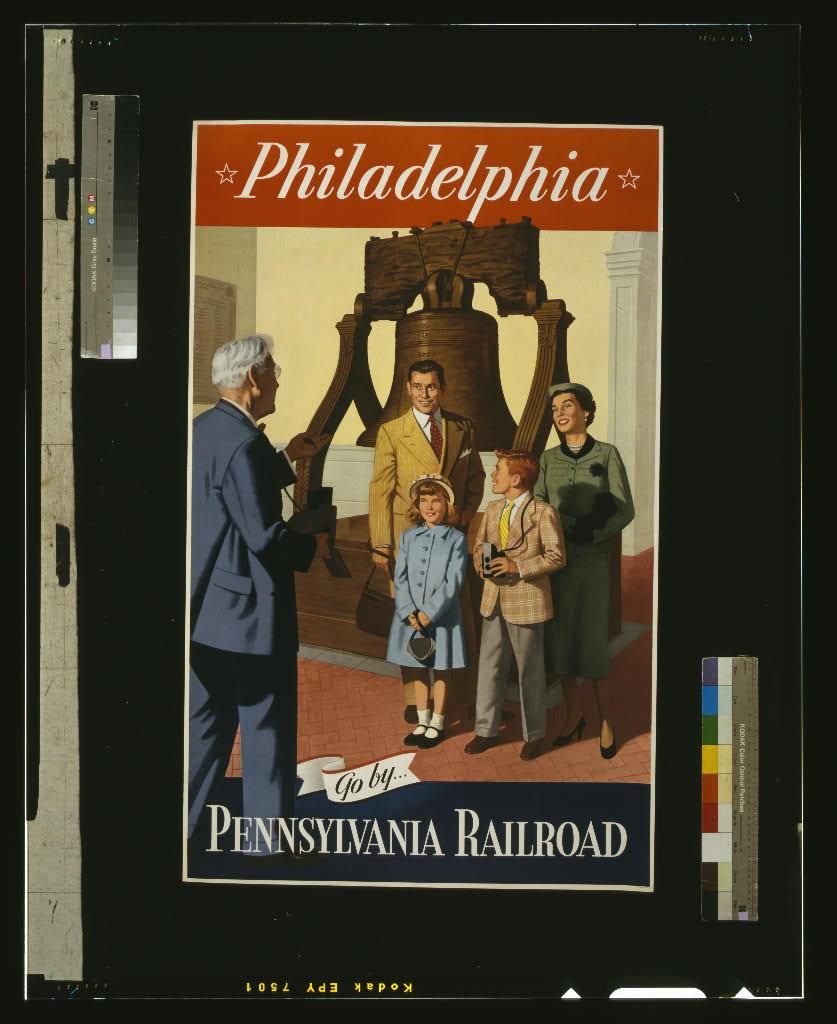
Other railroad companies in Pennsylvania desired Merrick’s leadership. He became president of the Sunbury and Erie Railroad, which was founded nearly a decade before the Pennsylvania, and later merged with the Pennsylvania Railroad in 1907. He also was president of the Catawissa Railroad, which later became part of Reading Railroad.
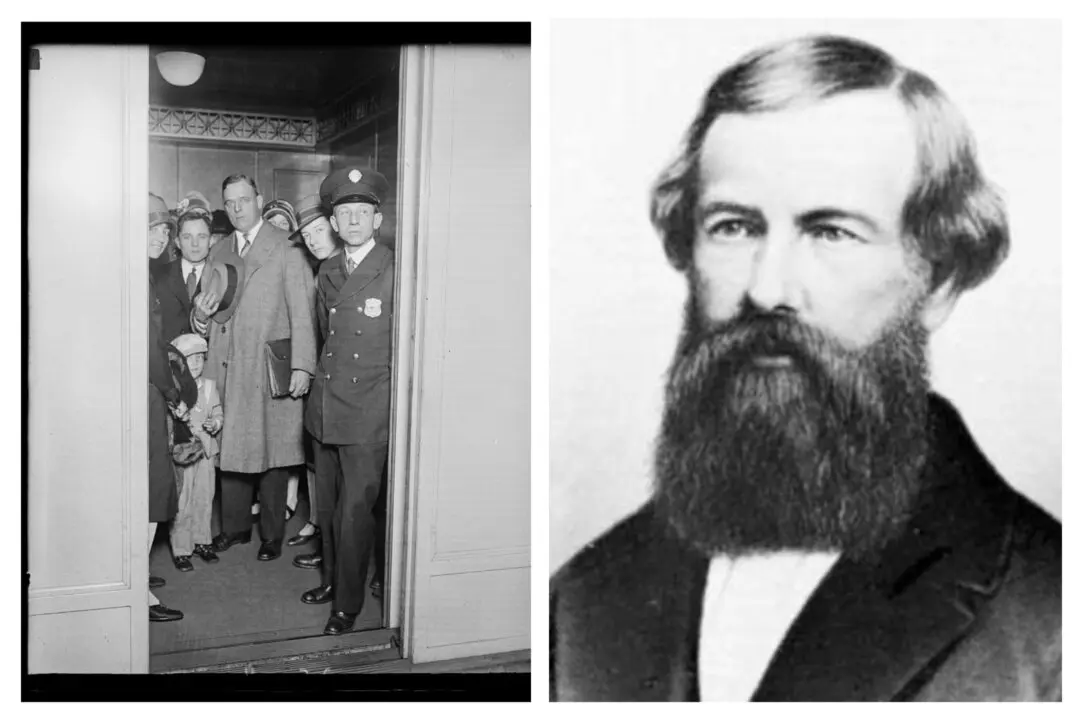
From ships and railroads to business and philosophy, by the time of Merrick’s death in 1870, the mechanic who became a “propelling element of progress and a leavening element of good” had left his mark on Pennsylvania and American history. Interestingly, part of his legacy lived on through his sons, one of whom, John, became president of The Franklin Institute in 1868.