The Civil War inspired a wealth of songs. It arguably produced more patriotic pomp and circumstance than any other American military conflict because both sides considered themselves American. The man most responsible for penning these rousing tunes was American composer George Frederick Root.
‘The First Gun Is Fired’
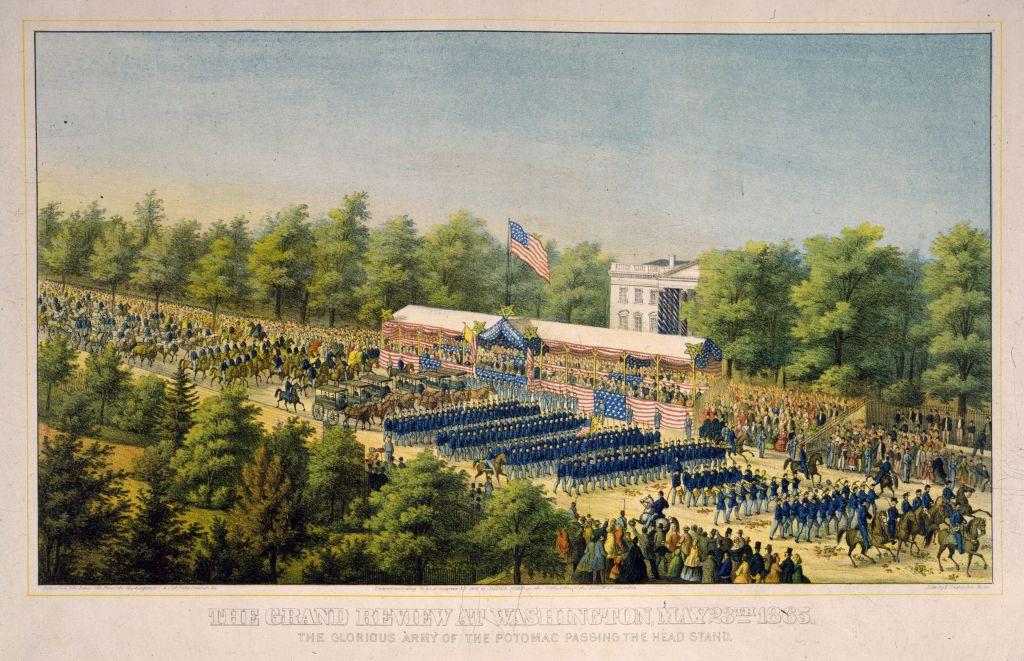
The title signals the beginning of a conflict, and, indeed, this was the first song written about the Civil War. The full title is “The First Gun Is Fired, May God Protect the Right.” Root wrote it in response to the 1861 attack on Fort Sumter, South Carolina, early in Abraham Lincoln’s presidency. The attack marked the start of the war between the Northern and Southern states over slavery, a conflict that had been brewing for decades.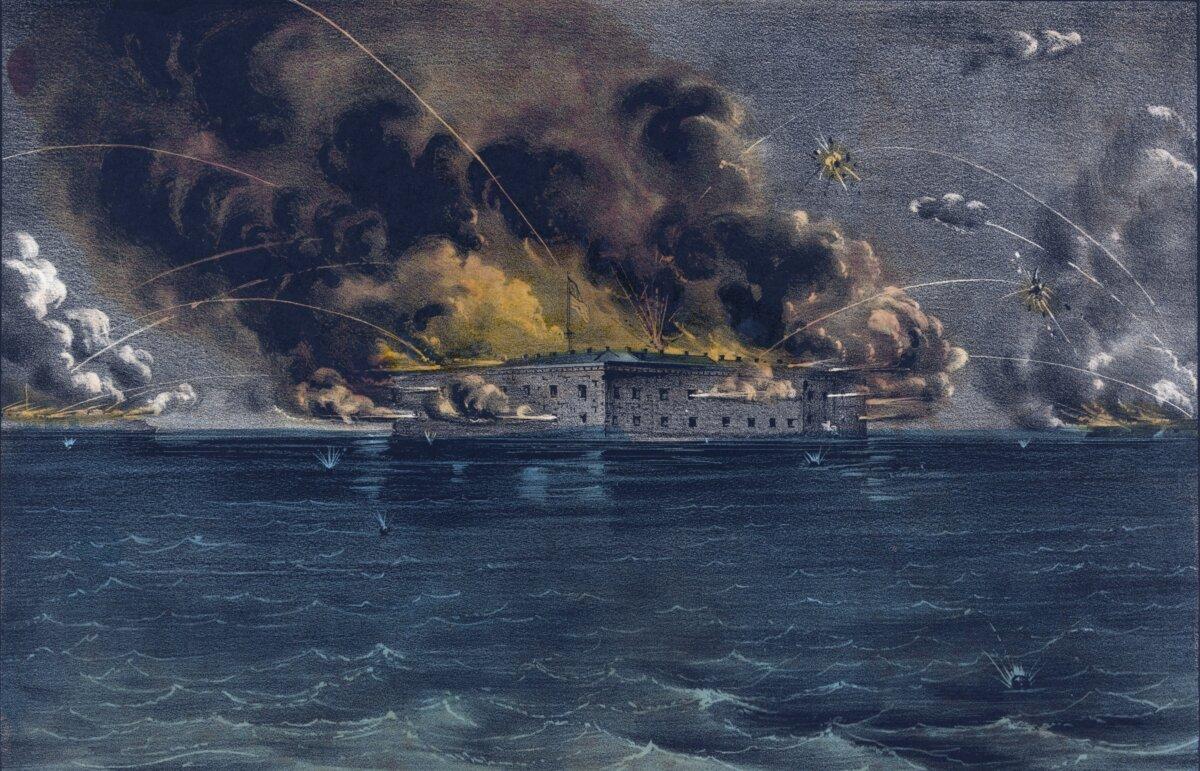
Although he often paired his compositions with others’ lyrics, Root wrote both the words and music for this song. It was published on April 15, 1861, by Root & Cady, the Chicago music publishing house where Root had become a partner the year before. Although his surname was in the company name, the original Root was his brother, E.T. Root.
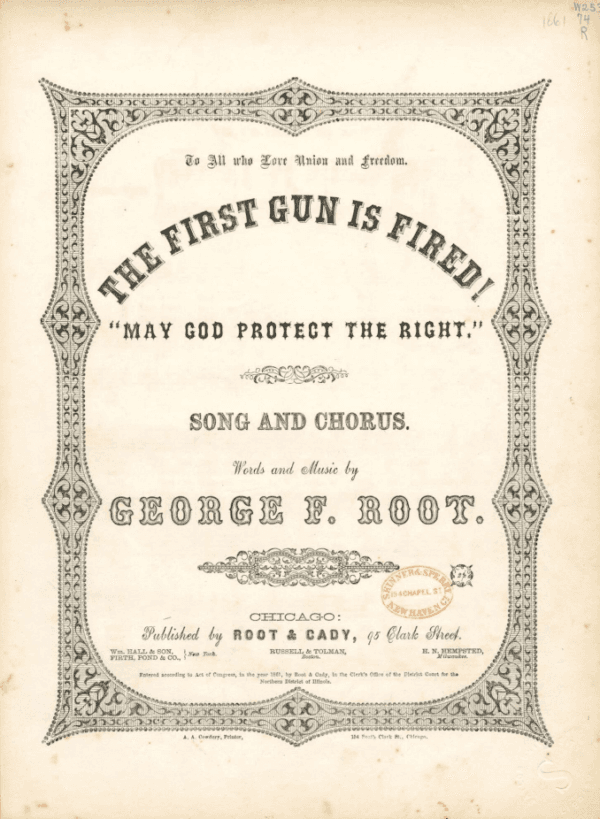
The first gun is fired! May God protect the right! Let the freeborn sons of the North arise In power’s avenging might; Shall the glorious Union our fathers made, By ruthless hands be sunder'd, And we of freedom sacred rights By trait‘rous foes be plunder’d?
CHORUS Arise! arise! arise! And gird ye for the fight, And let our watchword ever be, ‘May God protect the right!’
‘The Battle Cry of Freedom’
“The Battle Cry of Freedom” was written in 1862, with both words and music by Root. It’s sometimes called “Rally ‘Round the Flag” after its most memorable refrain. Although “The Battle Hymn of the Republic” is now most commonly associated with the Union Army, “The Battle Cry of Freedom” united Northern troops and civilians alike in the war’s early days.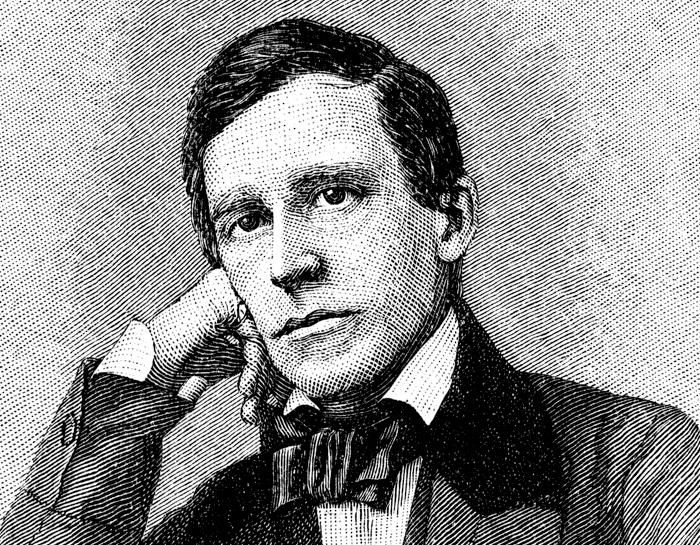
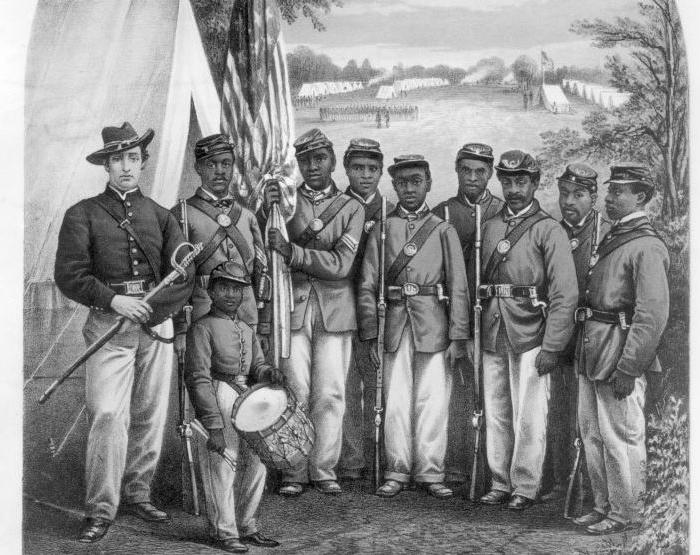
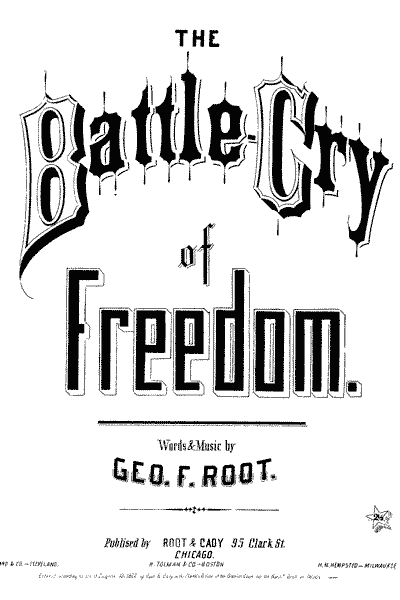
Yes we'll rally round the flag, boys, We'll rally once again, Shouting the battle-cry of freedom; We will rally from the hill-side, We will gather from the plain, Shouting the battle-cry of freedom!
CHORUS The Union forever! Hurrah, boys, hurrah! Down with the Traitors, up with the Stars; While we rally round the flag, boys, Rally once again, Shouting the battle-cry of freedom!
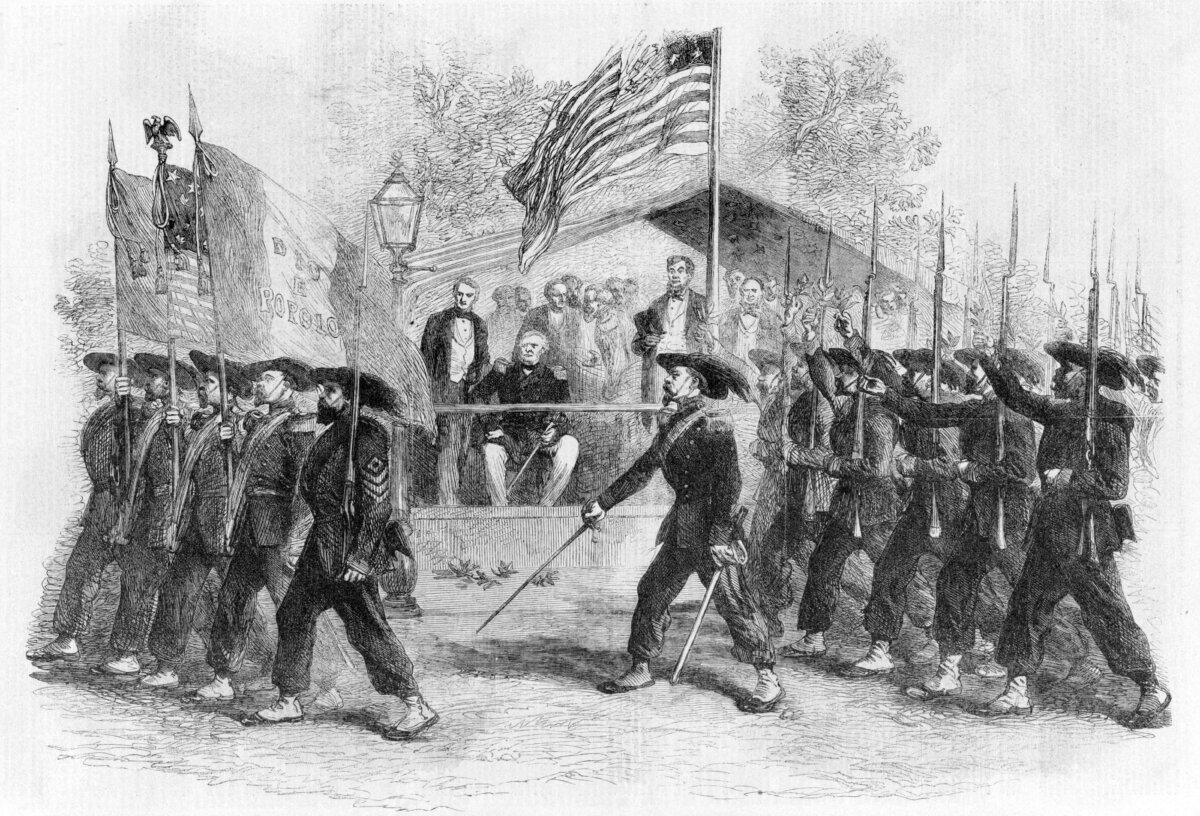
This song was popular enough to be quoted by other prominent American composers. Louis Moreau Gottschalk even suggested that it should become the national anthem.The Lincoln-Johnson ticket in the 1864 election used it as a campaign song, with slightly altered lyrics. Later presidential campaigns followed suit.
‘Tramp! Tramp! Tramp!’
“Tramp! Tramp! Tramp!” was composed and published in 1864, as the never-ending days of the Civil War were disheartening the nation. Also called “The Prisoner’s Hope,” it was intended to encourage imprisoned Union soldiers. With words and music by Root, this song takes the form of a letter from a soldier to his mother, in which he expresses his homesickness before rallying his comrades.In the prison cell I sit, thinking, Mother, dear, of you, And our bright and happy home so far away, And the tears they fill my eyes ’spite of all that I can do, Tho' I try to cheer my comrades and be gay.
CHORUS Tramp! Tramp! Tramp! The boys are marching, Cheer up, comrades, they will come, And beneath the starry flag we shall breathe the air again, Of the free land in our own beloved home.
This tune’s themes of hoping for release and yearning for home were so poignant and universal that, again, Confederate soldiers created their own version, focusing on Gen. Robert E. Lee’s invasion of Pennsylvania. In later years, the popular melody was reused as a religious hymn and in political songs around the world.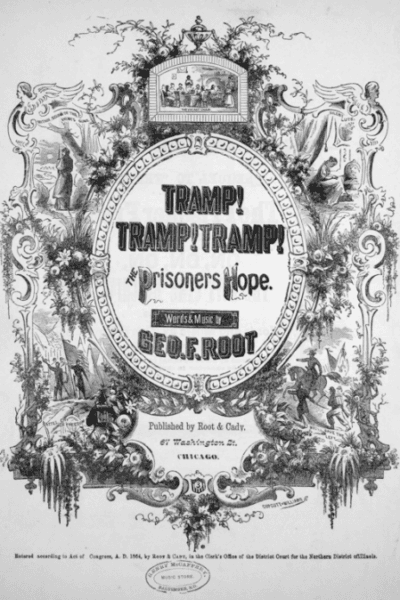
The Voice of the Civil War
Root had one of the most successful songwriting careers of the Civil War era. He received praise from Abraham Lincoln for his patriotic compositions. In his 1879 feature in Potter’s American Monthly, George Birdseye called him “one of the legitimate successors to the ‘Song Writer of America’ [Stephen Foster], in the hearts of the people.”These three songs helped unite the nation during its darkest days. That the Confederacy adapted Root’s popular tunes proves their universal appeal.