NR | 1h 30m | Western | 1953
Robert Taylor was one of MGM’s top stars during Hollywood’s Golden Age. He was married to the legendary Barbara Stanwyck and one of the most outspoken anti-communists in the industry. Taylor testified before the House Committee on Un-American Activities about communism in Hollywood (HUAC). He proudly stood for what he called “pro-freedom and pro-decency.”
Caught in Between
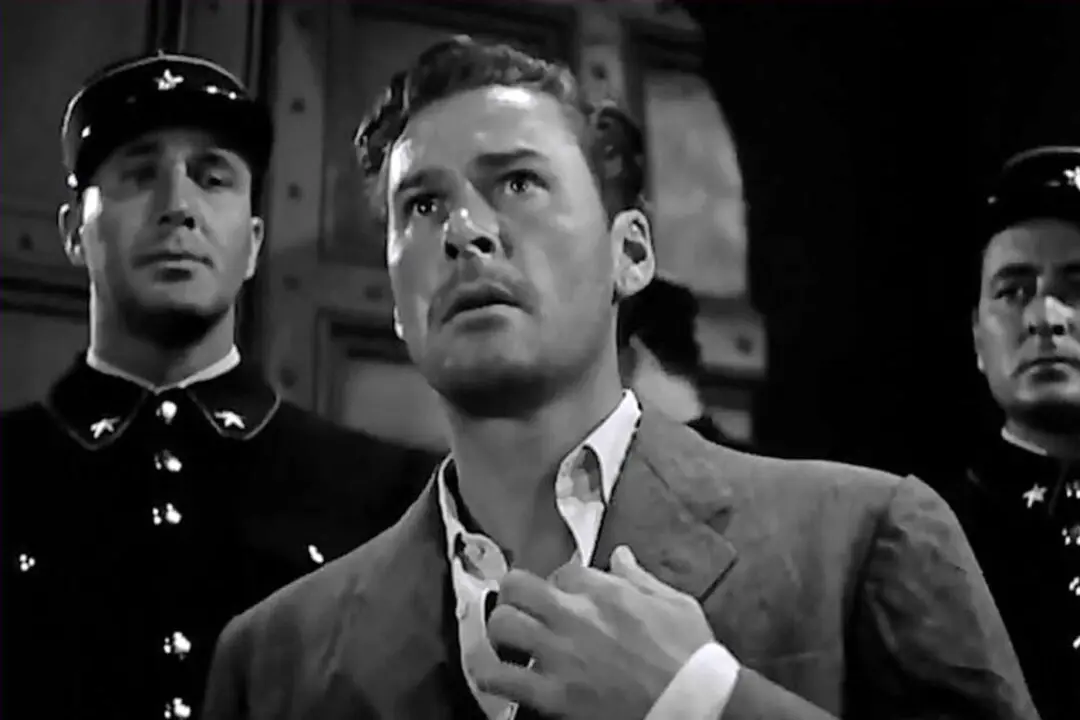
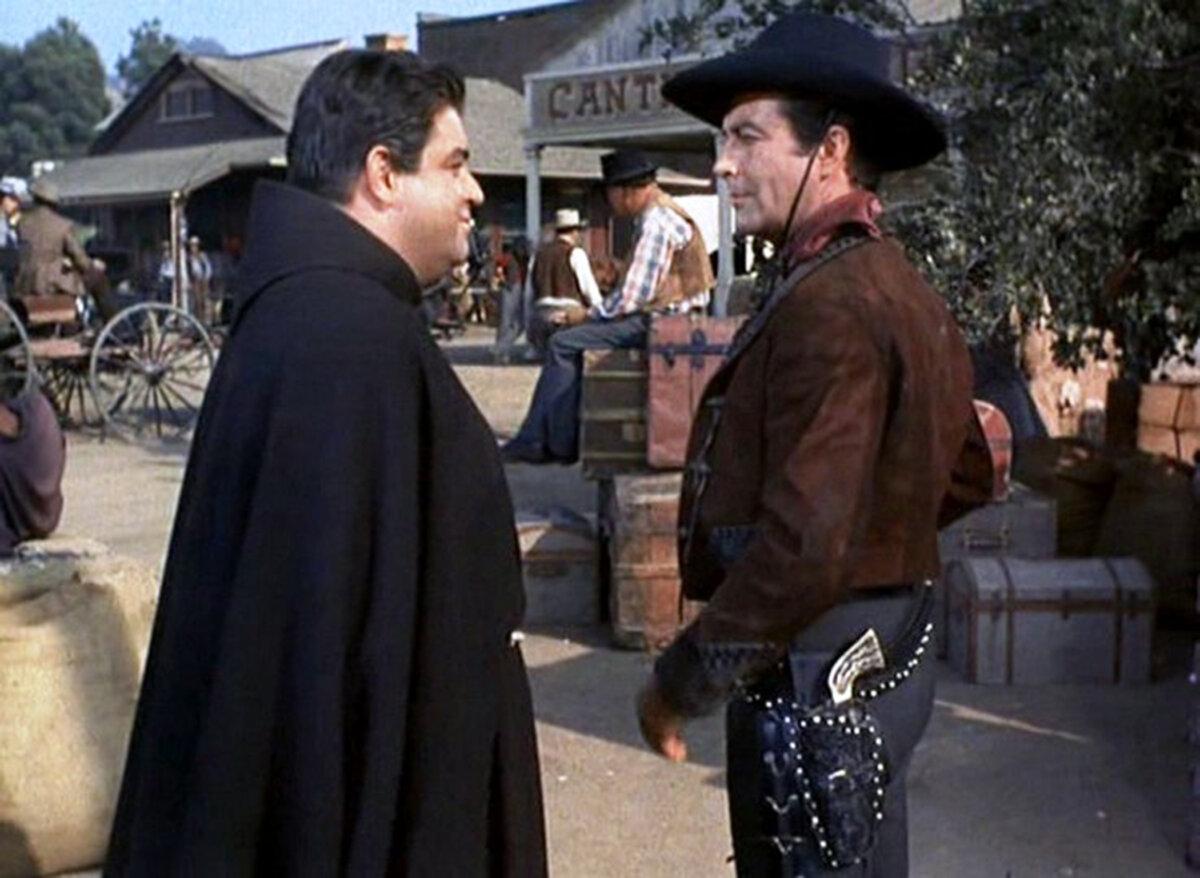
In “Ride, Vaquero!” (1953), Taylor rides straight into the dusty heat of Brownsville, Texas. Brownsville is so close to Mexico you could toss a rock across the Rio Grande and hit a different kind of legal system.It’s a place where property disputes come with bullets, and settling down means settling in for a fight. Taylor plays Rio, a gunman with a past, who works for outlaw Jose Esqueda (Anthony Quinn). Esqueda is determined to drive off the settlers carving up the land he considers his own.
Not only is Rio Esqueda’s right-hand man, but also his foster brother, raised under the same roof but shaped by different instincts. Rio enforces Esqueda’s will, until one raid goes sideways, and Rio is captured by rancher King Cameron (Howard Keel).
Rather than string him up, Cameron offers Rio a deal: help defend the land, or face a noose. Rio agrees, and the presence of Cameron’s elegant wife Cordelia (Ava Gardner) certainly doesn’t hurt. It’s not clear if he’s there to build fences or cross one.
For Esqueda, losing Rio is more than just the loss of a gunhand; it’s the fracture of a lifelong bond. But Rio has grown tired of Esqueda’s murderous ways. In Cameron’s offer, he sees a rare chance for a new life. Esqueda grows reckless, violence ignites along the border, and the local sheriff can only prepare for the storm to come.
Taylor’s Twilight Ride
Unfortunately, the script for “Ride, Vaquero!” feels like it was written during a siesta. There’s plenty of talking, but not much to keep one awake for much of its running time. Even a tooth extraction close-up and some saloon drama can’t quite snap things to life. The poor sound quality makes Quinn’s thick Mexican accent sound like his mouth is full of marbles.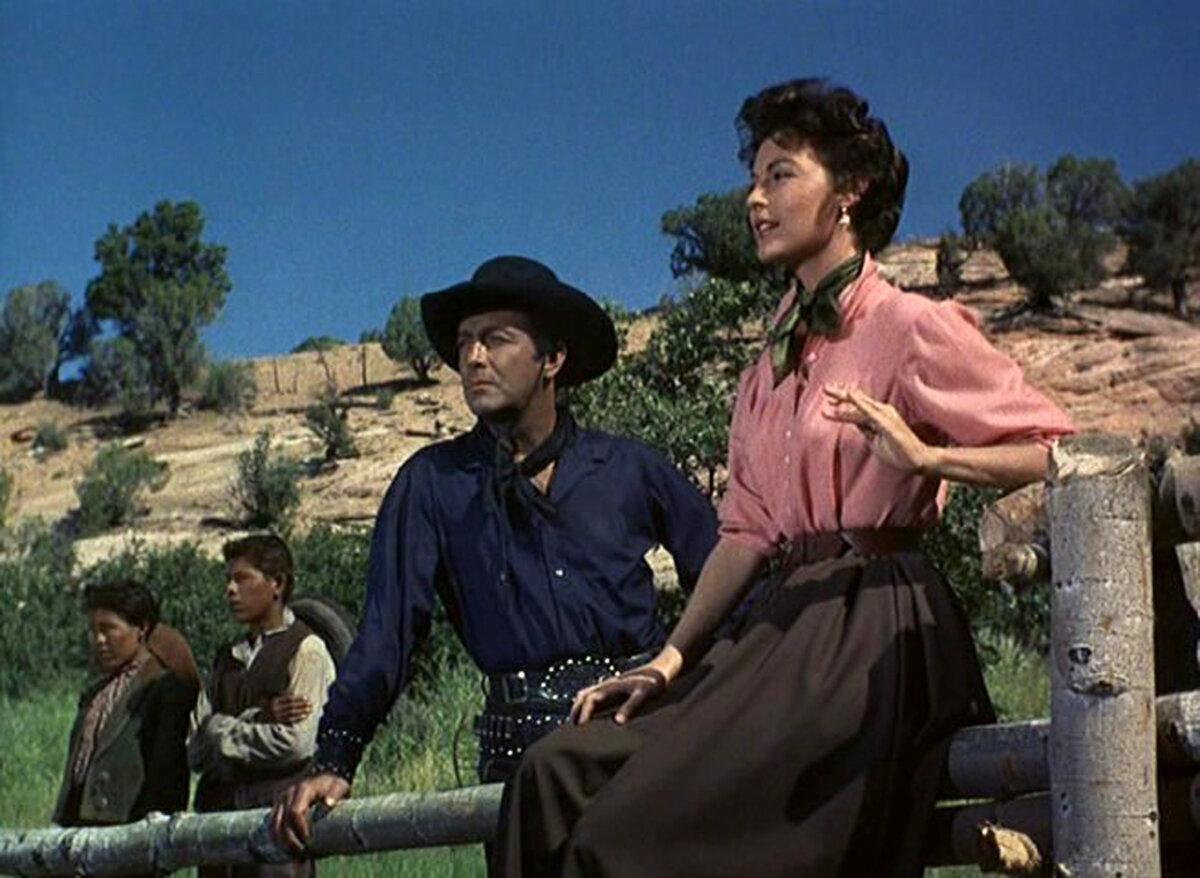
Director John Farrow tries to juggle some heavy themes—loyalty, desire, and the fight to hold onto what you’ve carved out with blood and grit. Taylor fits the bill as the stoic Rio, a man tired of Esqueda’s spiraling and wicked lifestyle, though his cold exterior leaves you guessing what’s really boiling beneath.
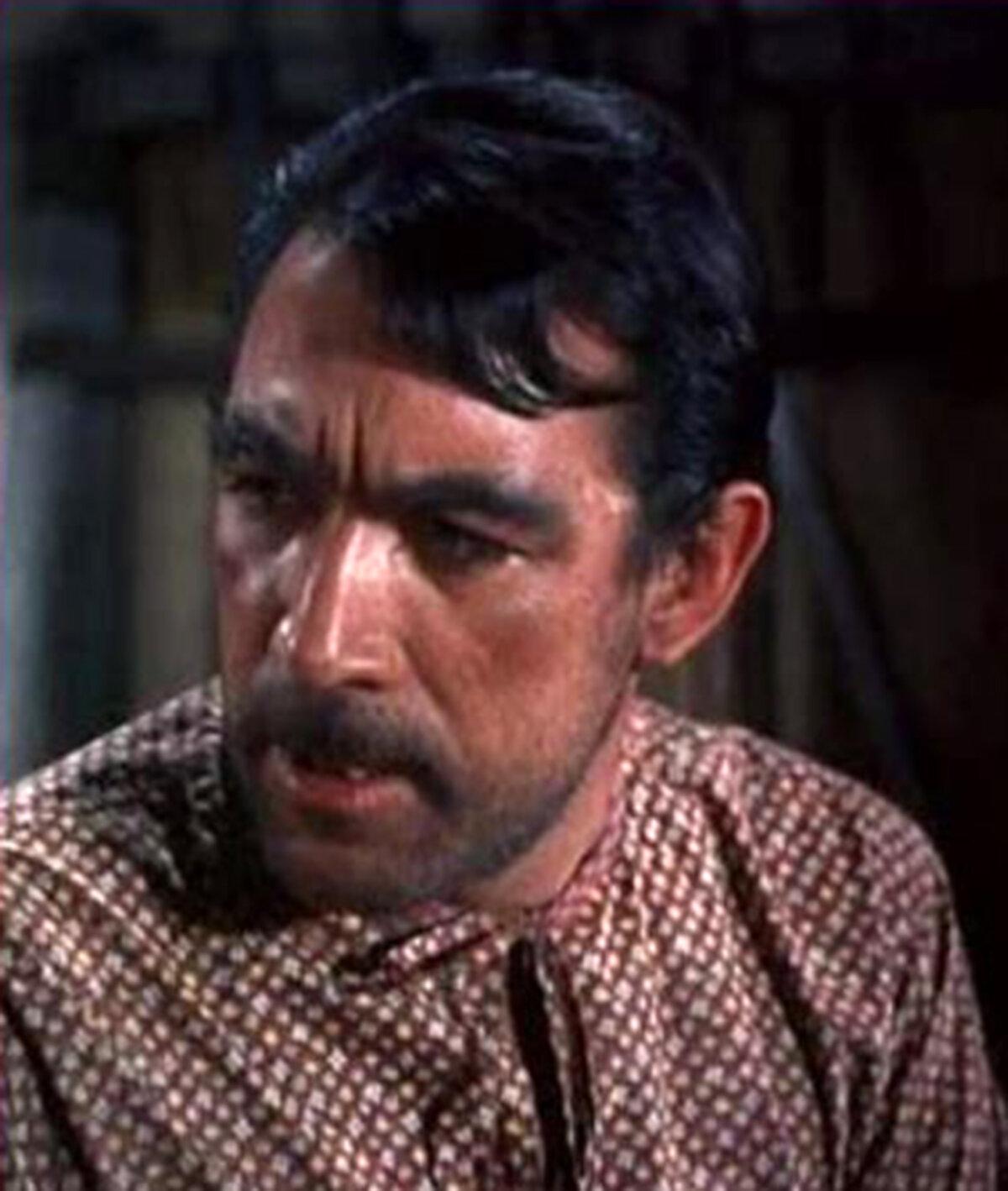
Taylor and Keel do their best, but it’s Quinn who really carries the film, turning Esqueda into a bandit king with equal parts charm and menace. He chews the scenery with gusto, channeling his “Viva Zapata!” energy (both film titles even carry the “!”).
Gardner, naturally, dazzles as the rancher’s wife, casting a knowing glance here and there as, in Brownsville, even the prettiest lady carries a loaded gun. If you’re a fan of memorable character actors, Jack Elam and Ted De Corsia do small but solid turns.
Taylor was nearing the final days of his career as a star. Gardner kept shining long after, but here it’s clear that MGM was already shifting gears.
“Ride, Vaquero!” rides out as a dusty, slow burn where the best sparks come from Quinn’s bandito fire. It’s not a classic, but as a mid-century Western with a little soap-opera flair, it’s worth the trip to Brownsville. Just don’t expect a quick draw or exceptionally quick wits.