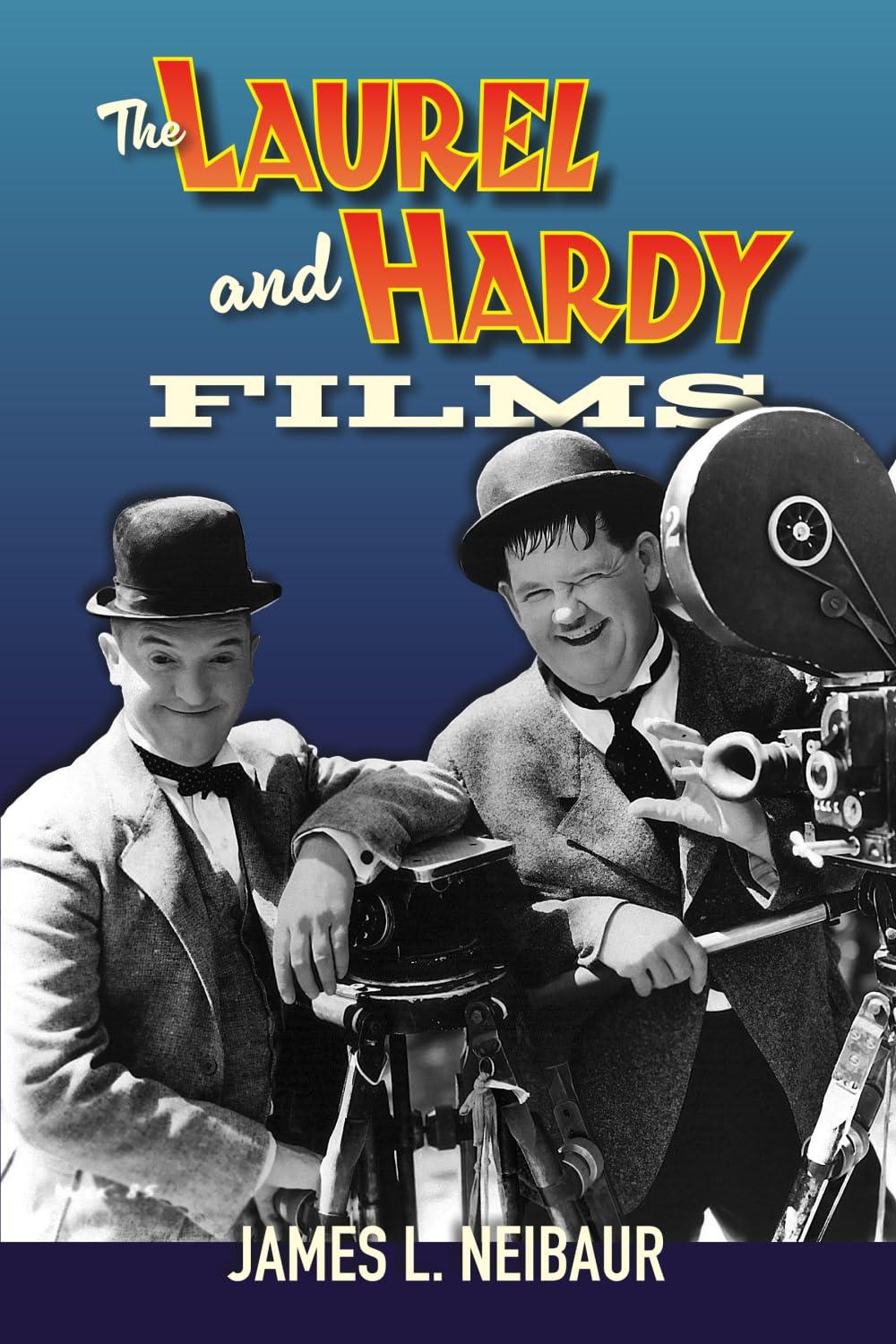
Stan Laurel and Oliver Hardy have been the subject of many books and articles, and it’s easy to assume that James L. Neibaur’s “The Laurel and Hardy Films” would cover territory that has been analyzed and reviewed too many times. But that is not the case with this marvelous work of film scholarship.
Neibaur, who has written more than 35 cinema-focused books, brings fresh insight into how Laurel and Hardy came together as a team and why their work is still funny today. Running nearly 600 pages, the book carefully traces the evolution of their performing style and addresses long-held negative assumptions regarding certain parts of their output.
Laurel and Hardy never planned to be a team. Laurel achieved prominence on stage in his native England and then in the United States, leading to starring roles in short comedy films by the early 1920s; in the films, he played a brash, aggressive character always getting into wacky mischief.
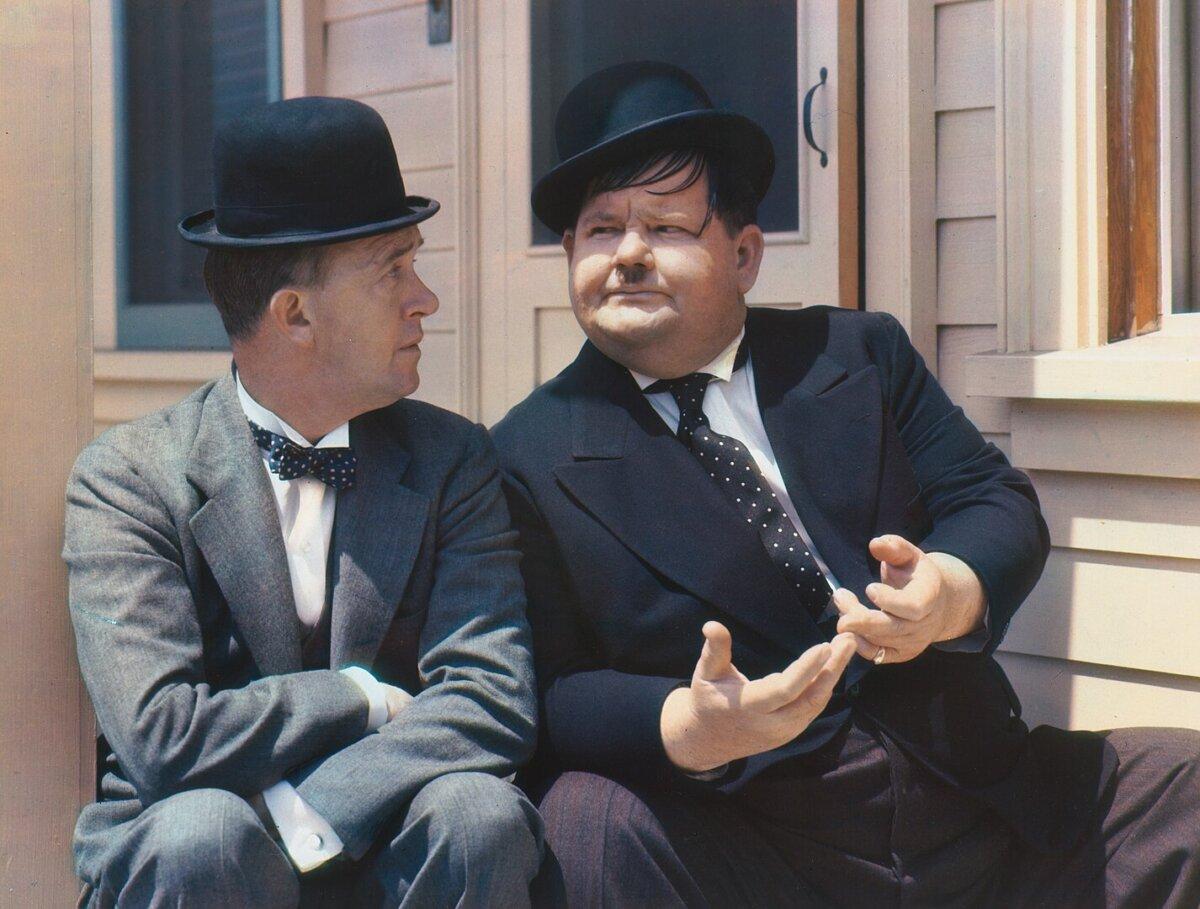
The 6-foot-tall, 300-pound Hardy was typecast by his bulky appearance in supporting parts as a comic villain who menaced diminutive second-tier comics, including Larry Semon and Chaplin-imitator Billy West. Hardy turned up briefly as a robber in Laurel’s short film “Lucky Dog” (1921). Neibaur places the roots of their partnership in 1927. Hardy was recruited to appear in Laurel’s “Duck Soup” as a replacement for comic Syd Crossley, who was abruptly fired shortly before production.
Comic Partnership
Few people at the time saw the potential of a partnership—certainly not Laurel, who balked at the concept of trading in his solo stardom for being half of a team. Throughout 1927, the men appeared together in several shorts produced by Hal Roach Studios, albeit as adversarial characters, with Laurel getting the lion’s share of the screen time.Neibaur’s wonderfully researched and generously illustrated book details how the pair eventually meshed into a comedy entity with distinctive personality traits and costuming. That process had several hiccups and false starts along the way. Indeed, the first film marketed as a Laurel and Hardy comedy, “Putting Pants on Philip,” comes from late 1927. The film reverted to old form, with Laurel dominating the spotlight as a kilt-wearing Scotsman while Hardy followed behind as an exasperated American uncle trying to get him into trousers.
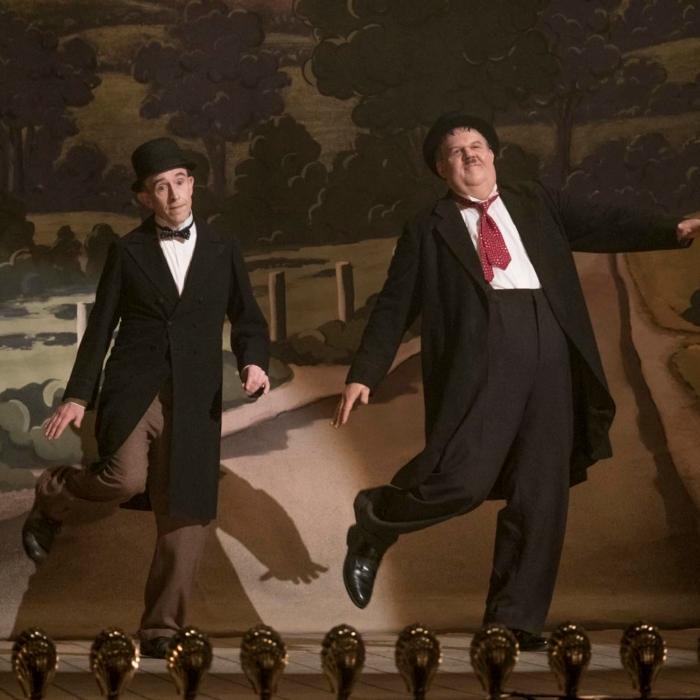
Once their formula finally meshed, Laurel and Hardy were quickly embraced by critics, exhibitors, and audiences as the last great comedy stars of the silent movies. Hollywood’s transition to sound films wasn’t a problem for them. Their voices matched their personalities, and their films made clever use of sound effects to enhance their physical comedy.
Laurel and Hardy were the rare silent comedy stars to grow in stature in sound films. The output of Charlie Chaplin and Harold Lloyd diminished during the 1930s, while Buster Keaton and Harry Langdon were demoted to short films and uncredited gag writing.
Neibaur never denounces any of the duo’s teamwork, preferring the opinion that there “is really no ‘bad’ Laurel and Hardy film, some are just better than others.” But he has the temerity to offer a provocative rebuttal to both Laurel and the groundbreaking film historian William K. Everson. Everson’s 1967 landmark book, “The Films of Laurel and Hardy,” shaped film scholarship on this topic for generations.
Laurel belittled the duo’s late-career films made in the 1940s at 20th Century Fox and Metro-Goldwyn-Mayer. He complained that they had no creative control while working at those studios; Everson echoed that view by insisting that the later films were mostly dismal and unwatchable. But, as Neibaur observes: “They did not suddenly stop being funny after 1940.
“Laurel and Hardy continued to enjoy box office success with their 1940s films, and their movies improved as they made them, successfully maintaining their conventional style within the context of the more modern approach. Of all the silent movie comedians whose work extended as late as the 1940s, Laurel and Hardy’s films come out best.”
The level of research into the subject and the genial enthusiasm in Neibaur’s writing results in a book that will charm longtime Laurel and Hardy fans while encouraging those unfamiliar with their work to see what the fun was all about.