The 17th-century Dutch artist Rembrandt (1606–1669) is synonymous with genius. Collectors clamor for his acclaimed works, perhaps none more so than Thomas Kaplan.
This metals investor is the world’s largest private collector of Rembrandts, an artist with whom he has been obsessed since the ripe age of 6. A Franco-American entrepreneur, philanthropist, and conservationist, Kaplan and his wife founded the Leiden Collection, which contains more than 250 paintings from the Dutch Golden Age. Its name comes from the city of Rembrandt’s birth and includes an astonishing 17 paintings by the artist, along with the only works in a private collection by Johannes Vermeer and Carel Fabritius.
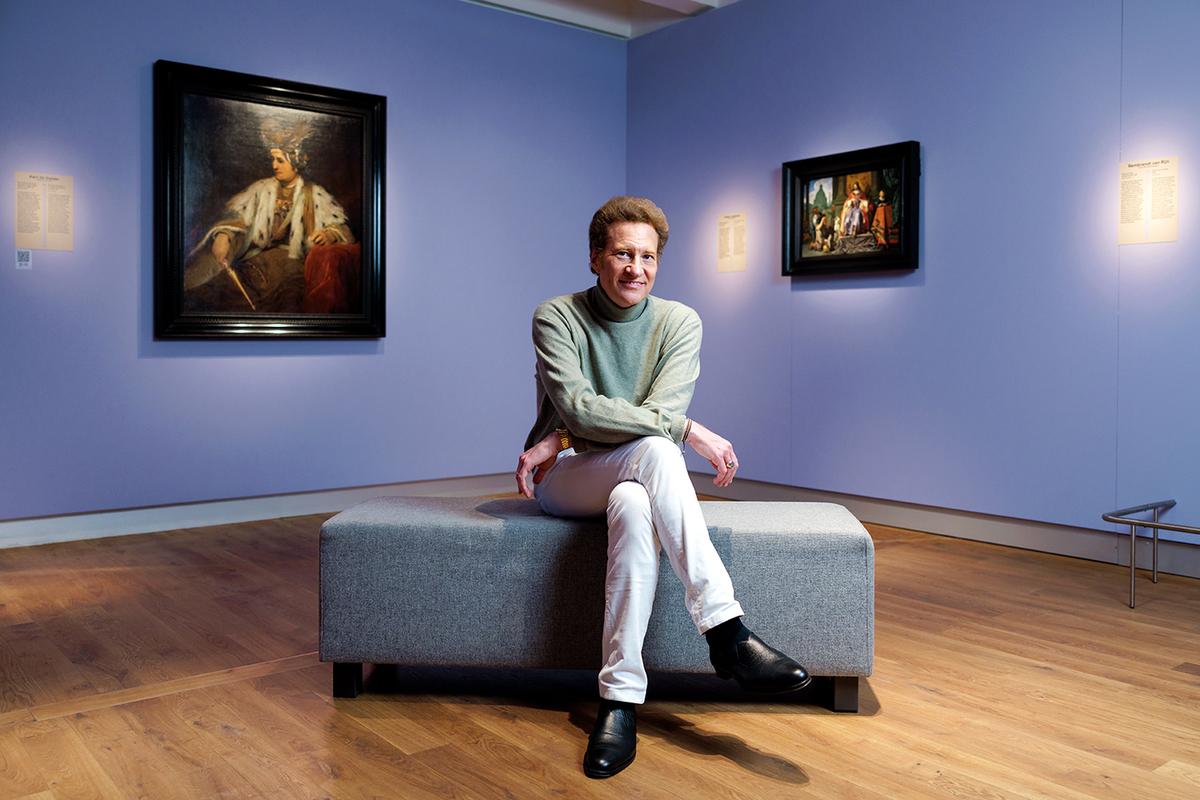
The Kaplans have never lived with this art. Instead, The Leiden Collection functions as a “lending library” of Old Masters. Paintings are loaned to museums around the world for the public’s enjoyment and enrichment.
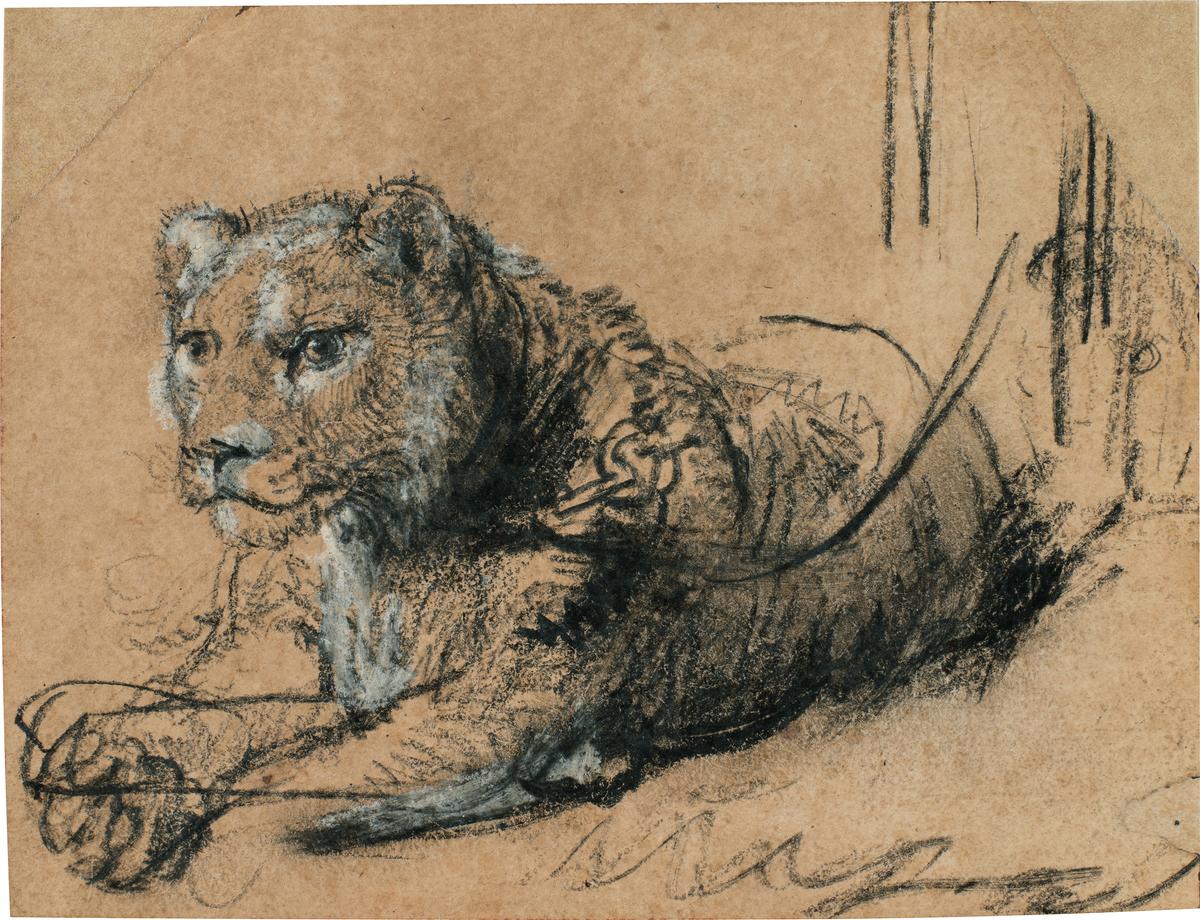
Kaplan’s passion for Rembrandt and Dutch and Flemish 17th-century art as a whole is only matched by his dedication to big cat conservation. Fittingly, his first-ever Rembrandt acquisition, made in 2005, was a rare drawing of a lion, even though his collecting scope focuses on paintings. “Young Lion Resting” is the only depiction of an animal by Rembrandt still in private hands.
Kaplan and the now co-owner of this work on paper, Jon Ayers, have made the decision to sell the artwork to benefit Panthera. Kaplan co-founded this organization in 2006; Ayers is the board chair. Its goal is the preservation of the world’s 40 species of wild cats. Panthera is the global leader in this cause with programs across 34 countries.
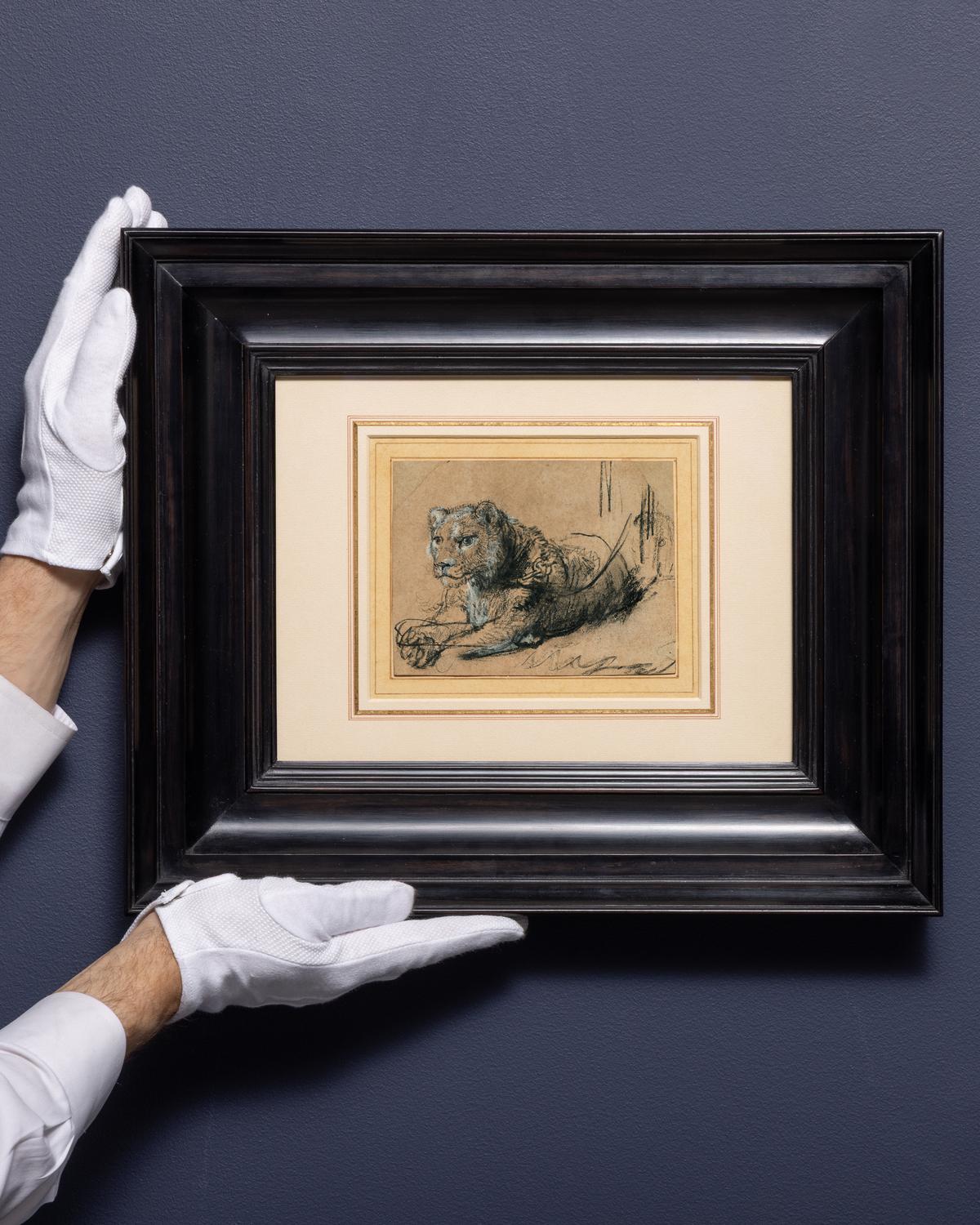
On Feb. 4, 2026, Sotheby’s will auction “Young Lion Resting.” The estimate for this exceptionally preserved, circa 1638 to 1642 drawing is $15 million to $20 million, as it is the most important Rembrandt drawing to come to auction in a generation. It encapsulates the majesty, energy, and power of a lion.
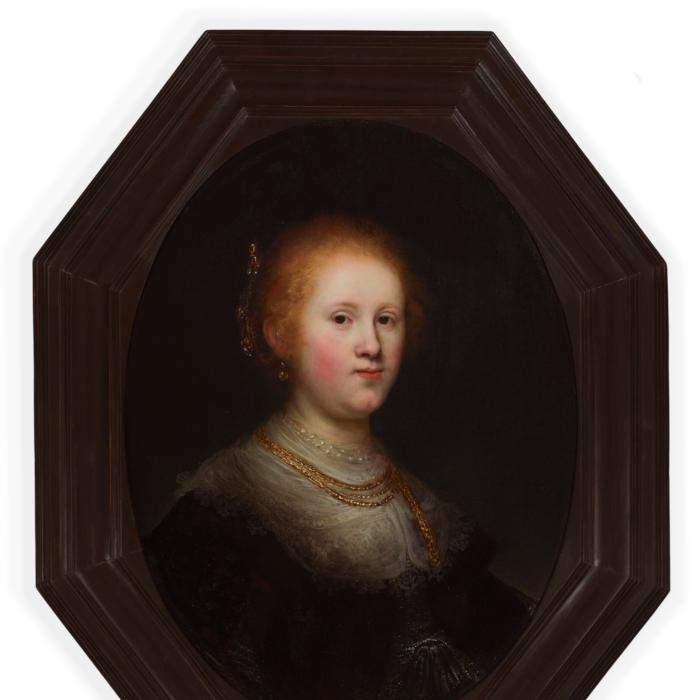
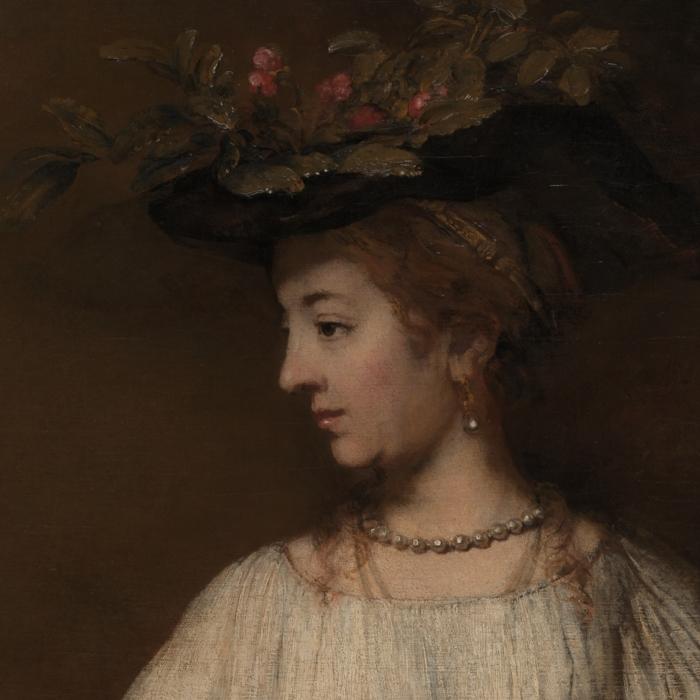
Gregory Rubinstein, Sotheby’s head of Old Master Drawings, cites “the way Rembrandt combines sheer technical mastery with an ability seemingly to see into the very soul of this noble creature.” This aspect is heightened by the artist’s accentuation of the cat’s eyes with firm strokes.
Rembrandt’s Cats
Among the menagerie of Rembrandt animal drawings, which include birds of paradise, elephants, horses, and pigs, are six known drawings of lions. Three pen and wash drawings of the subject are respectively at the Louvre, the Boijmans Van Beuningen Museum, and the Rijksmuseum. Two drawings, “A Lioness Devouring a Bird, Lying Down with Her Head to the Left” and “A Chained Lioness, Lying on the Ground in Profile to the Right,” are housed in the British Museum. These examples are believed to be closely related to the Leiden Collection’s portrayal of the same beast.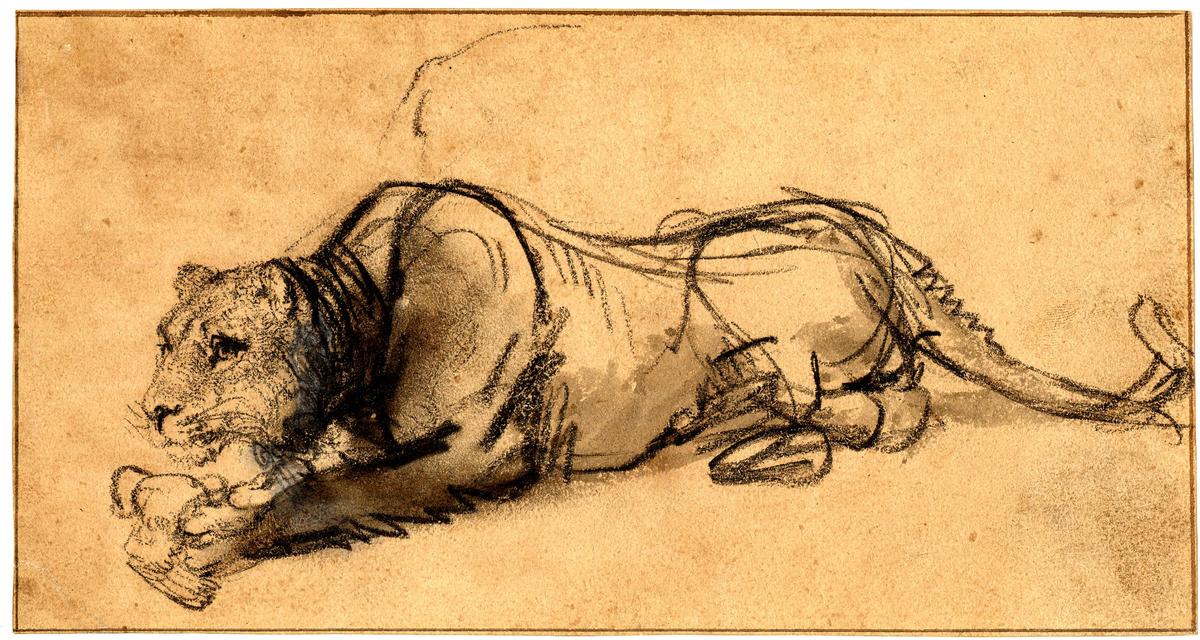
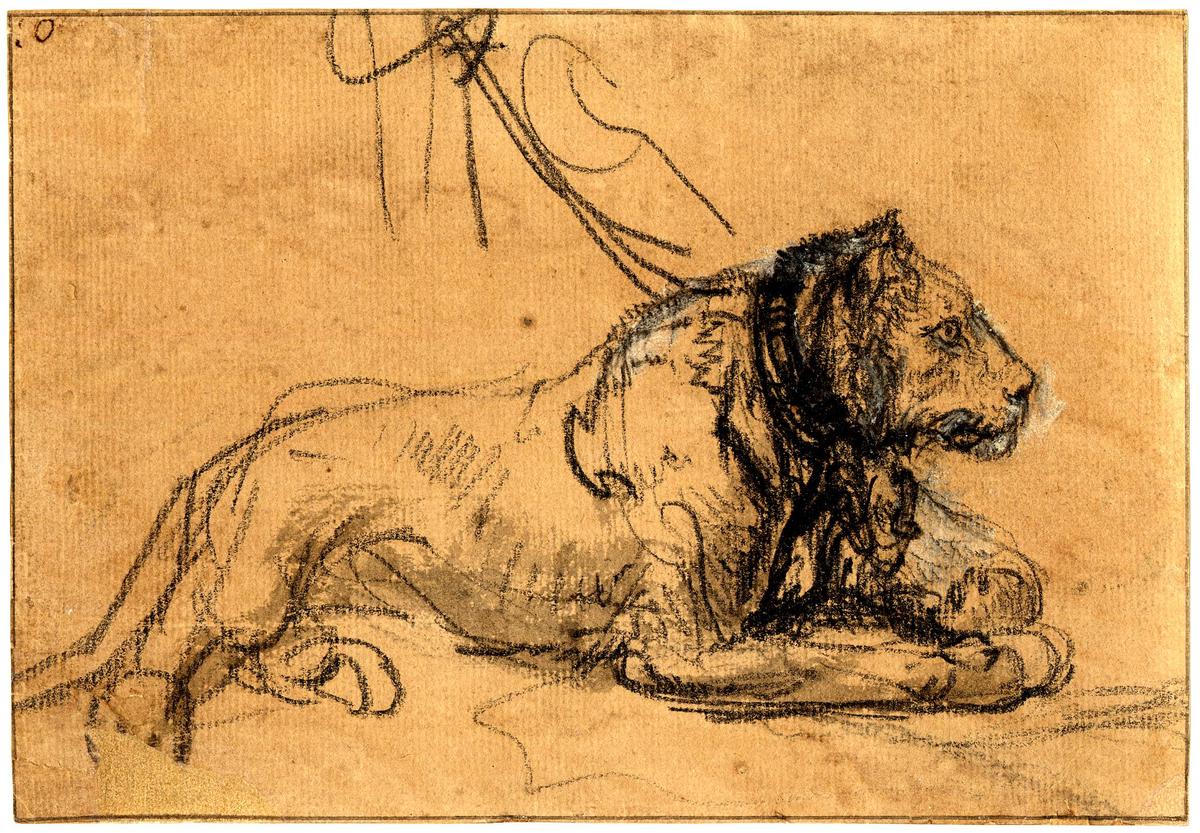
There are differences though: The British Museum’s drawings show the lion from the side, while the Leiden Collection’s is in a three-quarter profile. Its left paw is sketched in two different positions, creating a sense of movement. In addition, graceful body lines in the Museum’s drawings are contrasted with contour lines in the Collection’s. Scholars differ as to the materials used in the two at the Museum, perhaps charcoal and gray wash or black chalk. Marjorie Shelley, paper conservator at the Metropolitan Museum of Art in New York, has concluded that the Leiden Collection’s lion is composed of black chalk modified with oil or black chalk with a high clay content, as well as white chalk and gray wash applied with a brush.
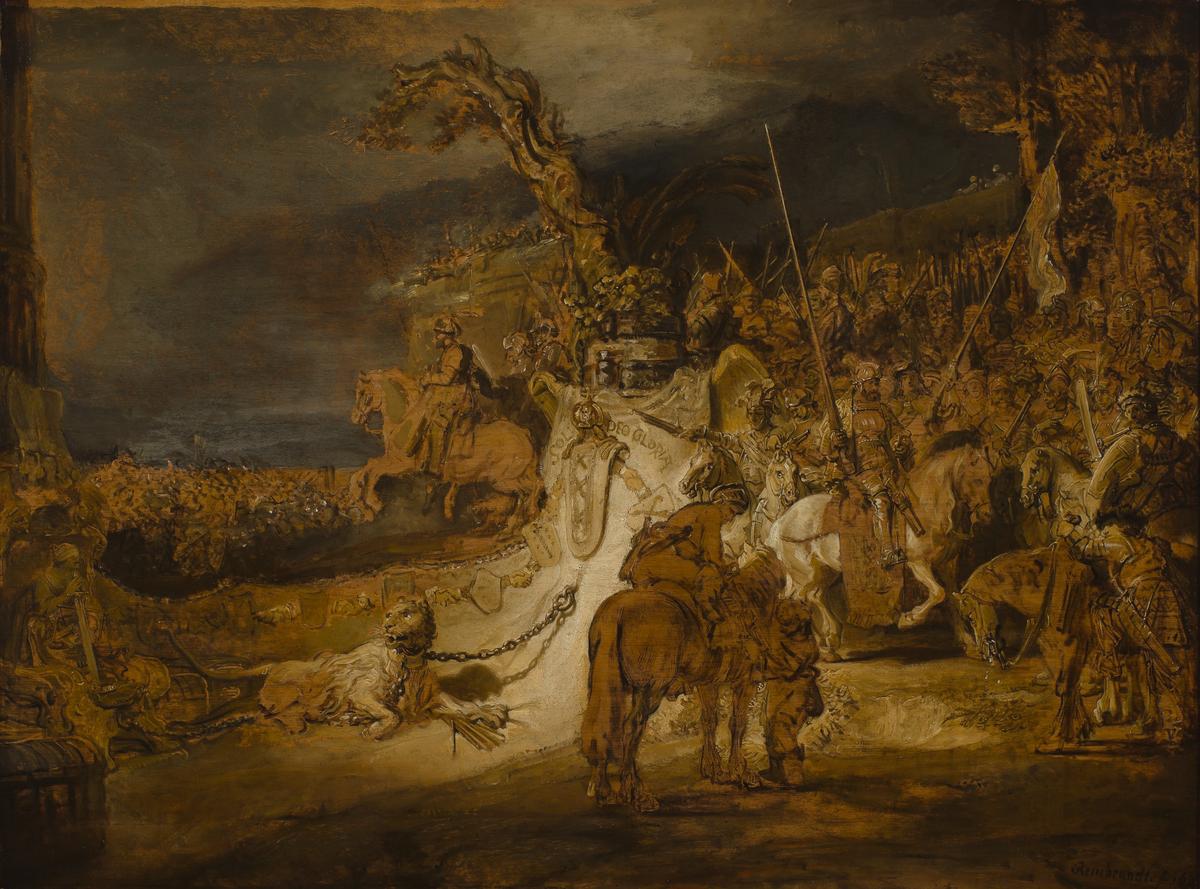
Specialists believe that the three connected drawings have a link to Rembrandt’s painting “The Unity of the Country” at Rotterdam’s Boijmans Van Beuningen Museum. In this panel, a chained lioness is visible on the left-hand side. Rembrandt drew animals from life in order to realistically portray them in later compositions, and felines feature in a number of his paintings and prints of biblical and historical narratives. The Dutch East India Company brought North African lions to the Netherlands, though like the Collection’s drawing, it would have been rare to have an opportunity to see a live one in Rembrandt’s day. Where the artist saw the lion is unknown, but it was probably at a private menagerie.
“Young Lion Resting” exemplifies the prowess of the artist’s draftsmanship. The cat’s intense gaze is sure to capture a new owner on the hunt for a beautiful and superb Rembrandt.