Two hundred years ago in 1825, John Stevens built America’s first railroad. It was a 200-foot circular track located in Hoboken, New Jersey, which he founded. The train moved along the track at six miles per hour. Stevens knew railroads would be the next big thing.
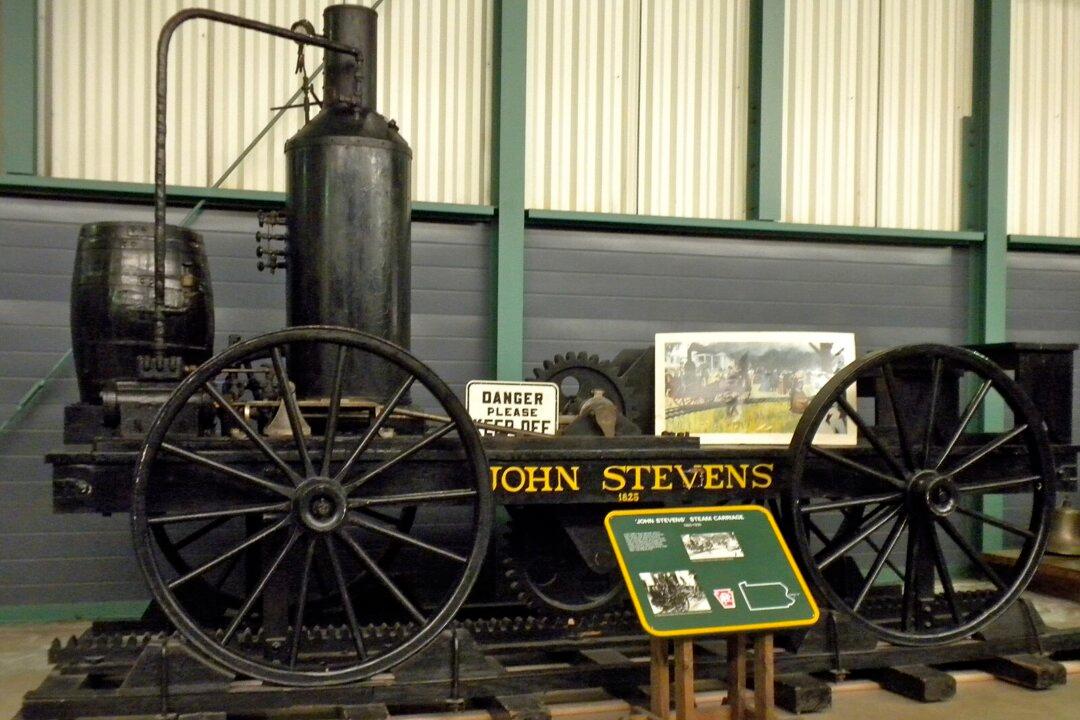
In 1812, he promoted “steam carriages” in a publication, and this writing is considered “the birth certificate of all railroads in the United States.” The legislatures of New Jersey and Pennsylvania believed in his commercial vision, providing him charters to build railroads.
Although Stevens was a wealthy man and had already purchased approximately 800 acres to create Hoboken, his money could hardly go further than the small, circular track he built. Nonetheless, the fuse had been lit, and on Feb. 28, 1827, a collection of Maryland bankers and merchants decided to get in on the ground floor of this transportation innovation. Together they founded America’s first railroad company—the Baltimore and Ohio (B&O) Railroad.
Being the first would play a pivotal role for the company. Construction on the railroad didn’t begin until July 4, 1828. By 1830, a 14-mile track was completed between Baltimore and Ellicott Mills (now Ellicott City), Maryland, where trains of freight and people were pulled by horse.
That same year, inventor Peter Cooper produced a small steam locomotive, and on Aug. 28, the B&O board of directors climbed aboard. The directors were thoroughly impressed as the steam engine zoomed toward Ellicott Mills at a pace between 10 and 14 miles per hour. The following year, the railroad company installed its first steam locomotive.
Growth and Competition
Local competitors arose in Pennsylvania, Delaware, and Maryland with four separate lines. These lines created a single railway that stretched from Baltimore to Philadelphia, but after experiencing little success separately, the four merged into one in 1838, establishing the Philadelphia, Wilmington and Baltimore Railroad (PW&B).
The B&O Railroad Company branched east into Virginia and Washington, and, along with the laying of tracks, constructed the nation’s first viaduct: the Carrollton Viaduct, still in use today. With the rail line focused on the west in places as far as Chicago, Kansas City, and even Omaha, the PW&B partnership was beneficial as it provided a line heading east into Philadelphia.
The company witnessed another first in 1843, when Congress decided to construct a telegraph line along the rail line’s route from Baltimore to the nation’s capital. On May 24, 1844, Samuel Morse, surrounded by numerous members of Congress, sent the famous first message on a telegraph: “What hath God wrought?” In a flash, the message traveled from the Supreme Court Chamber inside the U.S. Capitol, 44 miles along the telegraph wire to the Mount Clare B&O Railroad station, in Baltimore. There, his colleague Alfred Vail waited. The communication proved successful when Vail sent back the same message.

Two years later, the Pennsylvania State legislature founded the Pennsylvania Railroad Company (PRR). By the end of the 19th century, it would dominate the Northeast. Its immediate growth was by no means slow going. By 1854, the company had built a railroad across Pennsylvania.
The Ongoing Railroad War
The Civil War began early in 1861, and trains played a significant part in the conflict, so much so that the war is also referred to as the “first railroad war.” Considering its direct connection from Baltimore into Washington, the B&O played a very important role. In fact, President Abraham Lincoln considered John Garrett, the president of B&O Railroad, “the right arm of the Federal Government in the aid he rendered the authorities in preventing the Confederates from seizing Washington and securing its retention as the Capital of the Loyal States.”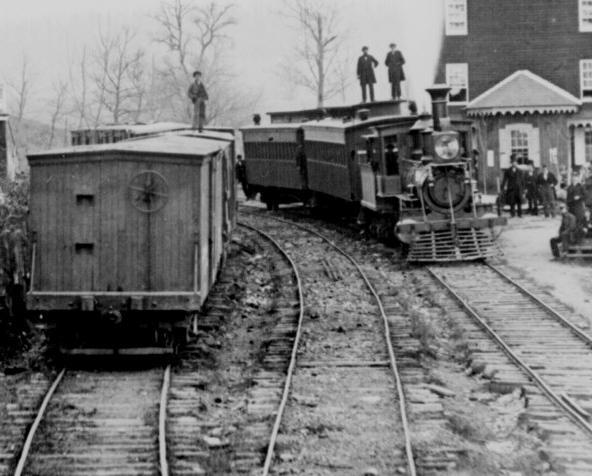
When the war ended in 1865, the struggle for railroad superiority had just begun. In 1850, there were less than 10,000 miles of track in the United States. By 1860, that number had more than tripled, and the construction of new railways dramatically increased. In 1862, Congress chartered the Union Pacific and the Central Pacific railroads. B&O and PRR continued to expand.
Reaching Manhattan
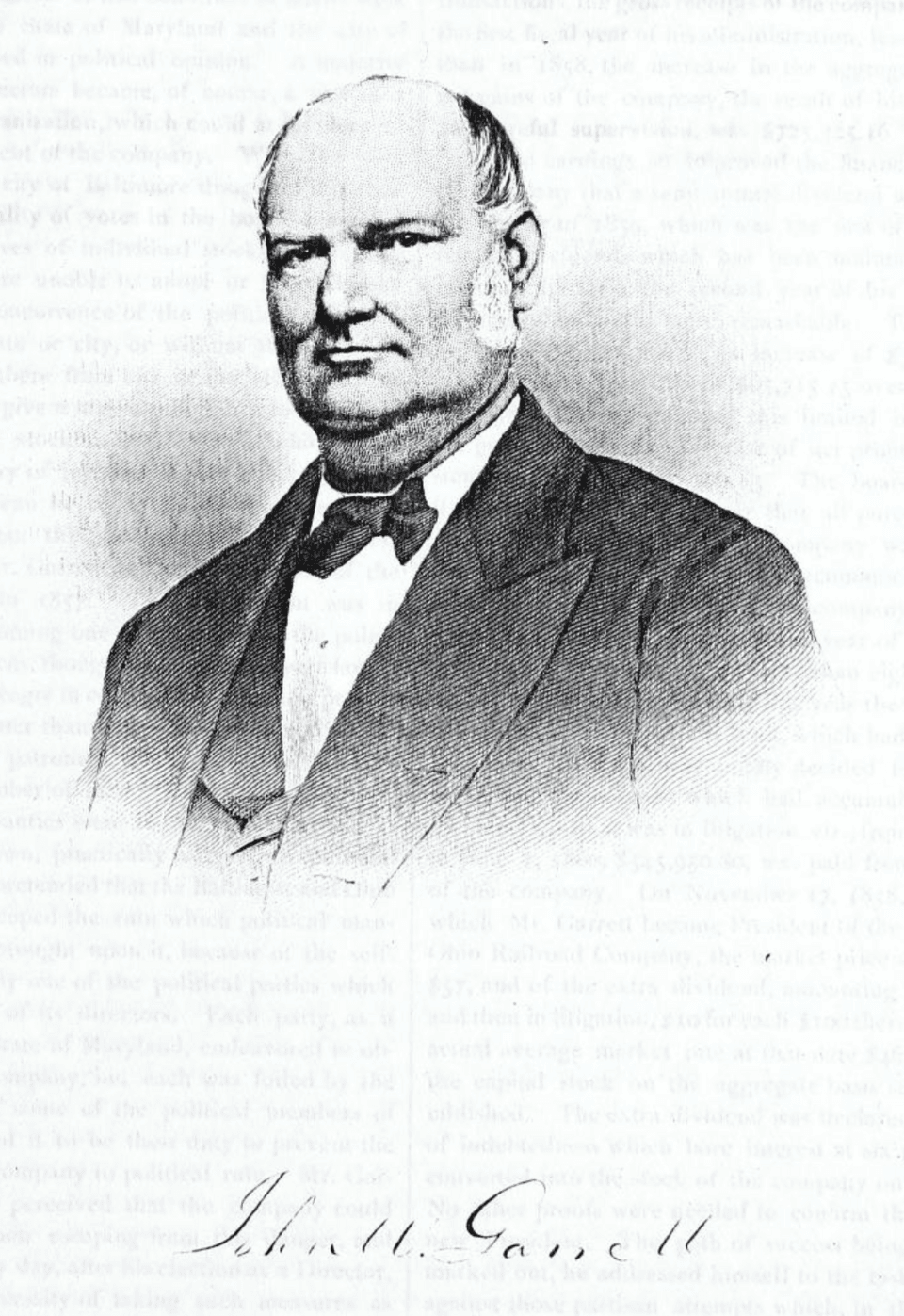
For B&O and PRR, Manhattan was the coveted location. There was just one problem; there was no bridge across the Hudson River. Rail lines had to use ferries to get their passengers into the city. But since all the railroads were in the same proverbial boat, no one had a competitive edge on the Manhattan market.But this began to change in 1881 when the PRR purchased the controlling interest in the PW&B. PRR continued to allow the B&O to use the PW&B, and this access was a boon for B&O, as the New York-to-Washington market was vast. This boon ended abruptly in 1884, however, when PRR denied B&O the use of the PW&B.
Garrett, still the president of B&O, ordered the construction of a new connection between Baltimore and Philadelphia. Though he died shortly after his order, B&O completed the line in about two years. The company then partnered with Philadelphia and Reading Railroad and the Central of New Jersey. When B&O trains now stopped in Jersey City, they offloaded passengers who boarded a ferry for a 12-minute ride across the Hudson. B&O was back in business with the New York passenger market.
New Tunnel, New Line
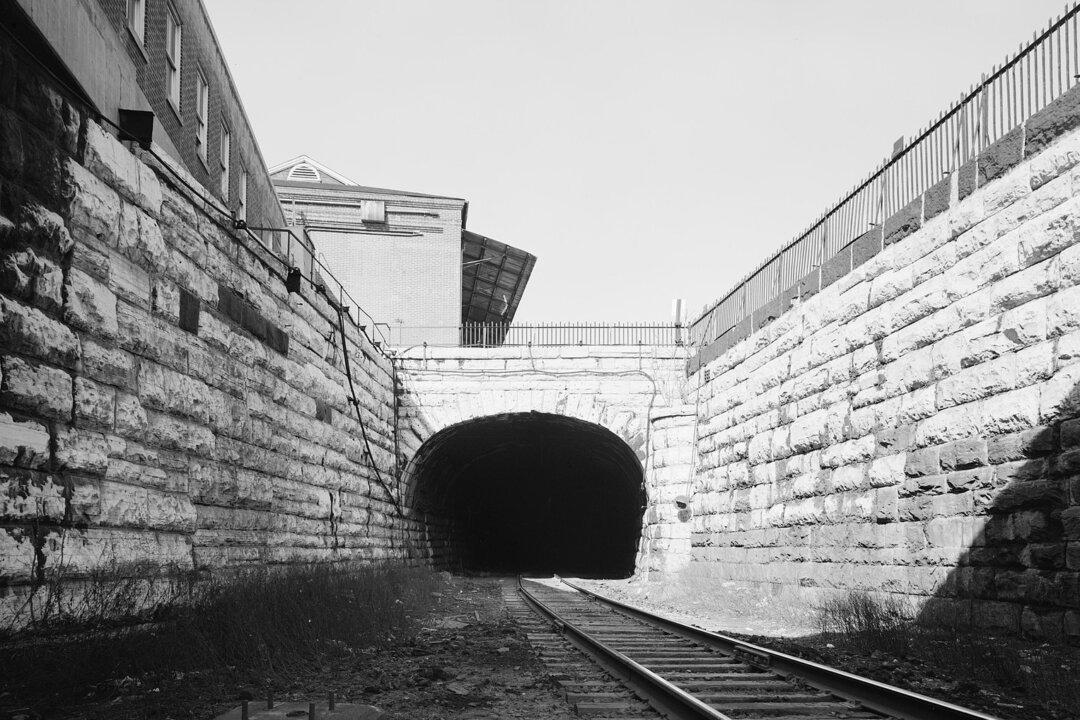
First, the company built a 1.4-mile four-track tunnel under Baltimore’s Howard Street that would connect two points: Camden Station and Bay View Junction. It was called the Baltimore Belt Line. Secondly, to compete with PRR’s faster schedules and more direct routes, B&O enticed passengers with luxury by establishing the Royal Blue Line. Painted Royal Saxony Blue with gold leaf trim, colors chosen by new company president Charles Mayer, the interiors of these five new passenger trains were stunning. The trains of Pullman Palace cars had plush seating, mahogany accents, gas lights, and heated compartments.Although Howard Street was located in the city’s less populous area, locals petitioned against the new tunnel unless the company made certain concessions. Aside from protecting pedestrians at crossings, citizens’ primary concern was pollution from the steam engines. When PRR built its 1.7-mile Baltimore and Potomac Railroad (B&P) tunnel in 1873, steam pollution caused health issues and remained a cause of contention between PRR and Baltimoreans. B&O agreed to construct tall chimneys in the tunnel for ventilation.
An Electric Idea
Two years after construction on the Belt Line began, Chicago hosted the 1893 World’s Columbian Exposition. Laid out over 630 acres, the Exposition, also called the World Fair, boasted more than 65,000 exhibits. Visitors could wander through the fair on foot or via waterway on a Venetian gondola, but the best way to take in the view was on the elevated track of the Intramural Railway. In 1893, trains were no longer the marvel they once were. But this one was different. It harnessed a new technology in locomotive power: electricity.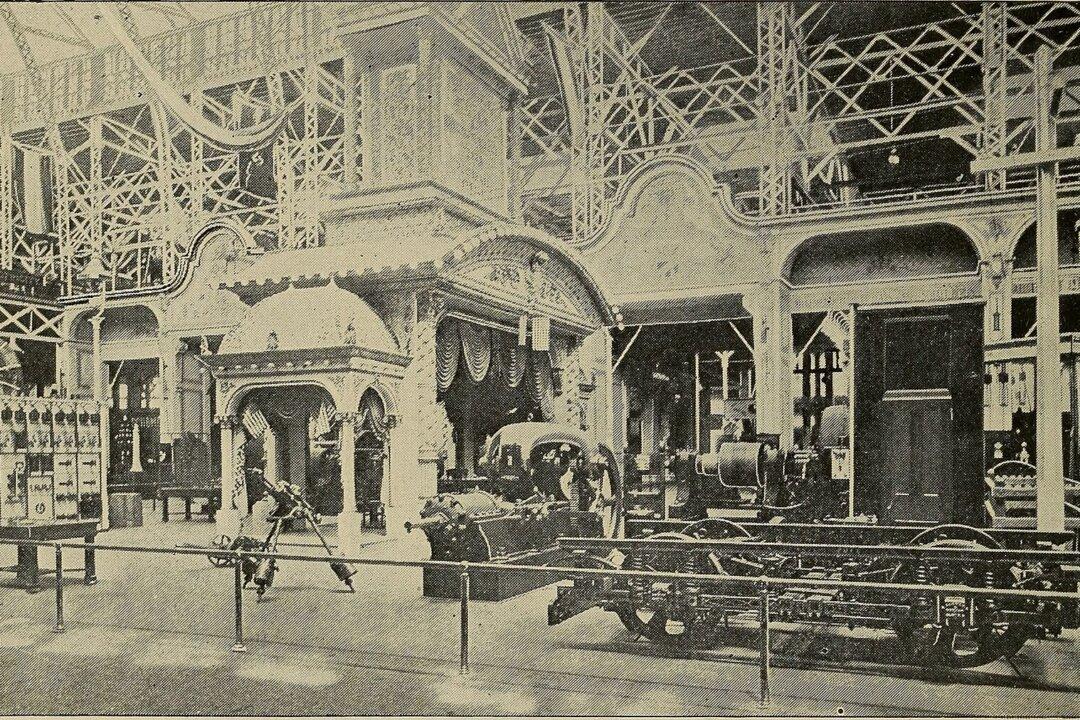
The directors of B&O no doubt had been following the progress of this new innovation. With their construction of a new tunnel, now seemed the perfect time for B&O to institute this groundbreaking technology. Instead of building chimneys, B&O went electric.
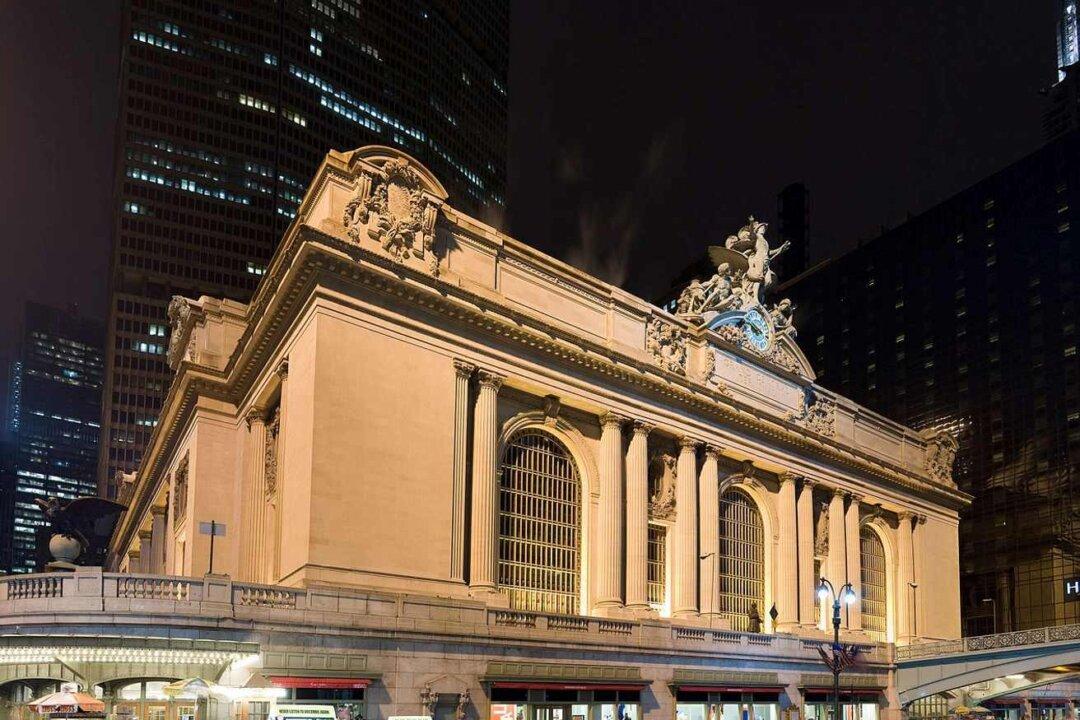
At the turn of the 20th century, B&O and PRR continued their neck-and-neck competition. This continued until 1910 when the PRR finally completed a six-year project: tunneling under the Hudson River. Once again, B&O found itself searching for new ways to compete.