Every year, the first lines of the Scots poem “Auld Lang Syne” by Robert Burns prompt us to muse on the same question: Should auld acquaintance be forgot and never brought to mind? As we move into the new year, what do we do with our memory of the old year?
Burns isn’t alone in his reflections on this point. Other poets, too, have seized the occasion of the celebration of the new year to reflect on how we ought to treat memory.
Man can hold either too loosely or too tightly to the past. As Marcus Aurelius noted, “Every Man’s Life lies all within the Present; For the Past is spent, and done with, and the Future is uncertain.” There is danger in forgetting the past completely or refusing to learn from it.
John Clare
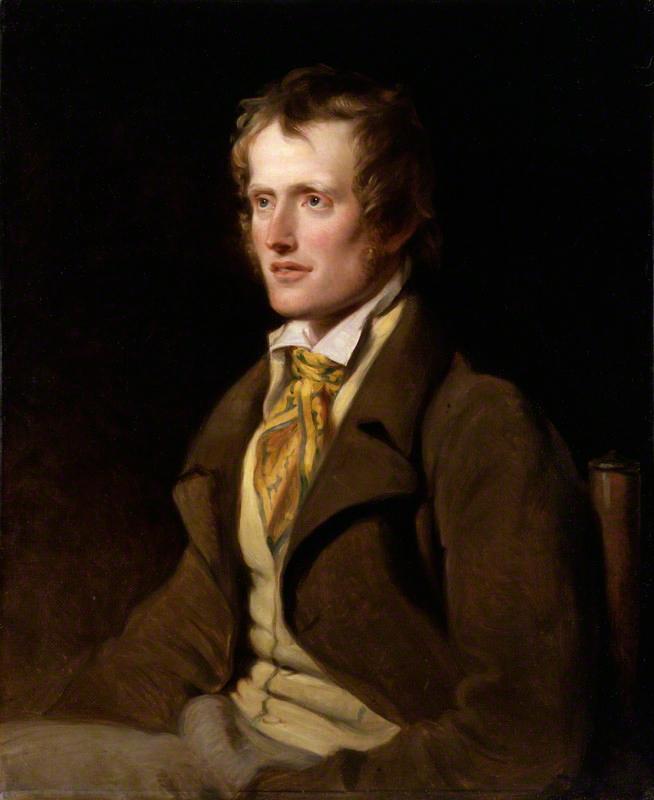
”The Old Year”
The Old Year’s gone away To nothingness and night: We cannot find him all the day Nor hear him in the night: He left no footstep, mark or place In either shade or sun: The last year he'd a neighbour’s face, In this he’s known by none.
All nothing everywhere: Mists we on mornings see Have more of substance when they’re here And more of form than he. He was a friend by every fire, In every cot and hall— A guest to every heart’s desire, And now he’s nought at all.
Old papers thrown away, Old garments cast aside, The talk of yesterday, Are things identified; But time once torn away No voices can recall: The eve of New Year’s Day Left the Old Year lost to all.
Clare’s poem illustrates not only how time is fleeting but also how human memory is short. The year that so recently was a “friend by every fire” is now gone, not only because of the passing of time but also because it seems to have been discarded. The relics of the past year are “thrown away” or “cast aside,” leaving a sense of emptiness in the present indicated by the repetition of the word “nothing.”Helen Hunt Jackson
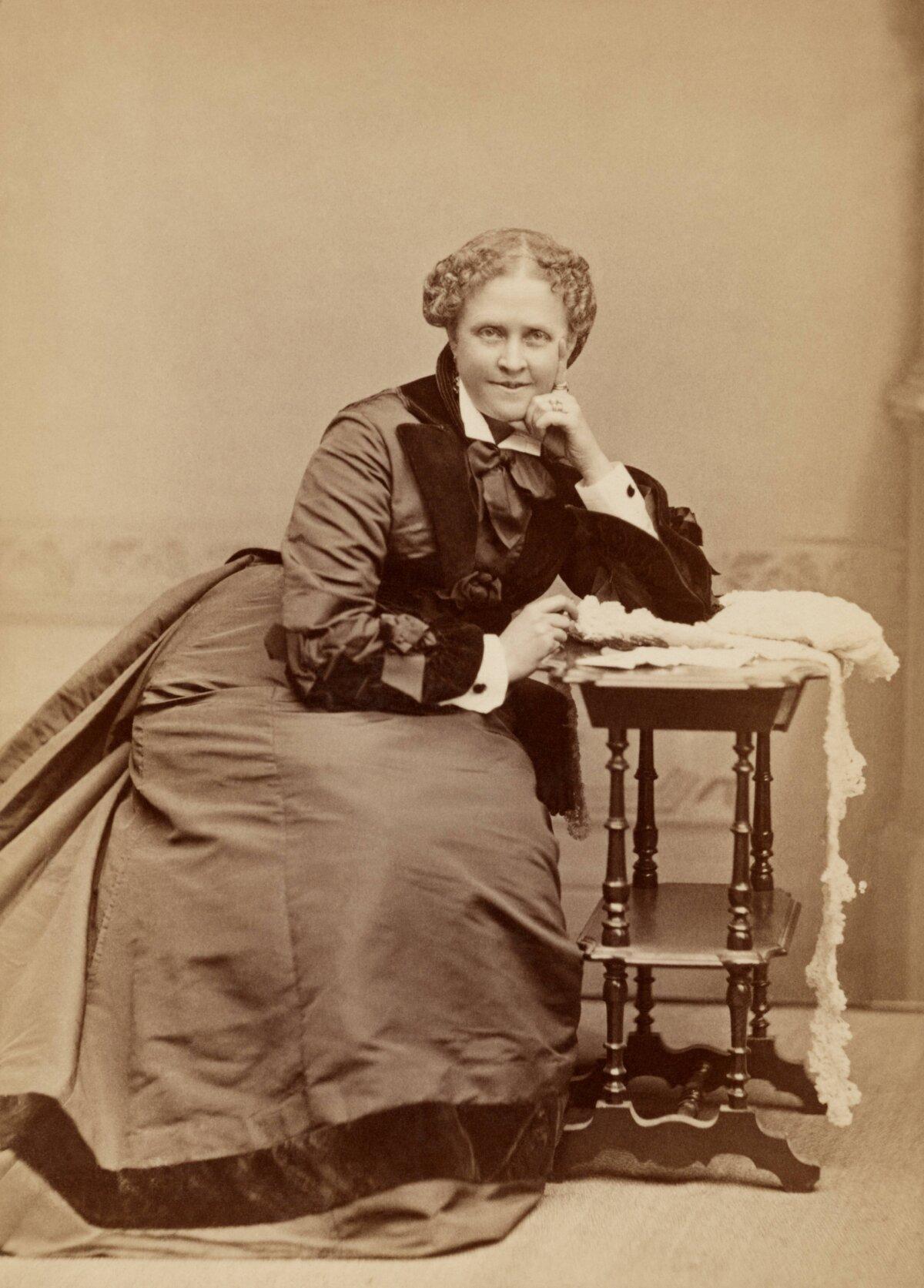
American poet Helen Hunt Jackson (1830–1885) demonstrates a different incorrect attitude toward the new year in her poem “New Year’s Morning.” She decries the belief that New Year’s resolutions will effect change, as there is “Only a night from old to new!” She writes, “Never a night such changes brought/ The Old Year had its work to do/ No New Year miracles are wrought.”


Always a night from old to new! Night and the healing balm of sleep! Each morn is New Year’s morn come true, Morn of a festival to keep. All nights are sacred nights to make Confession and resolve and prayer; All days are sacred days to wake New gladness in the sunny air. Only a night from old to new; Only a sleep from night to morn The new is but the old come true; Each sunrise sees a new year born.
William Cullen Bryant
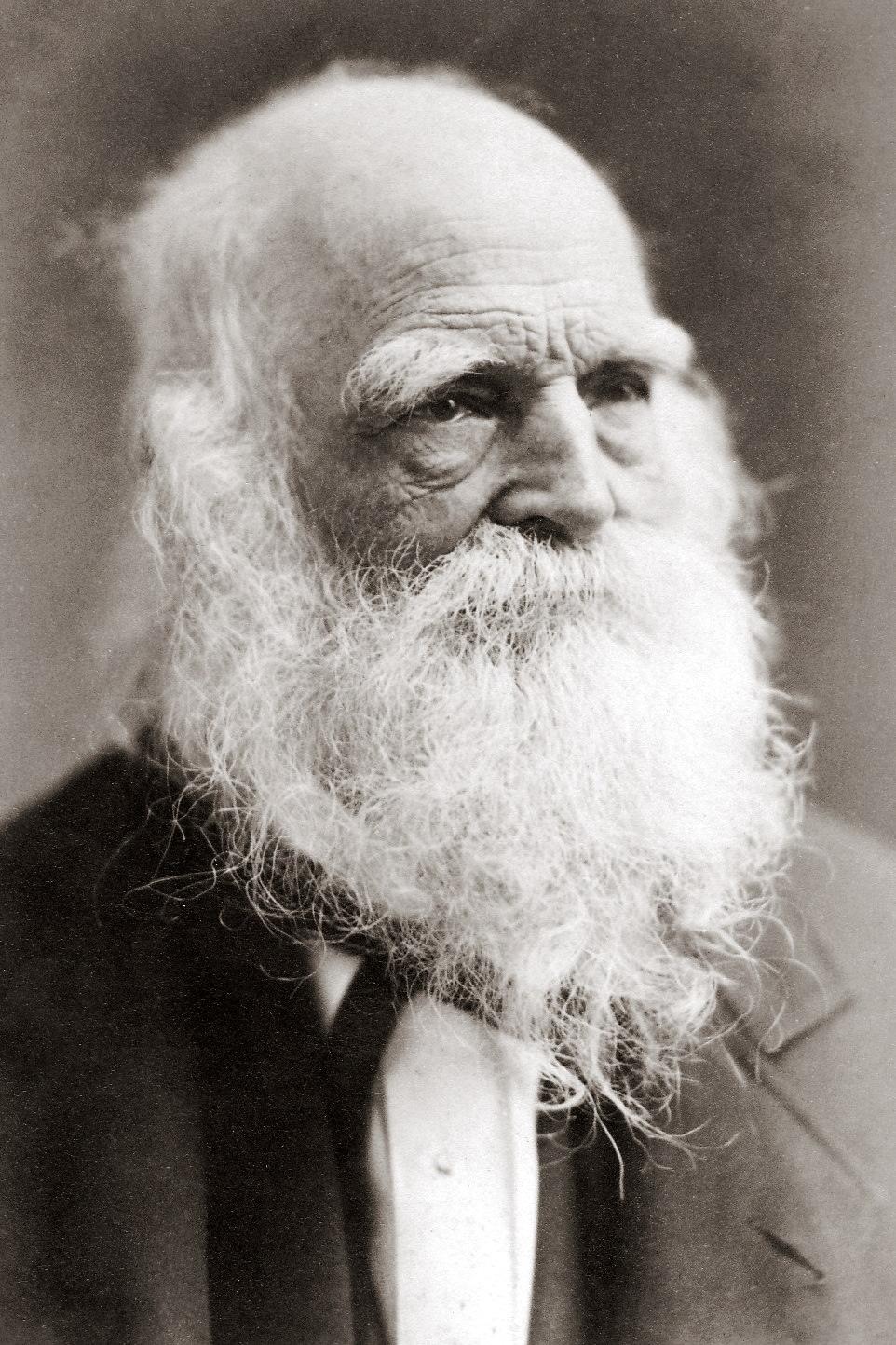
The kindly year, his liberal hands Have lavished all his store. And shall we turn from where he stands, Because he gives no more? Oh stay, oh stay, One grateful hour, and then away.
Alfred Tennyson
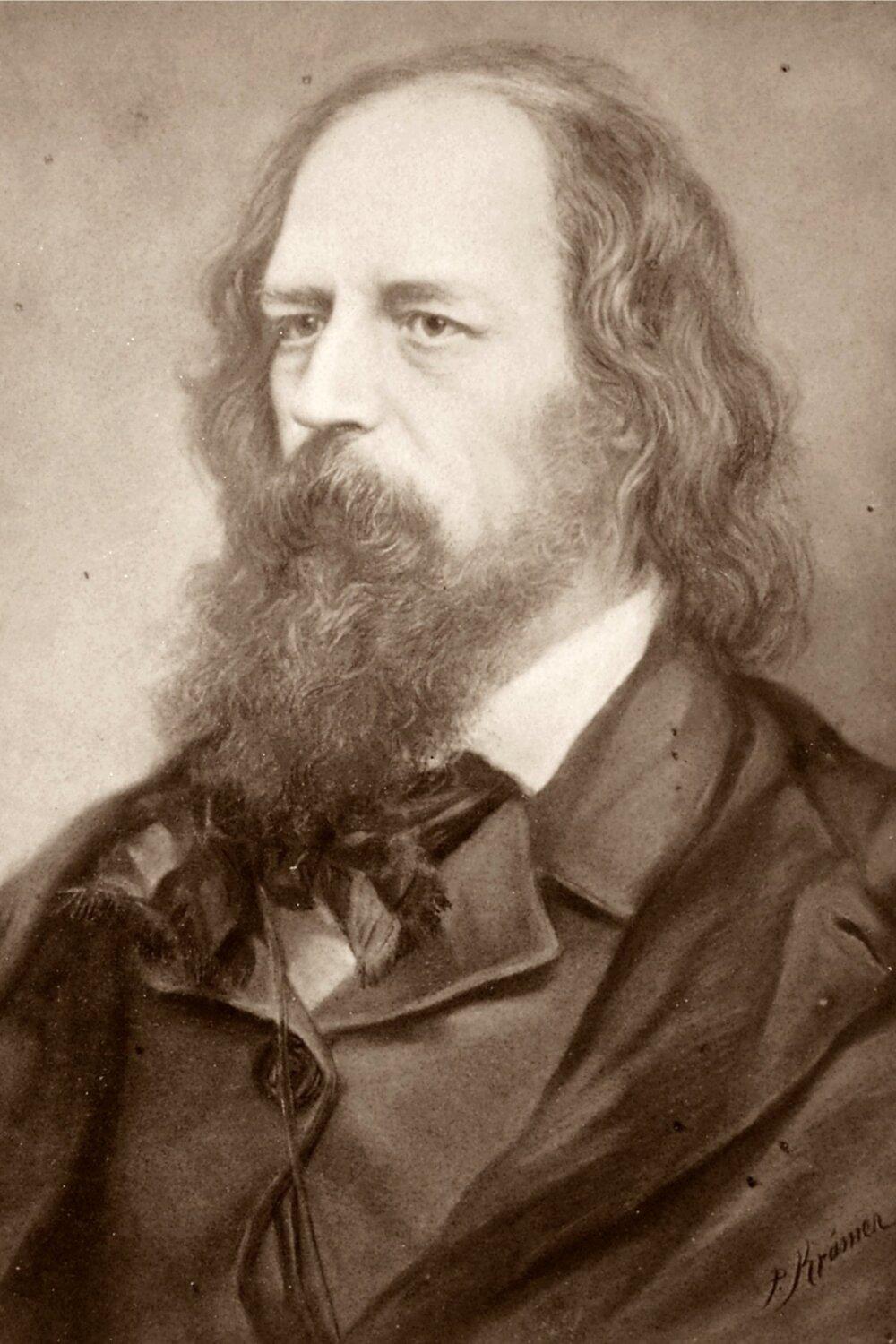
Ring out, wild bells, to the wild sky, The flying cloud, the frosty light: The year is dying in the night; Ring out, wild bells, and let him die.
Ring out the old, ring in the new, Ring, happy bells, across the snow: The year is going, let him go; Ring out the false, ring in the true.
Ring out the grief that saps the mind, For those that here we see no more; Ring out the feud of rich and poor, Ring in redress to all mankind.
Ring out a slowly dying cause, And ancient forms of party strife; Ring in the nobler modes of life, With sweeter manners, purer laws.
Ring out the want, the care, the sin, The faithless coldness of the times; Ring out, ring out my mournful rhymes But ring the fuller minstrel in.
Ring out false pride in place and blood, The civic slander and the spite; Ring in the love of truth and right, Ring in the common love of good.
Ring out old shapes of foul disease; Ring out the narrowing lust of gold; Ring out the thousand wars of old, Ring in the thousand years of peace.
Ring in the valiant man and free, The larger heart, the kindlier hand; Ring out the darkness of the land, Ring in the Christ that is to be.
The first half of the poem paints a bleak picture of the world. The first stanza’s description of the death of the year echoes with the bent of the poet’s thoughts on the death of his friend. Loss, poverty, and strife color the first half of the poem, or rather, sap it of color. “Ring out” takes on the meaning of not only ringing out a song but also ushering out the blights upon that year.However, the absence of evil isn’t enough; as with Clare’s poem, the substance of the new year is needed to fill the emptiness. The poet bids the bells to “ring in” redress, nobler modes of life, sweeter manners, purer laws, and the love of truth and right.
With the line “Ring out, ring out my mournful rhymes/ But ring the fuller minstrel in,” Tennyson indicates that dispelling the dark isn’t enough; light must take its place. It must do so, as Jackson indicated, through the continual daily conversion of individual hearts. The last stanza is the only one that begins and ends with “ring in,” signifying both a poetic and personal transformation.
The poet’s hope springs from his faith that the new year will bring consolation. He also hopes that grace will assist him in his personal growth in virtue, transform his mourning, and through the healing of individual hearts, redress the problems that plague all mankind.
But although New Year’s prompts reflections on the entirety of the past year and on our hopes for the next year, the change we hope for is wrought neither in the past nor in the future but in the present. We enact such change by turning to the chambers of memory each night, reflecting on our experiences during the course of the day, and resolving to reorient ourselves again toward what is good the next day.