NR | 1h 55m | Drama, Romance | 1955
Some of the most powerful dramas don’t revolve around tycoons, action heroes, or athletes. They center on ordinary people navigating ordinary lives.
“Picnic” (1955), adapted from William Inge’s Pulitzer Prize-winning play, opens a window into the everyday hearts of mid-20th century America. These characters aren’t chasing medals or magazine covers. They’re wrestling with decisions we all face, between safety and desire, expectation and authenticity, comfort and change.
A Stranger, a Spark, a Reckoning
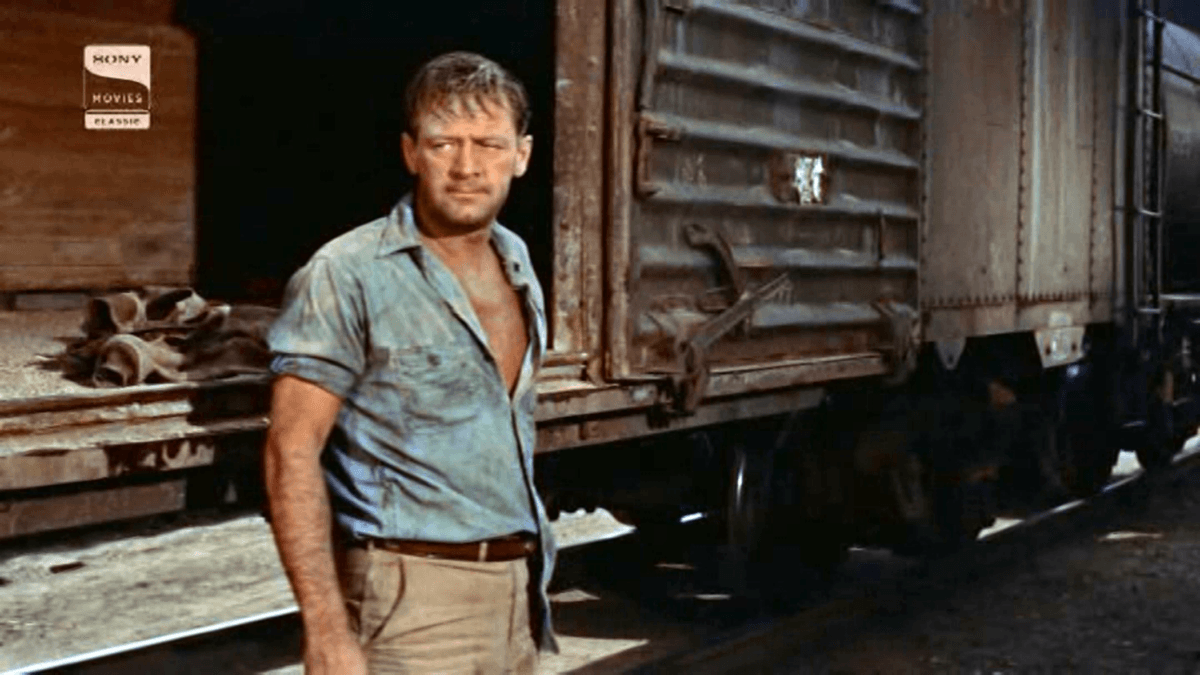
William Holden stars as Hal Carter, a drifting ex-football star and failed actor; his rugged charm masks deep insecurity and desperation. He arrives unannounced via freight train in a Kansas town on Labor Day, 1955.
Hal seeks out his old college friend Alan Benson (Cliff Robertson), heir to a grain empire. Hungry and jobless, Hal is offered breakfast in exchange for chores by kindly widow Helen Potts (Verna Felton), who introduces him to her neighbors, the Owens family.


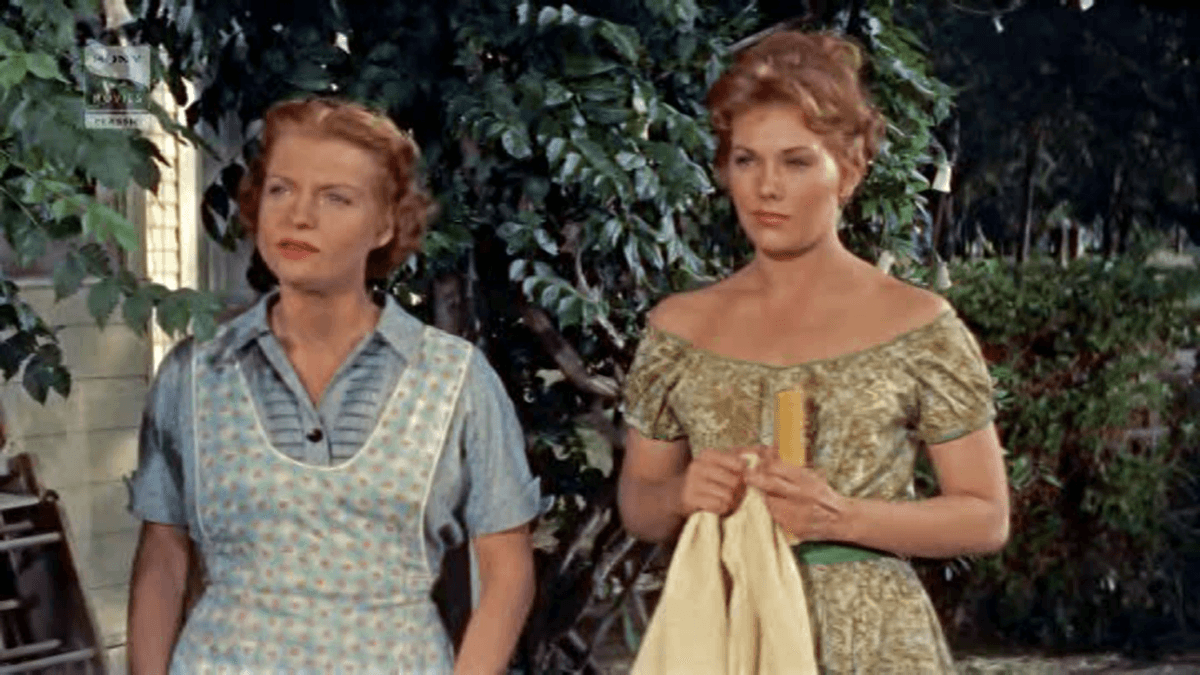
Hal meets Madge Owens (Novak), a local beauty caught between small-town expectations and her quiet yearning for something more. Her younger sister, Millie (Susan Strasberg), is sharp and creative; she hides her jealousy of Madge behind sketchbooks and poetry journals. Their mother, Flo (Betty Field), is determined to see her daughters marry well. Flo’s husband ran off years ago, leaving her with little more than disappointment and resolve.
Also in the household is Rosemary Sydney (Rosalind Russell), a rather unhappy, middle-aged schoolteacher. She masks her fear of spinsterhood with loud humor and increasingly desperate flirtation, particularly with her long-suffering, easygoing suitor Howard (Arthur O’Connell).
The town’s Labor Day picnic festivities become a crucible. Hal’s presence stirs long-suppressed desires, not just in Madge, but in all the women around him. His shirtless physique and dance moves trigger longing and confusion.
Beneath the Surface
This is one of those rare films that captures what it feels like to stand on the edge of something—change, adulthood, love—and not quite know what’s coming next. The film wraps itself in small-town traditions: parades, pageants, and neighbors gossiping over iced tea. But under that wholesome surface, the townsfolk are quietly unsure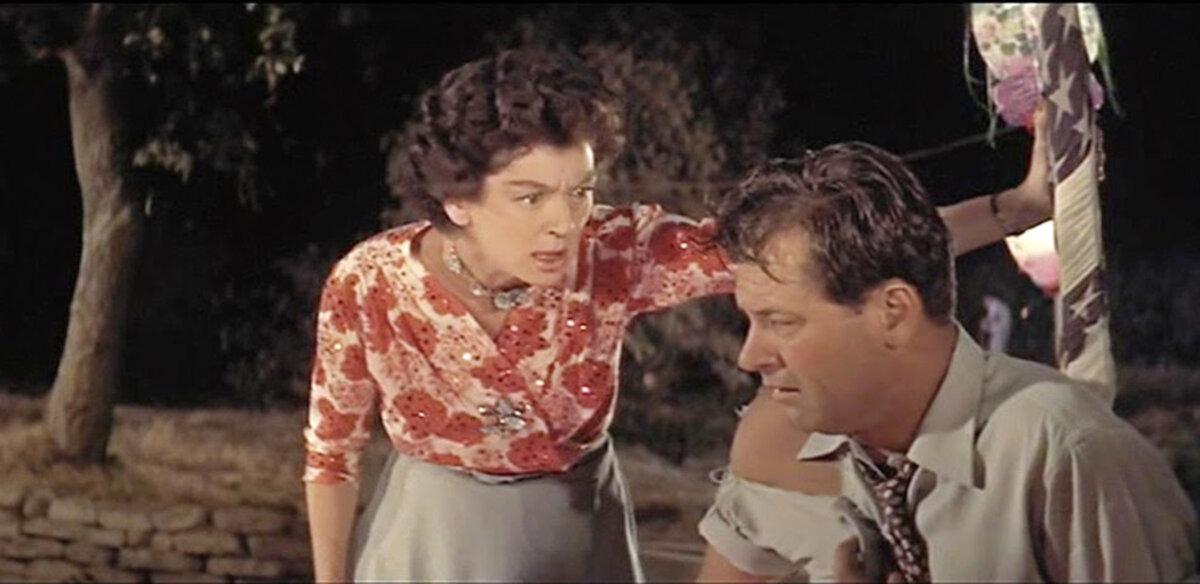
Hal is what seems to be the ideal of masculinity—handsome, athletic, confident. But what makes him compelling is the fact that he’s a somewhat lost and damaged soul. He arrives in town with charm and good looks, but very little else. The life he thought he’d have never happened, and now he’s scrambling for a second chance, hoping someone will see more in him than he sees in himself.
That’s not rebellion, it’s just honest human doubt. Novak brings all of that to life. She’s not just a pretty face; she’s watchful, hesitant, and deeply aware that every choice she makes could change the course of her life.
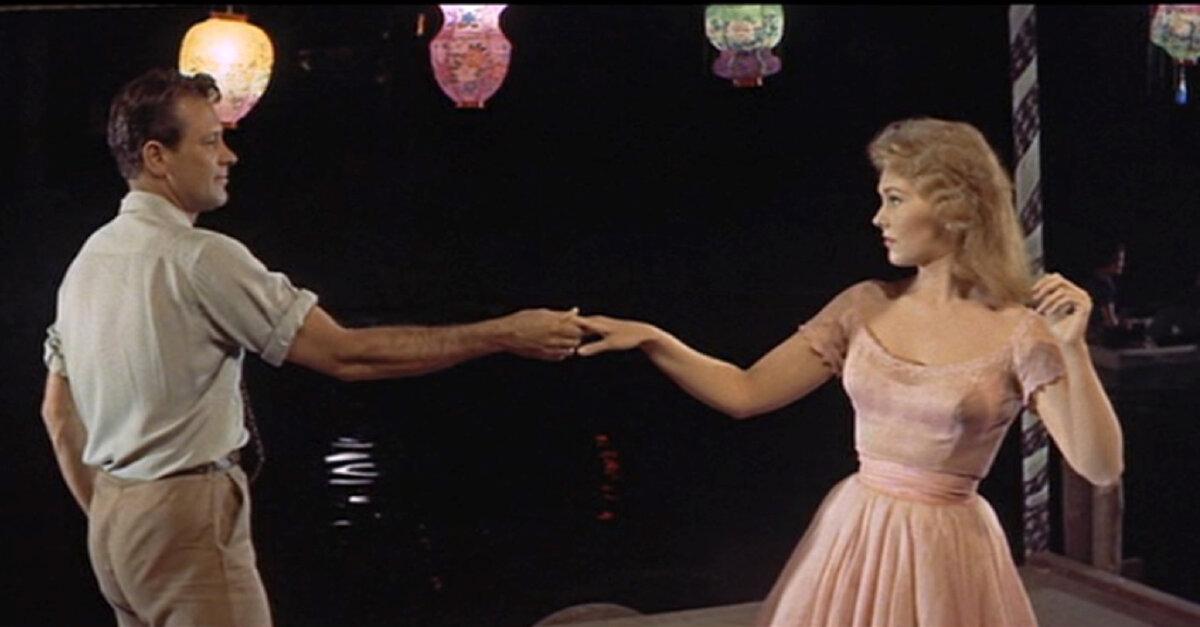
Subtle, dry humor keeps things from getting too heavy: jealous glances over punch bowls and tipsy schoolteachers declaring their affection like they’re in a Greek tragedy. The famously gorgeous slow dance (no spoiler) says more in silence than dialogue ever could.
“Picnic” is about people wanting what everyone wants: love, stability, and to be seen for who they really are. It doesn’t tear down the world it’s set in; it simply looks at it honestly. With sympathy, “Picnic” shows how hard it is to live up to expectations and how brave it is to admit to wanting something more.
It’s not a perfect movie. Some scenes are a little too dramatic, and the ending leans more toward the romantic than the realistic. But it works. It shows how hard it is for characters to figure out who they are and how much they want to be understood.