Most of us learned the stories in elementary school. In 1607, a band of entrepreneurs and adventurers settled in Virginia, naming their settlement Jamestown in honor of their king. Here, Pocahontas allegedly saved John Smith from execution, and Smith, in turn, saved the starving colony by paraphrasing and enforcing the scriptural adage, “He that will not work will not eat.”
Nearly 500 miles north, another company of English settlers landed in 1620 in what we today call Massachusetts, founding a colony there—Plymouth. The stalwarts of these colonizers were the Pilgrims, who had sailed to the New World seeking freedom of religion and an escape from political persecution.
Soon others followed: Catholics to Maryland, Quakers to Pennsylvania, Dutch merchants to New York, an array of settlers ranging from gentlemen seeking a fortune to ex-convicts sent into exile. As the numbers abounded, and as 13 colonies became a new nation, the push westward began—trails cut through woods, streams forded, rivers navigated by flatboats, mountains conquered. All across a continent these trickles and rivulets of settlers turned the land into farms, towns, and then enormous cities.
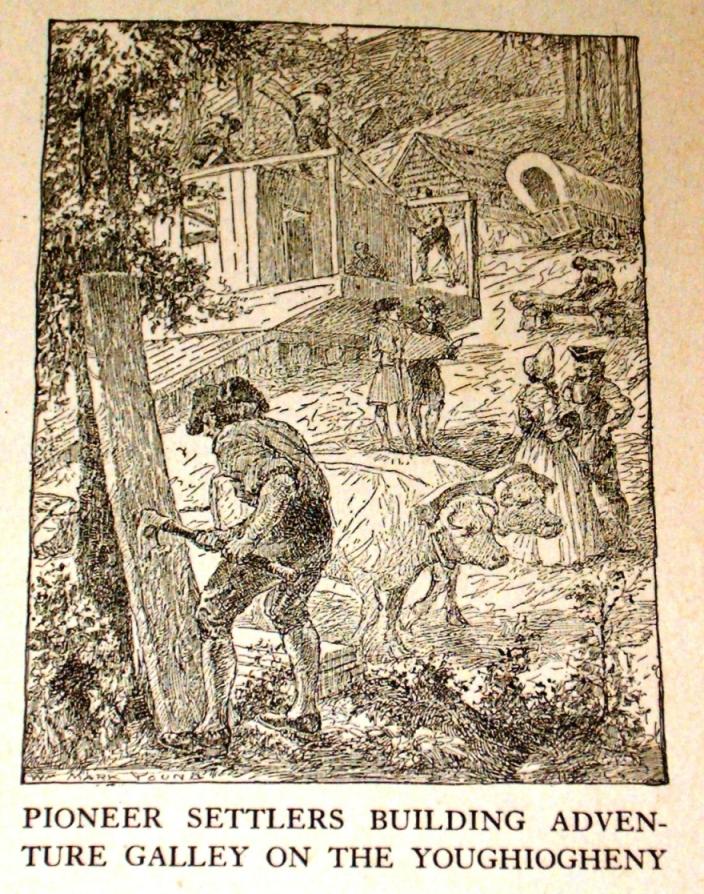
Our Wandering Ancestors
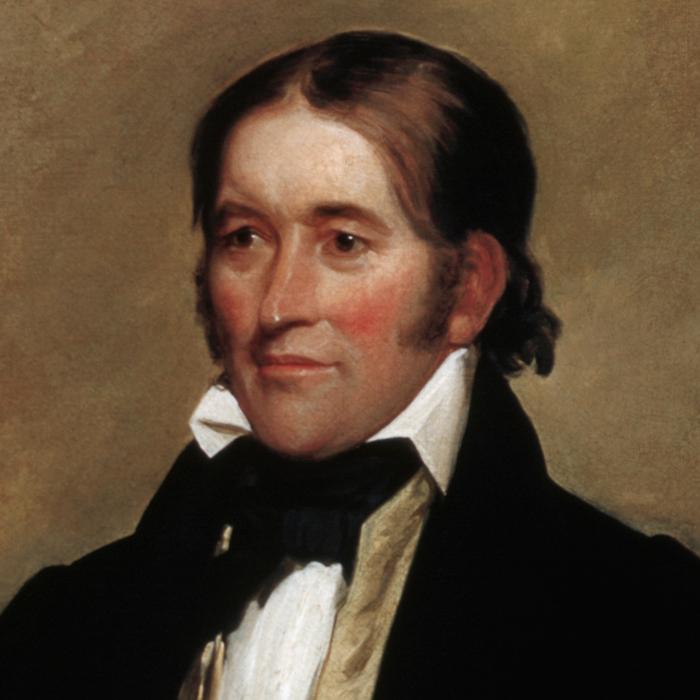
Certainly, the physical frontier had come to an end in the lapping waters of the Pacific Ocean. Those enormous forests so plentiful with game, those plains in Texas once commanded by the Comanche, the snowcapped Rockies and rich soil of California, all succumbed to the westward march of Americans.Straight as a pine at sixty-five— Time enough for a man to thrive— He launched his bateau on Ohio’s breast And his heart was glad as he oared it west; There was kindly folk and his own true blood Where great Missouri rolls his flood; New woods, new streams, and room to spare, And Daniel Boone found comfort there.
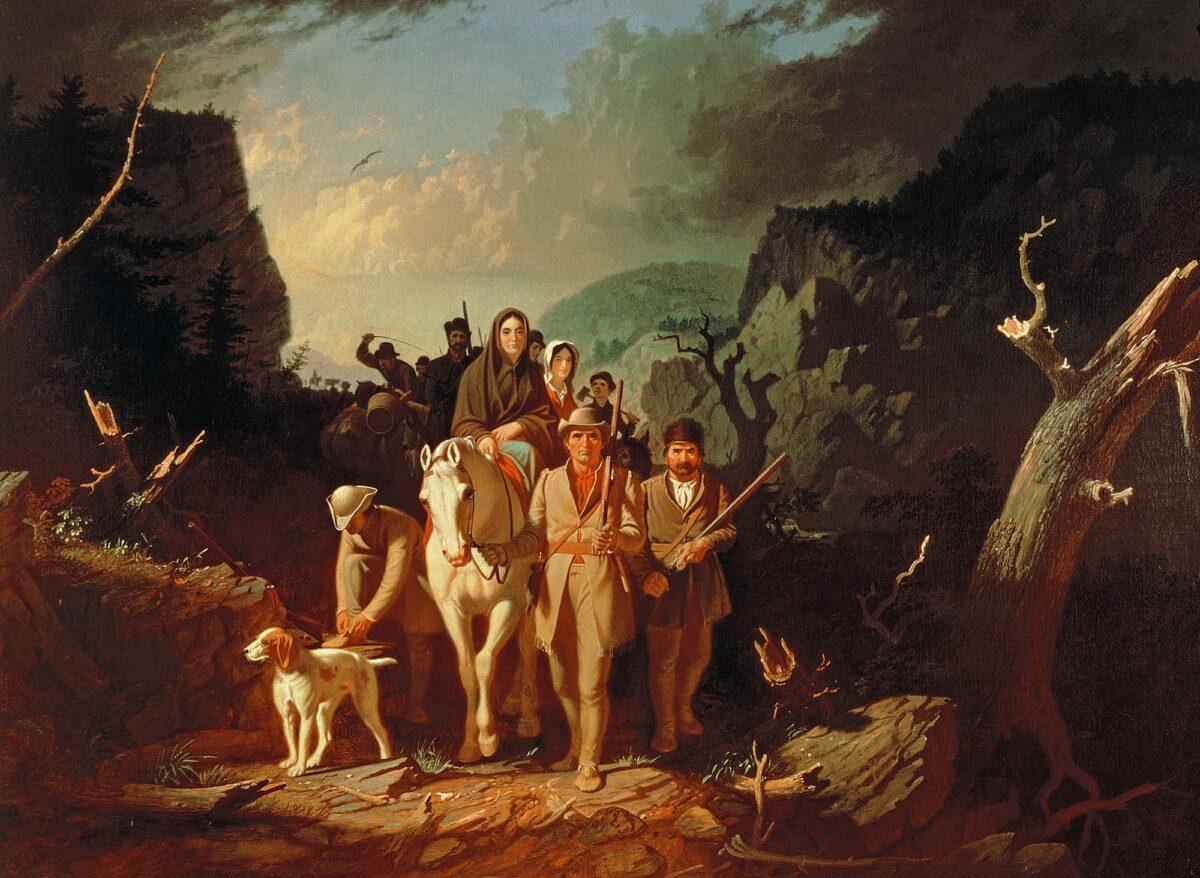
Settlers trailed behind these advance scouts with their mules, oxen, and wagons, putting down stakes, planting corn and wheat, battling blizzards and droughts. One quintessential representative of these searchers for a better life was Charles Ingalls, that beloved figure in the “Little House” books who was always looking for greater opportunities. In “Little House on the Prairie,” we read:
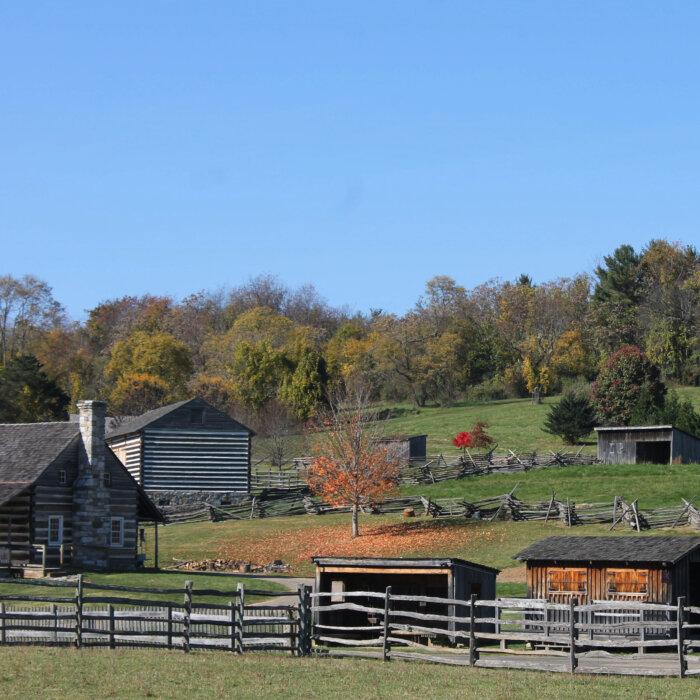
“Pa and Ma and Mary and Laura and baby Carrie left their little house in the Big Woods of Wisconsin. They drove away and left it lonely and empty in the clearing among the big trees, and they never saw that little house again.”
Pa was off and running toward new prospects, and so were countless other Americans.
20th-Century Pilgrims and Pioneers
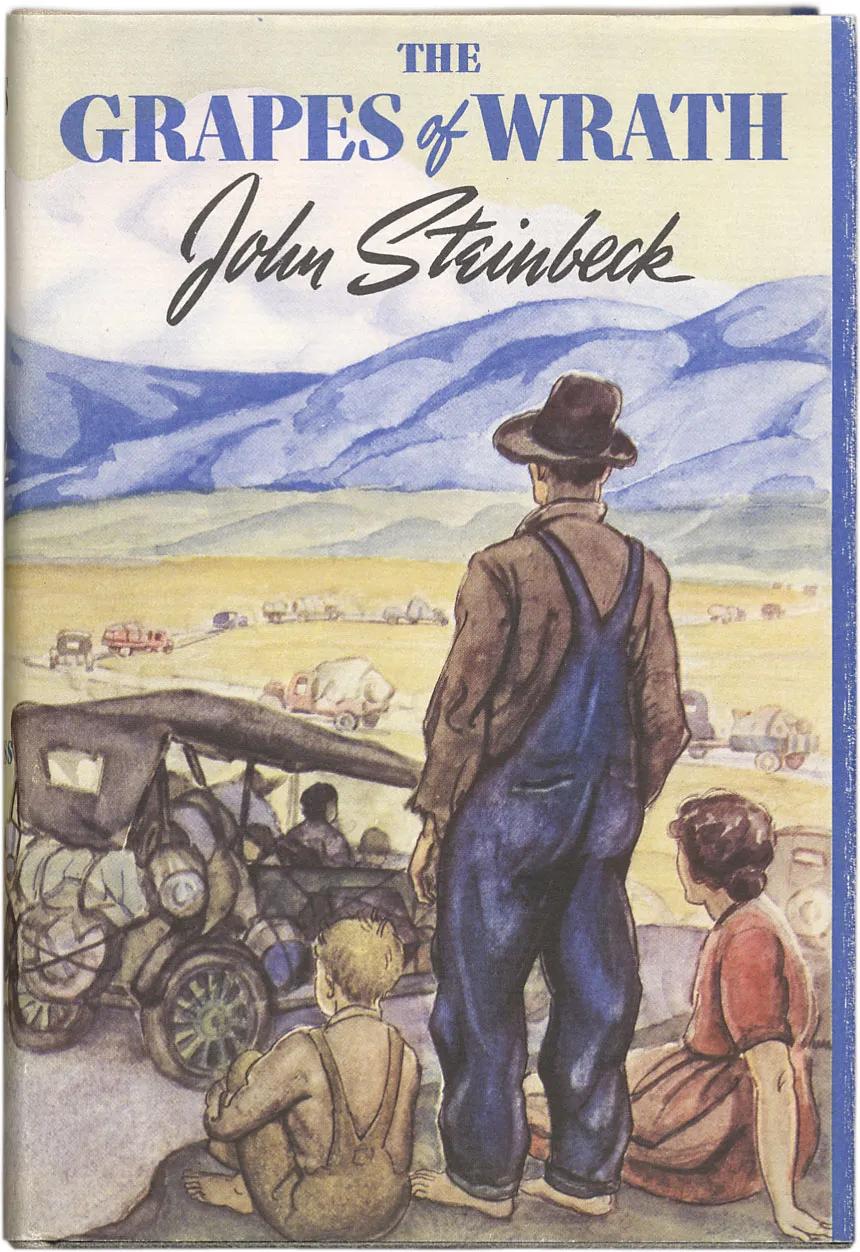
From 1910 to 1970, a quest for freedom and opportunity created the Great Migration. That’s when large numbers of black Americans migrated from the Jim Crow South to the North and Midwest, seeking an escape from racial segregation and a chance for higher wages. During and after World War II, poor Appalachian whites also trekked north, looking for work and an escape from poverty.Because of John Steinbeck’s novel “The Grapes of Wrath,” the Okies, victims of the drought and the Great Depression, are perhaps the best-remembered group of Americans who pulled up stakes and left for greener pastures, heading for California in cars and trucks piled high with furniture and packed with family members. As one of Steinbeck’s characters says:
“Why don’t you go on west to California? There’s work there, and it never gets cold. Why, you can reach out anywhere and pick an orange. Why, there’s always some kind of crop to work in. Why don’t you go there?”
Meanwhile, the 20th century also witnessed individuals, particularly the young, leaving home to follow their dreams. Budding writers like North Carolina’s Thomas Wolfe headed to New York City, the center of the publishing world. Would-be actors traveled to Broadway or to Hollywood, working odd jobs while hoping for the lucky break that might make them a star.
And on It Goes
This new century revealed Americans still packing up U-Hauls and heading to distant parts. And, as in the past, work and job opportunities accounted for the bulk of these moves. Emma Frick and her husband Justin, both recently certified as electricians after receiving a scholarship through the mikeroweWorks Foundation, moved from Minnesota to Charlotte, North Carolina, because, as Emma said, “Charlotte’s growing exponentially, and there’s a ton of work.” Both readily found employment there.Today, there’s also another factor in play in these interstate migrations. As with the Pilgrims, some people are moving to escape repressive regulations, taxes, and laws of a particular state. With their high taxes and their mismanaged and often restrictive governments, both New York and California have seen people leaving in droves over the last decade for places like Florida, Texas, and other less-regulated states.
Our Frontier Roots
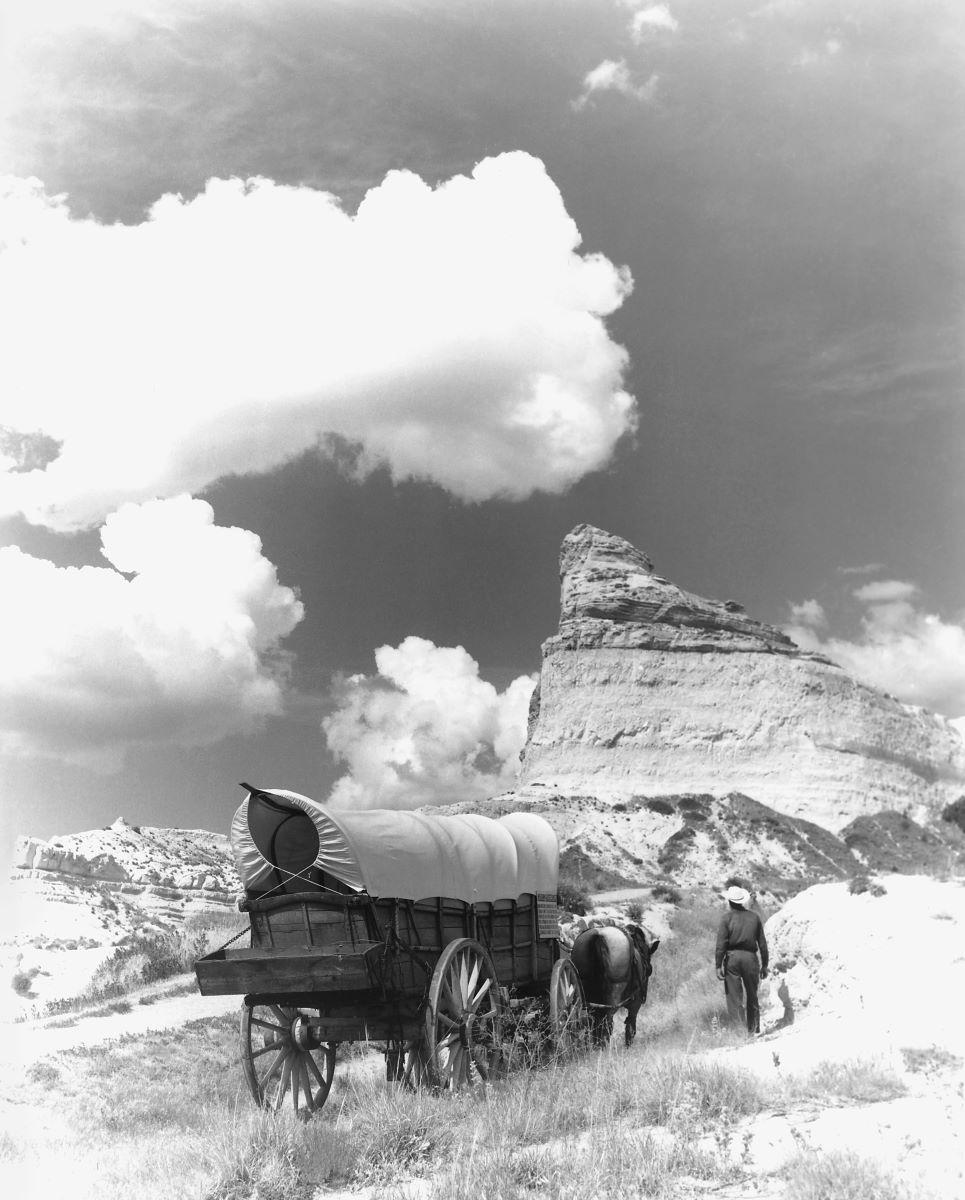
America is a land conducive to such freedom of movement. It is vast, with plenty of choices—the mountains, the coast, small towns, big cities, farms—from which to pick. Its common language, English, also helps us make these moves, and moving from state to state offers few legal barriers.
“The result is that, to the frontier, the American intellect owes its striking characteristics. That coarseness and strength combined with acuteness and inquisitiveness, that practical, inventive turn of mind, quick to find expedients, that masterful grasp of material things, lacking in the artistic but powerful to effect great ends, that restless, nervous energy, that dominant individualism, working for good and for evil, and withal that buoyancy and exuberance which comes with freedom—these are traits of the frontier, or traits called out elsewhere because of the existence of the frontier.”
Whether it’s moving hundreds of miles away to be closer to the grandchildren or taking a job in Albuquerque after 30 years in Poughkeepsie, dreaming of bigger and better things, then taking the risk and pulling up stakes is as American as the proverbial apple pie.
Our frontier past helps make us who we are.