Hearing that word “influencer” makes me chuckle. For one thing, I’ve met young people a third of my age who without any discernible gifts or wisdom aspire to earn big bucks and fame as influencers, and some may well do so. For another, real experts are often ignored. All across the nation, for example, the child-raising advice of countless grandmothers goes unheard and unheeded while some 30-year-old mom with a 3-year-old attracts 1 million online followers.
The Fathers of the ‘Father of His Country’
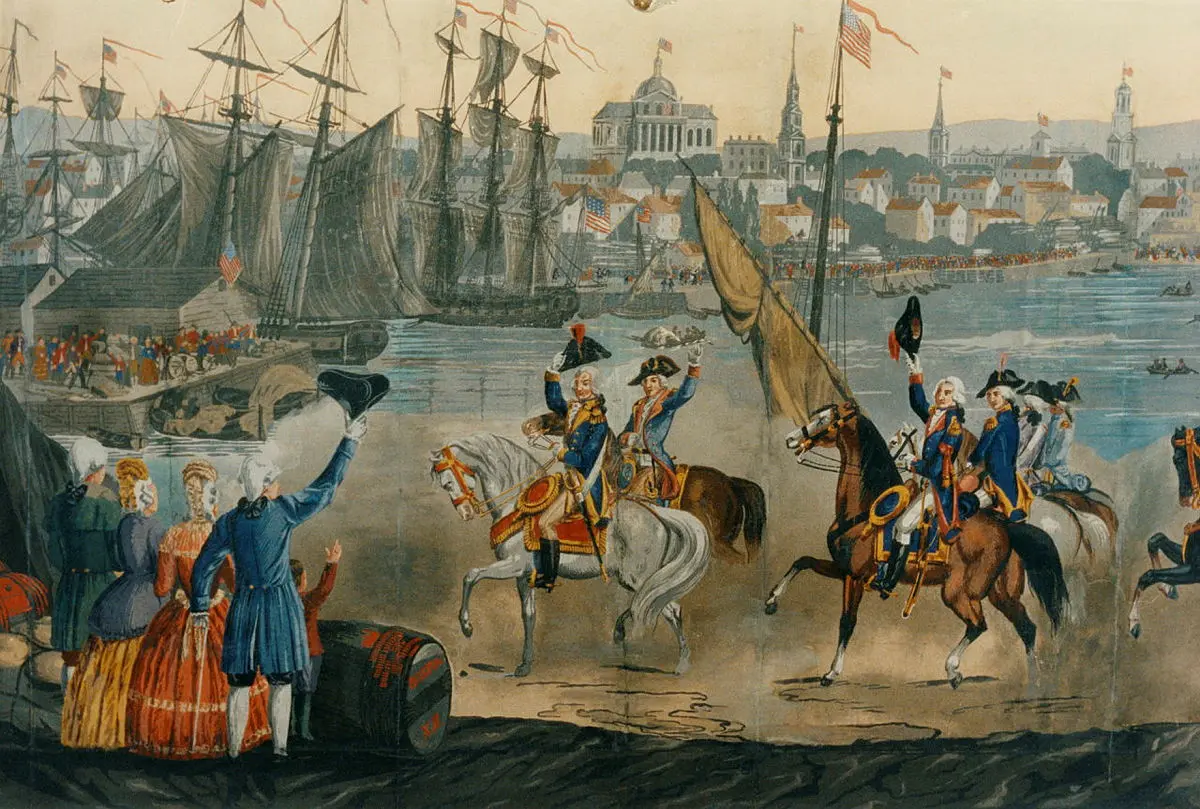
George Washington (1732–1799), often referred to as the “Father of His Country,” was 11 when his own father, Augustine, died unexpectedly. Fourteen years older than George, his brother Lawrence stepped up to guide his sibling toward adulthood. George revered Lawrence and followed his advice concerning his education and early military service.Two months after their father’s death, Lawrence married Anne Fairfax, a member of the wealthiest family in Virginia. This marriage served to bring George into social circles that might otherwise have eluded him. The head of this clan, Lord Fairfax, took a liking to George, encouraged him in his studies, and appointed the 15-year-old to his first position as a surveyor, a challenging job on the frontier that strengthened him physically and encouraged a sense of independence and self-sufficiency.

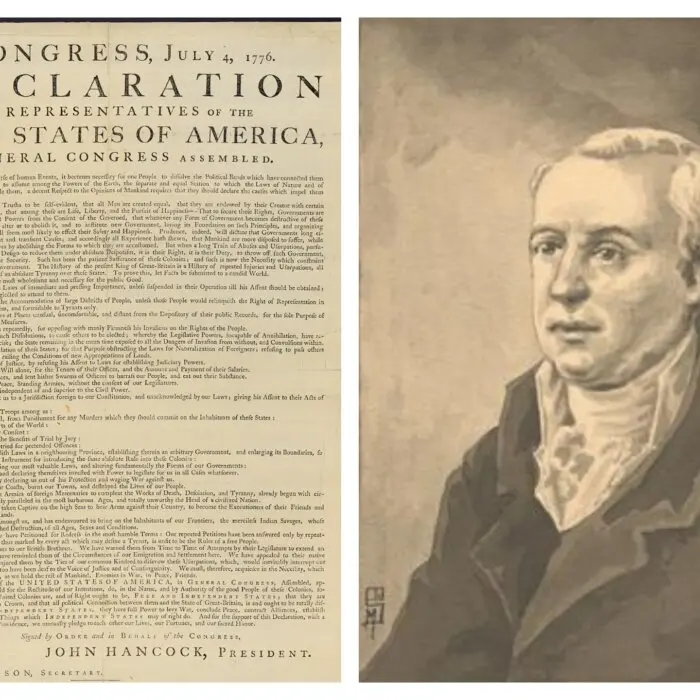
How Abigail Became ‘Portia’
As the wife of John Adams, Abigail Adams (1744–1818) frequently signed her letters to him and to friends “Portia,” wife of the Roman statesman Brutus as well as the forthright and intelligent heroine in Shakespeare’s “The Merchant of Venice.”The Rev. William Smith, Abigail’s father and minister, wanted an education for his daughter. Once she’d learned to read, she was allowed free range in his extensive library, delving into books of history, theology, philosophy, ancient history, and poetry. Her father likewise stressed the importance of duty and generosity, lessons reinforced by her mother, who often prepared meals for the less fortunate and tended the sick in their town of Weymouth, Massachusetts.
Other familial influencers included Abigail’s maternal grandfather, Col. John Quincy, a prominent Bostonian who for 40 years served as speaker of the Massachusetts Assembly. While he too opened his library to Abigail, the chief life lessons that she took from this mentor stemmed from his interest in public affairs, which sparked her early zeal for the cause of liberty. Her high regard for Quincy led Abigail to take that name for her first son, who later became the sixth president of the United States.
Finally, a major influencer, perhaps the chief one, was her husband, John Adams, whom she married at age 19. During their marriage of 54 years, Abigail and John Adams were like mutual whetstones, sharpening each other, a husband-and-wife team bringing out the shine in each other.
Teachers
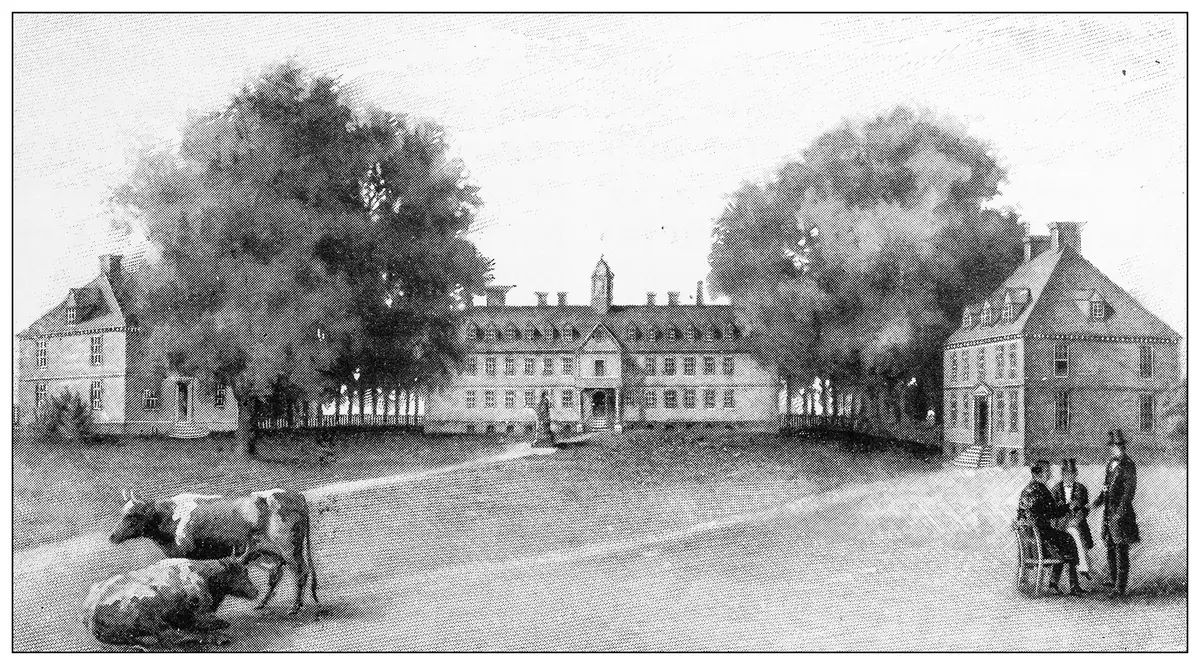
As adults, both Washington and Adams lamented their lack of a classical education, that is, the study of Greek and Latin.He received an excellent education in the classics, instruction in which he excelled. Following the death of his father when Jefferson was 14, he was sent to a private school in nearby Charlottesville, Virginia. There the Rev. James Maury taught Jefferson literature, history, the classics, and other subjects. Another future president, James Madison, was also one of Maury’s students. Maury’s son, also named James, became Jefferson’s lifelong friend. Jefferson would always remember his days in that school with fondness and gratitude.
Spheres of Influence
Shaped by parents, teachers, mentors, and books, Washington, Adams, and Jefferson in turn helped shape a nation. In doing so, they became exemplars for generations of Americans, mentors whose deeds and words made them figures worthy of imitation. Even today, 250 years later, many of us look to such figures for takeaways that might enable us to become as they were.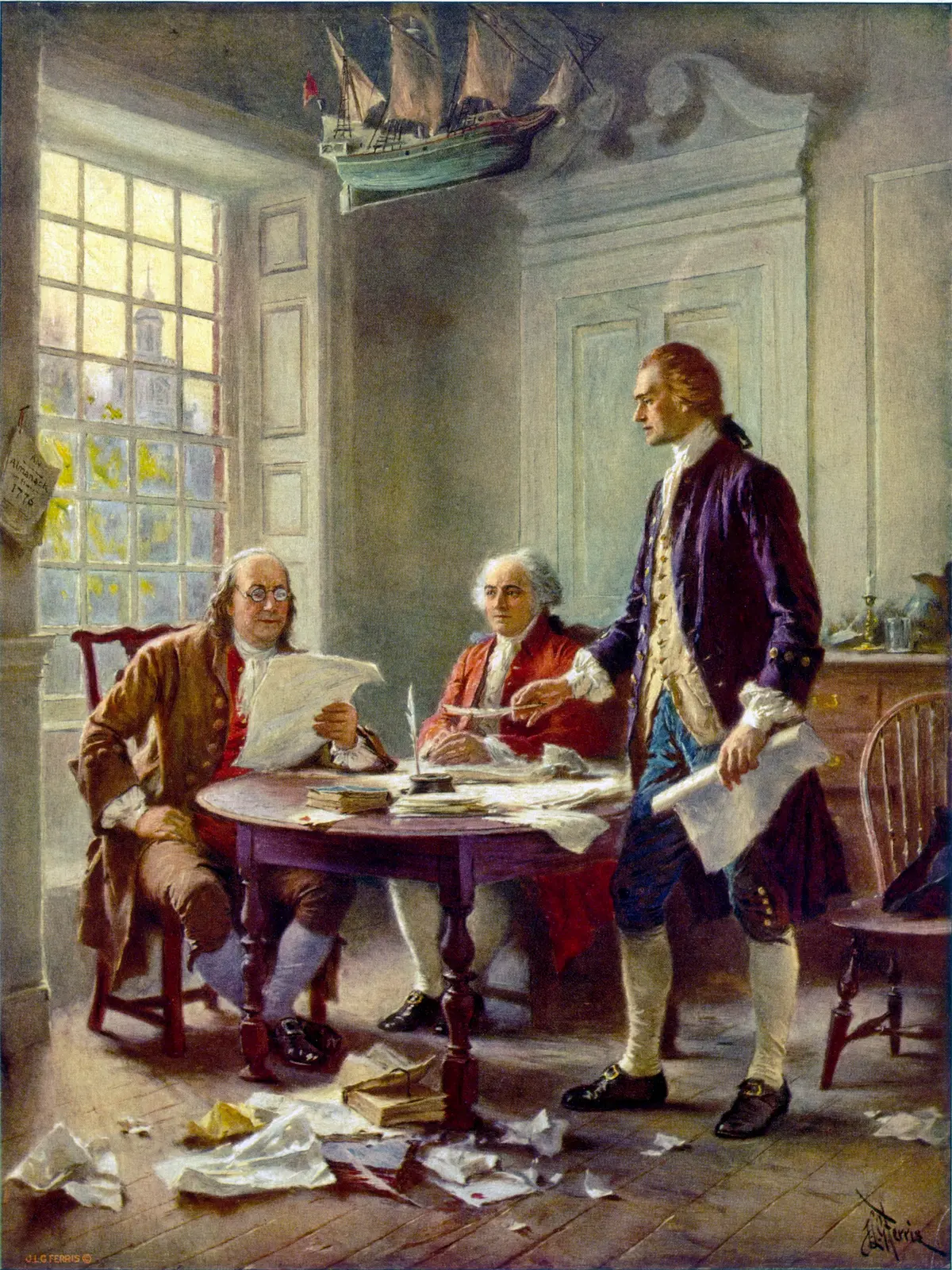
But there’s another lesson tucked away here. We are, each and every one of us, both influencers and influenced from birth to death. The babe in the cradle shapes his parents just as surely as they shape him. The daughter caring for her dying mother will rightly appear to others a paragon of goodness, but the ordeal will in turn shape and change her.
Once we fully understand these back-and-forth interactions, we find ourselves presented with daily opportunities for self-improvement. We can intentionally strive to be better examples to others, and we can in turn select guides who help us along the way.
“A teacher affects eternity; he can never tell where his influence stops,” wrote historian Henry Brooks Adams in his autobiography, “The Education of Henry Adams.” Adams was speaking of schoolmasters and professors, but in the greatest of classrooms, life itself, we are all teachers; we are all students.
In this classroom, what we learn is who we become; what we teach is who we are.