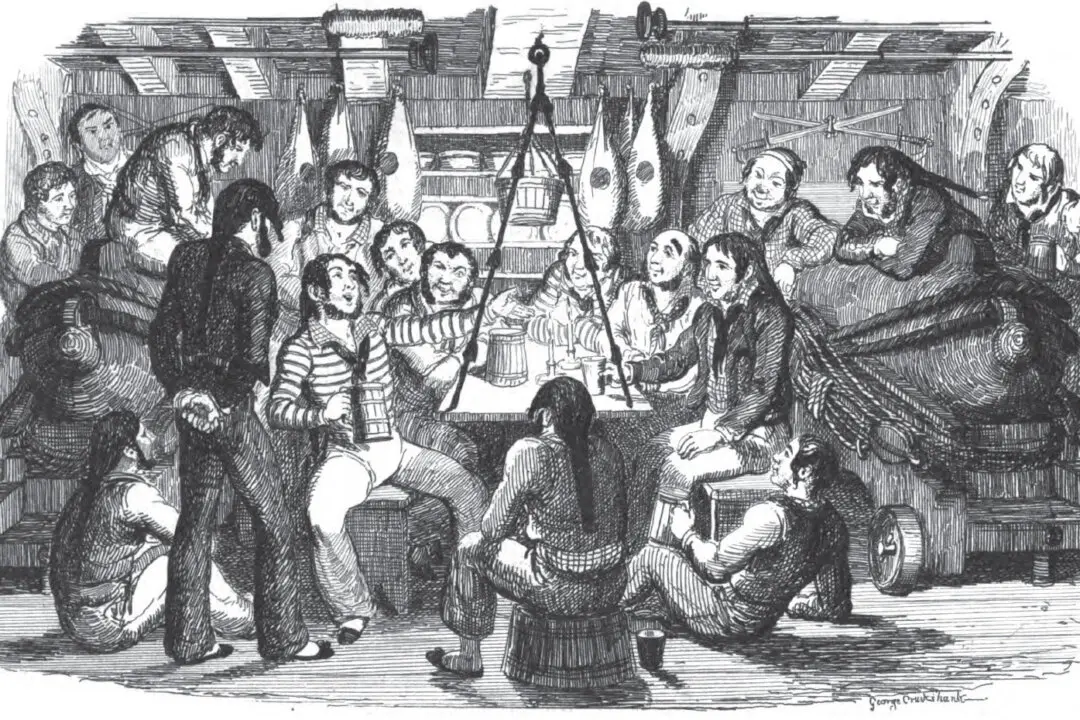
How can one’s faith remain intact after losing everything? And how can one manage to find peace again after tragedy?
Turning Pain Into Purpose
Horatio Gates Spafford (1828–1888) was a distinguished lawyer in Chicago who was also involved with his Presbyterian church. When he wasn’t working, he could be found teaching Sunday school or discussing theology with his fellow worshipers.In the spring of 1871, Spafford invested in a significant amount of real estate. But months later, in October, the Great Chicago Fire destroyed much of his investment, creating economic hardship for his family. After the disaster, he and his wife, Anna, spent years attempting to rebuild their finances.
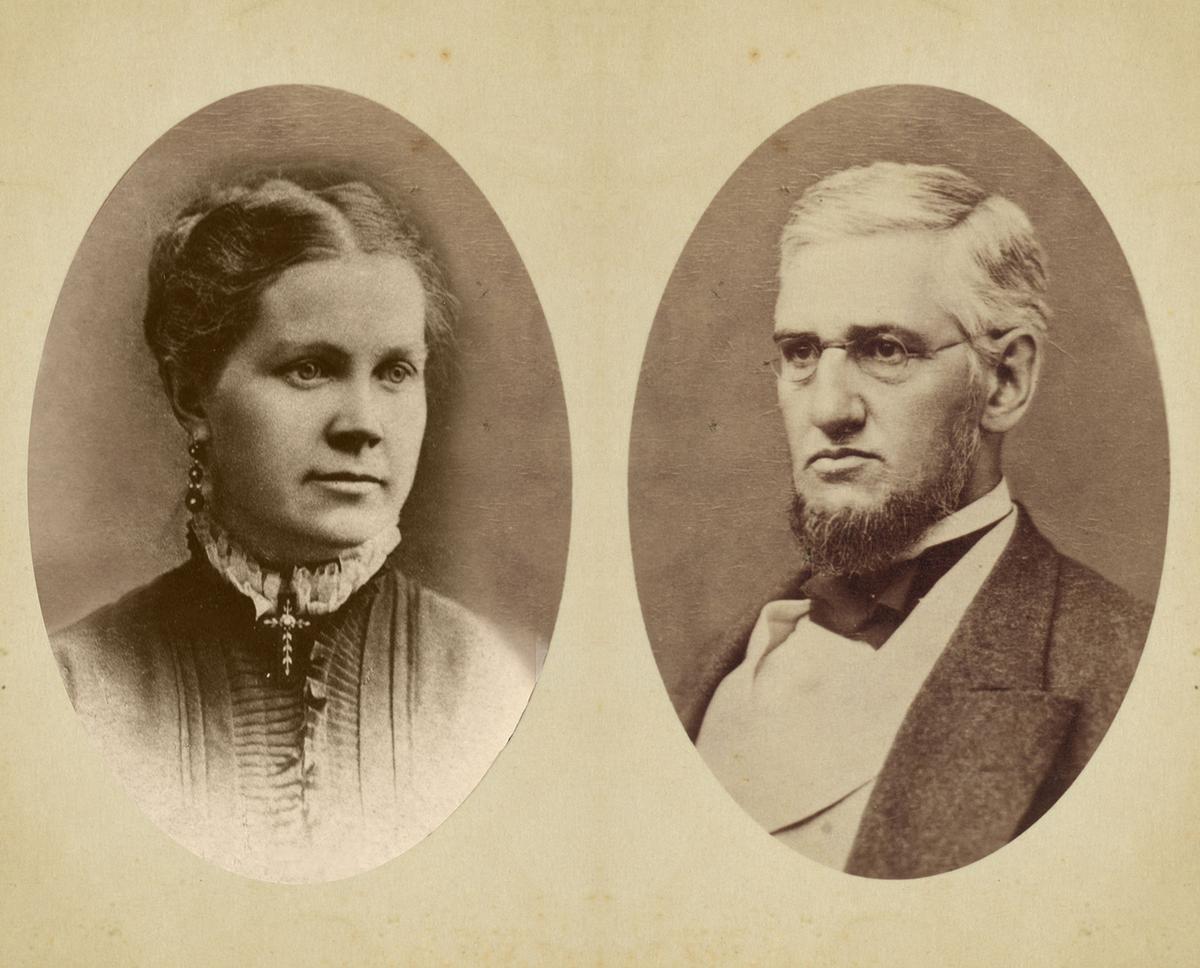
Emotionally spent from the fire’s devastation, Spafford eventually suggested vacationing in Europe to his wife and four young daughters, Annie, Maggie, Bessie, and Tanetta. In 1873, Anna and their daughters boarded a ship bound for France, the SS Ville du Havre. Horatio planned to meet them at a later date after taking care of business in the United States.
While crossing the Atlantic Ocean, the SS Ville du Havre sank in the cold November waters when it was hit by another ship, the Scottish Loch Earn. His four daughters didn’t survive the wreckage, but Anna was eventually pulled to safety by a shipmate sailing with the crew of the damaged Loch Earn.
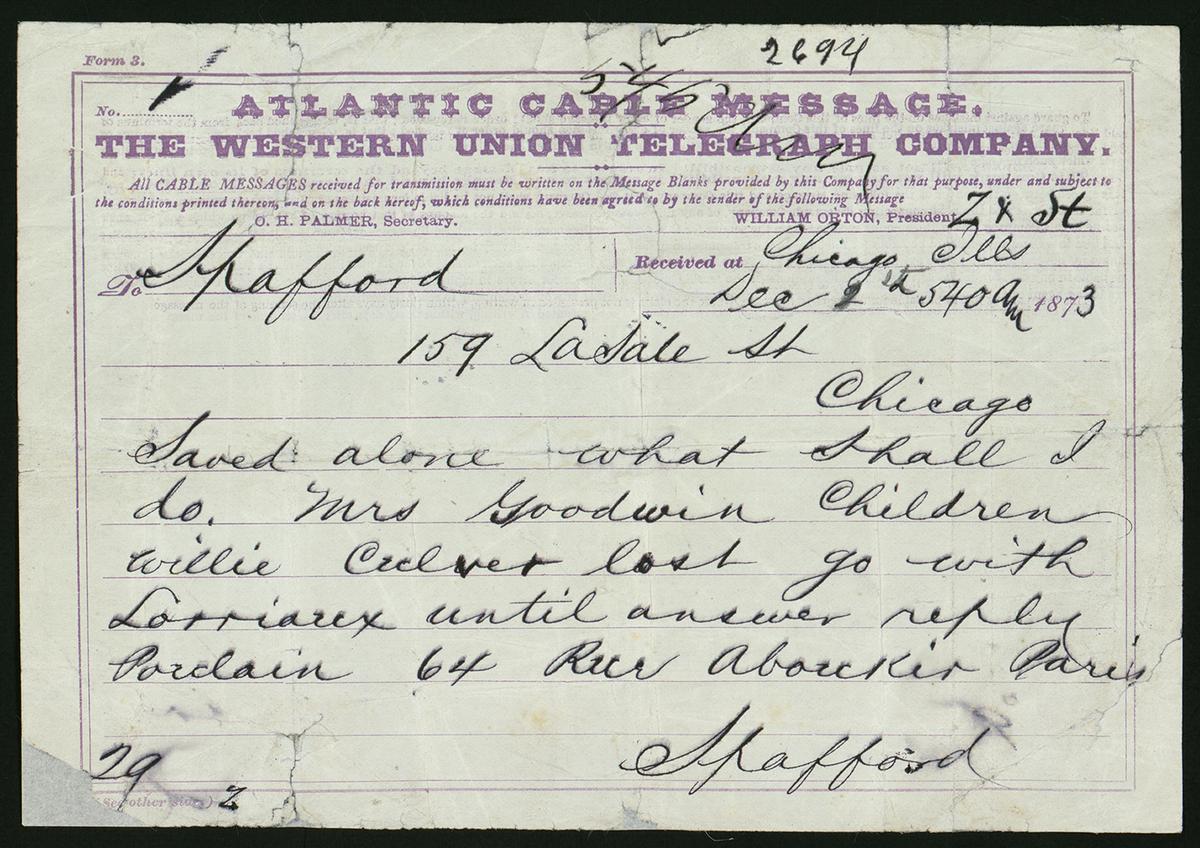
The survivors ultimately sought refuge on a ship headed for Cardiff, Wales, and when Anna arrived, she immediately sent her husband a short telegram describing the loss of life. She began the correspondence by asking him a poignant question.

“Saved alone. What shall I do?”
‘Peace Like a River’
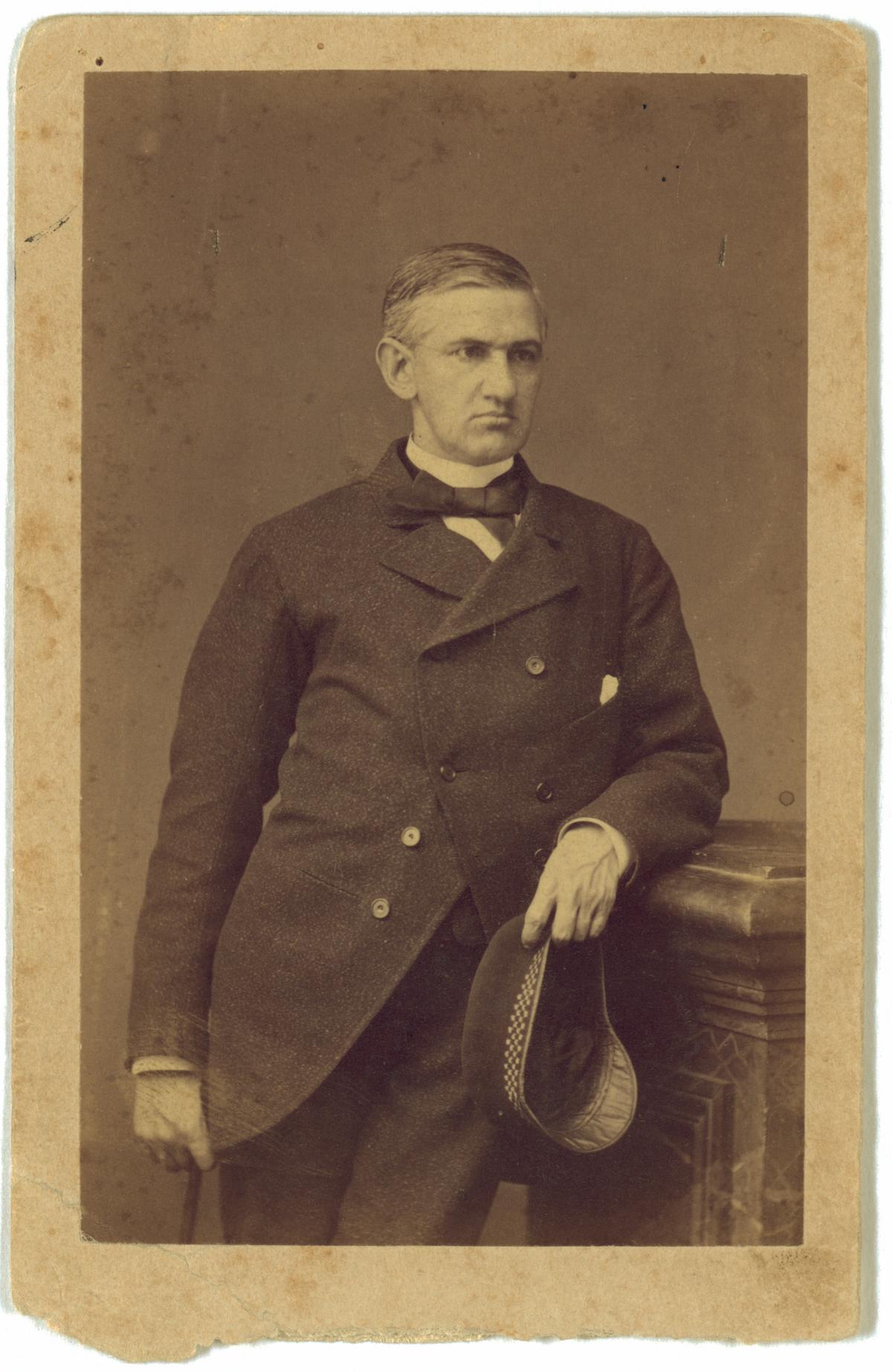
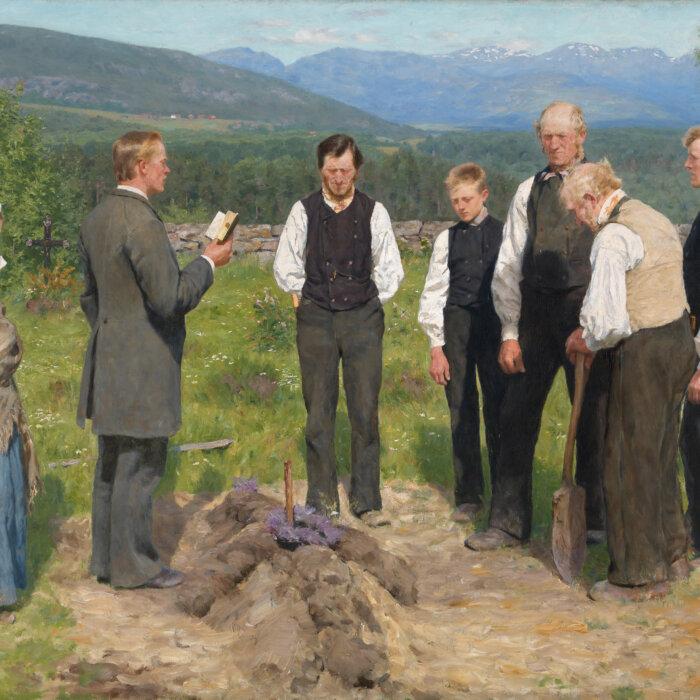
As Spafford made his way across the Atlantic, the vessel he boarded took the same route his wife and daughters’ ship had. At one point, the ship’s captain pulled him aside and told him they were passing over the location where the SS Ville du Havre had succumbed to its fate mere weeks before.
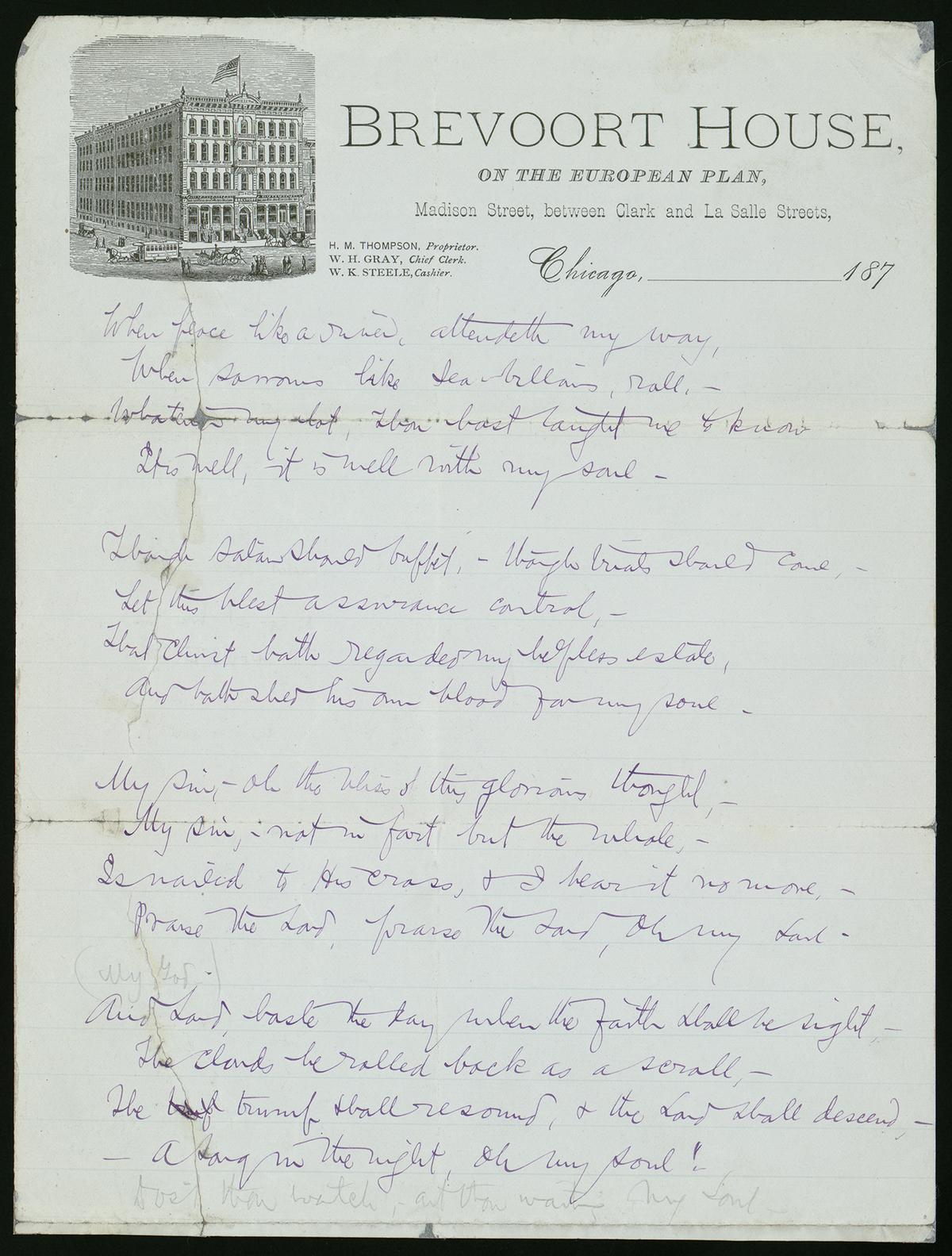
The Spaffords’ faith was a key source of comfort as they grieved the loss of their daughters.
The Healing Gift of Song
Years after his voyage, in 1876, Mr. Spafford’s friend and composer Ira Sankey and fellow composer Philip Bliss visited his household for a few weeks. During this time, Spafford completed the song’s lyrics and Bliss set his words to melody. Sankey and Bliss first published “It Is Well With My Soul” in their collection “Gospel Hymns No. 2.”The song once again provided comfort to the Spaffords in 1880 when their 4-year-old son died from scarlet fever.
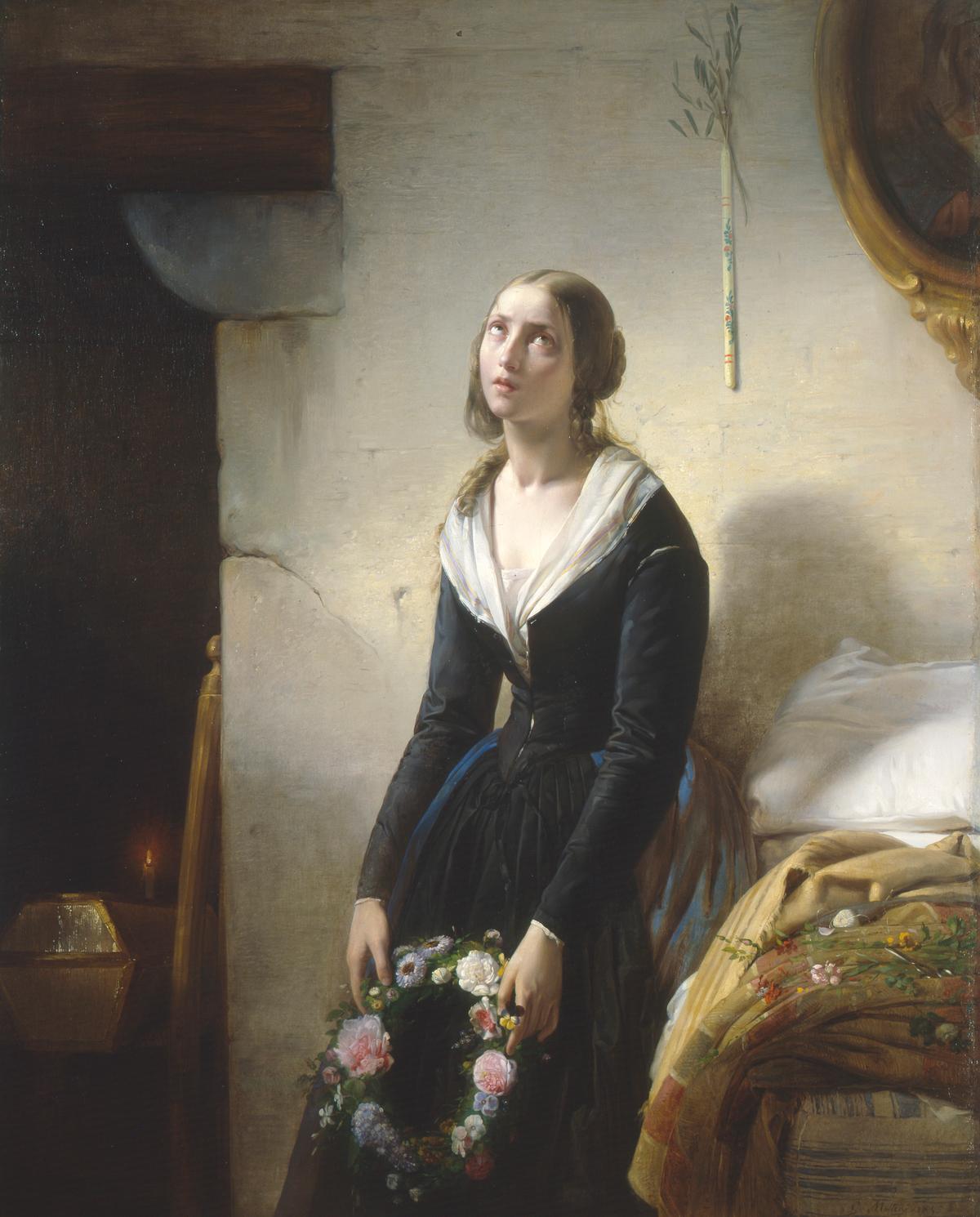
Spafford viewed “It Is Well With My Soul” as a way to honor his children’s memory. Today, those navigating grief are filled with a renewed sense of spirit when they listen to the hymn’s calming lyrics and tranquil melody.
The song has been reprinted and recorded so many times that it has become a universally spiritual work that has consoled countless individuals through waves of grief.
People continue to be inspired by Spafford’s resolve. Amid unthinkable tragedies, this man gave meaning to his suffering and created a healing song for all to receive its peaceful message.