Henry sets forth Thanksgiving as “one day when all we Americans who are not self-made go back to the old home to eat saleratus biscuits.” He calls it a “purely American” day.
On this “purely American” day, at 1 o’clock, the hobo Stuffy Pete sits on “the third bench to the right as upon entering Union Square.” Stuffy Pete has repeated this tradition for the past nine years, and for the past nine years, something wonderful has always happened to him.
Today, he sits down on the bench, stuffed beyond belief with a meal given to him by two old ladies who have a yearly tradition of giving a lavish Thanksgiving dinner to a random vagrant. He’s so full that “his eyes [are] like two pale gooseberries firmly imbedded in a swollen and gravy-smeared mask of putty.”
As he sits wheezing, Stuffy Pete suddenly becomes aware that the Old Gentleman is now approaching him. This Old Gentleman, for the past nine years, has approached Stuffy Pete on the same bench and has offered to take him to the same diner and feed him the same large Thanksgiving meal.
Daring to Dine
The Old Gentleman repeats his nine-year offer, and in accordance with tradition in spite of his stuffed situation, Stuffy Pete says, “Thankee, sir. I’ll go with ye, and much obliged. I’m very hungry, sir.” Pete then follows the Old Gentleman to the diner, where the Old Gentleman orders “turkey, chops, soups, vegetables, [and] pies.”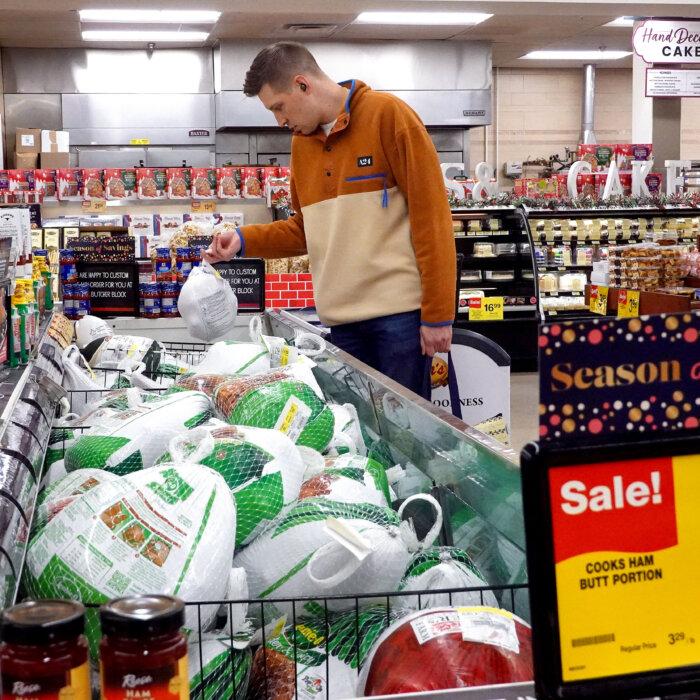
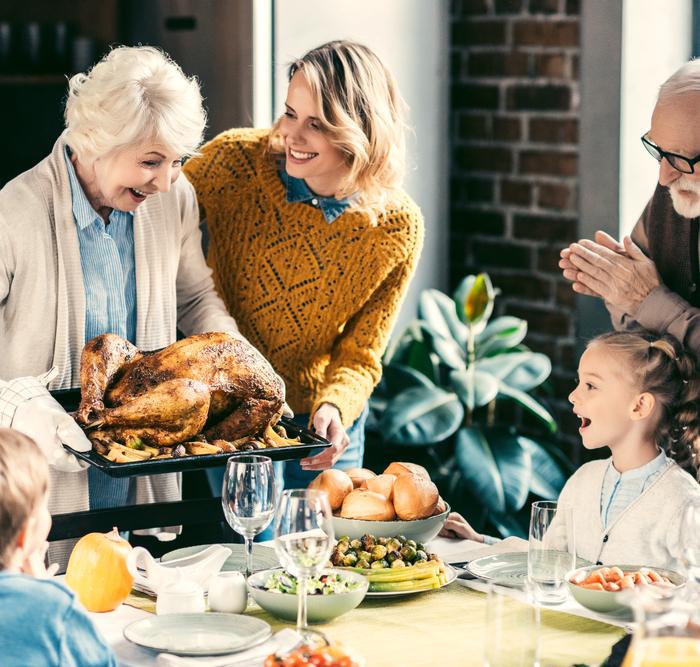
Like a knight who refuses to fail in his task, Stuffy Pete works diligently at devouring every single bite in front of him. As the plethora of plates appears, Pete sees “the look of beneficent happiness on the Old Gentleman’s face … and he [has] not the heart to see it wane.” So he finishes the meal with a valiant effort.
Then Pete thanks the Old Gentleman, saying, “Thankee kindly, sir, … thankee kindly for a hearty meal.” This hard-fought battle doesn’t come without its losses as, after Stuffy Pete and the Old Gentleman part ways, Pete collapses to the ground, his stomach groaning.
Henry shows, as Laura Ingalls Wilder wrote in her column for the Missouri Ruralist, that “some old-fashioned things like fresh air and sunshine are hard to beat. In our mad rush for progress and modern improvements let’s be sure we take along with us all the old-fashioned things worthwhile.”
Through this story, Henry demonstrates not only the gratification of traditions but also the strength that is required to carry them out. When upheld, they connect past with present and, in doing so, give definition, value, and stability to the present. Without the past and traditions, the present is but a ship drifting, cut from any safe harbor. Thus, while traditions may seem trivial or farcical, they reassure and warm the soul, even if for only one day out of the whole year.