PG-13 | 2h 28m | Drama, War, History | 2025
Six months after the end of the European hostilities in World War II, the United States, Great Britain, France, and the Soviet Union banded together to prosecute 22 members of the Nazi hierarchy for war crimes that resulted in the Nuremberg trials.
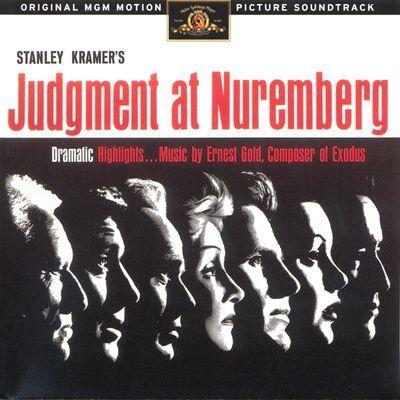
In the years since Nuremberg, the lead target of the trials (Hermann Göring) has been featured in (now) 44 movies, TV shows, and documentaries. Oddly enough, the highest profile movie about the Nuremberg trials (“Judgment at Nuremberg” from 1961) strayed so far from the facts that the names of all of the principal characters were changed, including Göring’s.
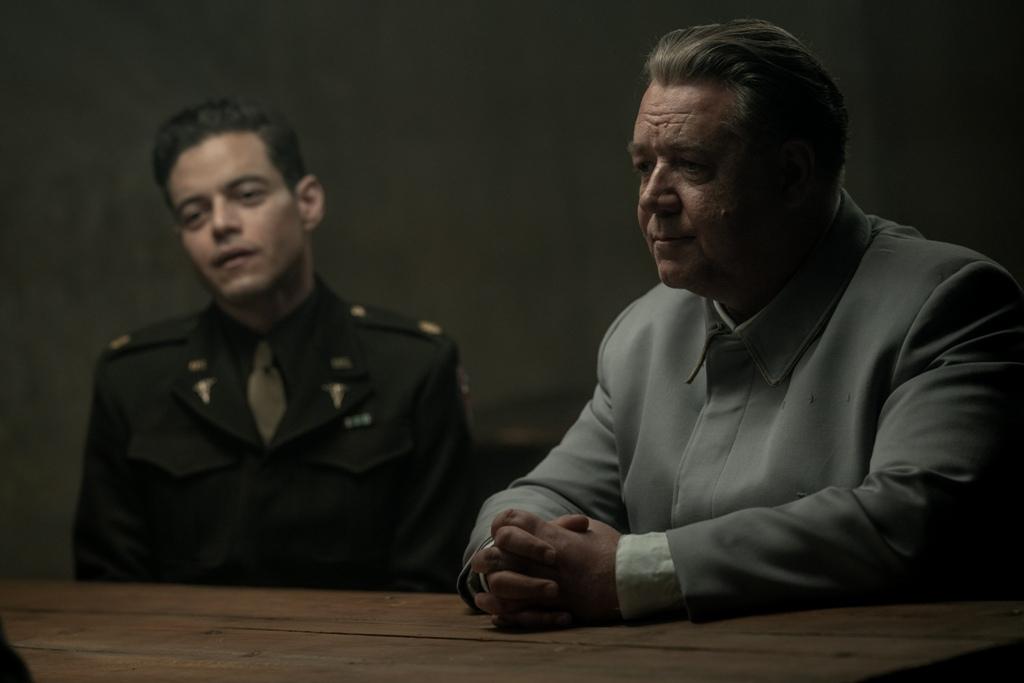
Delivering his best performance in nearly a decade, Russell Crowe portrays Göring in filmmaker James Vanderbilt’s sprawling “Nuremberg.” One might think that putting a new spin on a nonfictional character with such a storied cinematic past would be next to impossible, yet Crowe does so and more.
Rather than lean in hard like so many portrayals have done in the past, Crowe’s Göring is carefully coiled, a poker-faced menace. A mere week after the death of Adolf Hitler, Göring willfully surrendered to Allied soldiers, with the rationalization that fighting or fleeing would almost certainly result in his (likely violent) demise.
Self-Deluded
Overconfident to the point of delusion, Göring is convinced that he can and will emerge victorious in the wake of the international tribunal that lasted nearly 10 months. Göring is so assured of being cleared of four charges that he is one of three defendants to wear a military uniform during the trials.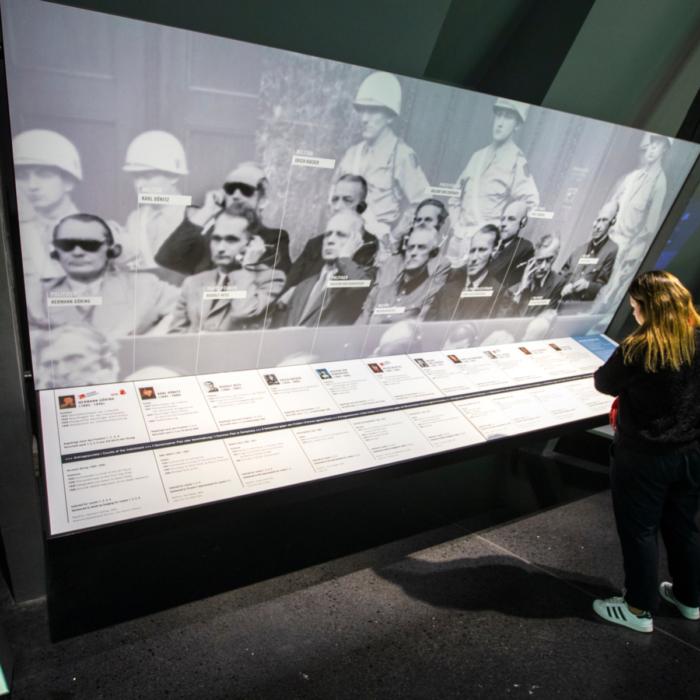
Before the proceedings begins in November 1945, Göring spends months being observed and questioned by multiple psychiatrists, principally Lt. Col. Douglas Kelley (Rami Malek). This is done to ensure Göring is competent to be tried, and never once does he feign mental illness or incapacity.
Malek Finally Delivers
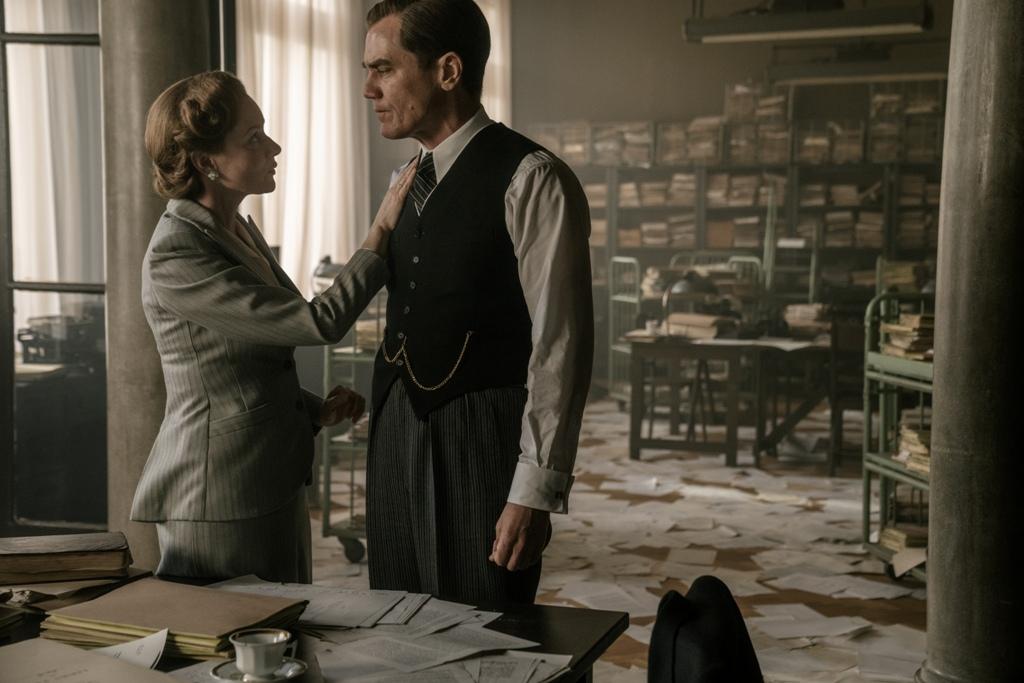
An actor I feel to be highly overrated, Malek finally turns in a feature film performance worth watching. As good (in a much different way) as his turn in the TV series “Mr. Robot,” Malek displays a level of emotional and intellectual range only hinted at in the past. The scenes that he shares opposite Crowe are pure gold and make up the bulk of the first half of the 148-minute production.Despite the combined screen time shared by the two co-leads, “Nuremberg” is very much an ensemble cast picture. Four supporting male performances are worthy of Oscar consideration. The most impressive of these comes courtesy of Michael Shannon as U.S. Supreme Court Justice Robert H. Jackson.
Appointed by President Harry S. Truman to be U.S. Chief of Counsel at the trials, Jackson’s steely resolve is a perfect fit for Shannon’s intense, often glowering presence. Shannon’s rendering of Jackson’s lengthy opening and closing arguments are among the finest ever delivered in a courtroom drama.
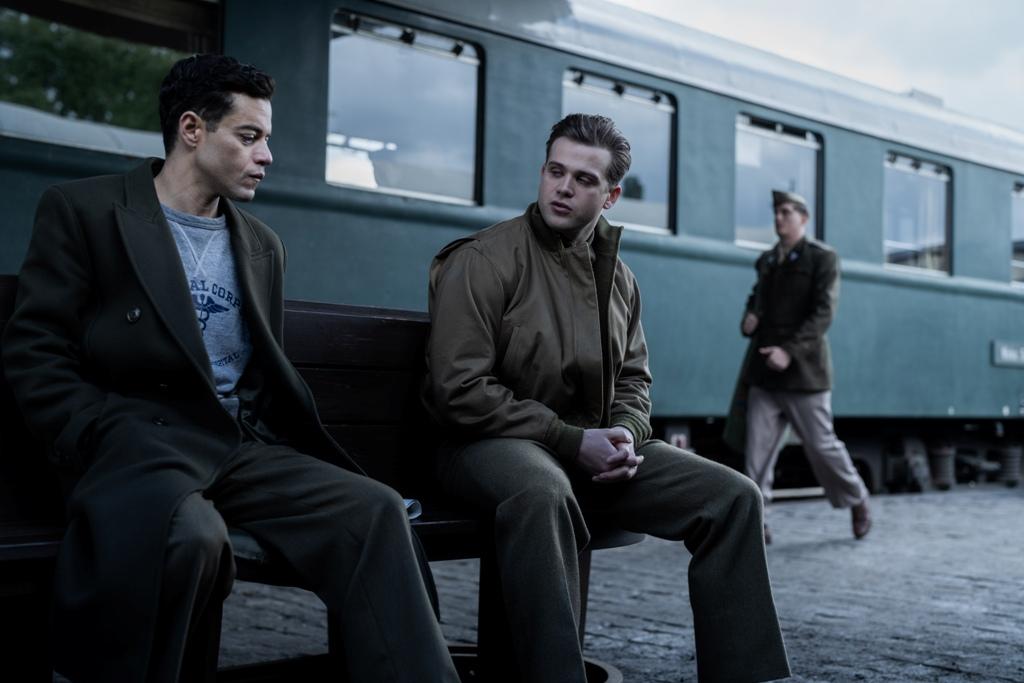
At first appearing to be a thankless throwaway role, actor Leo Woodall’s portrayal of translator Sgt. Howie Triest incrementally grows in importance and intensity. His mostly solo scene shared with Malek in the third act marks the movie’s emotional crescendo.
Unforced Error
Vanderbilt’s sole narrative misstep (and it’s huge) was the inclusion of Lydia Peckham as the fictional journalist Lila McQuaide. It’s not unusual to include fictional or composite characters in nonfiction movies. At first, it appears that McQuaide will serve as Kelley’s love interest, but it never materializes. McQuaide is also involved in a “news” event that never actually happened, which results in a plot twist that thoroughly alters the narrative trajectory.As he did with his screenplay for the equally lengthy “Zodiac,” Vanderbilt takes his time with exposition and character development. He does so while dropping in dollops of historical minutiae such as the nuts, bolts, and guts contained in the passage of the 1935 “Nuremberg Laws,” which were part of Göring’s defense strategy.
If you’re not already aware of the fates of all those portrayed in the movie, do yourself a favor and don’t investigate further until after you see it.
What is past is prologue. What takes place between the frames in “Nuremberg” should have been the lesson mankind would never forget but somehow has. If we’re not careful, it could very well happen again.