“Are you in control?”
It was 9:14 a.m. on April 10, 1963. Lt. Cmdr. Stanley W. Hecker, commander of the USS Skylark, awaited a response from the nuclear submarine, USS Thresher. The Skylark, a submarine rescue ship, was accompanying the submarine during a test run. The submarine had recently undergone an overhaul, and it was protocol for a rescue vessel to follow a submarine while it tested its capabilities. About 90 minutes before, Lt. Cmdr. John Wesley Harvey relayed to Hecker that he was taking Thresher to “test depth”—approximately 1,300 feet.
All seemed to go well until 9:12 a.m. when Thresher relayed it was attempting to return to surface, apparently experiencing difficulties. After two minutes of silence, Hecker requested Thresher’s bearing. There was no response. There was indeed cause for alarm. “Are you in control?” The question was asked several more times without response.
At 9:17 a.m. a garbled transmission came through. The only distinct words from Thresher were “test depth.” Hecker and the crew of the Skylark suddenly heard a terrifying sound only seconds later. It was the sound, as Hecker described it, of “a ship breaking up.”
Ballard’s Beginnings
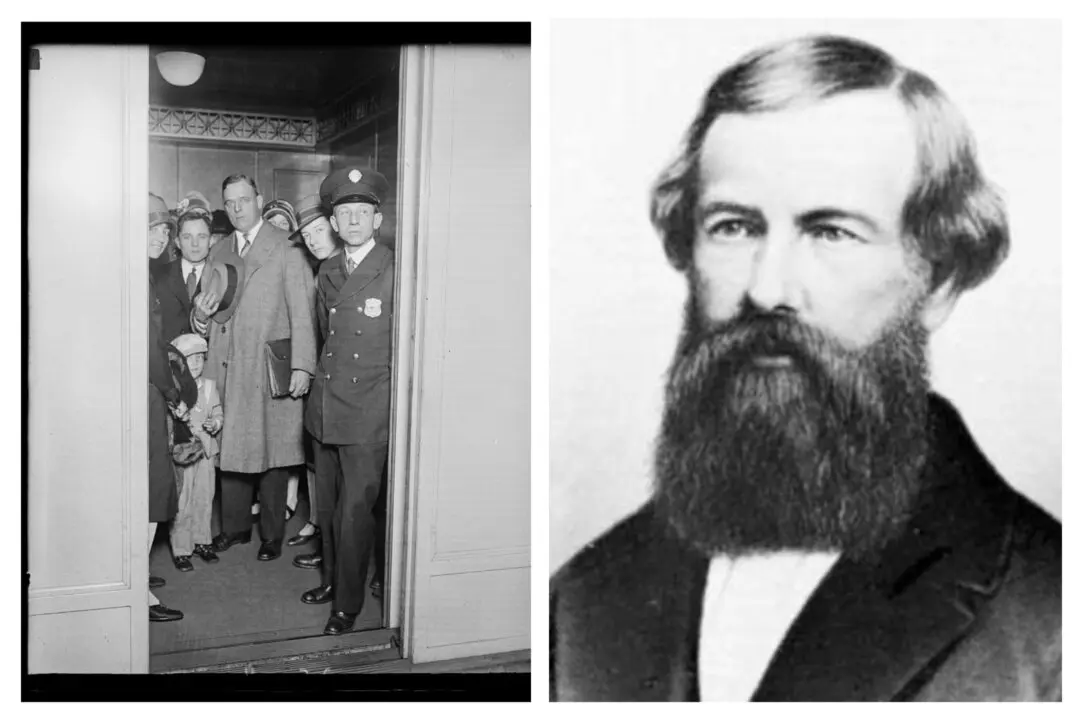
Robert Ballard first witnessed the sinking of a submarine when he was just a child. This submarine was the Nautilus from the film portrayal of Jules Verne’s novel “20,000 Leagues Under the Sea.” Although a fictional story, it nonetheless had a real-life impact on Ballard, leaving him forever fascinated with oceans.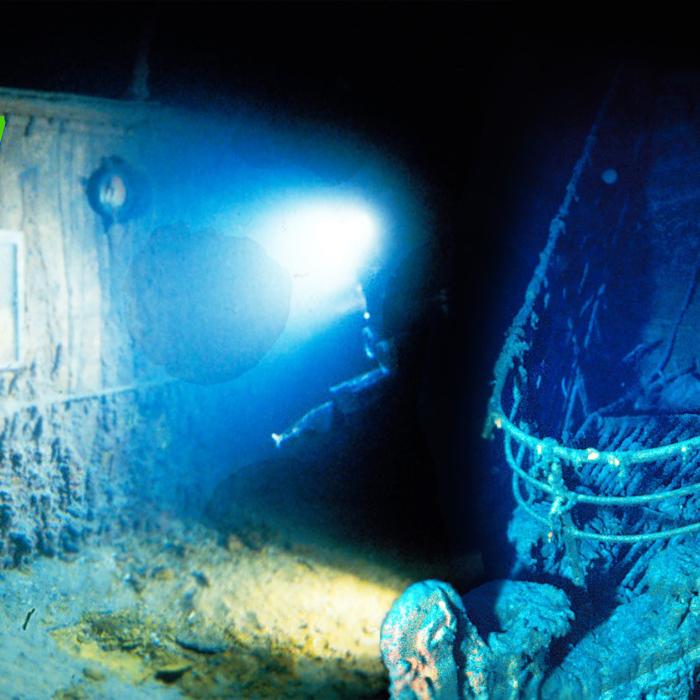
Growing up in San Diego, Ballard lived in the vicinity of the Pacific Ocean and the Scripps Institute of Oceanography. Living around the ocean and oceanographers led him to pursue a career in oceanography. He earned his degree in physical sciences from the University of California, Santa Barbara. Before, during, and after earning his degree, he worked for North American Aviation’s Ocean Systems Group and General Motors’s Defense Research Laboratories Sea Operations Department.
A FAMOUS Start
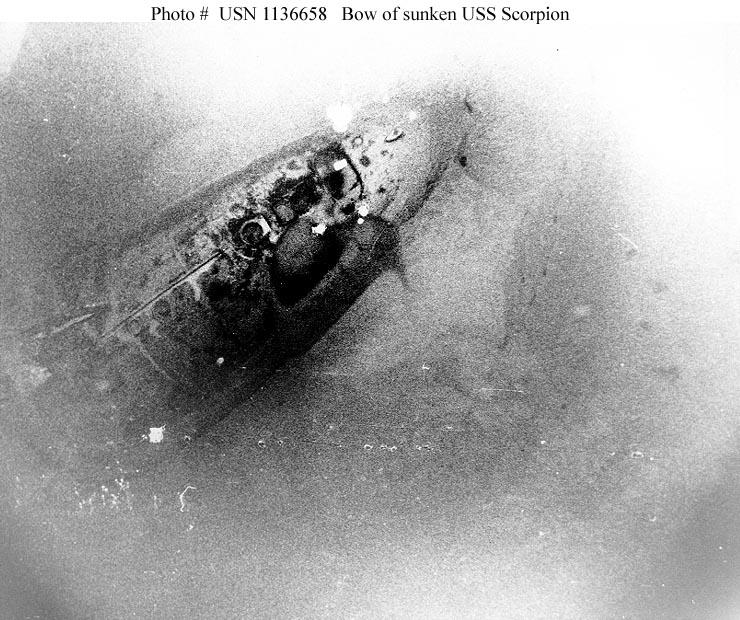
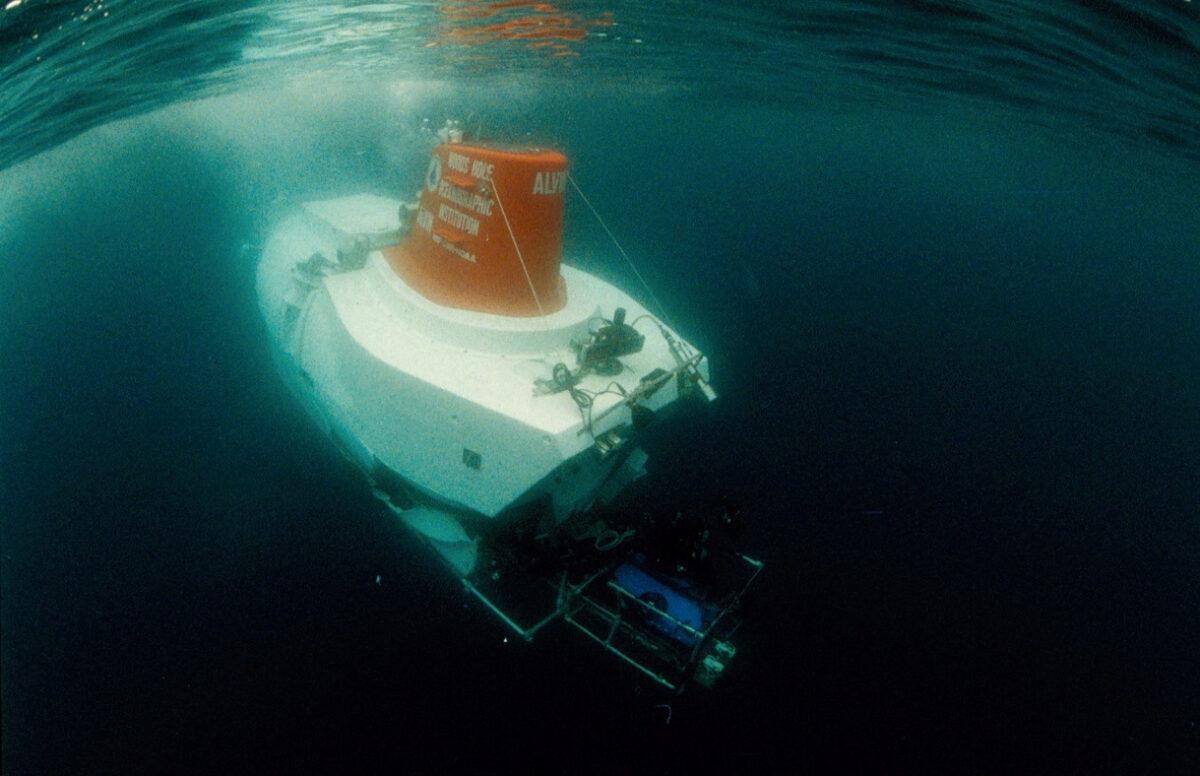
During this time, Ballard joined a U.S.-French deep sea expedition called the French-American Mid-Ocean Undersea Study (FAMOUS). The objective of the project was to survey an area 9,000 feet deep along the Mid-Atlantic Ridge. The area was located approximately 400 miles southwest of the Azores, near the site of the sunken Scorpion.Ballard and the Americans rode the titanium sphere submersible Alvin, which promised to be capable of reaching a depth of 12,000 feet (this expedition put that theory at least somewhat to the test). The Alvin was placed aboard the research vessel (RV) Lulu, and the Lulu was towed to the location by the RV Knorr. Another RV towed the U.S. Naval Research Laboratory’s Light BEhind Camera (LIBEC), which was capable of suspending “high-intensity electronic flash lamps well above the ocean bottom, making it possible to shoot 120-foot-wide sections of the seafloor.”
WHOI built a camera sled for the project. Furthermore, the U.S. Navy permitted the expedition to use its top secret Sonar Array Survey System (SASS) to survey the ocean floor. After a combined 44 dives between the Americans and French, the oceanographers discovered a volcanic seafloor emitting lava, reaching temperatures of 750 degrees.
A Dual Mission
By 1983, Ballard was promoted to senior scientist, working within WHOI’s Department of Applied Ocean Physics & Engineering. The scientist wanted to develop remotely operated vehicles (ROV) that could reach extreme depths without risking the lives of scientists. Shortly after his promotion, he founded WHOI’s Deep Submergence Laboratory and, after receiving funding from the Navy (WHOI received most of its funding from the Navy at the time), developed his first ROV. This unmanned ROV was named Argo, after the ship from Greek mythology.The Navy had its reasons for wanting such technology. Two of those reasons were the Thresher and the Scorpion. The Navy wanted to conduct an up-close investigation of the submarines. It was a perfect opportunity for Ballard’s ROV. Ballard, however, had another wreck in mind: the Titanic.
Another American-French Expedition
Although the investigation of the Thresher and Scorpion would be solely conducted through the Office of Naval Research, the search for the Titanic would be an American-French expedition led by WHOI and the French National Institute of Oceanography (IFREMER). IFREMER, led by Ballard’s friend, Jean-Louis Michel, boarded RV Le Suroit and sailed west across the Atlantic Ocean. The French team had about a month of ship time.Starting on July 1, 1985, and using a sonar system designed and built by Michel that mapped the ocean floor in black-and-white “shadow graphs,” the French scientists began scouring a 100-square-mile area Ballard believed was home to the Titanic wreckage. Ballard believed that the Titanic had left a debris trail, and if its debris could be found, then it only followed that it would lead to the Titanic.
Ballard’s Discovery
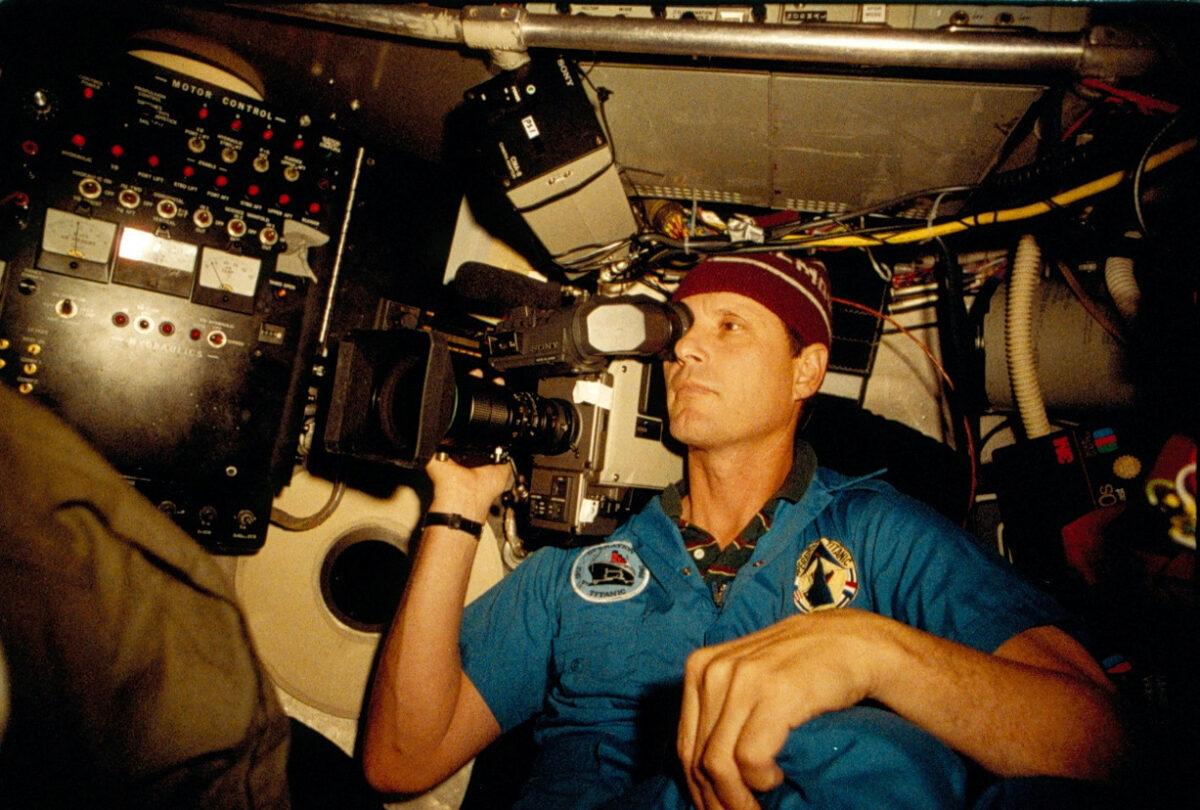
The Knorr, having investigated the Scorpion last, sailed to Ponta Delgada, Azores, and picked up three scientists from the French team, including Michel, to join them in the search. By Aug. 22, with Ballard’s Argo on board, the Knorr arrived at the 100-square-mile location to search the final 25 percent. Along with Argo, the team used the WHOI-built Acoustic Navigated Geological Undersea Surveyor (ANGUS), which had actually first been used during Project FAMOUS.
With about 25 square miles to slowly cover depths reaching approximately 2.5 miles, 12 days of ship time available, and bad weather soon approaching, Ballard and his team had no time to lose. As the first week went by with no luck, it seemed that the once “unsinkable” ship had now become “unfindable.”
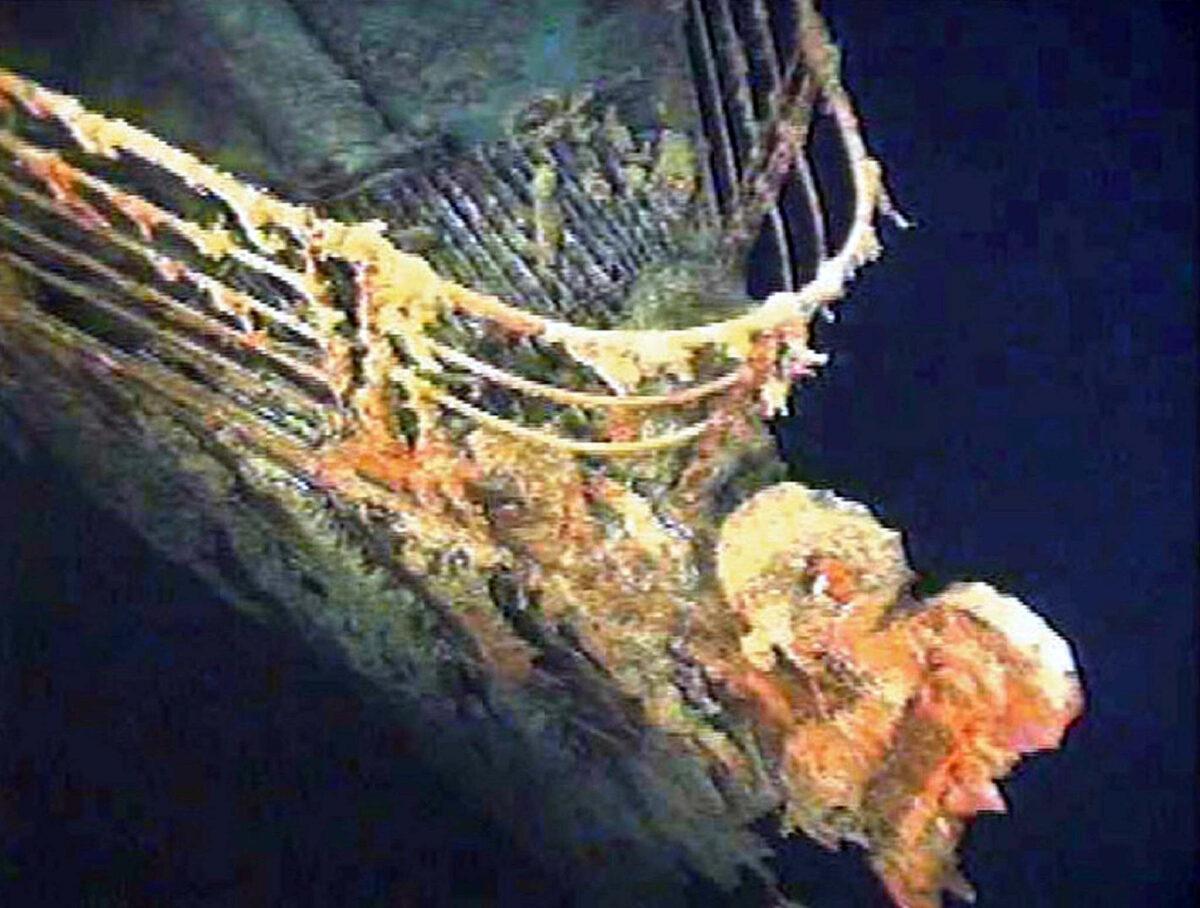
With the Americans and the three French oceanographers hoping against hope and racing against time, they continued searching in 24-hour shifts each day watching the seafloor through Argo’s video camera. Suddenly, at 1:00 a.m. during this week in history, on Sept. 1, 1985, a large piece of debris stood out on the ocean floor. It was a massive boiler. The Titanic, having rested for more than 73 years on the floor of the North Atlantic, at 12,400 feet deep and approximately 350 nautical miles off the coast of Newfoundland, was discovered.