The 2026 Owl Hill Homestead garden has proven to be our most exciting and surprising yet.
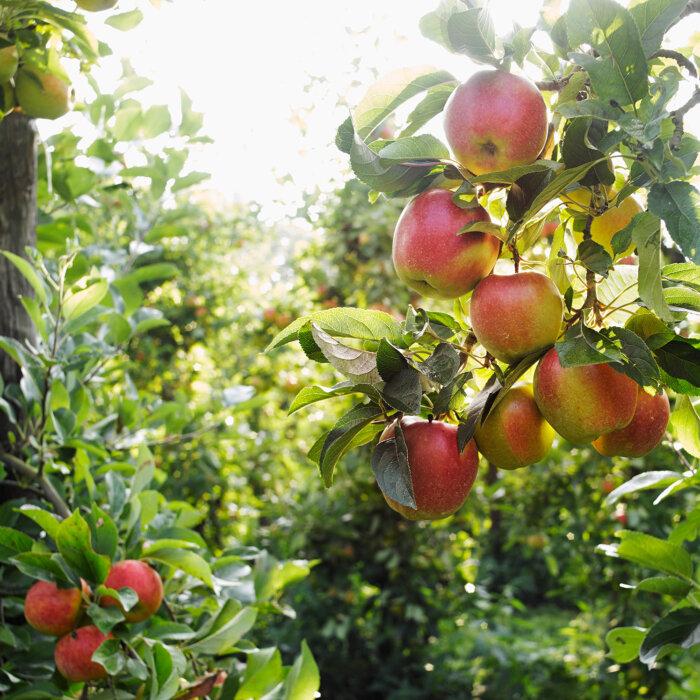
For those of you who have been reading this column, you’ll recall that I pruned my apple trees back in May. Well, I extended that pruning to our roses and blueberry bushes. The results made me wish that I’d plucked up the courage to do it sooner.
Everything is in literal blooming health. The apples and blueberries have nearly doubled in size with tremendous growth of new branches and luscious green foliage. The roses—which I cut almost to the ground—have regrown completely and are about ready to fill the front garden with their colorful blooms and sweet scents.
The Garlic That Nearly Wasn’t
Then, there was a near-tragedy involving garlic.
When Briana planted the bulbs back in the fall, a few rogue chickens broke into the patch, turned it over, and, we thought, ate all of the planted garlic. The ground soon froze, so we didn’t have time to plant new bulbs.
However, when the snows cleared and temperatures rose, I noticed some small green shoots emerging a few feet away from where we’d originally planted the garlic. Being of Italian descent, I know a garlic plant when I see it. I dutifully informed Briana that the chickens had not destroyed the garlic patch. In fact, we had no fewer than 12 little plants growing.
Since this discovery, the garlic has grown tremendously well. The type we planted is a hardneck variety, which grows long tendrils called scapes. We recently harvested those, and I whipped them together with some basil, olive oil, and cheese into a spicy pesto.
And if all that wasn’t enough, our son discovered a bonus patch of garlic growing in a random corner of the backyard. The chickens must have spread them farther than we knew.
Woodland Surprise
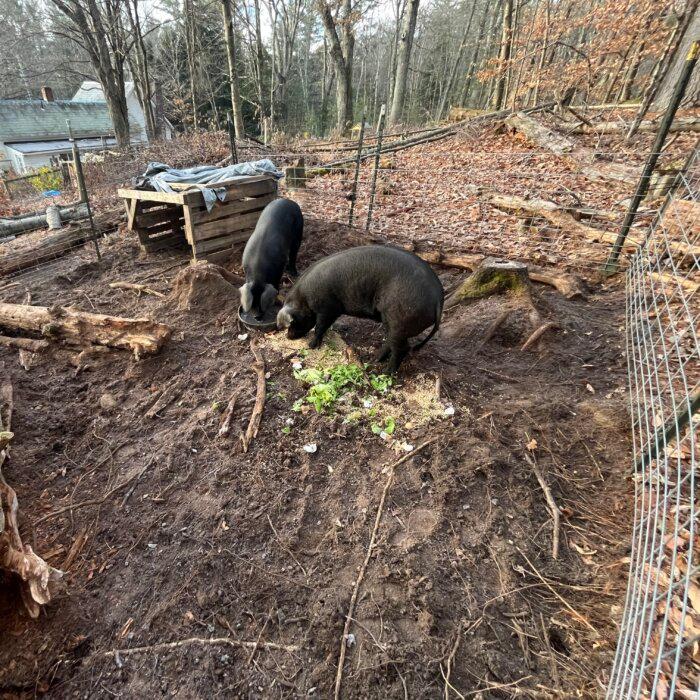
But the garlic wasn’t the best surprise of 2026. That honor goes to the woodland pumpkin patch. In the autumn, we fed the pigs a ton of sugar pumpkins we’d received from friends. As pigs do, they spread the seeds all over the ground, stomped them in with their feet, and fertilized them with their manure.
A few weeks ago, Briana and I were up in the woods checking on the progress of the silvopasture that the pigs had gotten started for us. Suddenly, Briana squealed with delight: “Look, babe! Pumpkins!” She pointed to about a dozen pig-planted pumpkins that were popping up out of the ground.
This is further proof that a big part of homesteading is realizing that your livestock are actually way better at gardening than you are.
Abundance
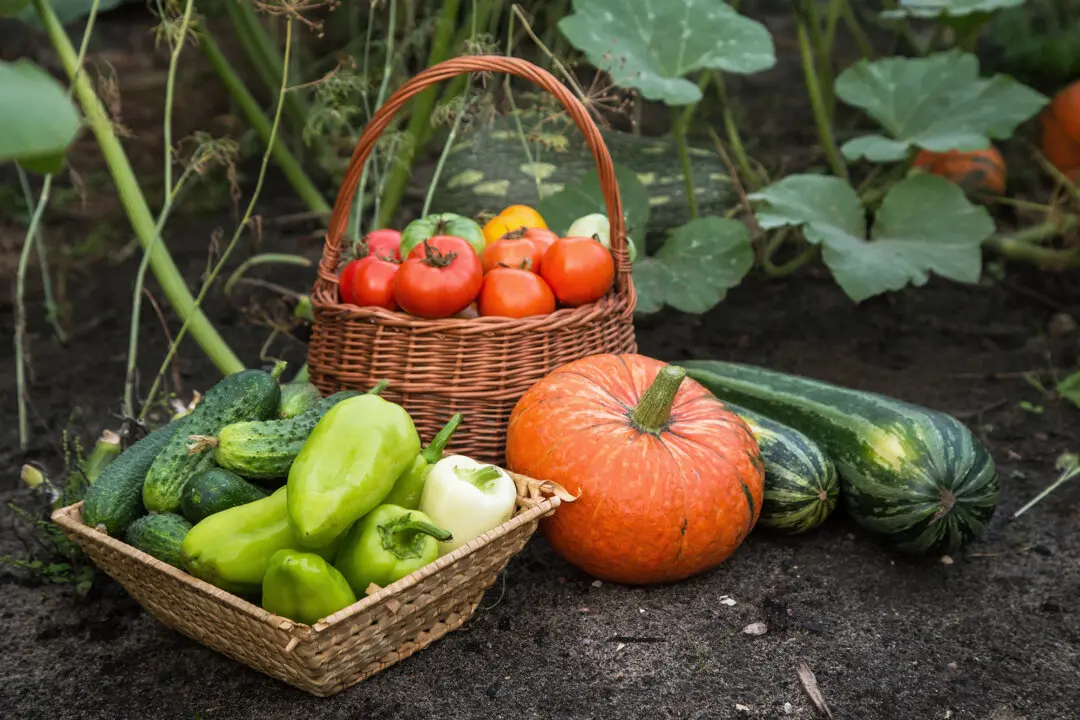
Still, we have actually managed to do some intentional gardening this year. Briana has adopted a policy of “plant all the things” and filled nearly every inch of our garden with lettuce, radishes, carrots, peas, cucumbers, tomatoes, marigolds, Brussels sprouts, and even more pumpkins.
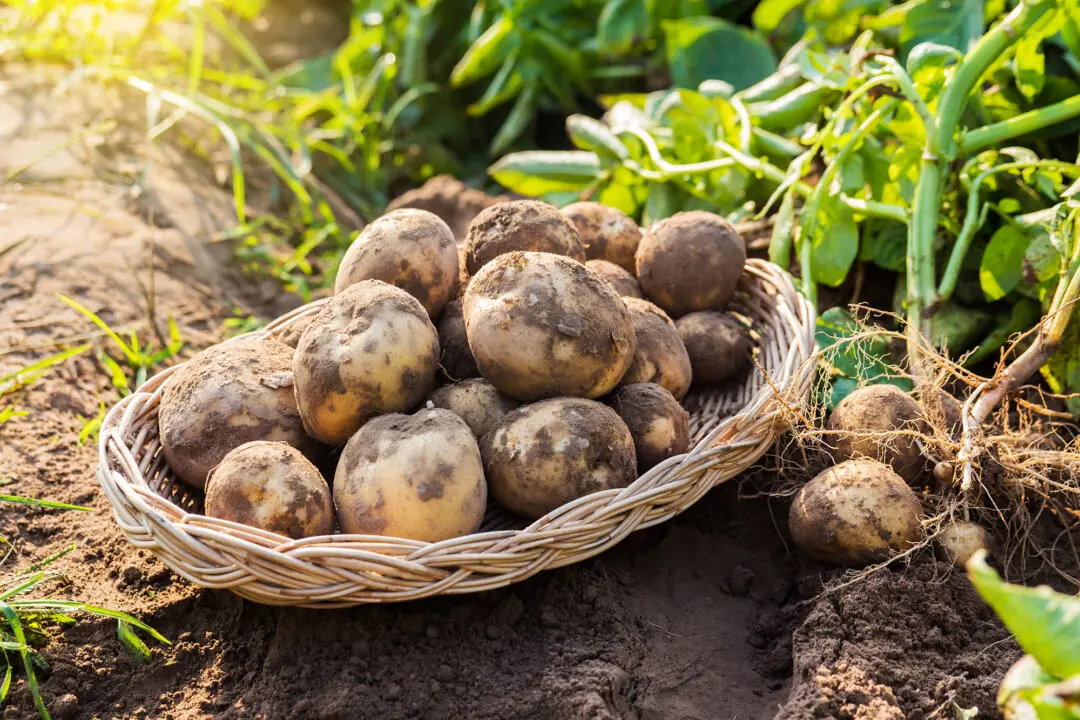
She and the kids spent a morning constructing a potato tower, which is a container cage made out of fence wire and planted in a layering pattern of compost, seed potatoes, and straw until you reach the top of the cage.
As for the herbs, Briana has all of those in a vertical GreenStalk planter that we got her for Mother’s Day. So far, she has planted old standbys such as basil and parsley but also some garden newcomers such as sage, German chamomile, and dill.
The soil, too, seems to be healthier. After four years of mulching with shredded leaves and wood chips and fertilizing with chicken and rabbit manure, we appear to have transformed our once compacted and overly acidic soil into fertile loam. Our compost, too, which we’ve also been steadily building during the course of our time here, is finally being used. When we turned it earlier in the spring, we found it crawling with fat earthworms, a very good sign.
So, why exactly have I spent the past few weeks taking you on an exhaustive journey through our many gardens? My hope was to show you that even those of us with the brownest of thumbs (i.e., Briana and I) can get a good garden going with enough persistent effort. You just need to be patient and willing to put in the work necessary to make it a reality.
Giving yourself a little bit of food independence, even if it is just a few pots on an apartment porch, is not only going to taste better than anything you buy at the store, but also going to be worth more. Because you grew it. There are very few things more rewarding than that.