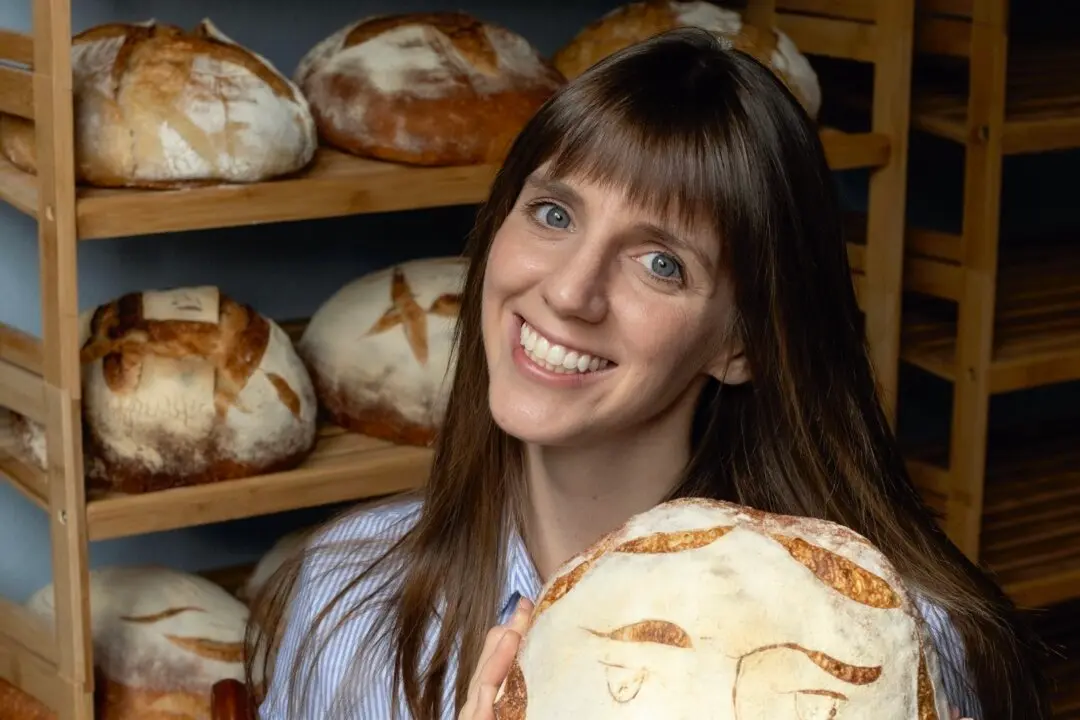
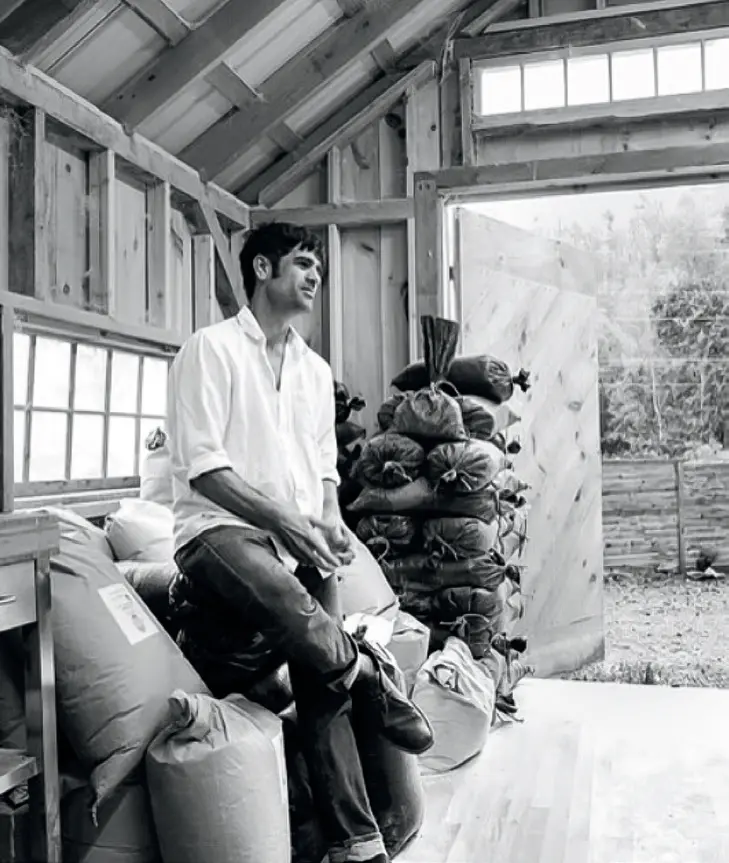
Standing on the floor of his grain mill in the mountains of Mars Hill, North Carolina, David Bauer listens intently. Amid the whirring of massive stone wheels, a chorus of pulverizing grain meets his ears like a harvest symphony. Like any good conductor, Bauer is listening for who is out of time and out of tune.
“I have to be in touch with my mill as it’s running. Sometimes just the faintest change with how the machine is humming tells me I need to get back in there and check the flour or make sure the stones aren’t getting too hot. I have to be paying attention, because all the crops mill differently. It’s a whole dance,” he explained. The steady beat of the circulating granite sets the tempo for life at Farm and Sparrow, the independent flour mill and former bakery Bauer founded in 2006. Every day, hundreds of pounds of wheat and rye flour, cracked farro, and cornmeal are ground and sent out to farmers, home bakers, professional bakeries, and gourmet restaurants across the Southeast. It seems like a normal operation, but the grains going into Bauer’s mills are anything but typical. They’re landrace grains: semi-wild descendants of the ancient and heirloom crops that have been grown in North America for generations.
These grains tell a story of immigration, industrialization, resilience, flavor, community, and of one man’s journey from the snowy plains of Minnesota to the misty mountains of western North Carolina.
Baking Opportunities
Bauer began his career in the 1990s under the tutelage of Alan Scott, an Australian-born oven builder whose expertise helped launch a revival of brick oven bread-making in the United States. “I was his apprentice for four years, building ovens and teaching classes alongside him. It was also my introduction to baking,” Bauer said.
In 2006, Bauer accepted a job as a bakery manager out in California. He was preparing to leave when his old mentor rang up with a proposition. Bauer explained that Scott had “gotten a call from a woman in North Carolina who had built one of his bread ovens and ran a bakery out of it for years. She was burnt out and was looking for someone to take over the baking business for free.” Bauer was thrilled by the prospect of running his own baking company. “I immediately called California and told them I couldn’t make it.”
Despite never having visited the region, he headed south to North Carolina’s mountainous west. Renaming the bakery Farm and Sparrow, he set to work developing a unique menu of pastries, cookies, and breads. But first, he needed to source grains. To bake his breads, Bauer needed hard wheats, which have high amounts of protein and can form strong gluten networks to create a firm, structured bread. Soft wheats are higher in carbohydrates and lower in gluten. “North Carolina historically grows soft wheats, which are used to make biscuits and cakes. I figured out that the only way to have a bread wheat variety grow here was to pick one that could genetically adapt to the region,” Bauer said.
By 2009, after a long period of investigation, Bauer contacted a farm in Kansas that had been preserving seeds of Turkey Red wheat, an heirloom variety brought to the United States by Ukrainian immigrants in the 19th century. “We planted the seeds [in North Carolina] and got a crop. It wasn’t an amazing crop, but we got one,” said Bauer.
Now that he had a successful crop of hard wheat, Bauer began experimenting with milling his own flour. This allowed him to have as much control over his baked goods as possible. He imported a stone mill from Austria, and he set to work making fresh, whole grain flour. As word spread about his bakery and need for heirloom grains, a group of farmers in Ohio offered to work with Bauer by growing Turkey Red wheat on their properties. Bauer obliged enthusiastically.
However, when the Ohio crop returned to the bakery, he discovered that its flavor was completely different from those that’d been grown in North Carolina. That’s when Bauer realized something unique about landrace grains. “They have really deep roots that stretch way down into the soil and can reach nutrients modern shallow-rooted crops can’t access. The diversity of nutrients and bacterias that are being pulled up allows the crop to take on a flavor that is expressive of where it was grown. The grain has a terroir,” Bauer explained.
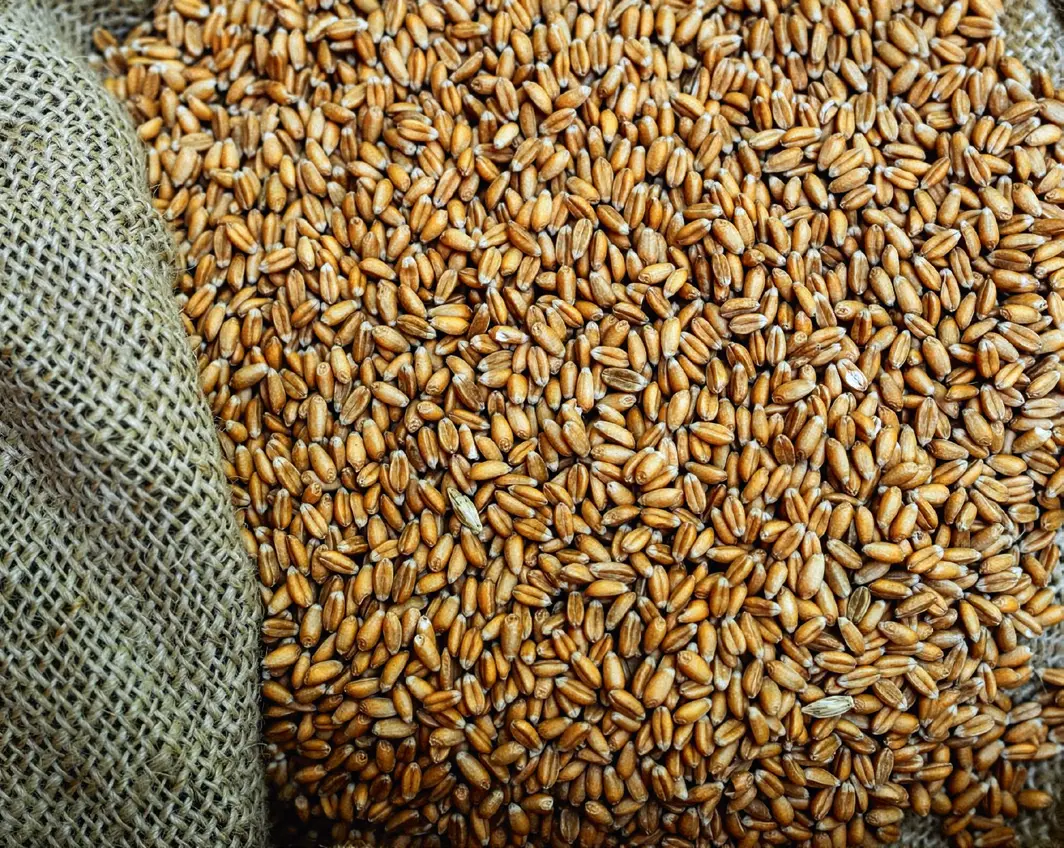
The Resilience of the Land
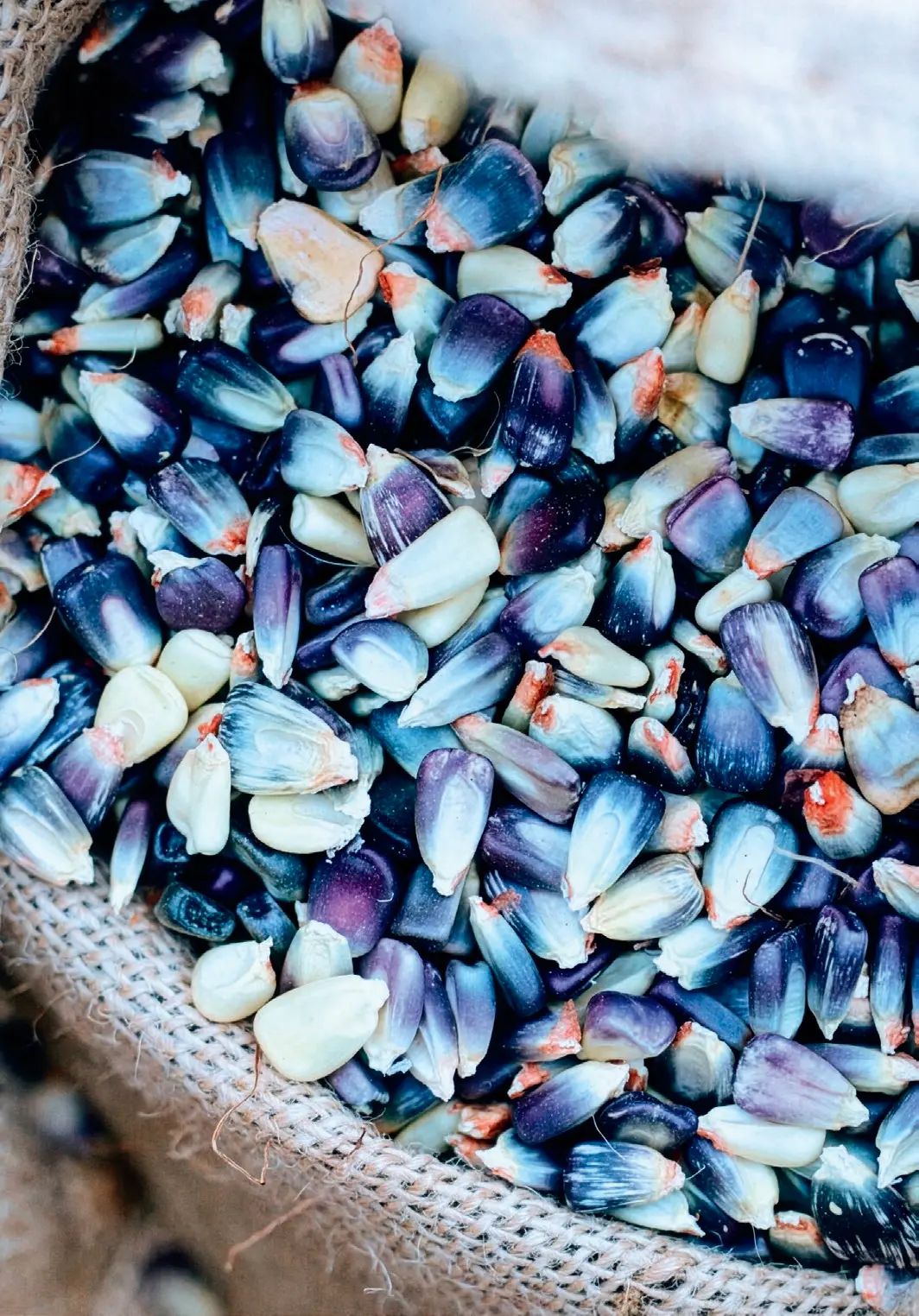
Instead of viewing this inconsistency as a hiccup to his operation, Bauer embraced it as an opportunity to work with something special. Landrace grains remain semi-wild, meaning that you will not get a stable crop the way you would from a fully domesticated seed. This lack of stability actually offers farmers, millers, and bakers the opportunity to work with plants that are genetically diverse and adaptable to a wide variety of regions and microclimates. A perfect example of this is the tuxpeno corn Bauer uses to mill grits, polenta, and cornmeal. Tuxpeno is a species of maize that traveled into the southern United States via indigenous peoples from Central America and can adapt to practically any climate.
“This is a corn that people can grow and harvest anywhere,” Bauer said. “In Mexico, there is a different tuxpeno for every village. Everyone has their own special variety because it has specifically adapted to that region.” This corn is so resilient that after a local gale passed through and destroyed all of the modern corn crop, the tuxpeno patch that one of Bauer’s producers was growing was still standing and able to be harvested.
Initially, because he had angled his bakery so much toward wheat-based goods, Bauer was reluctant to grow or use corn. But one day, one of the farmers he worked with gave him a bag of grits grown and milled on his own property. On a Sunday morning, Bauer decided to cook them up. “They blew my mind, and I had an epiphany that this is the grain that really thrives in this region. It has a tradition here. I started pivoting all of my energy towards corn, which really laid the groundwork for what I do now,” Bauer said.
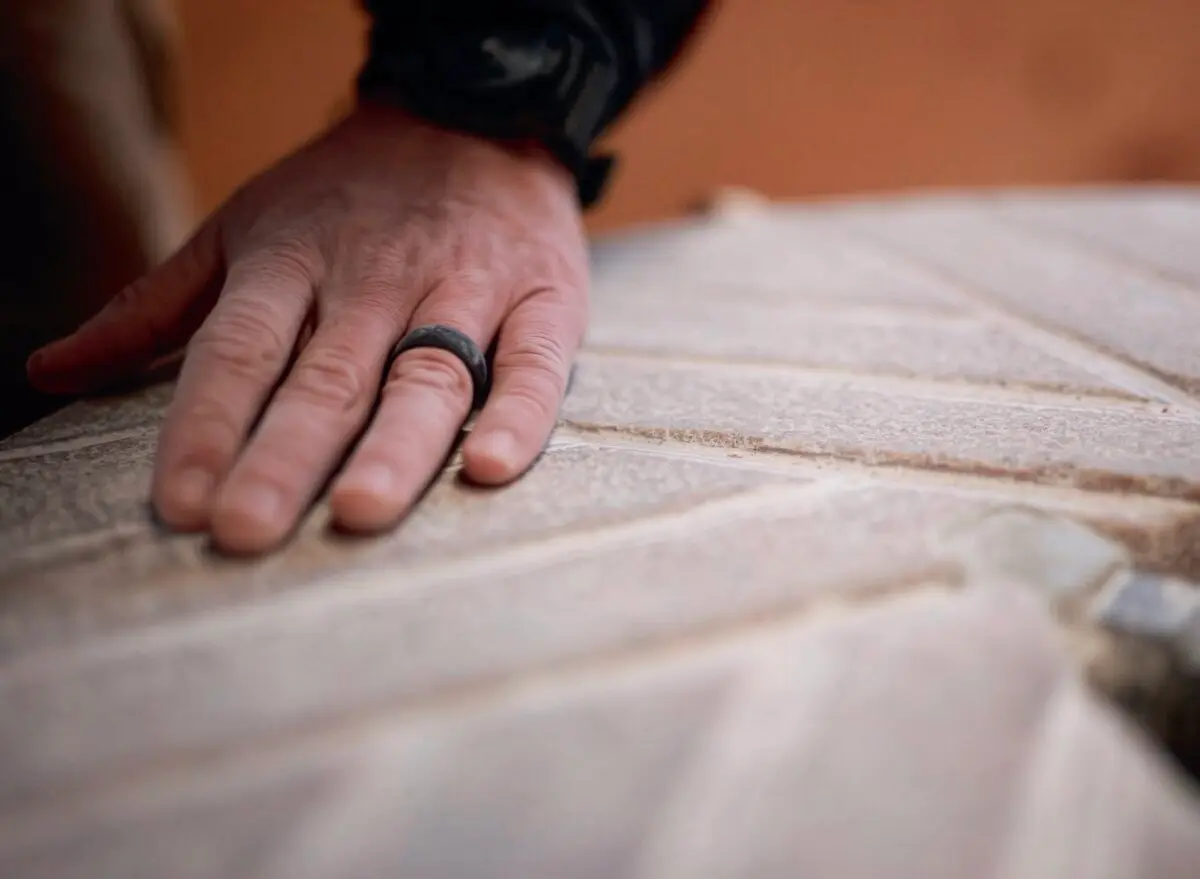
He began to experiment, and he has since expanded his offerings of baked goods to include breads, pastries, and granolas that contain this heritage cornmeal in some capacity. The flavors are at once sweet and earthy, a complete departure from the monoculture corn grown for mass production.
As much as he loved baking, Bauer discovered that his true passion lay with the grains themselves. Coupled with a desire for a flexible schedule that would allow him more time with his young family, Bauer stepped away from the bakery in 2018 and transitioned Farm and Sparrow to a full-time stone-ground grain mill.
A Miller’s Profession
Bauer operates three stone mills, the one imported from Austria plus two built by friends. The process crushes the grains between two massive granite wheels. It grinds down the entire grain to create a flour that is entirely different from commercial white flour. The roller-milling process that makes white flour surgically removes the bran and the germ out of the wheat kernel. All that remains is the flavorless starchy interior. By stone milling whole landrace grains, Bauer can preserve their particular flavors. “Germ oil has all of the distinct aromatics of that grain. Stone milling crushes it all together, rubbing those essential oils into flour. The aroma of the field gets preserved in the milling process for the baker or chef to work with it,” Bauer said.
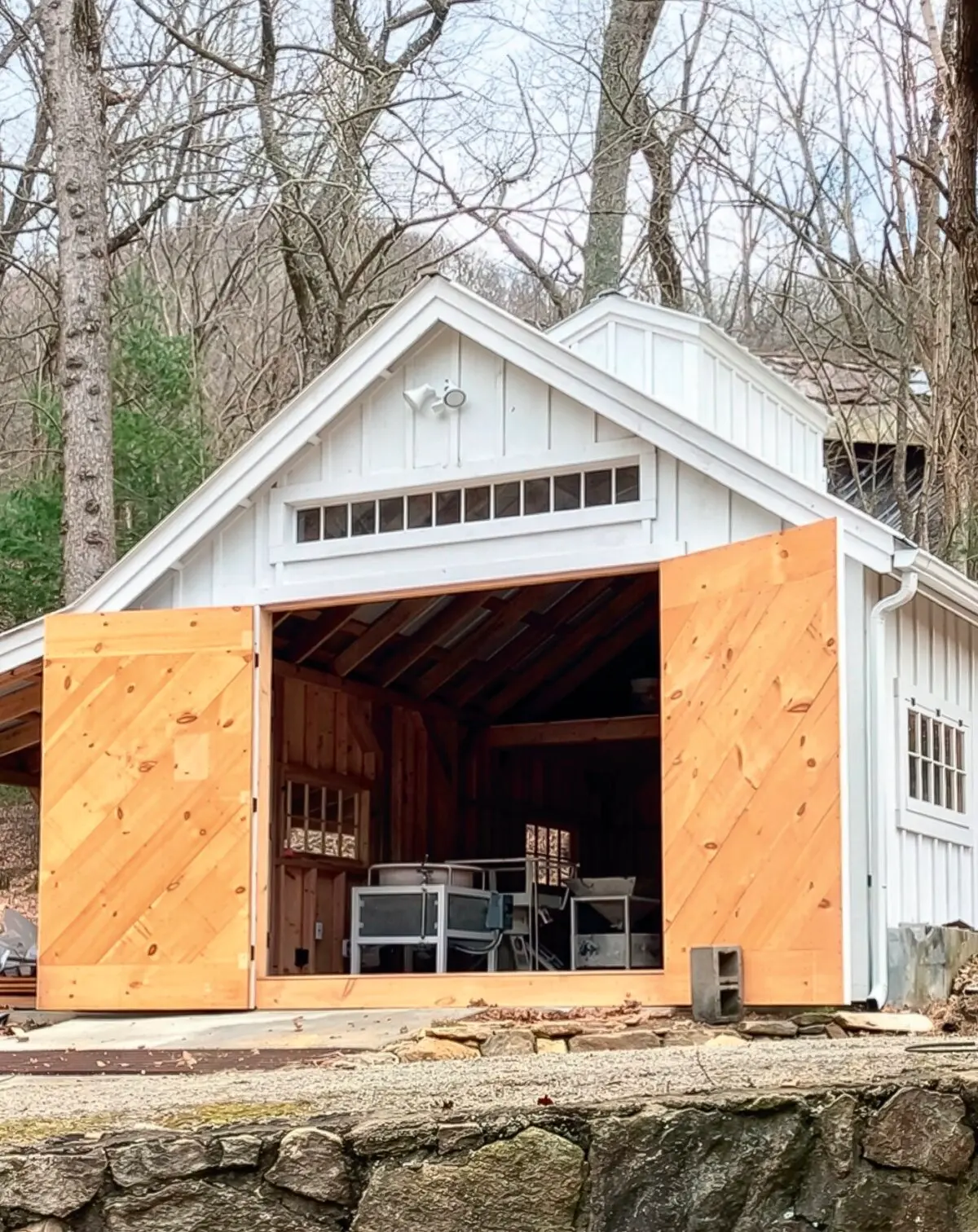
While the wildness of the grains makes for wholly unique flavor profiles, Bauer’s job as the miller is to provide a consistent functionality for his customers. The mill can’t run too hot, otherwise the germ oils will oxidize and create a bitter flavor. The texture of the flour also needs to be predictable in order for the baker to produce a consistent product. And even then, there are many variables to contend with. “One crop of wheat might have higher protein, so it might make for a bigger loaf and absorb more water. Another might be lower, so that will be smaller and more tender, but they’ll get a better crust,” explained Bauer.
Thankfully, the wholesale relationships Bauer has developed with farmers, restaurateurs, bakeries, and home cooks are such that these variables are welcomed as creative engagement with the product, as opposed to a hindrance. Recipes and methods may need to be adjusted, but it all goes toward making a product with elevated texture and flavors. “We’re all invested in each other’s success,” Bauer said.
History in Action
Bauer is keenly aware of the role his grains and mill play in the agricultural and culinary heritage of the United States. Prior to industrialization, almost every county in the nation had one or two flour mills for farmers and homesteaders to utilize. Millers would grind those local grains using the exact same stone milling process Bauer does. This pre-industrial, community-based economy is one Bauer hopes to revive. “I want farmers to be in control of their seeds, adapt them to their place, and the more mills we have to make that possible, the better,” he said.
As the mountain air fills with the steady hum of his stone mills, Bauer likes to ruminate on the uniquely American heritage of his grains. “These grains have traveled to us from all over the world and become ours. Turkey Red wheat came to us from Ukraine. The corn varieties I work with came from the Cherokee nation or indigenous communities in Mexico. The rye varieties I use are from the Abruzzo region of Italy. But just like those immigrants became Americans, the grains they brought became American grains over time. And I think that’s really cool.”