If you walk along paths cut through the thick woods of pine, beech, and maple in my corner of New Hampshire, you’ll see walls of stacked stones rise out of the ground like granite serpents surfacing from a sea of ferns and leaves. These walls tell of a time when the landscape looked different. During the 18th and 19th centuries, 80 percent of the Monadnock Region was clear-cut of old-growth trees. This was not mindless timber harvesting but a scheme of managed survival. People needed logs for building homes and common houses, fuel for cooking and heating, and wood to create furniture, tools, barrels, and boxes. Most importantly, though, they needed to make room for livestock.
This period of New England history has been referred to as the “Sheep Boom.” Lasting for roughly 50 years from 1790 to 1840, farmers flocked to southwestern New Hampshire to raise the Merino sheep whose wool was needed to feed the great textile mills of Manchester and Nashua, as well as those of Lowell, Worcester, and Whitinsville in Massachusetts. After they harvested the trees, the farmers needed to figure out a way to keep millions of sheep enclosed in the new fields. As many of the landowners were of English, Irish, Scottish, and Welsh stock, they used a familiar material that New Hampshire offered in abundance: stones. Thus, the towns surrounding Mount Monadnock became peppered with a seemingly endless maze of stone walls delineating fields for grazing sheep.
Obsessed With Fiber
I’ve mentioned in previous articles how a few of the original stone walls remain on our homestead. They enclose our side yard and run about halfway up the hill before vanishing into the overgrowth. This tells me that, at one time, the hill housed livestock of some kind. Although there is no evidence to suggest that sheep were present on our property, the agricultural heritage of our region is so intricately woven into 19th-century New England’s wool industry that I think that it’s highly likely that sheep once grazed between our stone walls.From Shetland to New Hampshire
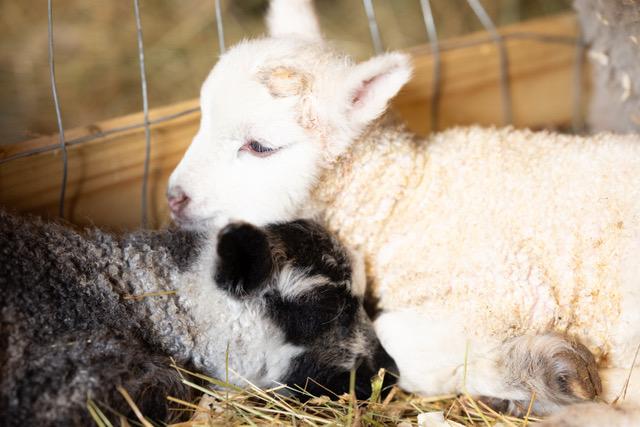
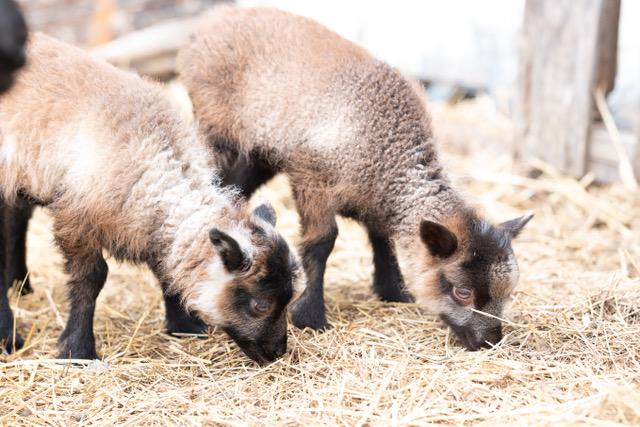
Shetland sheep hail from the Shetland Islands, a windswept, rocky archipelago off the northern coast of Scotland. Owing to the remoteness of the islands, these sheep have remained remarkably genetically pure. They have heritage status in the UK and were introduced to North America in the 1940s. Compact in size, exceptionally tolerant of wind, snow, and rain, and with gentle temperaments, Shetlands were a perfect choice for our small hillside.Oh, and their wool is phenomenal.
It is going to take many installments to describe the ins and outs of life with these sheep. Our goal in returning this new flock to a landscape that was (potentially) once a home to their distant Merino cousins is not only to get wool, but also to engage in and promote a way of life that, save for a few small pockets, has all but vanished from New England.
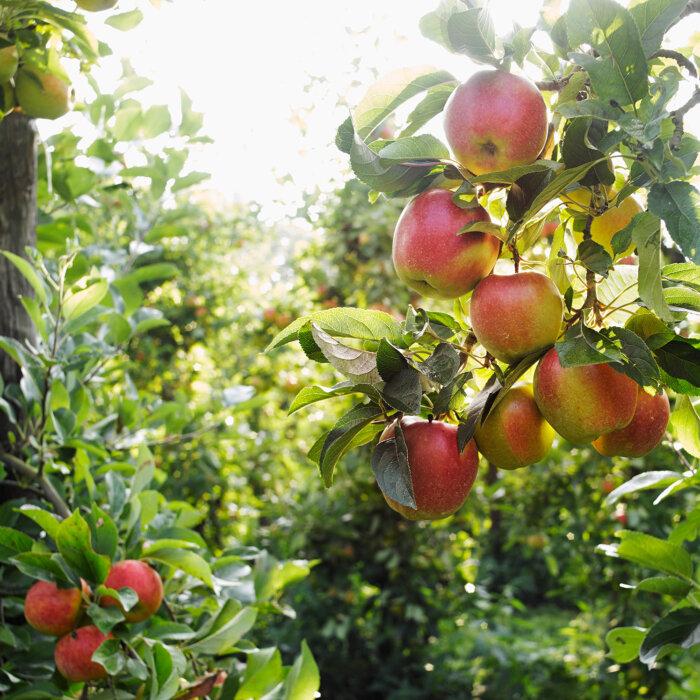

There is a lot of work yet to do.
Meet Our Sheep
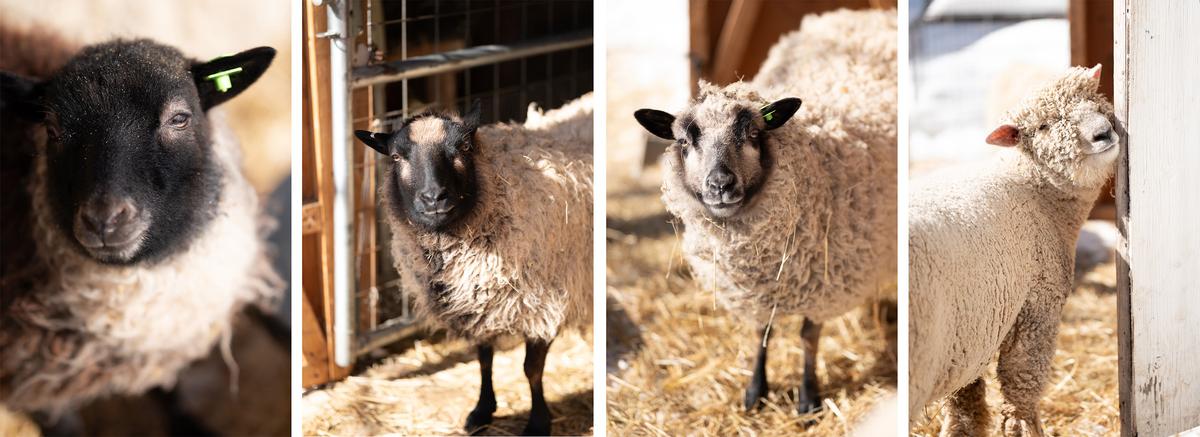
We’re thrilled to introduce you to our fledgling flock of Shetland sheep!
Notes from Owl Hill is a homesteading column written by longtime Epoch Times lifestyle and features writer Ryan Cashman. Follow along as he and his family tap maple trees, plant gardens, tends to a growing flock of sheep, fix up their historic farmhouse, and ruminate on the challenges and rewards of homesteading on a small, rocky hillside in rural New Hampshire.