Whether you’re battling an illness or just dealing with some stress, getting out in nature may help.
Green Space Is Free Medicine
Do you like green spaces? A two-year study conducted in Finland and published in Occupational and Environmental Medicine found that frequent visits to green spaces such as forests, gardens, parks, and meadows can help people reduce the use of prescription medication for depression, insomnia, high blood pressure, and asthma.The study analyzed data from 7,321 people and compared those who visited green spaces less than once a week to those who visited them three to four times a week. The latter were 33 percent less likely to use psychotropic medication, 36 percent less likely to use high-blood-pressure medication, and 26 percent less likely to use asthma medication.
1. Reduces Chronic Inflammation
Plants release oxygen and produce bioactive substances during photosynthesis that help you resist oxidation and reduce chronic inflammation.Many people suffer from chronic inflammatory conditions. When cells in the body do not get enough oxygen, they emit reactive oxygen species that can damage cells and organs, resulting in cellular damage and chronic inflammation. Chronic inflammation leads to weakened immunity, making it difficult for the body to fight foreign viruses and bacteria.
2. Boosts Immunity and Prevents Cancer
People breathe in phytoncides when in green spaces, especially forests. Phytoncides, also known as “exterminators of the plant,” are chemicals that plants release into the air with antimicrobial properties to protect themselves from insects.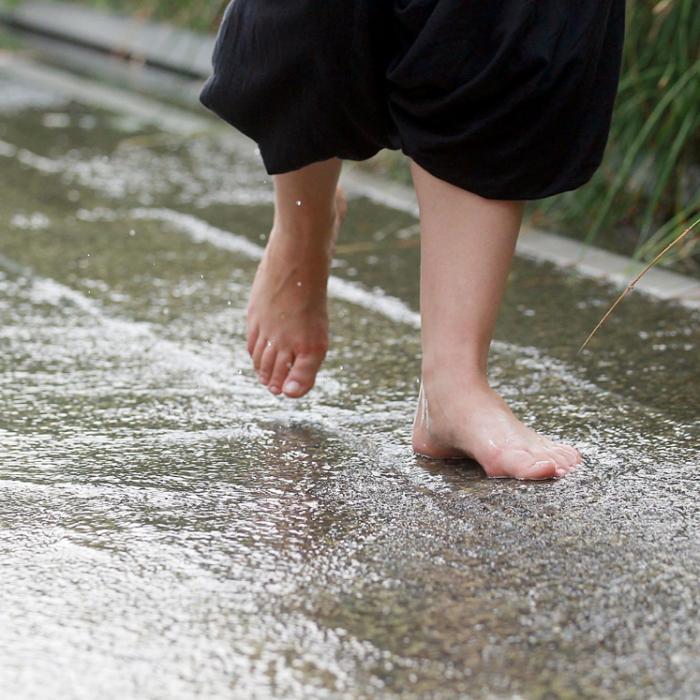

3. Relieves Stress, Improves Mood, and Regulates Nervous System
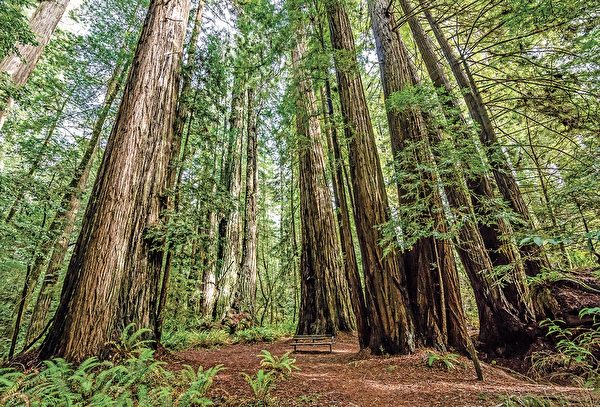
A natural environment filled with plants promotes relaxation of body and mind. This is partly because there are more sounds in the forest than at the seaside, such as the chirping of insects and birds and the sound of the wind, Shih-Heng Chang, director of Lohasiinfra Clinic in Taiwan, told The Epoch Times. These sounds are called white noise, and they can block out other noise, helping to relieve stress and relax the body.
- The natural environment full of plants can relax the body and mind, and regulate the autonomic nervous system. (Ovidiu Hrubaru/Shutterstock)
4. Lowers Blood Pressure and Manages Diabetes
Studies have found that the forest environment can effectively lower blood pressure, reduce pulse rate, and improve heart, lung, and metabolic functions.5. Manage ADHD and Improve Concentration
In addition to improving concentration in the general population, natural environments can enhance attention in children with attention-deficit/hyperactivity disorder (ADHD). A walk in the park is sufficient to elevate concentration in children with ADHD.6. Manage Asthma and Improve Lung Function
Asthma has been linked to exposure to air pollution. Exposure to a forest environment can help improve symptoms. A study published in the European Respiratory Journal found that children who grew up with increased exposure to green spaces had improved respiratory health and often had healthier lungs.7. Improve Eye Health
Looking at a green environment after intense eye use can relax the eyes. Green light’s wavelength can relax the eye muscles, Chang said. The eyes affect the brain, so discomfort in the eyes can cause discomfort in the head.Take off Your Shoes and Perform ‘Earthing’ to Increase Natural Healing Power
Walking barefoot on grass, dirt, and sand is called “earthing.” It allows you to receive nature’s medicine—electrons from the Earth’s surface.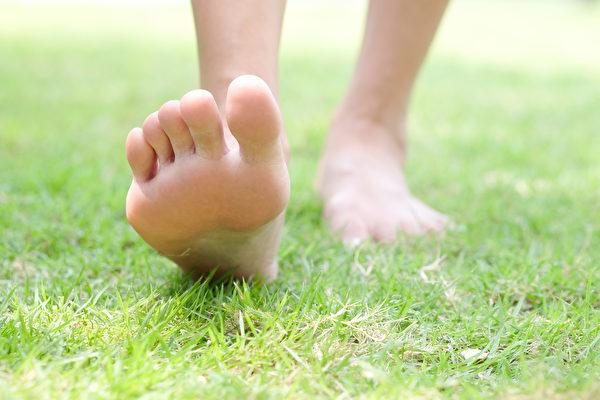
- Earthing can manage many diseases by connecting the weak current on the Earth’s surface with the physiological current of the human body. (Me dia/Shutterstock)
The body is a structure of energy, Lobsang said, and earthing not only releases negative energy from the body, but also massages the soles of the feet. There are many acupoints there, such as Yong Quan, which helps relieve stress, stabilize emotions, and improve sleep. Additionally, stimulating the muscles in the sole of the foot can promote microcirculation—the flow of blood through the body’s smallest vessels.
Lobstang takes his patients to places with clean grass for earthing. In particular, grass exposed to the sun is best. However, people with wounds on the soles of their feet, especially diabetics, should avoid earthing till their wounds heal.
The energies of the human body, the Earth, and the universe are inherently interconnected, Kuo pin said. Walking barefoot on the ground can help balance the body’s energy, which is beneficial for overall well-being.