Firefighters have one of the most dangerous jobs imaginable. But did you know that 62 percent of American firefighters don’t get aren’t? paid for their courageous work?
According to data from the National Volunteer Fire Council, there are 29,452 fire departments across the United States. From that total, 18,873 are all-volunteer departments while 5,335 are mostly volunteer. Out of the 72 firefighters who died in the line of duty in 2024 (the most recent year for available data), 32 were volunteers.
Stewart W. Morris has been a volunteer firefighter for 43 years. He’s currently the assistant chief at the Orange Volunteer Fire Company in Orange County, a rural area situated between the Virginia cities of Charlottesville and Fredericksburg.
Morris’s autobiography “My Time at Station 23” provides great insight on the extraordinary work these brave volunteers do for their communities.
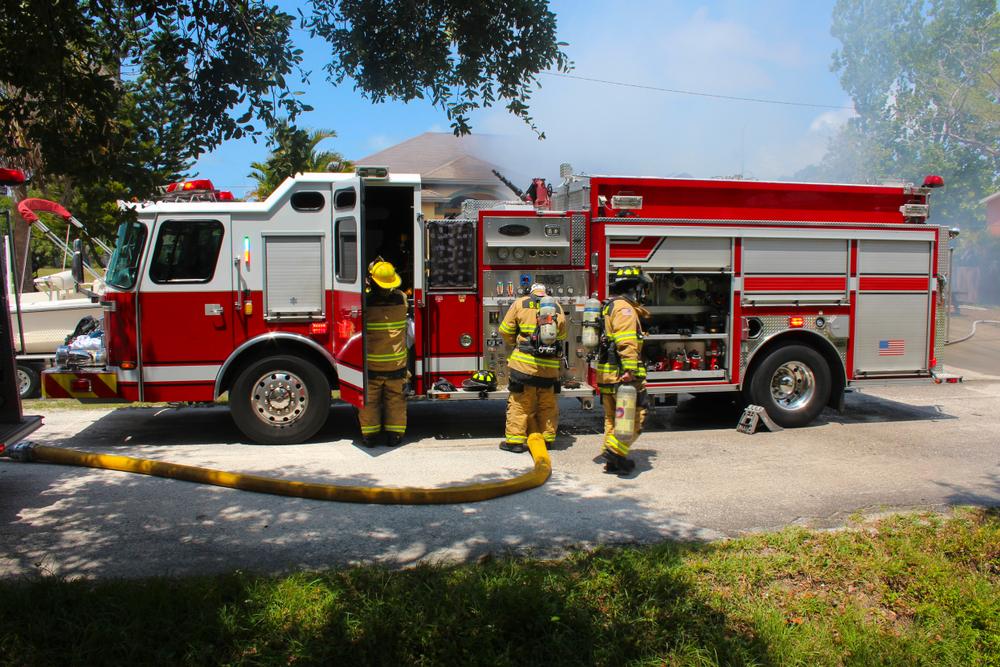
Preparing for Duty
Firefighting is a family affair for Morris. His father served as an Orange Volunteer Fire Company member from 1962 to 1980 and older brother Jeff preceded him in the department.Morris came to this when he turned 16. As a junior member, he was trained and could answer calls. He participated in all work except addressing hazardous conditions.
The most insightful aspect of “My Time at Station 23” involves the depth and scope of Morris’s preparation for this task. While the rigorous physical dimensions of this pursuit are demanding, Morris points out that firefighters also need to learn a distinctive sense of emotional detachment from the crises they face.
“If you are emotionally tied to the event, you may miss some other information that could mean the difference between being successful in resolving the emergency or not,” he writes. “This can often be the difference in life and death for you and the victims.”
Working in Unison
“My Time at Station 23” includes stories related to the most harrowing calls that Morris and his colleagues answered. These included putting out blazing structural fires and extricating badly injured crash victims from their mangled vehicles. There are also a few eccentric stories; he tells of the rescue of skydivers who landed in trees and became stuck.The author also recounts a few incidents where the stress of emergency situations resulted in frayed tempers. These included a tense encounter with firefighters from another department who weren’t following proper equipment protocol.
Commitments and Regrets
For Morris, the success of a volunteer fire department is based on its members’ common goal. He notes how his department traditionally consisted of people of diverse professions and life experiences.In his case, the author was formerly a nuclear engineer at the North Anna Power Station in Mineral, Virginia; there he supported that facility’s first aid team and in-house fire brigade.
Morris shares how his department became an extended family, with members helping each other in times of need. They worked together off-hours with roof replacements and home remodeling, transported department members to medical appointments when they couldn’t drive themselves, and attended their special events.

But that extended family is at risk of disappearing. He laments that his department now struggles to maintain its staff. He blames this decline on employers who no longer allow their workers to abruptly leave their jobs to answer fire calls.
He also cites the outbound migration of residents from his rural county and “the differences in generational priorities.”
At the same time, he expresses deep regret for prioritizing his firefighting duties above the needs of his family and closest friends. This volunteer pursuit repeatedly resulted in his being absent on holidays, missing special occasions involving his children, and abruptly canceling family outings. He ruefully looks at these moments as “permanent losses that cannot be recreated.”
Morris never complains that he should receive financial compensation for his years of service, since that would negate the point of his work. For the author, the reward volunteer firefighters receive is knowing someone is better off because of their arrival during a critical situation.
“Only the desire to help others is our primary motivation,” he writes. “There is immense pride involved in our duties.”
“My Time at Station 23” is a sincere work that offers a poignant reminder that there are many people who are willing to put themselves at great risk for the sake of their community. This earnest work epitomized the concept of a feel-good book.