There are good reasons why Agatha Christie (1890–1976) is called the “Queen of Crime,” a nickname trademarked by her estate.
She wrote 66 novels, 14 short story collections, six romantic novels published under a pseudonym, 20 original plays and 13 stories adapted for the theater, and two autobiographies. More than a billion of her books have sold in English, with at least another billion in foreign translations. She is the best-selling novelist of all time and a best-selling author whose works are outsold only by the Bible and Shakespeare.
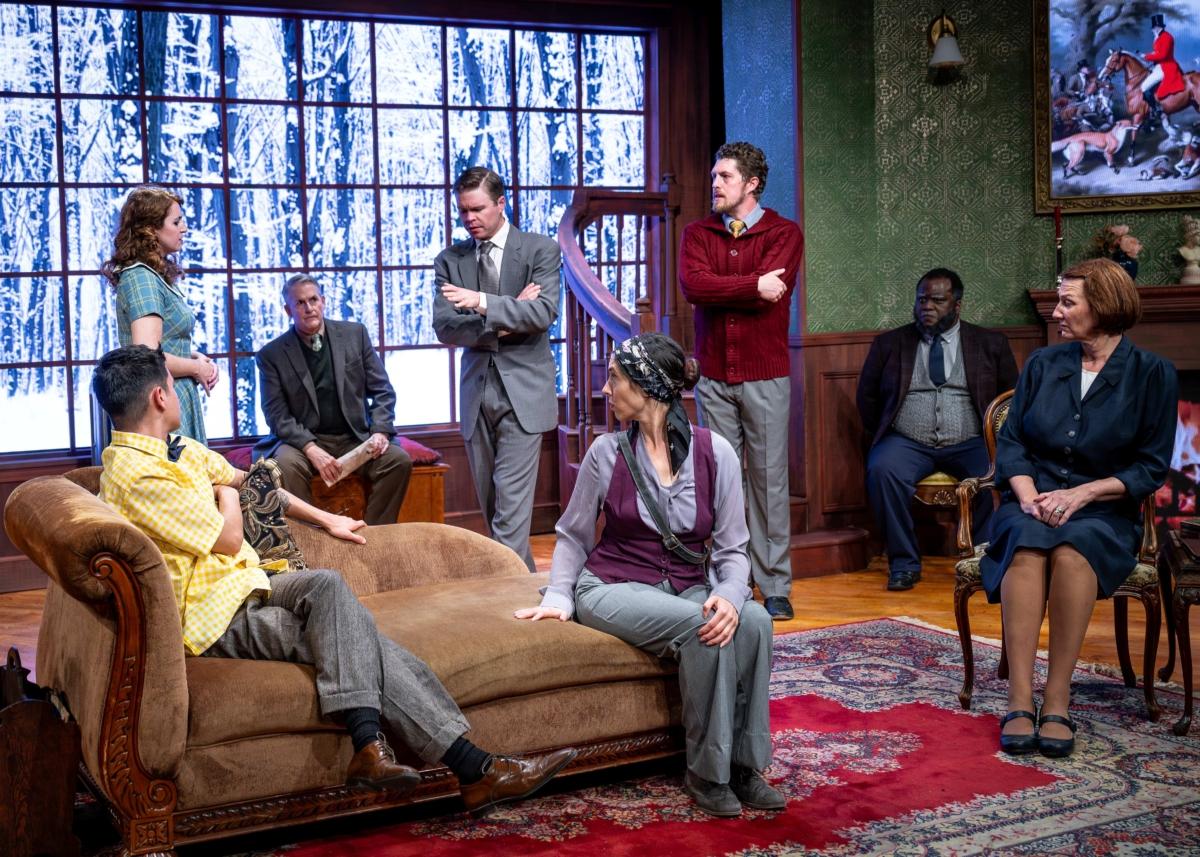
Add to these figures Christie’s play “The Mousetrap,” a whodunit that opened on Nov. 25, 1952, closed temporarily during COVID, and then reopened. It’s the longest running play in history, with over 30,000 performances. She also had three plays running at the same time in London’s West End theater district.
So how to explain this woman who commanded the attention of millions of people around the globe? And why have her works remained so popular?
Childhood and Memory
Modern research has found that happy memories of childhood make for strong adults. A 2018 American Psychological Association study, for instance, revealed that “people who have fond memories of childhood, specifically their relationships with their parents, tend to have better health, less depression, and fewer chronic illnesses as older adults.”Christie opens Chapter 1 of “An Autobiography,” which she began in 1950 but which she kept unpublished until after her death, with this short paragraph: “One of the luckiest things that can happen to you in life is, I think, to have a happy childhood. I had a very happy childhood.”
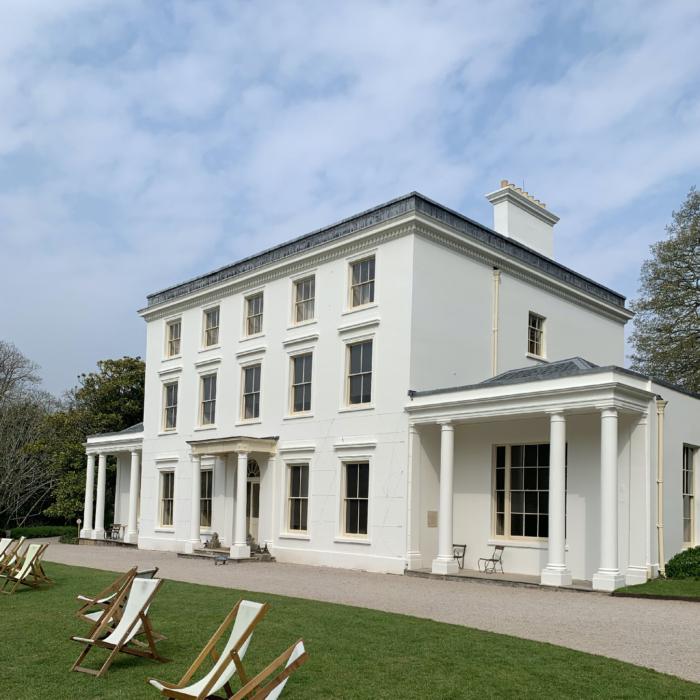

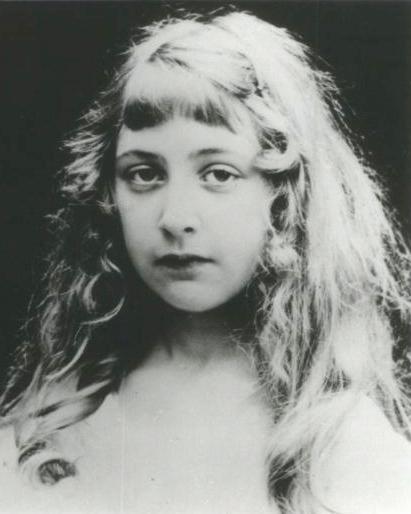
Until her father’s death in 1901, her parents, Frederick and Clara Miller, gave their daughter love and security, and the freedom to explore the world around her. Her beloved Ashfield, a Victorian home named for some of the trees growing on the property and with a two-acre garden, appears both in the opening pages of her autobiography and at the end, when her former home was torn down and became, as she wrote, the site of “the meanest, shoddiest little houses I had ever seen.”
A Classroom All Her Own
Unlike her studious older sister, Madge, Agatha did not attend a boarding school. Her parents elected instead to educate her at home. By the time she was 5, she had taught herself to read and began spending hours in the family library.In her delightful and recently published biography, “Agatha Christie: The Mother of the Cozy Mystery,” Nancy West writes: “It was a ragtag education in a house overflowing with books, atlases, and encyclopedias.” Citing another Christie biographer, Laura Thompson, West notes that this education was “‘probably the making of [Agatha].'”
Later, Christie would attend several schools in France, where she studied piano and voice while immersing herself in French culture. The biographer at the official Agatha Christie website reports that “she could even have been a professional pianist but for her excruciating shyness.”
Clara encouraged her 18-year-old daughter to write short stories while in bed with influenza. Their “family friend and author Eden Philpotts offered shrewd and constructive advice: ‘The artist is only the glass through which we see nature, and the clearer and more absolutely pure that glass, so much the more perfect picture we can see through it. Never intrude yourself.’”
Her education and childhood freedom gave Christie her love for books and stories as well as an affection for travel and adventure, which would last a lifetime.
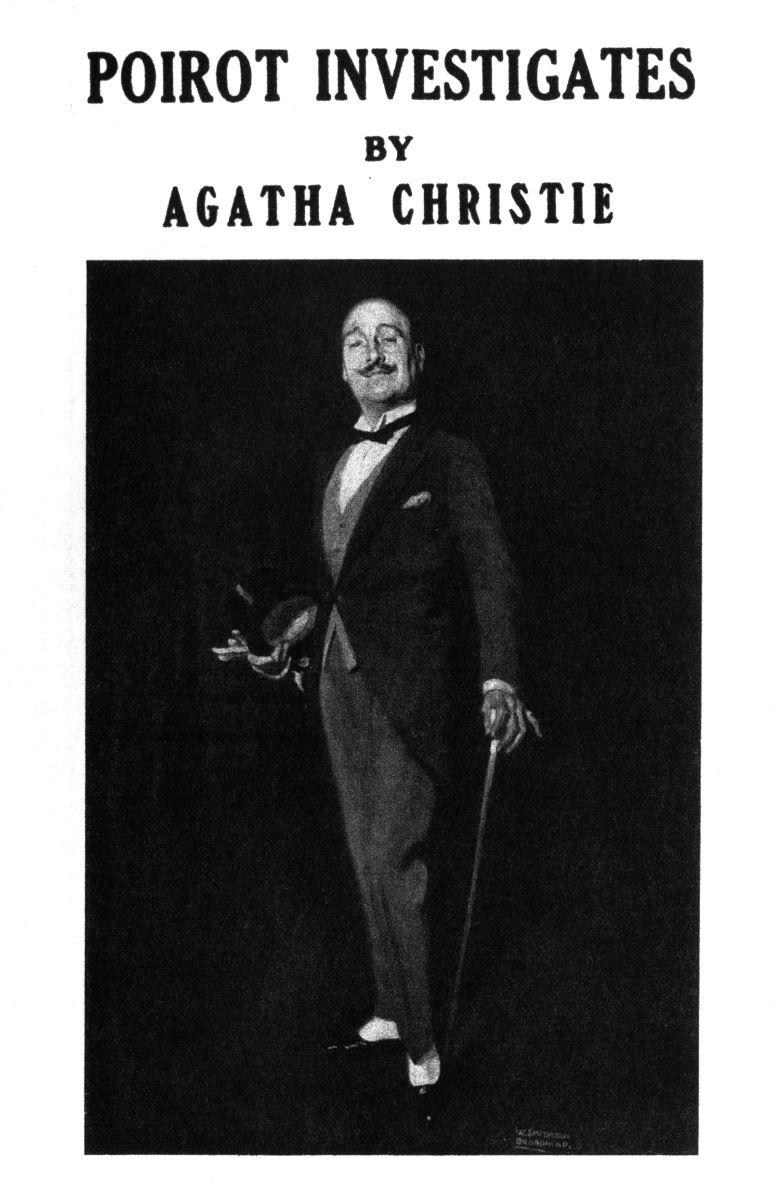
Without Spotlights
That “excruciating shyness” of Christie’s childhood also remained throughout her life. She avoided the public eye whenever possible. She refused to do book signings. She attended events honoring her with reluctance. She gave few interviews. Gregarious among family and close friends, she preferred anonymity when out and about.There’s a mystery she herself caused. Christie went missing on Dec. 3, 1926, in the wake of her husband Archie’s announcement that he wanted a divorce so as to marry another woman. The next 11 days brought on a frenzy of searching for her, with Archie suspected of murder. When she was found registered under a pseudonym at the Harrogate Hydropathic Hotel in Yorkshire, alive and unharmed, more speculation followed, running from a bout of amnesia to a bid for publicity.
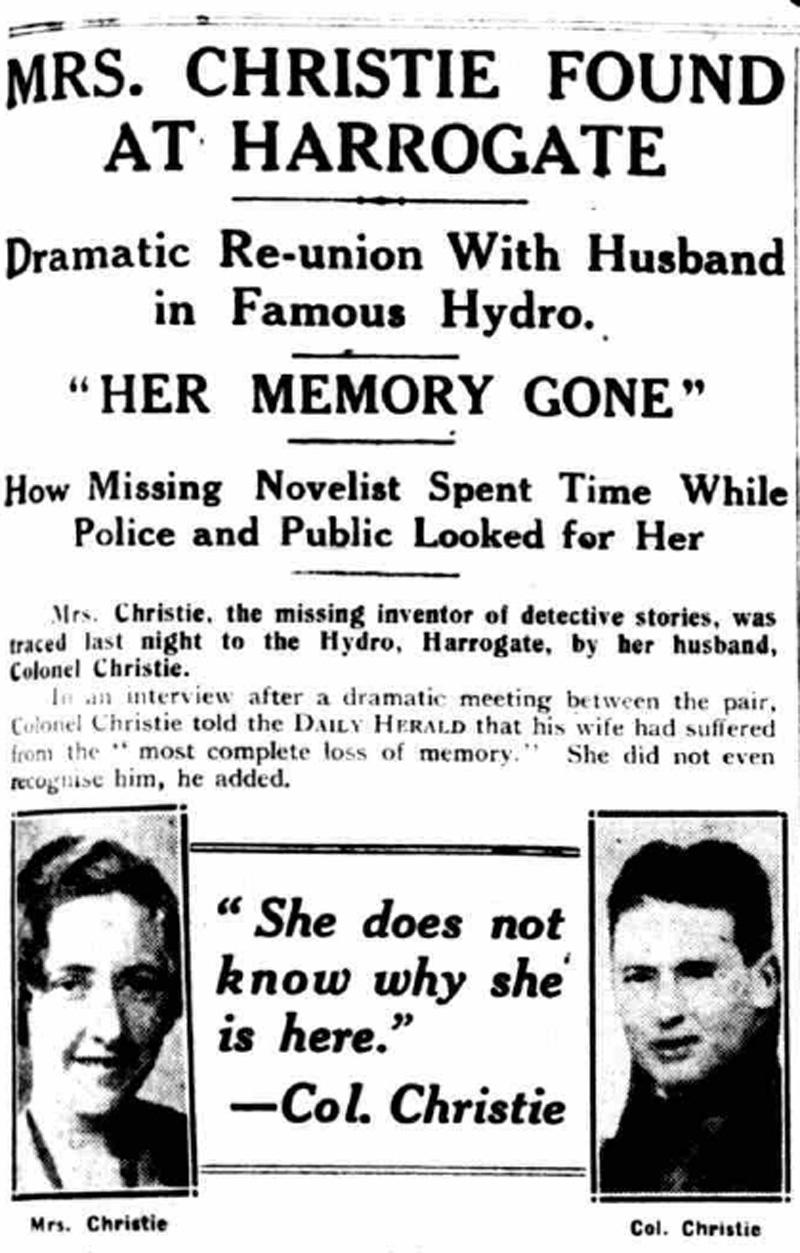
What didn’t follow were explanations from Christie. She gave an interview in February 1928 to the Daily Mail in which she said she’d wanted at first to commit suicide, that she’d felt too terrible to continue living. From that point on, and for the rest of her life, she rarely spoke of the incident to anyone.
Writers Write
In the 2006 film “Rocky Balboa,” an aging Rocky asks himself why he wants one last chance to enter the ring. His friend Marie encourages him, saying: “This is who you are ... and if this is something you wanna do and if this is something that you gotta do, then you do it. Fighters fight.”Christie might have said, “Writers write.”
Plain adds that “solving the Christie conundrum requires the embracing of more unexpected possibilities: her style, wit and psychological insight. Her books are easy and pleasurable to read (which contributes to their success in translation), and they are also often funny.” She also finds wisdom in crime writer Robert Barnard’s observation “of her capacity to generate a mood of ‘trustful mistrust.’ Readers have confidence in Christie to deceive them in an appropriate and respectful fashion.”
Yet we should also remember that Christie was successful because she possessed the endurance and ability to treat writing as her daily work and so perform it under nearly any circumstances. Of the World War II years, for instance, West tells readers that Christie stayed in London during the bombing while also working two or three days a week at a pharmacy dispensing drugs to help the war effort. But West then adds: “And she wrote. The war years turned out to be her most prolific and productive writing period. During this time she published ten novels, twenty stories, and one play.”
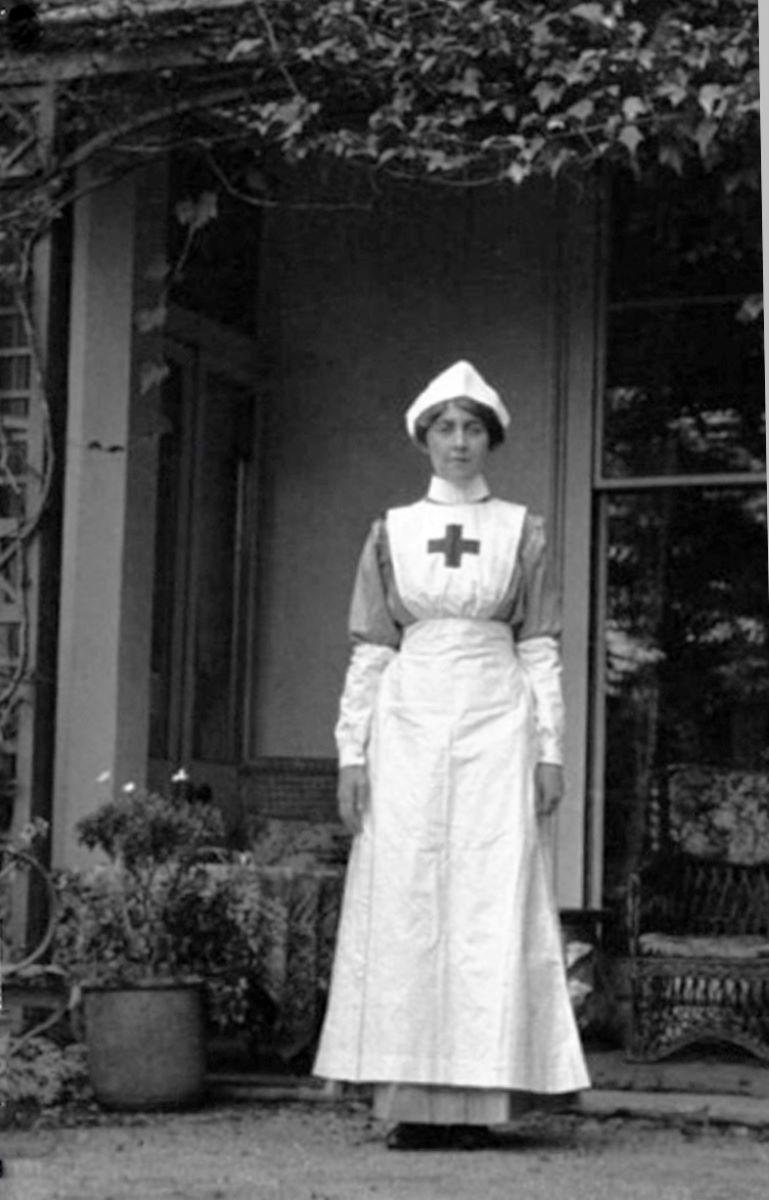
No matter her circumstances, Christie honed her craft by constantly exercising it.
On Jan. 12, 1976, Christie died in her home with her beloved second husband, Max, at her side. Theaters in the West End dimmed their lights and observed a moment of silence that very evening to honor her passing. Since then, millions more readers have paid tribute to Christie by buying and reading her books.
We began this look at Christie with the very first words of her autobiography. Let’s end with the very last:
“A child says, ‘Thank God for my good dinner.’
“What can I say at seventy-five? ‘Thank God for my good life, and for all the love that has been given to me.’”
To which her countless fans might reply, “And thank God for you, Agatha Christie.”