ON ROUTE 66—Their stories follow a remarkably similar path. It starts with frustration over skyrocketing housing prices in The Hague, or the COVID-19 pandemic’s effect on their jobs in Illinois, or the tedium of arranging flowers for weddings and funerals in Missouri.
These are the innkeepers who form the backbone of the iconic highway’s continued existence. Beyond hosts, they are de facto plumbers and landscapers, housekeepers and historians, preservationists, and tour guides.
The Aztec Motel & Creative Space in Seligman, Arizona
The short version of how Sebastiaan de Boorder came to own The Aztec Motel & Creative Space is that he got drunk and bought it.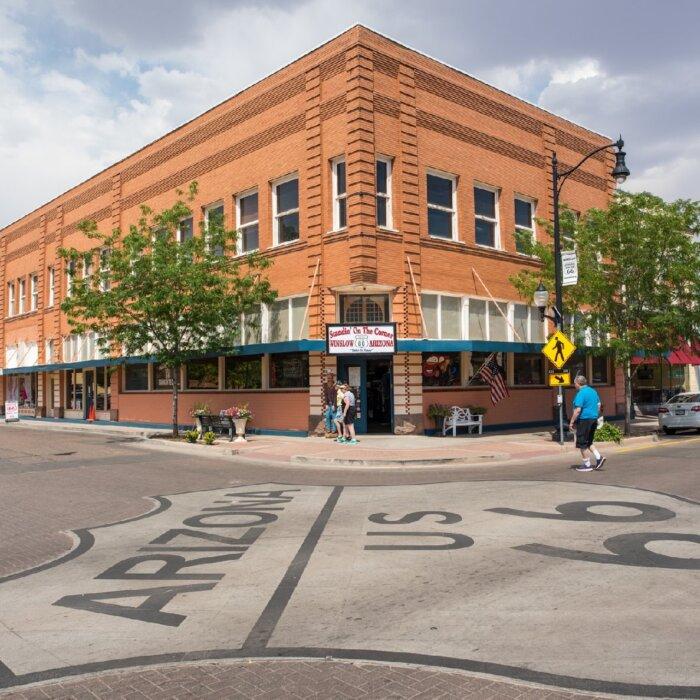
The longer version goes like this: De Boorder, a native of the Netherlands, spent about a year backpacking through New Zealand, during which he had a tarot/palm reader tell him he would meet the love of his life and start a business abroad. Both predictions were correct.
In New Zealand, he met his future wife, Arizona native Anna Marie González. The couple moved to Australia, where de Boorder studied hotel management. He worked at a five-star hotel with views of Sydney Harbour and then moved to Canada for a bit before returning to The Hague.
One night in 2019, he complained to González over drinks about how difficult it had been to buy a home. The more he drank, the more he complained.
Growing bored with what had, by then, become a familiar rant, González suggested they buy a Route 66 motel she saw on a commercial real estate website.
“You know what, just do it,” he remembered telling her. “Just do it. I don’t care anymore. I’m so frustrated with this whole situation.”
The next morning, González excitedly told her hungover husband: “We got it!”
“Oh, what’d we get?” he replied.
“The motel,” she answered.
“What? The motel?!”
González, it turned out, put down a $10,000 deposit on The Aztec Motel. After dispatching her parents from Phoenix to inspect the property, the couple decided to go ahead with the purchase.
The U-shaped building, first constructed in 1915 with additions in the 1950s, was in surprisingly good shape, de Boorder found. The couple made renovations during the COVID-19 pandemic, including structural repairs and painting. They added satellite internet service and smart televisions. They converted the oldest part of the building into the “creative space” lounge, with vintage artwork on the walls, midcentury modern furniture, and a refrigerator where guests can grab a brown bag breakfast of yogurt, cheese, a granola bar, and a fruit cup.
Life in a town with only 446 residents was difficult, at first; de Boorder remembered suspicious looks from some locals and tourists, including one man who stopped to say he heard the motel had been purchased by someone from a communist country.
“Oh, no, no,” de Boorder replied with deadpan humor, “a socialist country.”
Now, de Boorder said he and his wife feel like part of the community. They help organize a Christmas parade and host a holiday market. They cook hams and turkeys for the annual Thanksgiving lunch at the fire station.
Blue Swallow Motel in Tucumcari, New Mexico
Dawn and Robert Federico first laid eyes on the Blue Swallow Motel in January 2020 while on a road trip from Tucson, Arizona, back home to far northwest suburban Crystal Lake.Although the motel was closed for the season, its classic neon sign was still aglow, advertising “TV” and “100 percent refrigerated air.”
“This has got a good vibe,” Robert Federico remembered his wife saying. “It’s a happy place.”
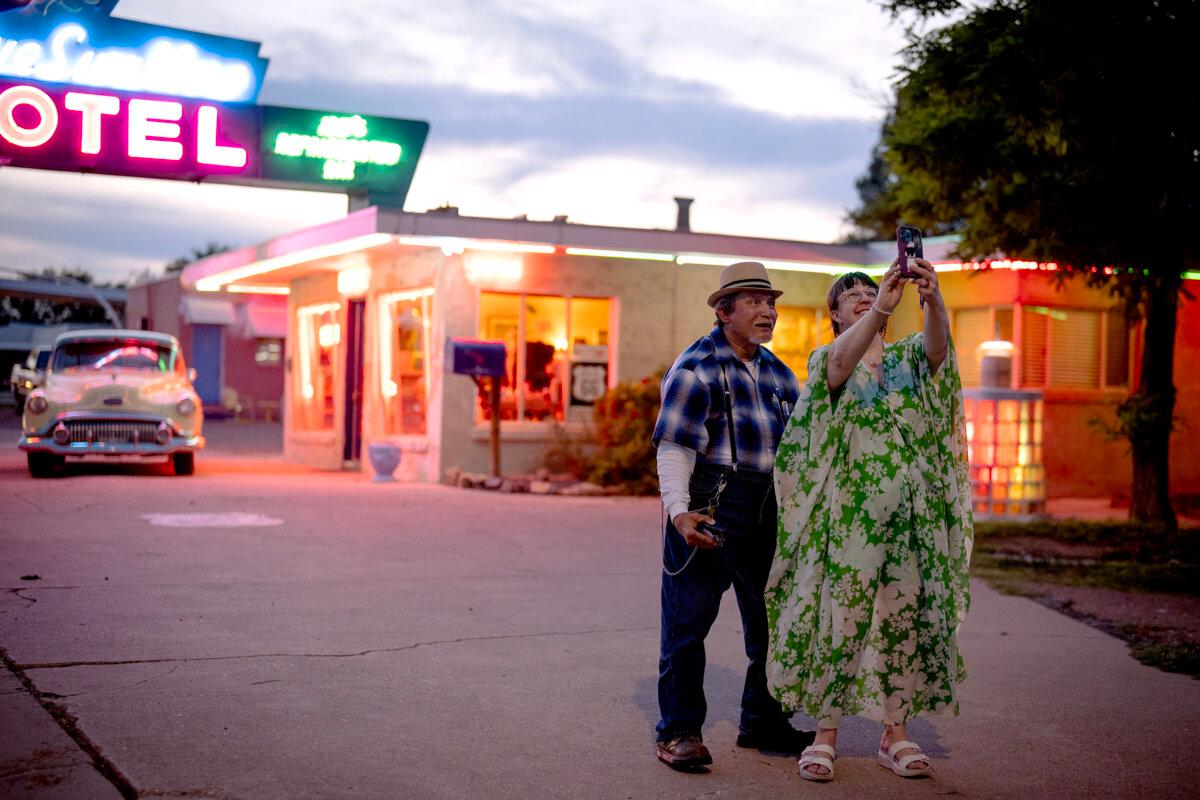
A month later, as the pandemic waylaid their respective industries—he was a global trade show coordinator, and she a contract operations manager for a Swedish dental company—they’d daydream about buying the motel, which alternately had been listed for sale and then under contract.
Around June of that year, Dawn Federico messaged the motel’s owner. She wanted to thank him for the inspirational words he shared on a podcast and to wish him luck on the impending sale. He replied within 24 hours. The deal fell through, he wrote, closing with a question: Did they have any interest in buying a motel?
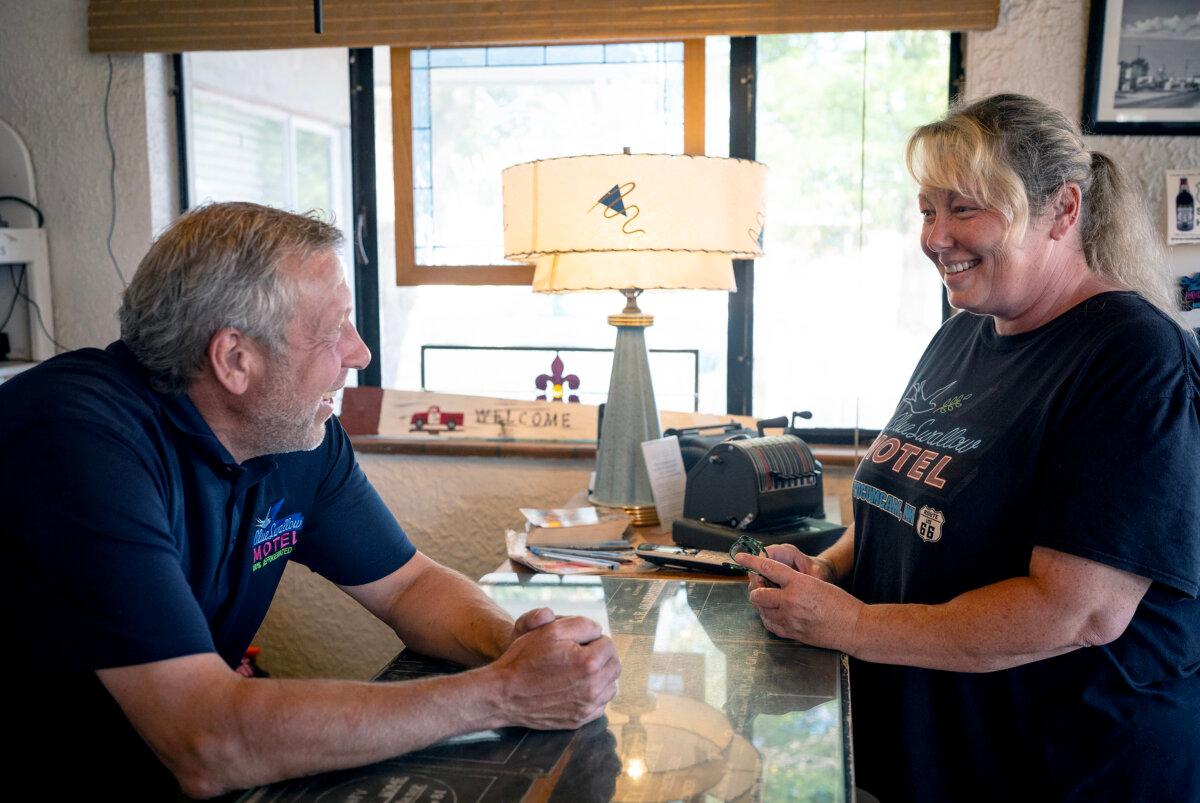
Life as the seventh owners of an 86-year-old motel is full. The day starts at 5:30 a.m. An hour later, the main office opens. Coffee is brewed—“When you’re over 60 miles from the nearest Starbucks,” Rob Federico jokes, “you better make a decent cup of coffee.”
On the day we visited in June, Dawn Federico and two housekeepers had already changed the linens and cleaned any of the 12 rooms that guests vacated. Rob Federico had helped install an air conditioner and researched vintage parts for some faucets that needed fixing.
By 5:15 p.m., they were waiting for three more reservations to arrive. Two people heading to the Grand Canyon stopped to look around and take pictures. Rob Federico happily told them the motel’s history, highlighting that the furniture and tiles and showers are all original. When one of them crouched to pet the Federicos’ dog Marshall, napping on the floor, Rob Federico explained how KONG dog toys were invented.
“I’m the Cliff Claven of Tucumcari,” he joked.
Dawn Federico, meanwhile, sat in front of the computer and reviewed upcoming reservations.
“This place really called to us, and sometimes in ways we can’t even explain,” she said. “I wouldn’t want to own anything but the Blue Swallow. This place is just so special. It is such a little time capsule of Americana.”
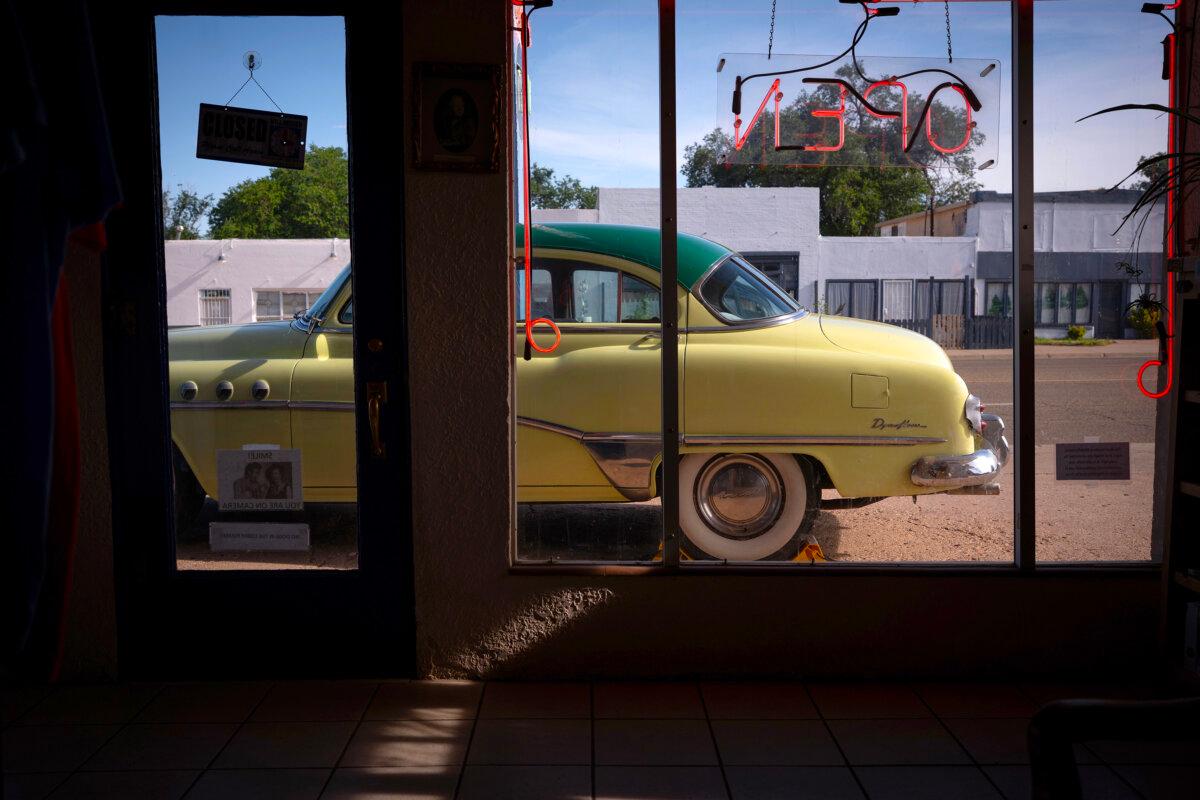
Wagon Wheel Motel in Cuba, Missouri
Connie Echols freely admits she was being nosy on that fall day in 2009 when she walked from her flower shop down Route 66 to the Wagon Wheel Motel. Its longtime owners had passed away, and Echols asked their son what the family planned to do with the historic property that is considered the oldest continuously operating motel on Route 66.To her surprise, she said, he told her to make him an offer on it.
An Iowa native, Echols spent roughly a half-century in this small Missouri town about 85 miles southwest of St. Louis. She worked in a shoe factory, built and remodeled houses, and opened a flower shop in town. But she had grown tired of that business, and so she offered to pay him the value of the land, thinking he wouldn’t accept it.
“And he did,” she remembered. “Overnight, I owned the place.”
Years of hard work followed. The previous owners had been renting each of the 19 rooms for as low as $11 a night. At that rate, it predictably attracted a downtrodden mix of customers. Emergency vehicles were a fixture on the property.
Echols raised the rate and invited local police to visit regularly, hoping the combination would drive away the unwanted clientele. Then she got to work on building renovations, preserving what she could—hardwood floors and doors, Ozark stone facades—and replacing what she couldn’t save. The windows, she remembered, were a big job: 78 glass panes, all needing to be replaced.
The pipes and drains in the building that had originally been a gas station and café—now the main office and gift shop—were so dirty that, in the basement, Echols found 13 lawnmowers floating in four inches of water.
By 2022, the motel had been largely restored to its former glory. But the work had taken a financial and physical toll, and Echols put it up for sale. She fielded a few offers, she said, none of them worth entertaining.
“One lady wanted me to work for her,” Echols remembered. “I said, ‘Are you out of your mind, lady?’”
The next year, she took it off the market. Running a historic motel was better than sitting idle at home, she figured.
Still, sitting in her office on a Wednesday in June, she recognized she’d have to part with the Wagon Wheel eventually. Her children and grandchildren are busy with their own lives and careers, she said.
“The thing of it is, if I pass, my kids will fire sale,“ she said. ”They’ve seen me work so hard, and they’re always like, ‘You need to sell that place.'”
This April, Echols sold the Wagon Wheel to Christina and Rich Dinkela, owners of another Route 66 historic motel, The Shamrock Court, in nearby Sullivan, Missouri.