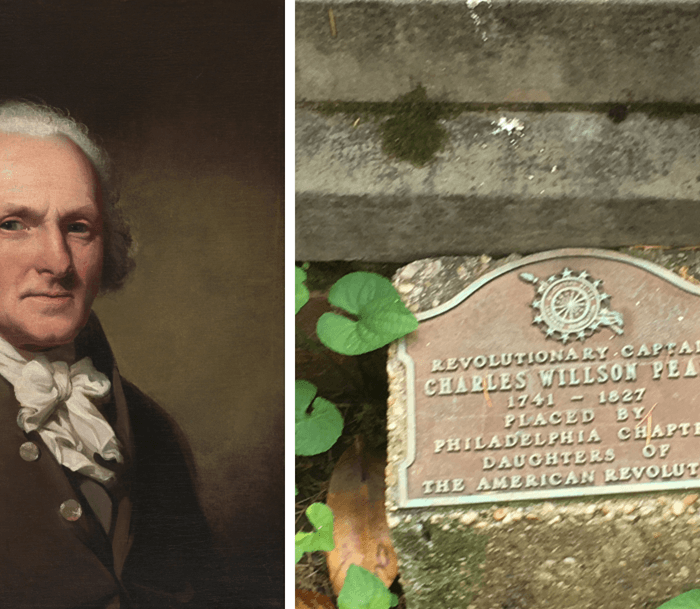
One artist left a legacy of artists and science enthusiasts that enriched America in the 19th century: Charles Willson Peale (1741–1827). He was a prolific portraitist and the head of America’s most impressive dynasty of artists.
His siblings, children, nieces, nephews, and grandchildren followed in his footsteps, becoming portrait artists, landscape painters, scientific illustrators, museum curators, and inventors. The United States owes much of its cultural development in the 19th century to the Peale family.
Daughter, Niece, and Granddaughter
Mary Jane Peale was born on Feb. 16, 1827, in New York City. She was the only girl among the seven children born to Rubens Peale (1784–1865) and his wife, Eliza Burd Patterson.Although the Peale family generally called Philadelphia their home, Mary Jane was born while her father was running the New York branch of the Peale Museum. They moved back to Philadelphia when she was 10.
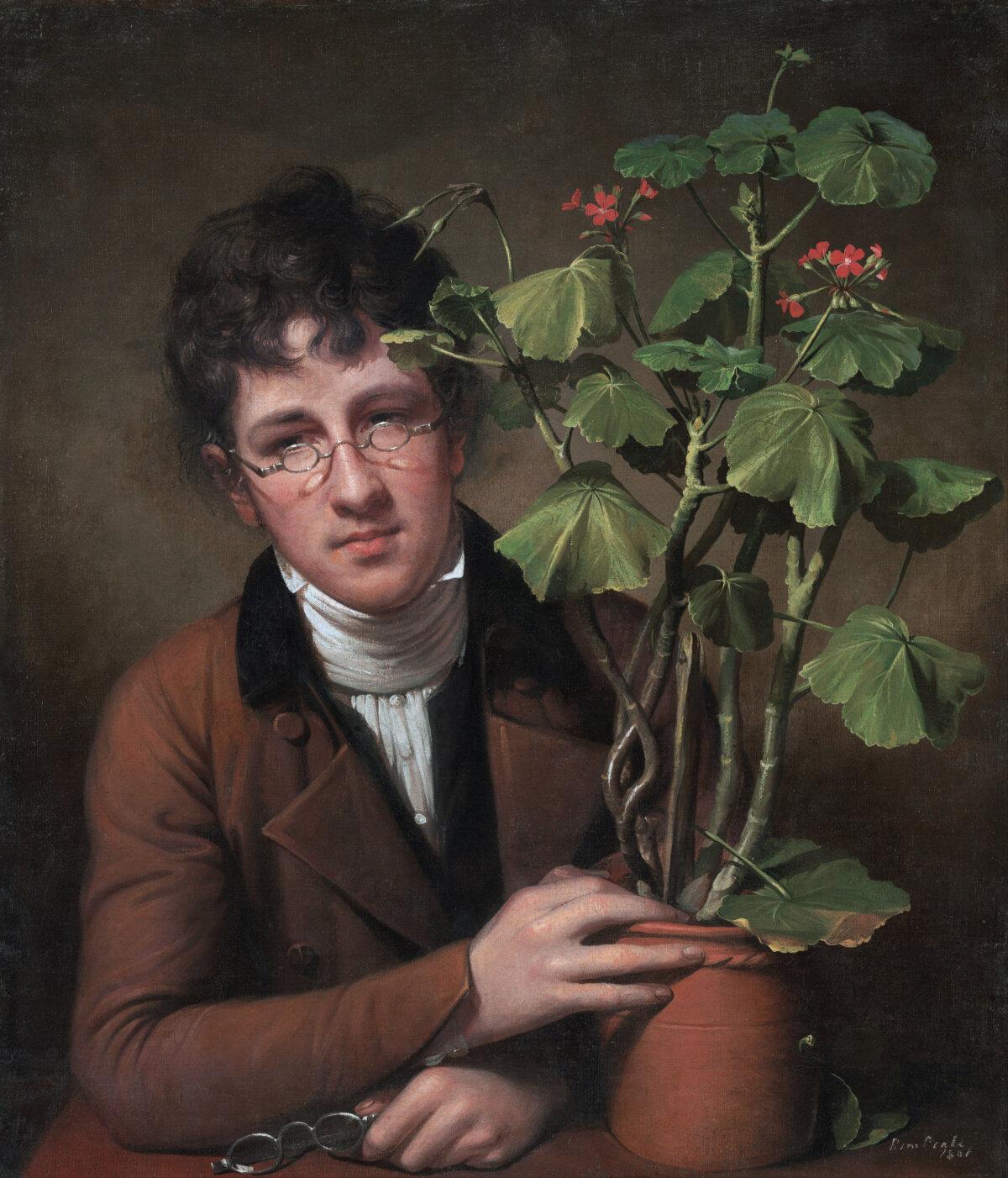
The fourth of Charles Willson Peale’s 11 surviving children, Rubens wasn’t trained as an artist like his brothers. Because of his poor eyesight, he instead pursued the natural sciences, such as taxidermy and museum curation.
Picking Up the Palette
In her early teenage years, Mary Jane began developing the family inclination toward art. At age 15, she enrolled in drawing lessons at school. She showed a natural talent for art, as evidenced by her writing to her parents: “My teacher wanted to know how long I had learned, and was surprised when I told him I had not learned at all.”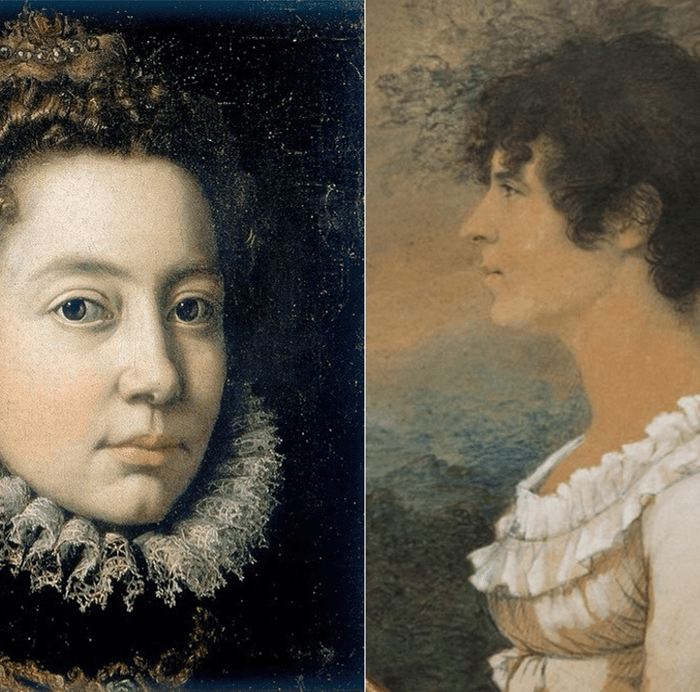
By age 20, she knew that she wanted to be an artist, writing in her journal that she wanted to paint professionally. On the practical side, she added: “For it will be more profitable to make my living in that way than in any other—certainly more agreeable.”
This musing about earning a living by painting is remarkable for the 1840s. Firstly, it reflects the broader Peale family’s encouragement of daughters to seriously study art alongside their male relatives, which goes back to Charles Willson Peale’s artistic training of his daughter Sophonisba (1786–1859).
Trained to Paint
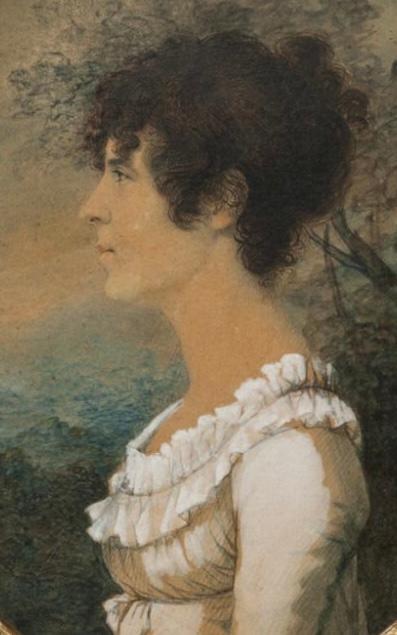
At age 22, Mary Jane left the family farm in rural Pennsylvania to study art in Philadelphia. She studied at the Pennsylvania Academy of the Fine Arts with George Cochrin Lambdin (1830–1896), a member who was indebted to her father.She received encouragement in her artistic pursuits from her cousin Sarah Miriam Peale (1800–1885), who was one of the first female members of the academy. Sarah Miriam believed Mary Jane had “a great deal of talent,” as recounted in Mary Jane’s collection of letters, diaries, and notes held by the American Philosophical Society.
While in Philadelphia, Mary Jane also learned from her uncle Rembrandt (1778–1860), the most successful portraitist of Willson Peale’s children. Rembrandt sent her extensive letters detailing his techniques and giving her specific advice on improving her painting. He also encouraged her to watch him in person and learn from him by copying his work, a common form of art training.
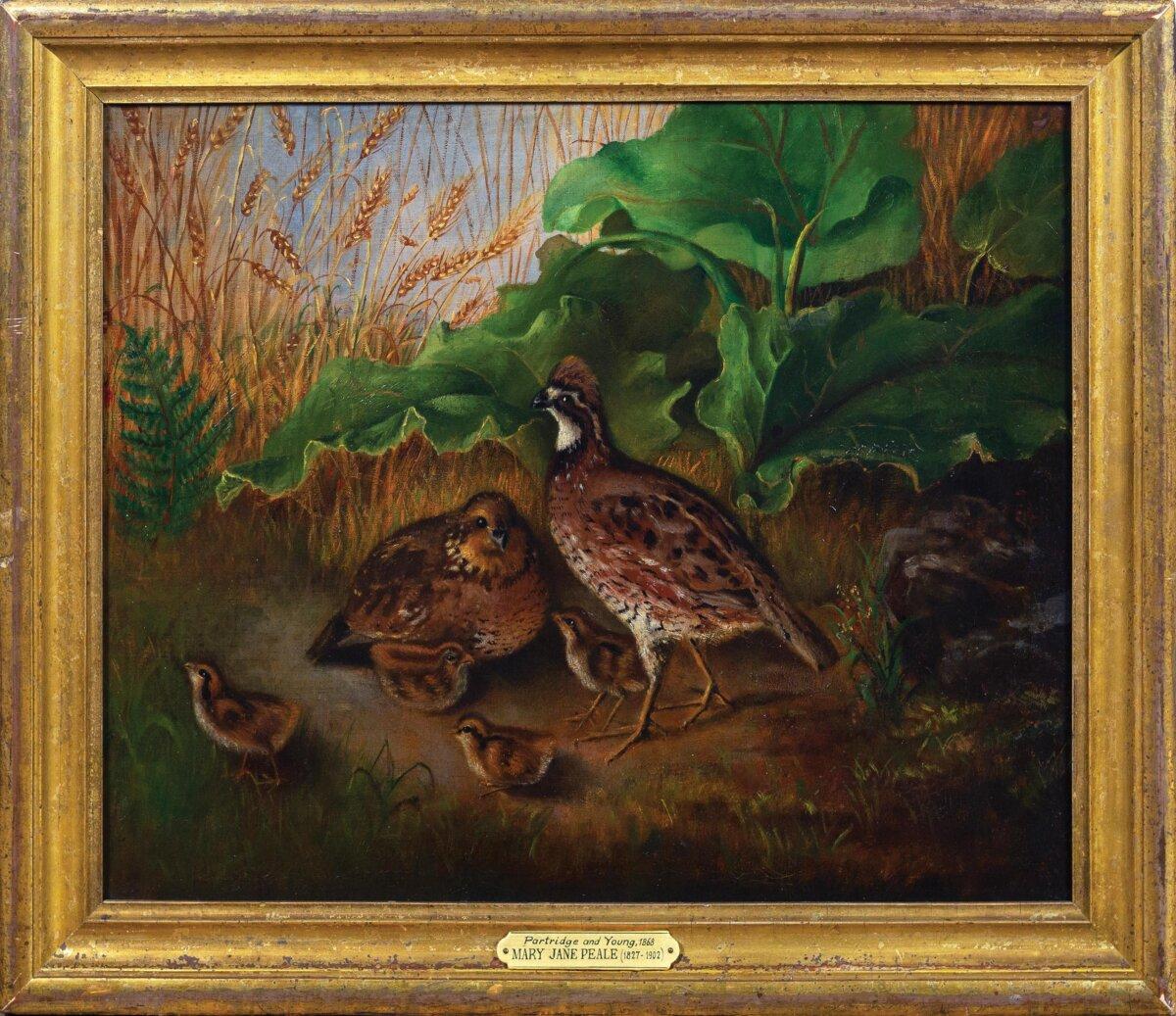
In one letter, Rembrandt wrote: “As you seem now determined to be a painter I hasten to send you, the simplest arrangement of tints I have ever used.” In a letter from Rembrandt among Mary Jane’s notes, he included a diagram of “the most simple Palette for beginning a Portrait,” adding notes about which shades work best for different purposes.
Inspiring Her Father
Nevertheless, Mary Jane moved back to her parents’ Woodland Farm in Schuylkill Haven three years later. By this point, her aging parents needed her care and her help running the farm. This didn’t mean the end of her career, however.During her studies in Philadelphia, Mary Jane had been encouraged by many of her relatives, not the least of whom was her father. Now that she was back at the farm, it was her turn to encourage him.
Mary Jane encouraged Rubens to take up painting for the first time at the age of 71. No doubt, he'd always harbored a secret desire to produce art like the rest of his family, but he’d thought it impossible because of his weak eyesight.
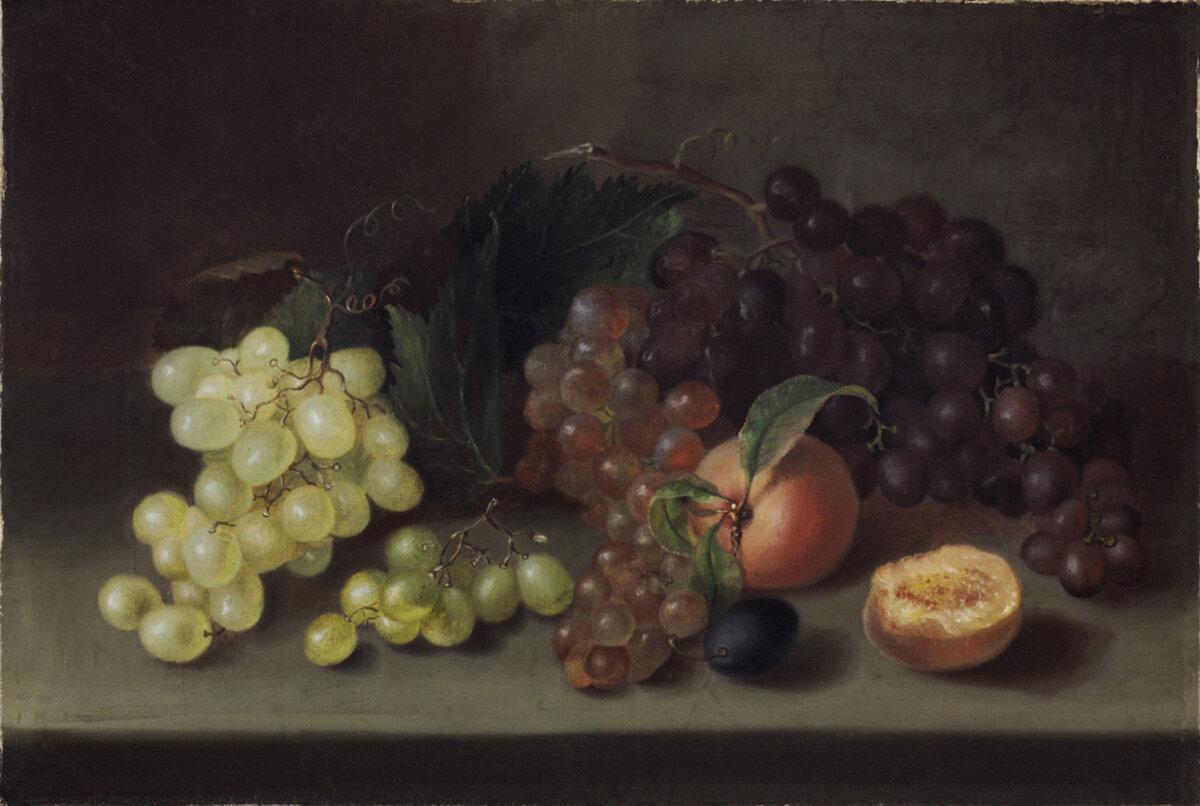
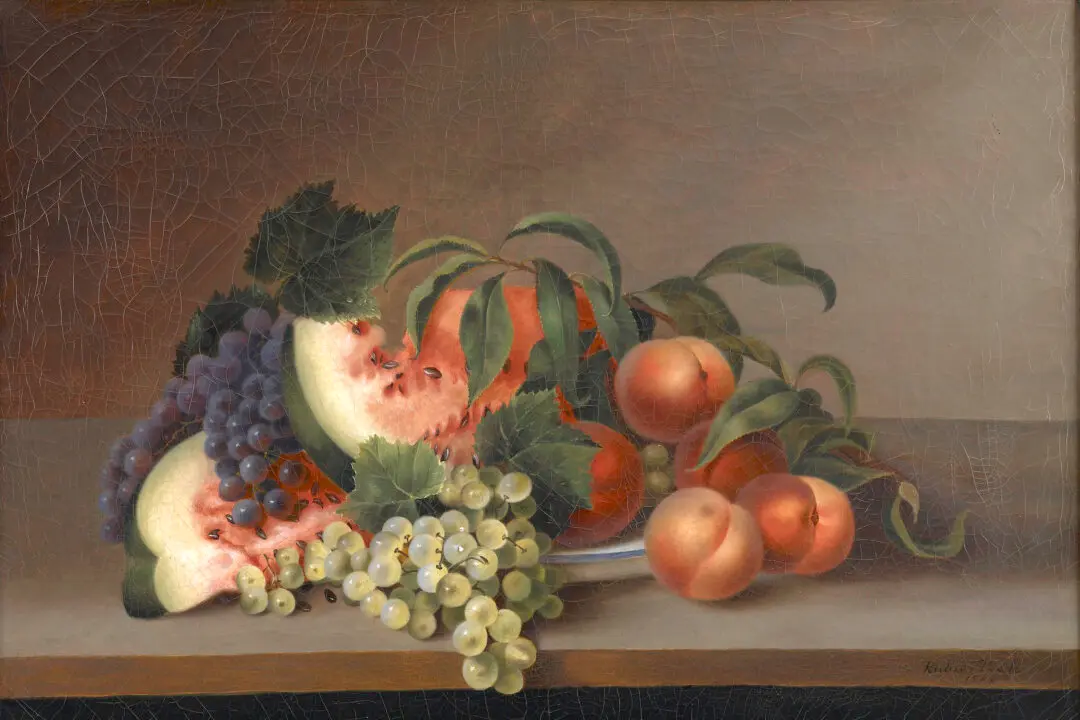
However, in the last decade of his life, he produced over 130 beautiful still lifes of nature and landscapes from a lifetime of observation and memory. His daughter was right there to encourage him, instruct him, and collaborate with him on his paintings. Some art historians believe that Mary Jane, in fact, painted some of the works attributed to Rubens.
Art Abroad and in Collection
After her parents’ deaths, Mary Jane traveled to Europe to expand her artistic horizons. She visited museums and art collections in Paris, Geneva, and other cultural capitals of the continent. Now approaching 40, the accomplished artist further honed her skills by studying in Paris in the late 1860s.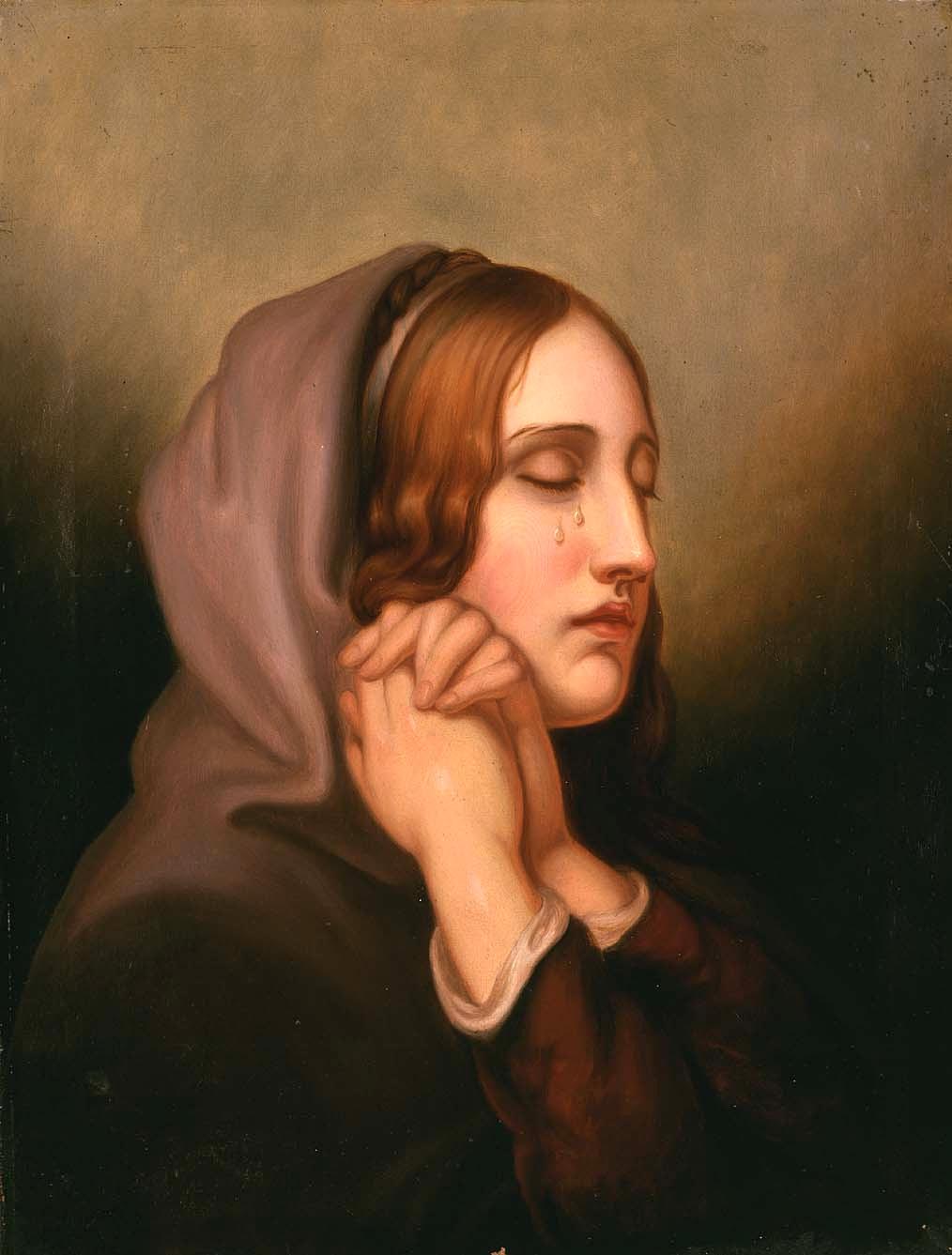
Back in the United States, Mary Jane mingled with the finest minds in art and science in the nation’s capital. According to an article by the American Philosophical Society, she hobnobbed with renowned scientists at the Smithsonian Institution in Washington, indicating that she may have shared her father’s interest in the natural sciences as well as museum curation.
Mary Jane spent her last years in her childhood home in Schuylkill County, which she named Riverside. There, she was surrounded by her family’s paintings, including portraits her grandfather painted during the Revolutionary War. She died at age 75 in 1902, bringing the Peale family legacy into the 20th century.
Today, Mary Jane Peale’s paintings are on display at the Philadelphia Museum of Art, the Smithsonian American Art Museum, the Sheldon Museum of Art, and the Westmoreland Museum of American Art.
She painted landscapes, still lifes, and portraits, and most people consider her fruit and flower paintings to be her best work. Upon her death, her obituary called her “a well-known portrait painter of the celebrated family of artists of that name.”
She was more than just the “last of her family,” however. Mary Jane was a creative artist who inspired not only her own father but generations of future artists to continue this dynasty’s legacy of art, which reflects America’s nature and pioneer spirit.