The day was hot and aiming to get hotter, and I didn’t have any of the wines that I normally would have on that kind of day.
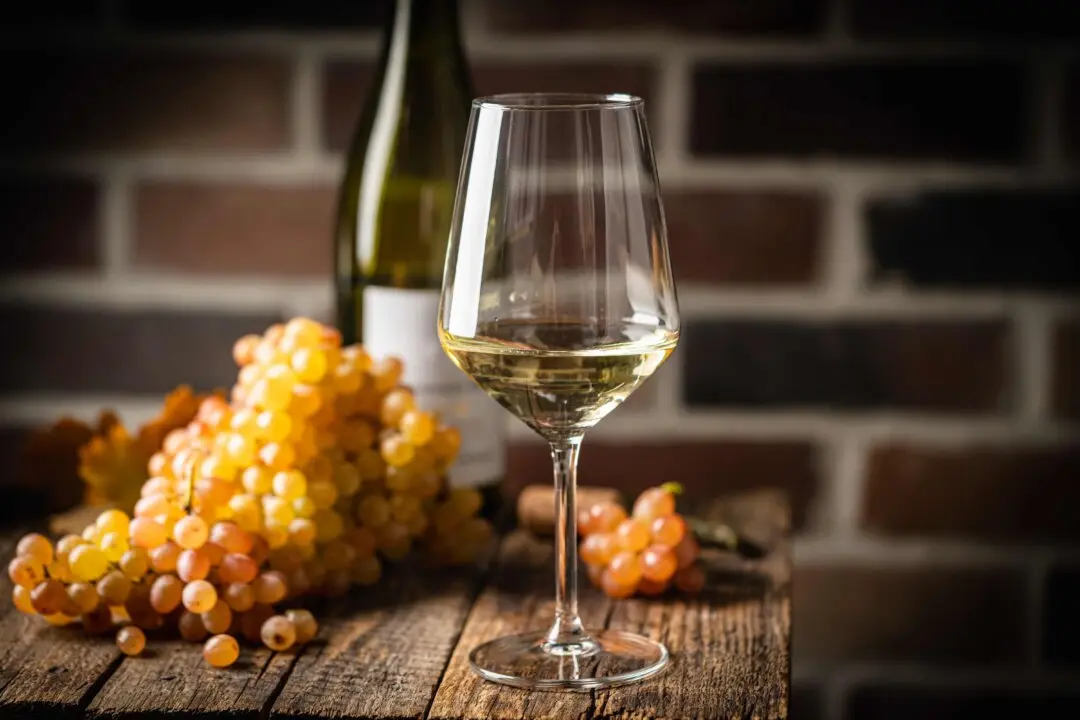
So, I went shopping and bought a bottle of Vinho Verde from Portugal. It wasn’t expensive ($11), and it was exactly what I wanted. It was relatively dry, and it had about 11 percent alcohol.
One reason I bought this wine was that the alcohol was lower than just about any similar white wine in the store. Most of the California wines were closer to 14 percent alcohol or even higher. I prefer wines with less alcohol.
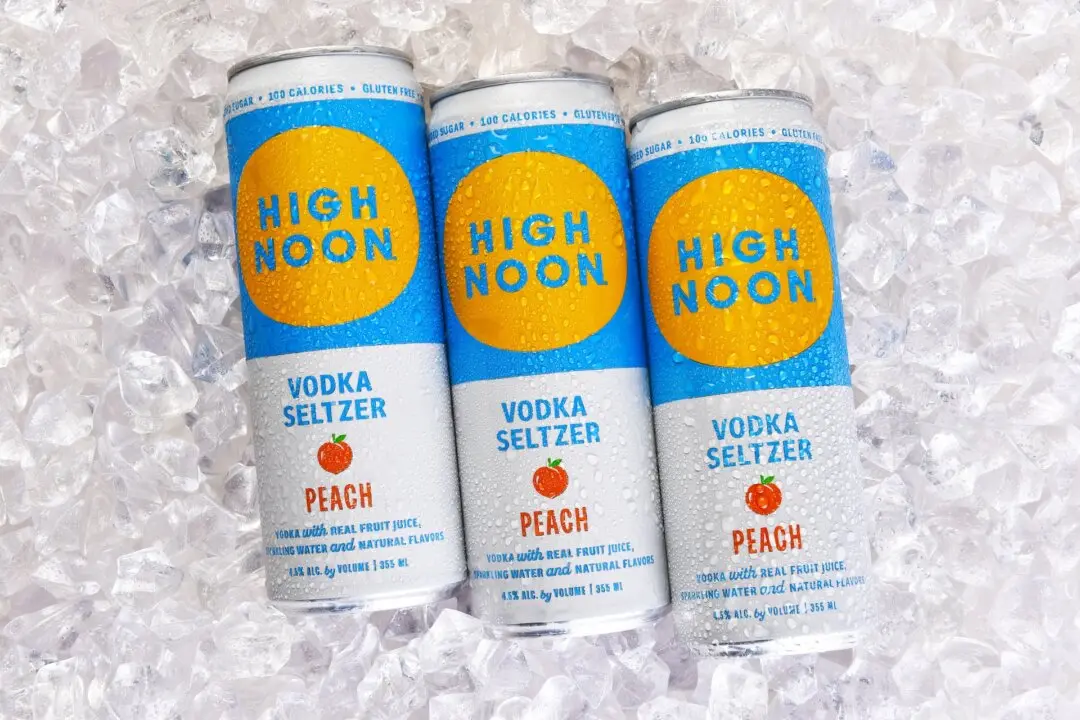
I’m not alone. Over the past two years, Americans seem to be seeking lower-alcohol or zero-alcohol products. That includes not only wine but also many alternative beverages such as hard cider and hard seltzer (5 percent to 7 percent alcohol) and nonalcoholic beers, a category that is growing rapidly in number.
There are also several wines on the market that have no alcohol, but generally, they are not particularly successful in replicating the true wine experience. It is extremely difficult to capture wine flavors without any alcohol.
Trinchero Family Wines of Napa has long made an inexpensive zero-alcohol wine called Fre and has now come out with a line of wines called Luminara—three premium alcohol-removed wines that are more refined. They are a chardonnay, a cabernet, and a red wine blend ($20 each).

They were made using a sophisticated machine called a Spinning Cone. Although the wines are successful, they do not approach the quality of wines with 12 percent or 13 percent alcohol in terms of quality.
They are also expensive to produce because the Spinning Cone is a costly machine. It is not affordable for most smaller wineries.
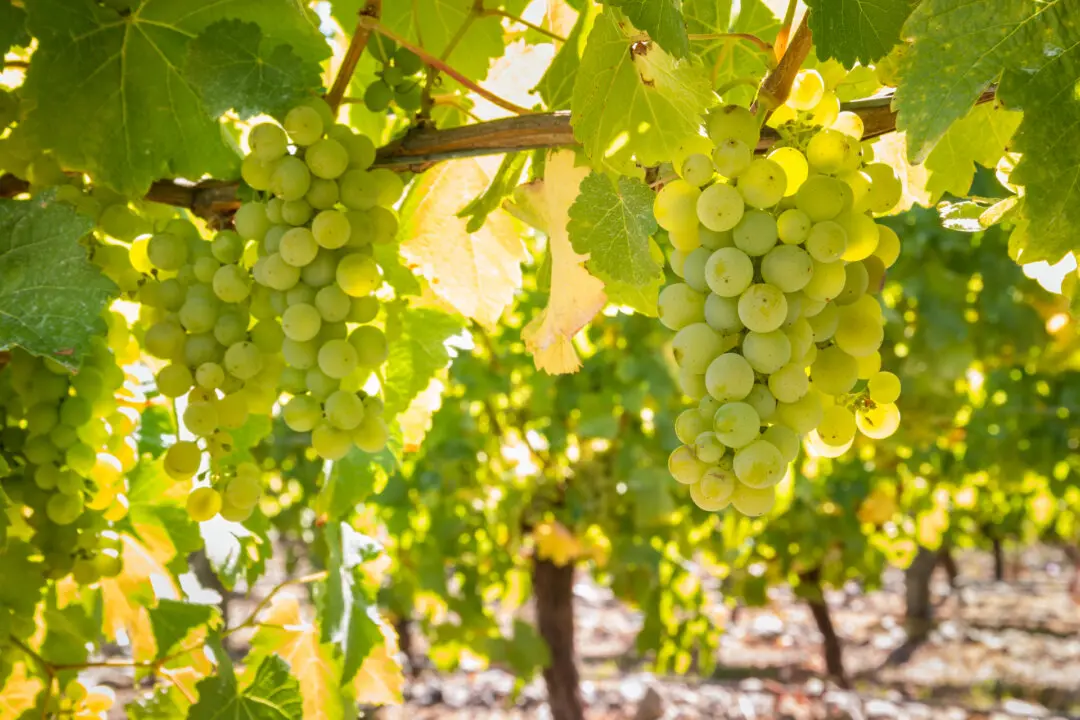
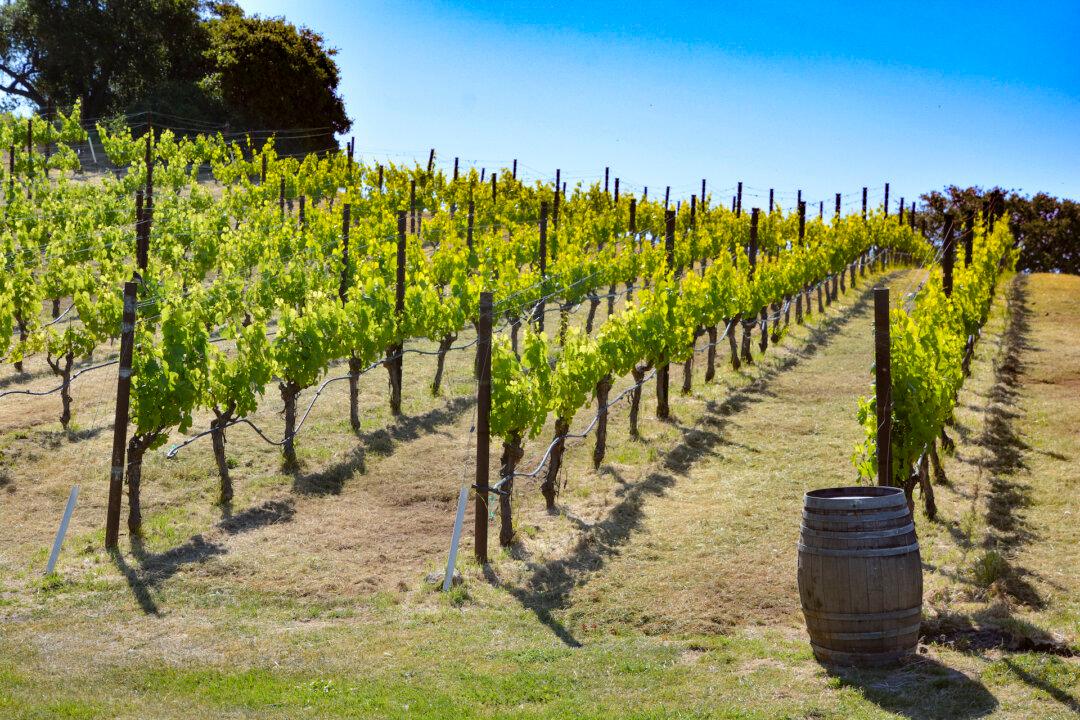
Consumer demand for lighter beverages both here and abroad has led many wineries to work with research institutions to seek methods for growing grapes that will produce naturally lower alcohol and therefore better alternatives to existing wines.
Some of the techniques being investigated include earlier harvesting of traditional grapes at lower sugar levels, which will produce less alcohol, and selecting strains of yeast to ferment grape juice that do so with less alcohol.
One research project that seems to be bearing fruit is conducted at the Bragato Research Institute in Blenheim, New Zealand.
Several of the research projects I’ve heard about include making wines from new grape varieties that naturally produce lower sugars and thus can result in wines with much lower alcohol levels. Such wines may be satisfying to wine lovers who demand more authenticity than they now get in zero-alcohol products.
Consumers can participate in this process in an extremely simple manner. When you get a wine that seems satisfying, but the alcohol is higher than you prefer, just add a little water to your glass.
High-alcohol wines (14.8 percent or more) are usually produced by harvesting the grapes later than would be appropriate for making a more balanced wine. To help balance the flavors, add a tablespoon of cool spring water. This reduces the alcohol percentage and can make a wine that’s equally enjoyable and may be more flavorful.