When life seems hard, repetitive, or even comfortable, we can sometimes forget the importance of everyday awe and curiosity, as I discovered.
Many moons ago, I worked for a UK charity preserving disused churches of architectural significance. Every week, I’d take the train into London Blackfriars station and walk the 10 minutes or so to the office near Smithfield Market, a thriving wholesale meat market that has served the City of London for more than 800 years.
As I started my working day, the meat traders were ending theirs, with a happy cacophony of clattering wood pallets and slamming metal shutters. They would then pile into the pub next door, which had a special license to open so early. With the market deserted, only a faint whiff of fresh meat hinted at the day’s trade.
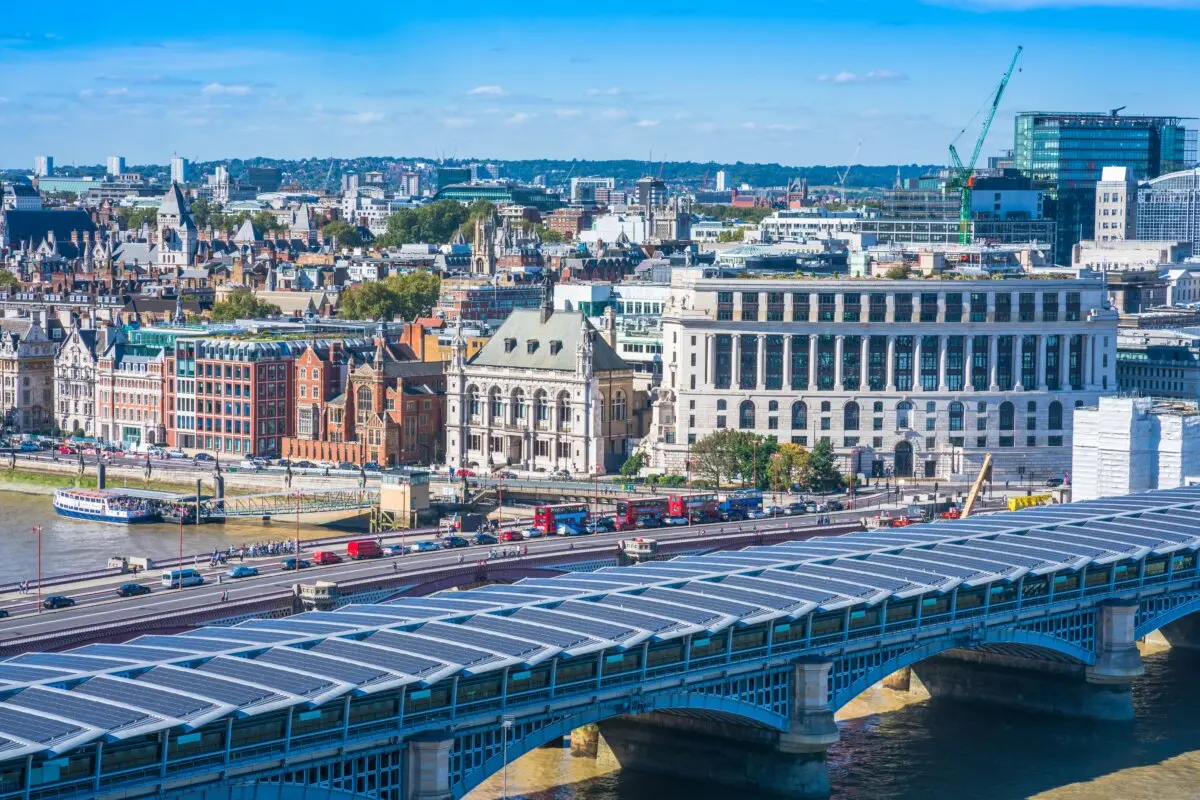
For just over a year, that meat market music was the joyful theme tune of my work morning. But, on a particularly bleak London morning, the city’s clouds weighed down on me, and every step of that short walk to work felt like trudging through tar. Life seemed as dark as that day. Then a stern but gentle inner voice cut through the quagmire of my mind and told me to “Look up!”
As I lifted my gaze from the sidewalk to the sky, I suddenly noticed beauty everywhere. This wasn’t the natural beauty of birds, butterflies, and flowers. This was the manmade beauty of traditional brick, marble, and limestone buildings that softened my mood.
First, my eyes fell upon Unilever House, with its curved façade that dominates the junction of the Victoria Embankment and Blackfriars Bridge like an ocean liner at port. Its imposing Ionic columns stretch from the fourth to the sixth floor, and sculptures of restrained horses adorn entrances at each corner of the neoclassical, Art Deco-style building.

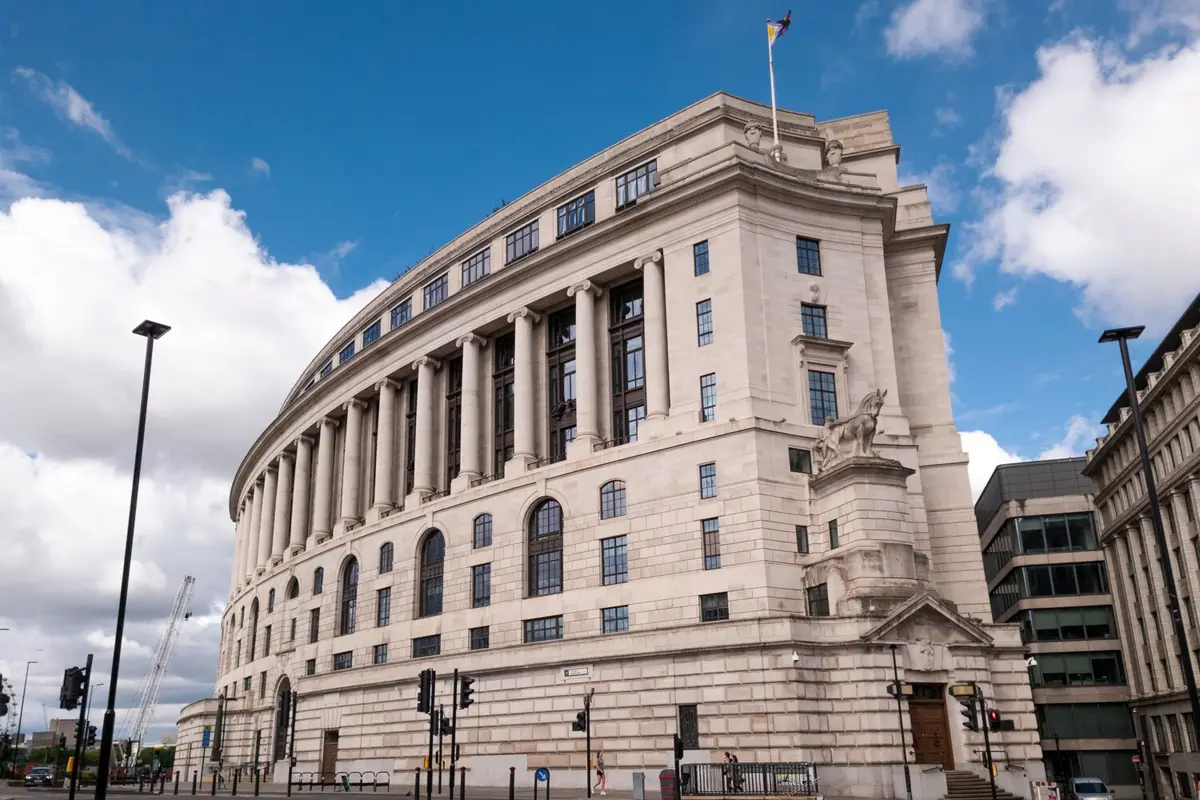
Seeing the beauty of Unilever House piqued my curiosity, transforming my walk into a joyous exploration. Suddenly, I discovered beauty and history everywhere.
Some side streets afforded me quintessential views of London. Glancing right, I spotted the lead-clad dome of St. Paul’s Cathedral, Sir Christopher Wren’s masterpiece. Glancing left, I saw Fleet Street, the former heart of UK journalism and printing, dating back to 1500 when William Caxton’s first movable type printing press was relocated there.
Other side streets announced past times and trades, with names such as “Harp Alley,” “Bride Lane,“ “Tudor Street,” “Pilgrim Street,” “Apothecary Street,” and “Stonecutter Street.”
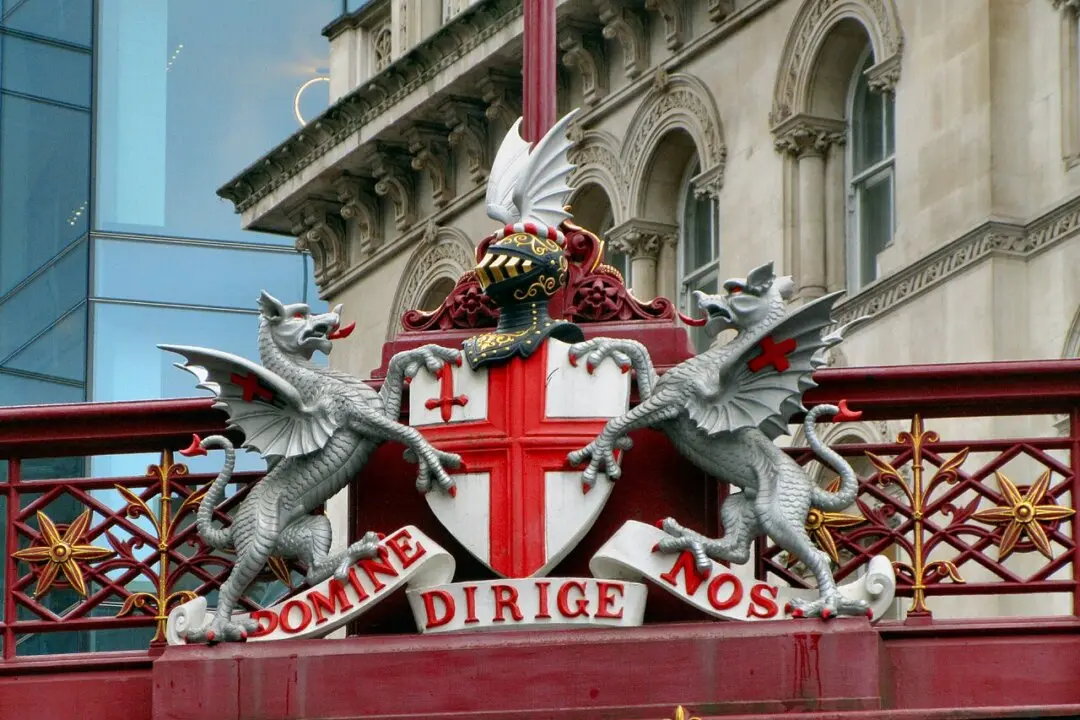
If the past wasn’t clearly spelled out in street names, it was reflected in age-old heraldic crests and in architectural motifs. Passing under the scarlet and gold ironwork of the Holborn Viaduct, I admired two rearing dragons flanking the shield of St. George on the City of London’s coat-of-arms. The Latin motto inscribed on its ribbon, “Domine dirige nos,” means “Lord guide us.”
Turning onto West Smithfield, the familiar sounds of the meat market accompanied me on the final leg of my commute. With all the beauty I’d noticed that morning, somehow the broad ironwork market archways took on a new vibrancy, dispersing the dark clouds of my mind. Where there was darkness, I now found hope for the day ahead.
That short 10-minute walk reminded me to marvel. Somewhere along the line, I had switched off my wonder detector, and the monotony of my daily commute bred contempt. Now, I endeavor to look up and all around me wherever I am, for the restorative power of everyday beauty is everywhere—if we look.