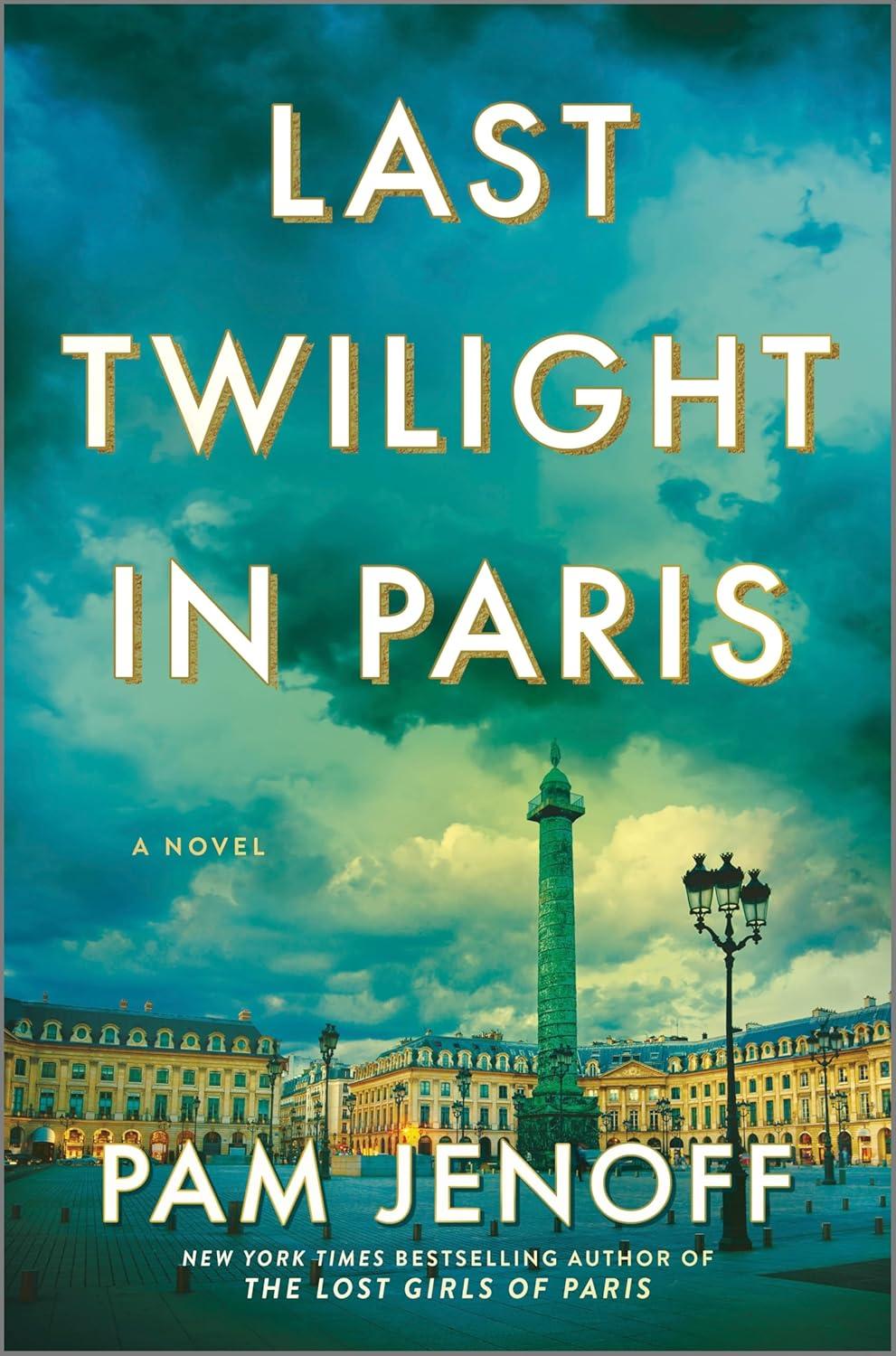
In the last innocent days of Paris in 1938, a young Jewish woman who’s been raised in a sheltered environment is cut off from the world by overprotective parents. In England, in 1953, a former Red Cross volunteer, now a wife and mother, is haunted by a wartime tragedy she never fully understood.
A Serious Résumé
Before she became an author, Pam Jenoff cultivated quite a multifaceted career, spanning international diplomacy, law, and education. She began her public service as a special assistant to the secretary of the Army at the Pentagon before heading over to the State Department as a foreign service officer.During her diplomatic tenure, Jenoff served as a vice consul in Krakow, Poland, where she focused on Polish-Jewish relations and Holocaust restitution issues. From there, she transitioned into the legal field, earning her Juris Doctor from the University of Pennsylvania, then practicing labor and employment law. She eventually taught law at Rutgers University.
The Dawn of War
In “Last Twilight in Paris,” Jenoff introduces Helaine, an 18-year-old Parisian who’s been confined to her family’s opulent townhouse since a childhood bout of influenza left her heart weakened.Though she has mostly recovered, Helaine tires very easily and might be highly susceptible to infectious diseases. As a result, she’s been effectively imprisoned by her parents, who are too afraid for her safety to let her go outside or interact with others.
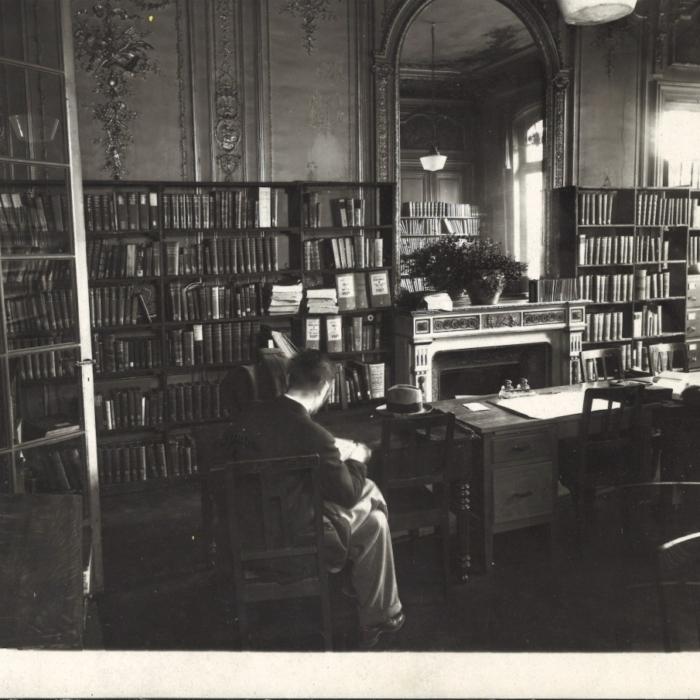
Helaine yearns for freedom. Her rebellious teenage impulses finally get the best of her, and she sneaks outside to walk the city on her own for the first time. She happens to meet a musician named Gabriel, who is practicing his cello.

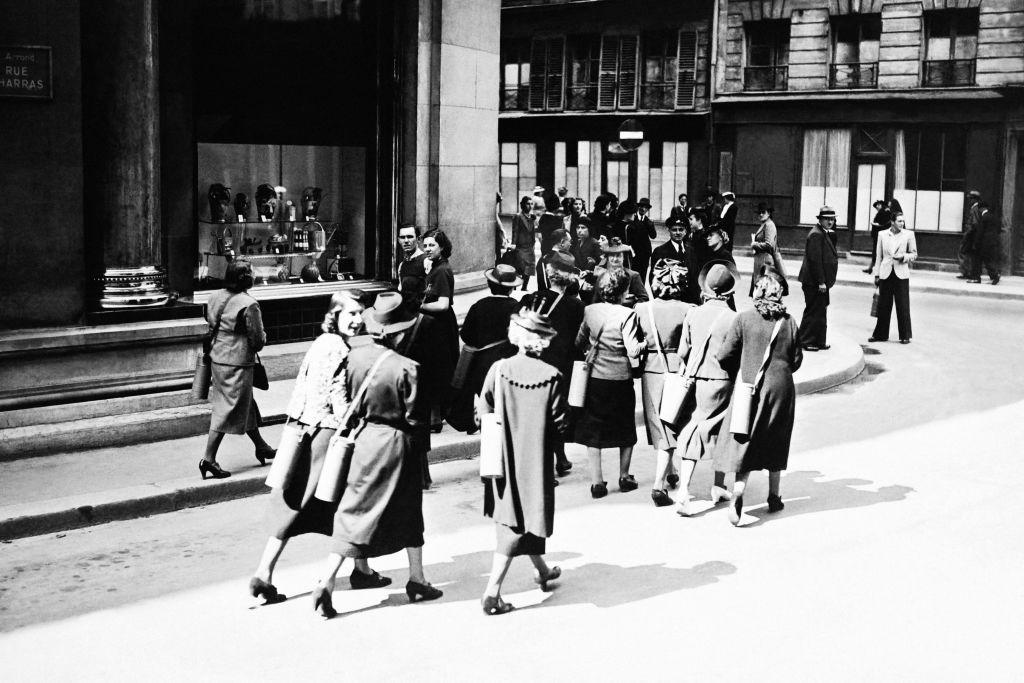
Naturally, since this is Paris in 1938, they fall in love.
Across the English Channel many years later, a woman named Louise is dealing with the stifling quiet of postwar, small-town life. Her husband, Joe, battles unspoken trauma from his military service. Their marriage, like many of the era, is built on stoicism rather than communication.
One day, Louise finds a half-heart locket in a thrift shop crate. Amazed, she’s certain it’s the same charm she saw during her Red Cross service. She recalls that it was passed from a POW to her friend Franny, a glamorous singer who died under suspicious circumstances. Louise was always troubled by the circumstances of Franny’s death, unwilling to accept the ruling that it was merely an accident.
Darkness and Light
Because Jenoff began her career in such a serious and academic manner, the tone and style of her writing might strike newcomers as a bit surprising. One might expect an austere, documentary-style treatment. However, under that exterior of professionalism, it seems, beats the heart of a die-hard romantic.Jenoff renders “Last Twilight in Paris” with a soft-focus lens. She transforms the grim realities of occupation and displacement into a backdrop for a story that’s more melodrama than thriller.
The novel’s voice is decidedly feminine, and the plot occasionally takes its own sweet time to get to the next crisis. But it’s exactly the sort of pacing and emotional catharsis that appeals to many readers.
Mind you, the book doesn’t dismiss or ignore the horrors of the Holocaust or the brutality of war. Instead, it frames them through quiet, intimate, personal moments and thoughts, exploring themes of longing, loyalty, and the ache of separation.
“Last Twilight in Paris” favors warmth over grit and hope over despair. The novel occasionally flirts with soap opera tropes, such as secret messages in lockets, last-minute reunions, and traitorous officials. Nevertheless, they effectively serve a larger purpose, making this period feel immediate and personal without becoming overwhelming. You might call the style “escapist romanticism.”
It’s quite effective. In an era saturated with graphic messaging of historical trauma, Jenoff’s gentler touch still allows the harsh realities of WWII to resonate without numbing the reader. The atrocities are present: the yellow stars, the deportations, the betrayal by French collaborators. However, they unfold through the eyes of characters who are fighting not just to survive but also to love, create, and remember.
“Last Twilight in Paris” may wear its heart on its sleeve, but that heart beats with sincerity. It bypasses spectacle and garish jolts to treat the past with intimate, enduring acts of remembrance and reconciliation.
In a literary landscape often torn between unflinching realism and pure fantasy, Jenoff carves out a third path: history told with empathy and enough light to guide us through the twilight and into the dawn.