Creative Endeavors
Keppler attended the Academy of Fine Arts in Vienna as well as the Elementary Drawing and Modeling School, where he learned to art skills. His first illustrations were published in the relatively well-known Austrian humor magazine Kikeriki. He attempted to earn a living as a painter, but without his father, the family’s finances were meager. He was forced to pursue more profitable avenues.Moving to America
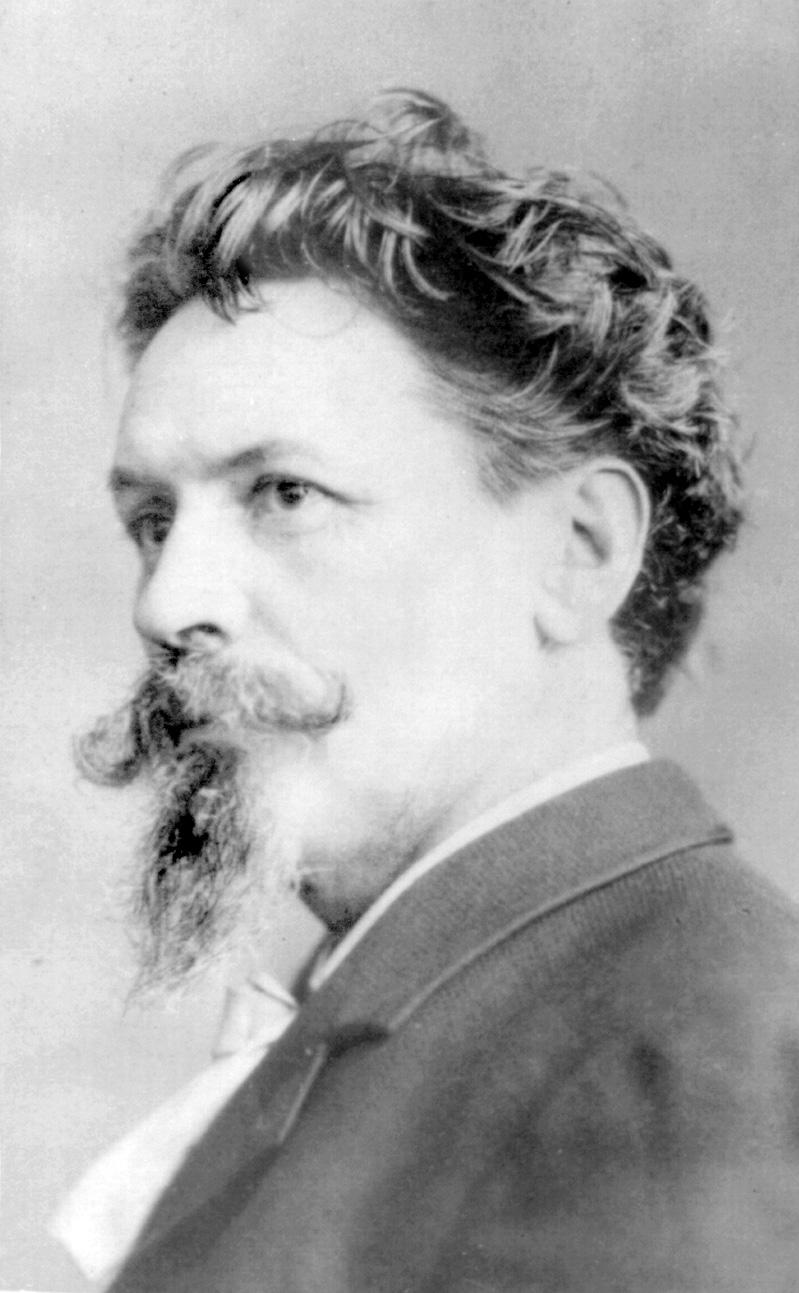
Keppler moved close to his father in Missouri. His father had opened up a general store, but Keppler began his American career as an actor. He maintained his affinity for painting and illustrations and launched his own weekly German-language humor magazine in St. Louis called Die Vehme. His first issue was published via lithograph on Aug. 28, 1869. A year later the magazine was bankrupt. He tried again with Frank und Frei, which performed even worse, only lasting about six months.
He attempted a third German humor magazine with business partner Adolph Schwarzmann in March 1871 called Puck, named after Shakespeare’s mischievous sprite in “A Midsummer Night’s Dream.” It performed better than the previous two, lasting until he moved to New York in the fall of 1872.
Puck for New York
With his success as an artist, Keppler believed himself in a good position to start again on his own. He decided to revive Puck for the German-speaking New Yorkers. Leaving Frank Leslie’s, he launched Puck with its first issue—a 12-page magazine—coming out on Sept. 27, 1876. About six months later, he launched an English version of the magazine with Schwarzmann on March 14 with the Shakespearean quote “What fools these mortals be!” as its slogan. The German edition lasted until the end of the 1880s, but the English version continued until 1918.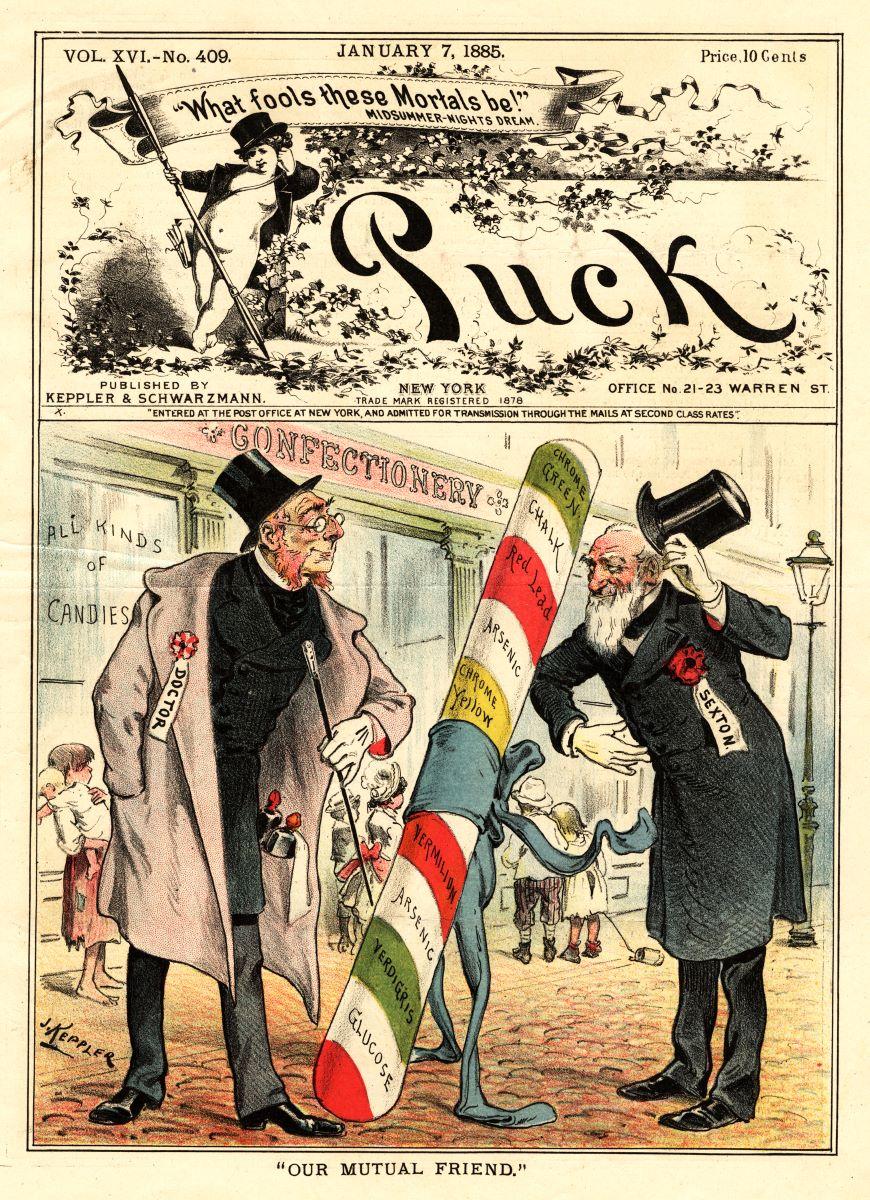
Keppler’s Puck focused primarily on politics, as well as the social ills of the day. The illustrator was not only talented artistically but also satirically. His gift for comedic angles along with incredibly detailed and beautifully drawn cartoons quickly garnered readers throughout New York City, making it a primary competitor with Frank Leslie’s and Harper’s Weekly, and one of the nation’s largest subscription magazines.

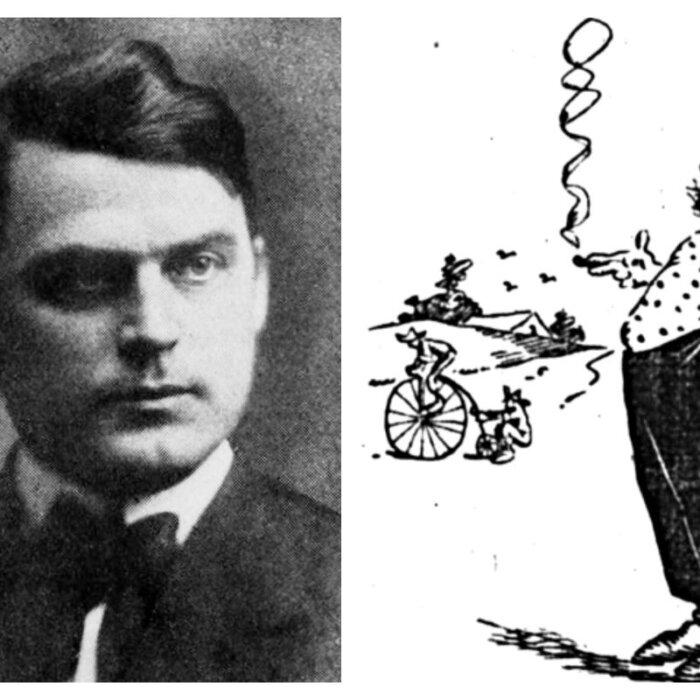
Many of his initial cartoons attacked the corruption within the administration of Ulysses S. Grant. The highly controversial 1876 election also gave his magazine plenty of material to work with. Puck magazine was a pro-Democrat and anti-big business publication, though this didn’t stop the publication from highlighting issues within the Democrat Party or targeting socialists and worker strikes.
Political Influence
Puck magazine had gained such notoriety and a large readership that, according to the U.S. Senate, “its pro-Cleveland cartoons in 1884 may well have contributed to the Democratic candidate’s narrow victory in the presidential election.”On Jan. 23, 1890, Keppler published one of his, if not his most, iconic cartoons with “The Bosses of the Senate.” The cartoon was of the Senate chambers with tiny senators sitting in their assigned places. Above and behind them were men, their bodies made of bags of money, who loomed large over the senators. On their moneybag bellies were written their names: Sugar Trust, Standard Oil Trust, Copper Trust, Nail Trust, Steel Beam Trust, and so on. At the top left of the cartoon was the People’s Entrance with the door bolted shut and a “Closed” sign over it.
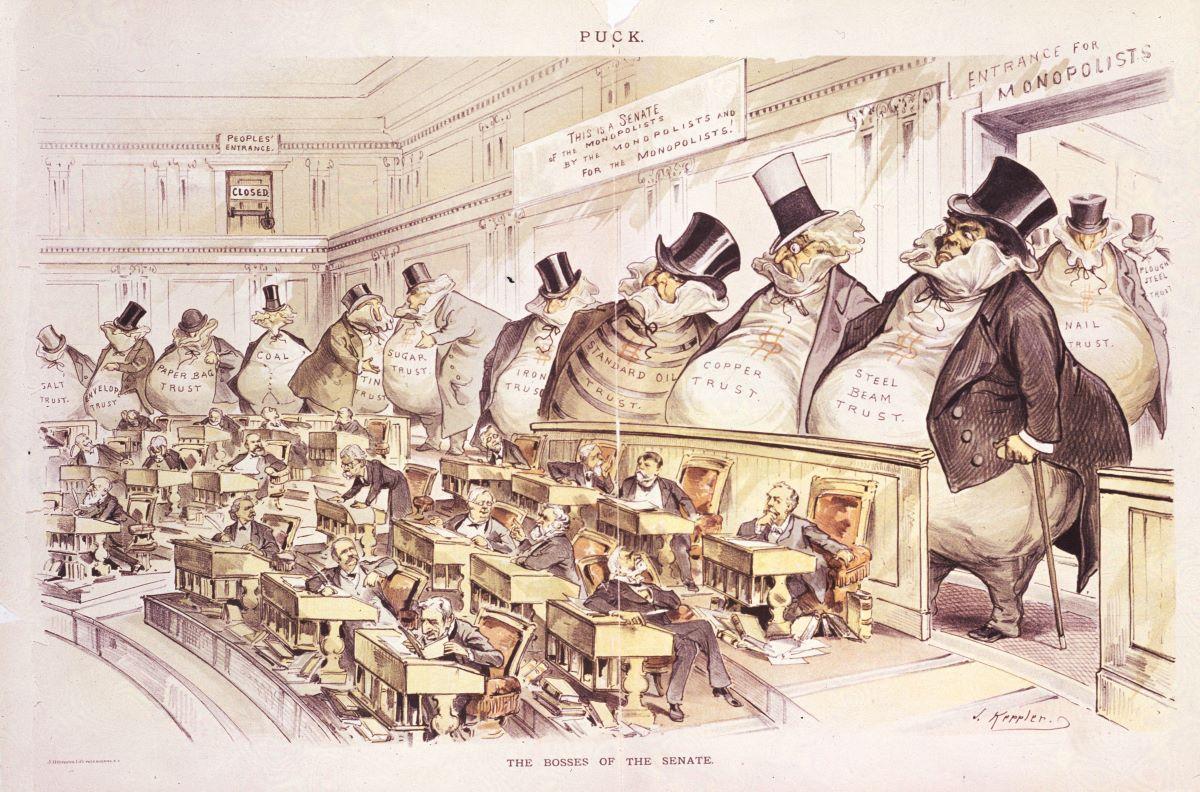
Some of Puck’s cartoons were anti-Catholic, critical of the women’s suffrage movement, and were at times racially charged, especially during the era of the Chinese Exclusion Act. Primarily, though, under Keppler’s leadership, the magazine focused on taxes, wealth disparity, business versus worker, and political corruption.
The Final Effort
When Chicago hosted the 1893 World’s Columbian Exposition, Keppler and Schwarzmann were chosen to create a weekly edition of Puck for the world’s fair. While the Puck magazine continued in New York City, Keppler and Schwarzmann established a printing office at the elaborately designed pavilion where they demonstrated their chromolithography printing method. The Puck Building, located between the Horticultural Building and the Women’s Building, was designed by the esteemed architectural design firm, McKim, Mead & White.The 26 issues published during the World’s Fair proved so demanding that it ultimately took an immense toll on Keppler’s health from which he never recovered. Keppler died the following year. His magazine, however, continued, and was later placed under the artistic management of his son Udo, who changed his name to Joseph in honor of his father.
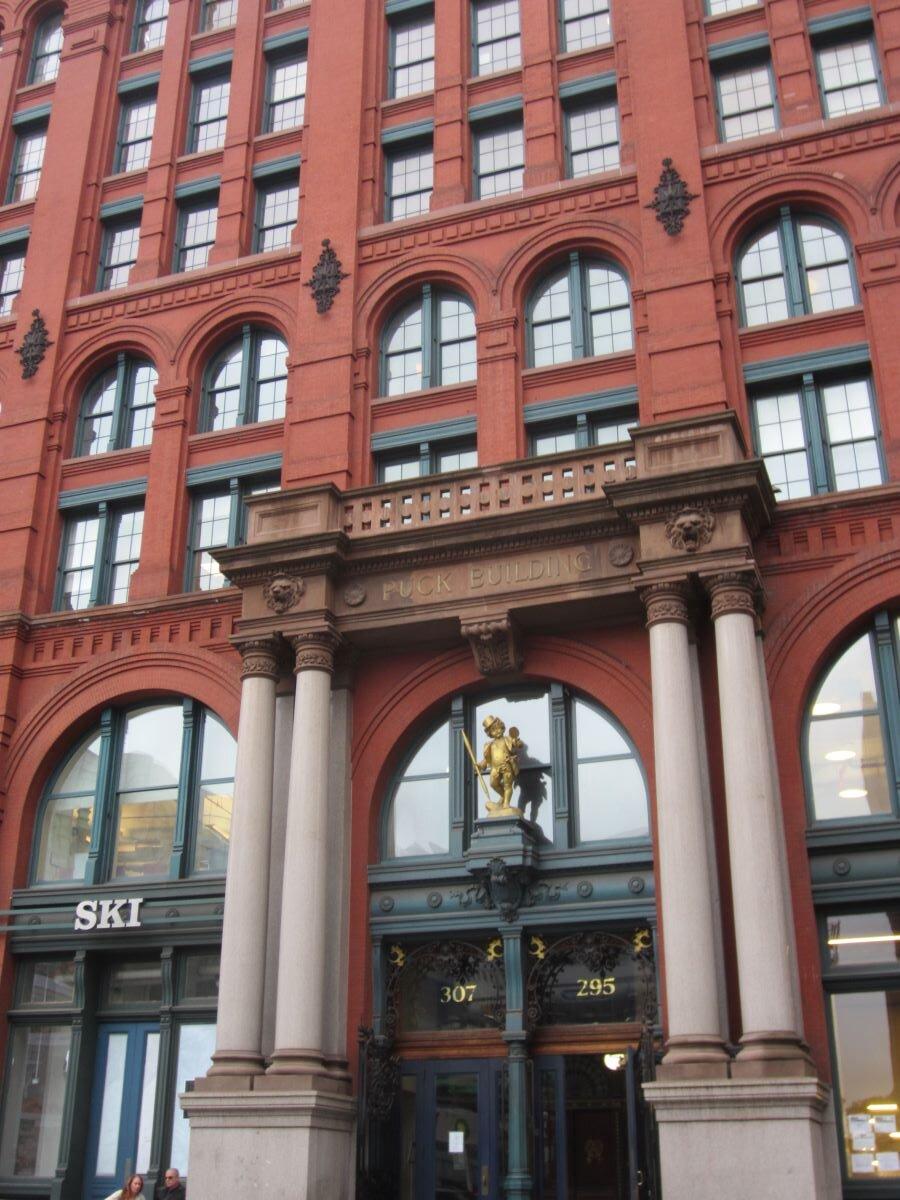
More than a century later, the Puck Building in Manhattan, where the magazine was published, still stands with a golden version of the magazine’s mascot, Puck, with his top hat, hand mirror, fountain pen, and a book with the motto inscription for the magazine—a lasting memorial to the Austrian immigrant who transformed the American political cartoon.