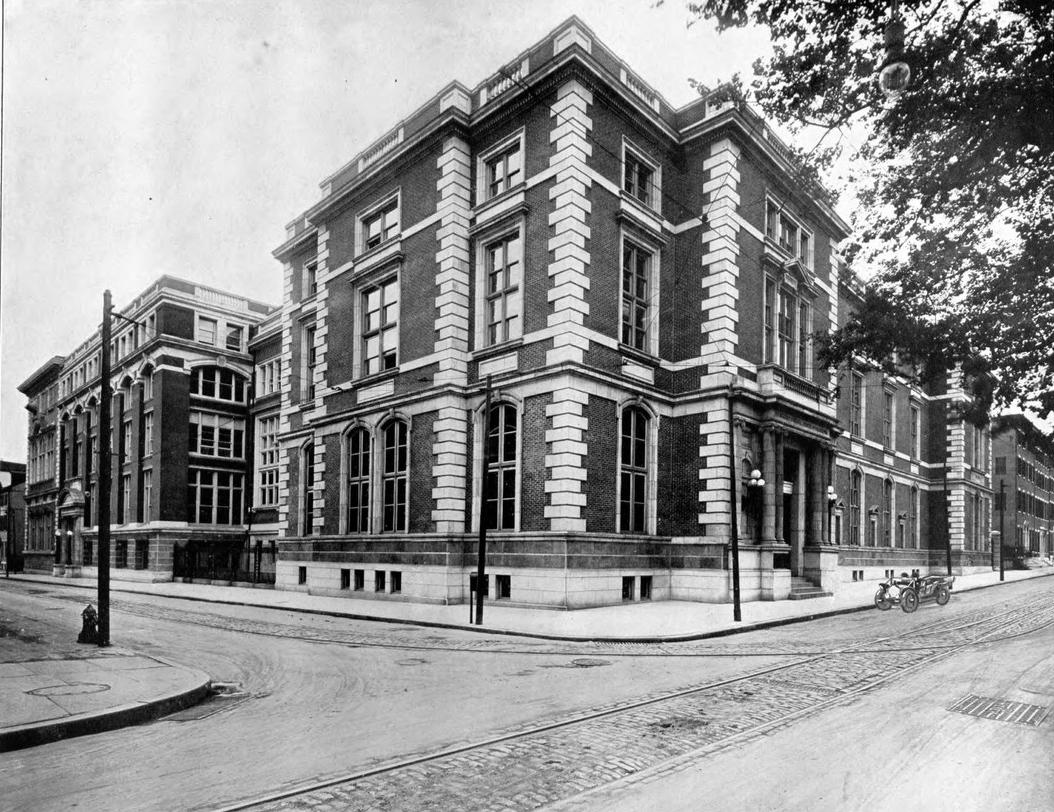
On March 21, 1812, the Academy of Natural Sciences of Philadelphia (ANSP) was founded “for the encouragement and cultivation of the sciences, and the advancement of useful learning.” A year and a half later, one of the Academy’s most important contributors would be born.
John Cassin (1813–1869) was born in Delaware County, Pennsylvania, just outside of Philadelphia. His talent for drawing and his insatiable interest in nature would lead him to one of the most prolific careers in American ornithology. By his late teens, he was drawing exquisitely detailed works of plant life, which soon transitioned to birds. By the age of 20, he and several friends founded the Delaware County Institute of Science to create a space to discuss scientific matters. The Institute still exists.
Shortly after founding the Institute, Cassin moved to Philadelphia. He began his career there as a merchant, but eventually moved into illustrating. Bowen Lithographic, which was founded in 1838, proved a perfect fit for Cassin, as among its many illustrations, it also specialized in scientific drawings.
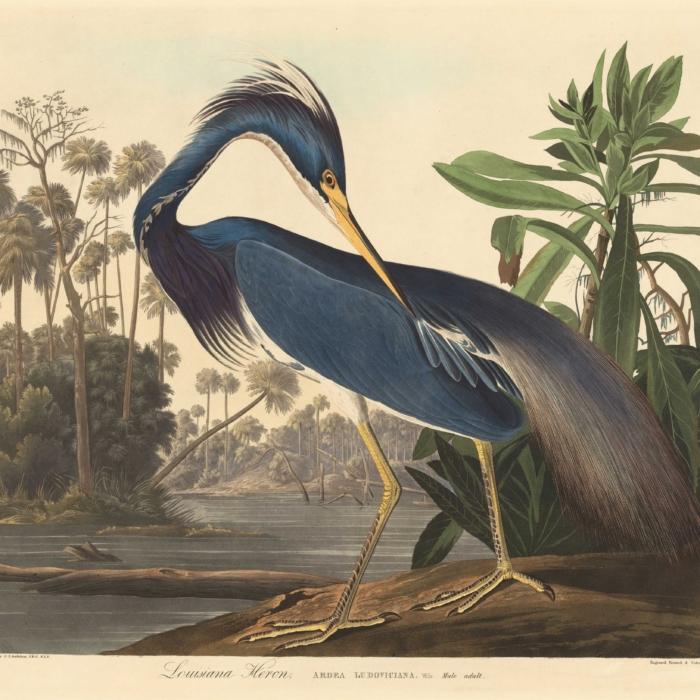
Cassin enjoyed a long career with Bowen, and the company became known, in ornithological circles, for its plate work publishing, including John James Audubon’s “The Quadrupeds of North America” and “Birds of America.” Bowen Lithographic soon became the preeminent publisher of natural history works in the United States.
Joining the Academy
Just after his 29th birthday, Cassin became a member of the ANSP, and by the end of 1842, he was elected to be the honorary curator of the Academy. The position was “honorary” because it could not pay. The absence of payment, however, hardly mattered to Cassin, who remained in the position until his death.Cassin found his time completely dedicated to ornithology at Bowen and at the Academy. The two positions certainly benefitted each other. His constant study of birds at the Academy and his connection with Bowen Lithographic eventually resulted in publication of some of his own works.
A Dedicated Life
A few months after becoming the curator of the Academy, Cassin noted:“It is hard work, this studying foreign birds—short, technical descriptions, half the time in bad Latin, or at least written by one who could not find Latin for half the colors; and then again nearly all [the Academy’s] books are old, when the writers scarcely took into consideration the possibility of other species being discovered similar to the one they so pithily characterize.”
“But I intend to go on as far as I can, and would rather not stop until I know all the birds in the Academy. It will be a work of years, however, solitary and alone as I labor, under disadvantages too—want of leisure and perplexities of business. It would do very well was there no arrangement to be made for insuring the supply of bread and butter—a negotiation which doth most marvellously encroach upon one’s time and intentions.”
Naming the Birds
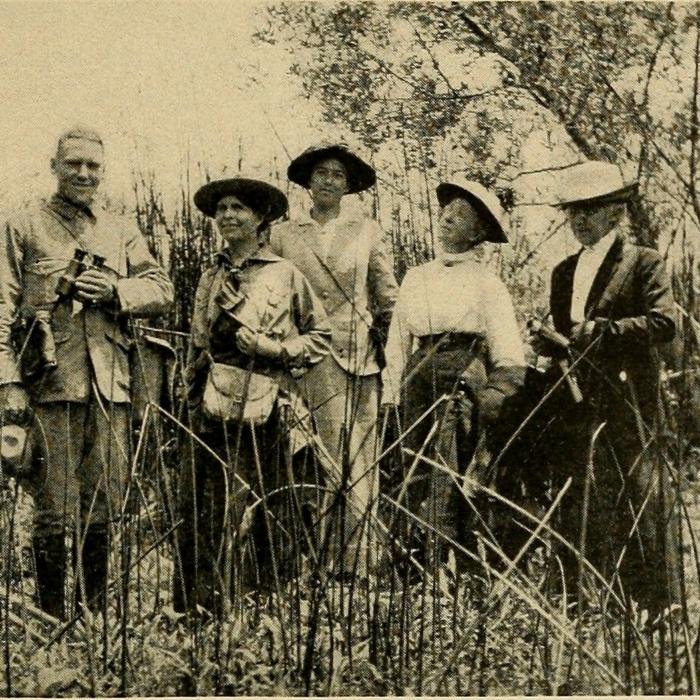
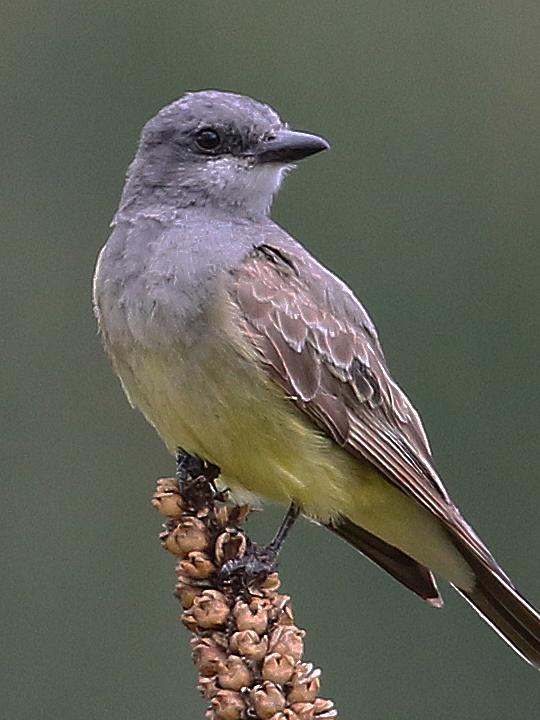
By 1856, the Academy had approximately 29,000 species of birds, of which Cassin handled many, if not all. In fact, by the end of Cassin’s life, he had identified nearly 200 new species of birds. Under his guidance, the ANSP’s ornithological collection became one of the world’s most important and exhaustive.Cassin’s prestige and breadth of knowledge was pervasive in scientific circles, which led to five American birds being named after him: a finch, a kingbird, an auklet, a vireo, and a sparrow. Only Alexander Wilson, known as the Father of American Ornithology, has as many American birds named after him. Cassin also named several birds after his colleagues, like Ross’s Goose, named after Irish maritime trader Bernard Rogan Ross, and the Icterus grace-annae, named after Graceanna Lewis, a naturalist whom he mentored and who would go on to become one of the first women to become a member of the ANSP.
The Final Payment
Cassin’s firm dedication to the study of birds, however, would be his undoing. His health began to fail due to his constant exposure to the chemicals used in taxidermy, specifically arsenic. The American ornithologist was apparently well aware of the dangers, stating that he was “mortgaging [himself] by perpetual lease to Arsenic and Liver complaint.”Nonetheless, as his biographer Witmir Stone wrote, “During the last years of his active work he is described as occupying the back room of the library in the old Academy building … where mounted birds and ornithological books were gathered together in large numbers, and where they remained accumulating dust until his work upon them was completed, guarded meanwhile by an unwritten though well understood law of ‘hands off.’”
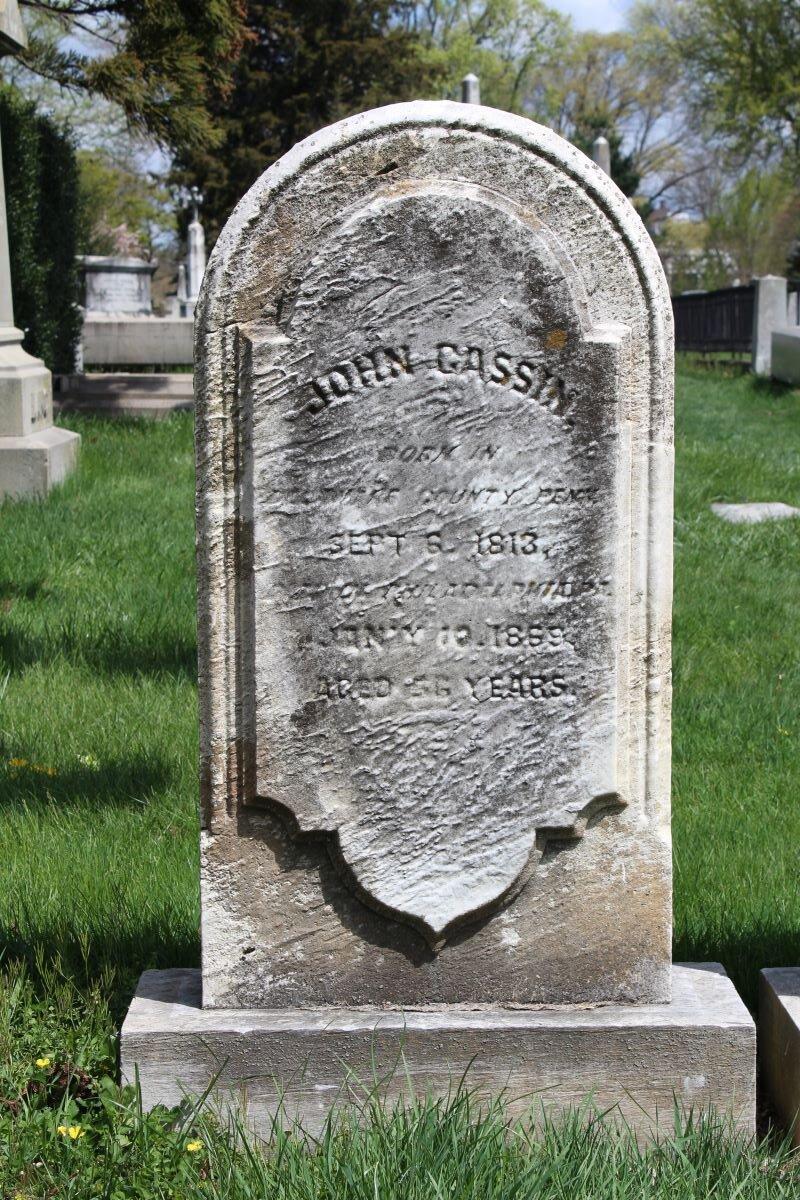
Cassin’s work came to completion on Jan. 10, 1869, when he finally succumbed to that “perpetual lease” he required of himself.