On the night of Dec. 16, 1773, the 19-year-old Scottish immigrant donned his best Native American disguise. The Boston Tea Party was about to begin.
James Swan (1754–1830) was born in Fifeshire, Scotland, and moved to Massachusetts as a child. Certainly, he didn’t arrive with revolutionary intentions, but the winds of revolution were blowing shortly after he arrived. During his early adolescent years, the colonists were protesting British Parliament’s taxation acts. As an apprentice, he worked in the heart of downtown Boston near Faneuil Hall, where many of the colonial debates took place.
In 1765, the Sons of Liberty was formed, and as the protests continued, the group grew accordingly. Swan, working in proximity of the unrest, joined the Sons of Liberty, penned an abolitionist pamphlet at the age of 17, and was part of the turning point in the lead-up to the War for Independence with the Boston Tea Party.
From Battlefield to Land Speculation
Swan’s courage in battle was only superseded by his intelligence in finance. When he married the wealthy Boston heiress, Hepzibah Clarke, it allowed him to make more impactful financial decisions for the revolutionary cause. He personally paid for many of the costs accumulated by the New England troops.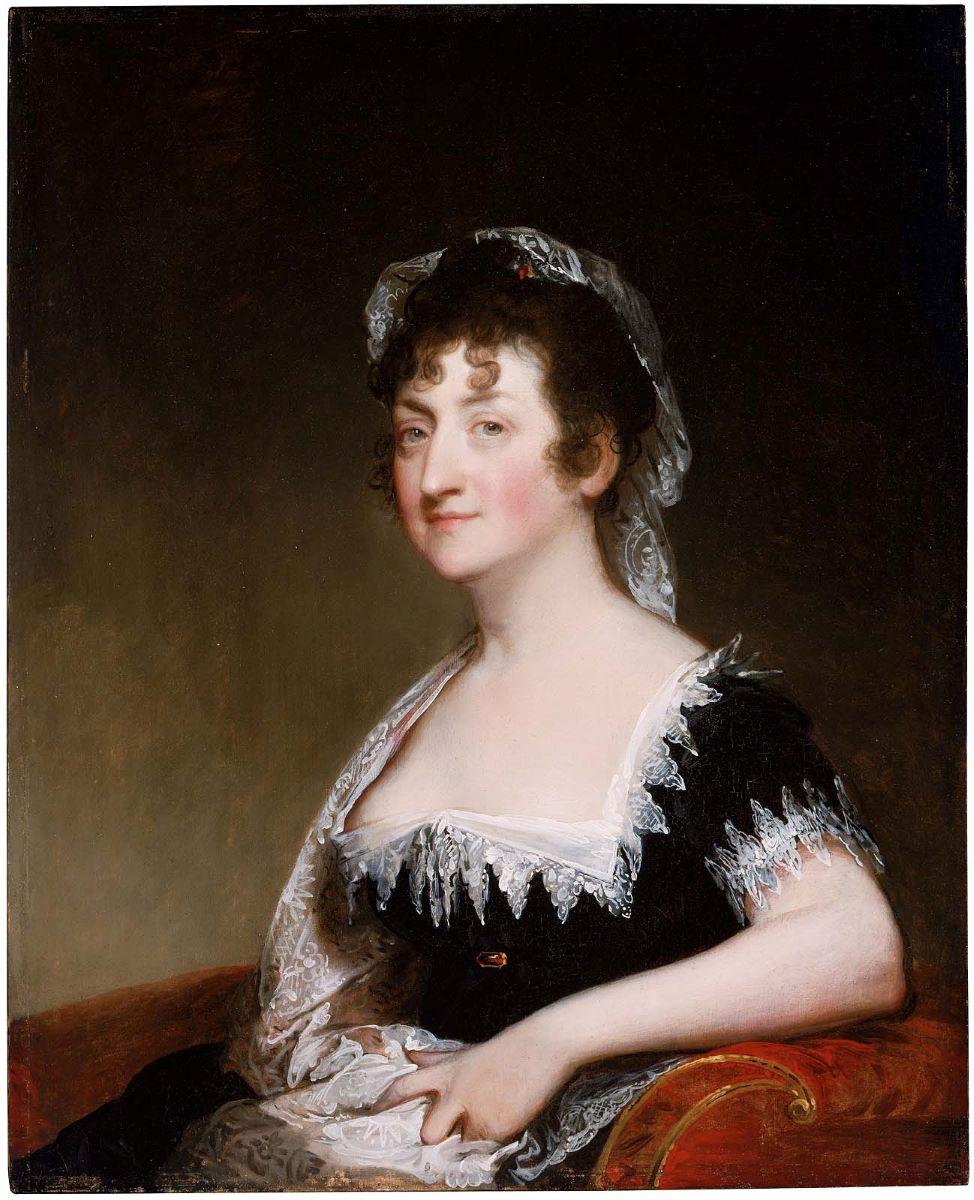
When the war ended, Swan began expansive land speculations. He purchased real estate as far west as Kentucky, as far north as Maine, as well as in areas of Boston. The end of the war resulted in Loyalists fleeing for Britain. Swan took a large role in purchasing real estate that had been confiscated from Loyalists. Before he had reached the age of 30, he had accumulated approximately 2.5 million acres of real estate.
Helping Another Revolution
While the Constitution was still in the ratifying process, Swan moved to France in January 1788 in an effort to improve his financial situation. It proved a timely move. He had already formed solid business relationships with numerous Frenchmen during the American Revolution, including the Marquis de Lafayette. After some prompting from Lafayette, Swan even wrote a piece promoting Franco-American trade.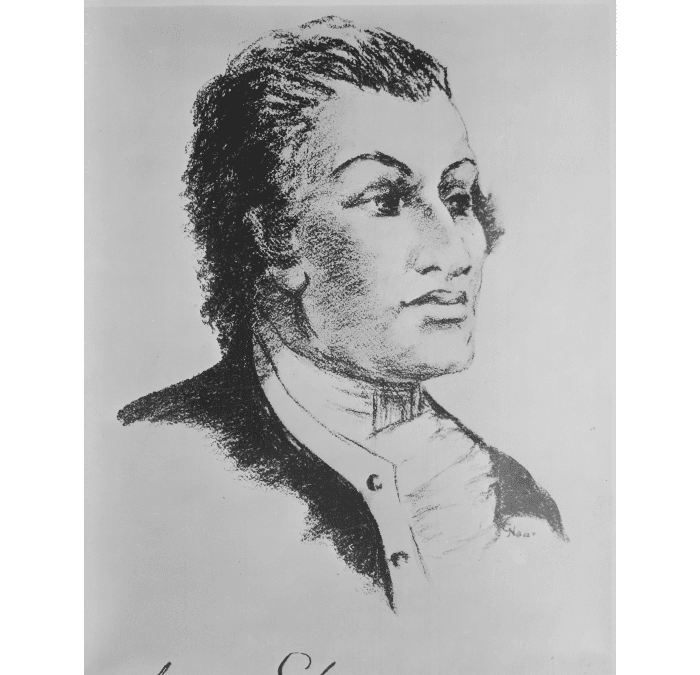
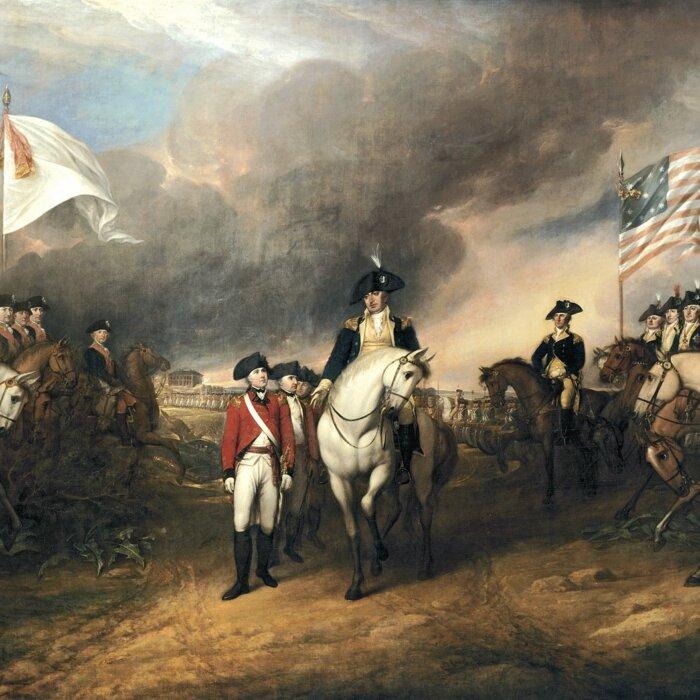
Shortly the U.S. Constitution was instituted, France found itself embroiled in its own revolution. This revolution similarly ruffled the British, along with several other surrounding nations. The French, enduring a naval blockade by the British, were in dire need of food, supplies, and money.
The Franco-American Go-Between
When it came to paying for the goods, the French could hardly rely on their faltering credit, and they feared exporting specie. Swan suggested that they could trade, since the republicans despised all things belonging to the aristocracy and monarchy, confiscated luxury items, like furniture. Although James Monroe, the American minister to France, disapproved of these methods, it was not enough to discourage Swan.Between 1794 and 1796, Swan’s firm became one of the official purchasing agents between America and France. It created a financial windfall. This was clear when Hamilton agreed to restructure the debt situation with France by selling shares at a higher interest rate. When investors proved skittish, Swan swooped in and purchased all of the shares, eliminating the more than $2 million debt America owed the French. He then turned around and resold the shares for a profit. This brilliant maneuver mutually benefited three different parties: the Americans, the French, and himself.
A Strange Way to Die
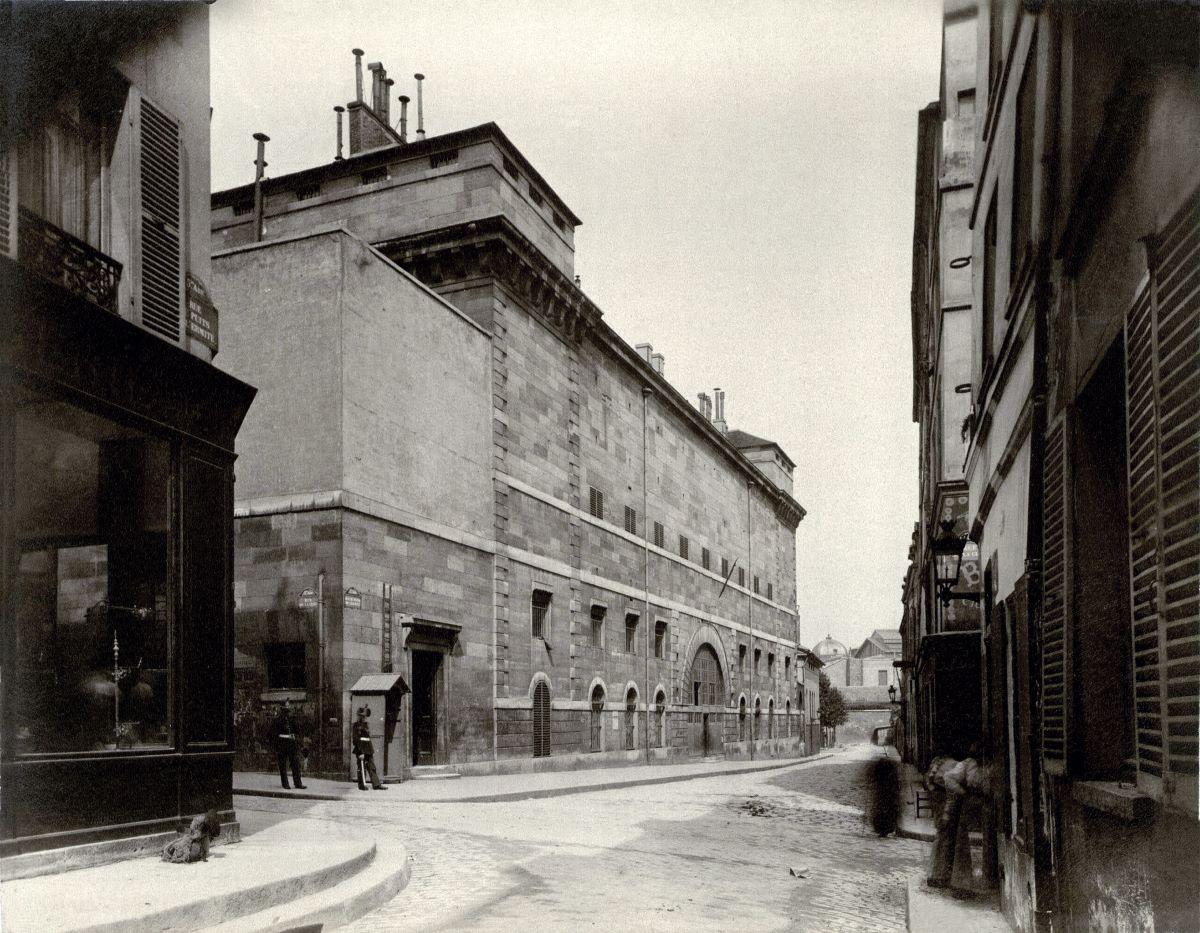
In an ironic twist, Swan was accused of not paying a debt. He was sent to a Parisian debtors’ prison where he would remain for the next 22 years. It appears he chose to remain in prison rather than pay the debt. The Swans not only held political sway, but they were abundantly wealthy. When Hepzibah suggested paying the debt, he was adamant that it not be paid on principle, claiming he did not owe such a debt.
Hepzibah sent money anyway, but it was not to release him from prison. Rather the money was used to make his time in prison more comfortable. Rumors suggest he held luxurious parties and hosted prominent guests during this 22-year span. For a man who loved the idea of liberty—having played such a significant role in two revolutions, he apparently had no qualms remaining a prisoner.