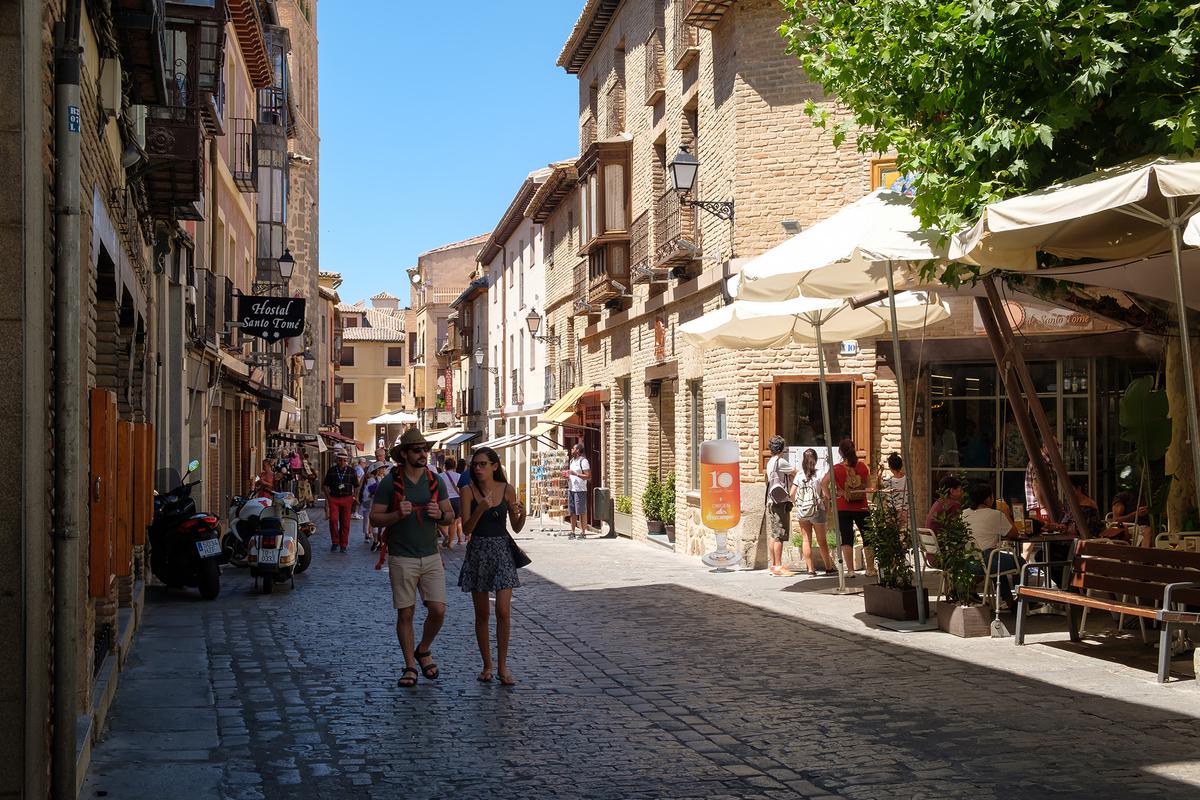
Just 45 minutes outside Madrid is the popular village of Toledo, Spain, a medieval town where history and literature merge within a labyrinth of cobblestone streets. Toledo has been known throughout history for its high-quality sword-making and striking architecture.
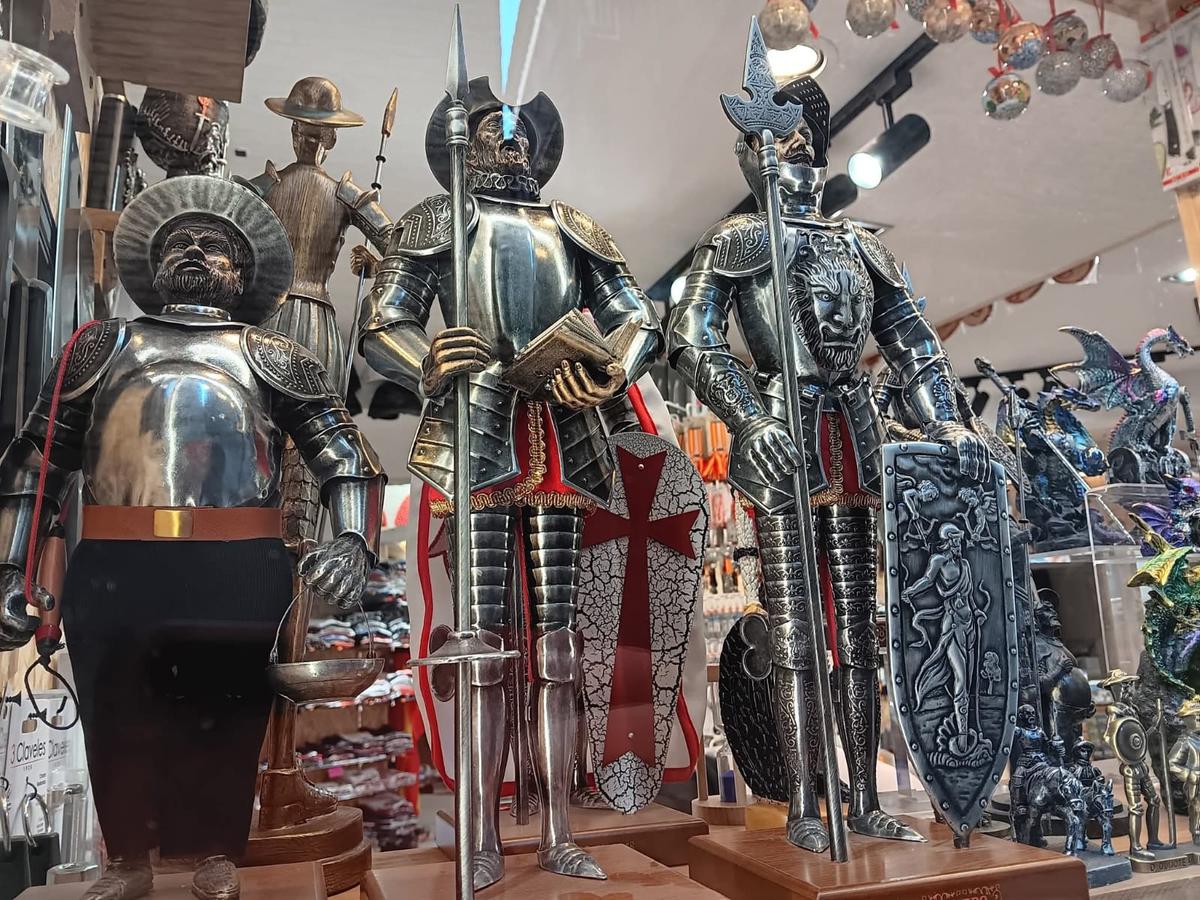
Shop windows hold impressive displays of swords alongside life-sized replica suits of armor fashioned to look like those Quixote would have worn. Statues of Quixote and Panza hold signs outside businesses frequented by tourists.
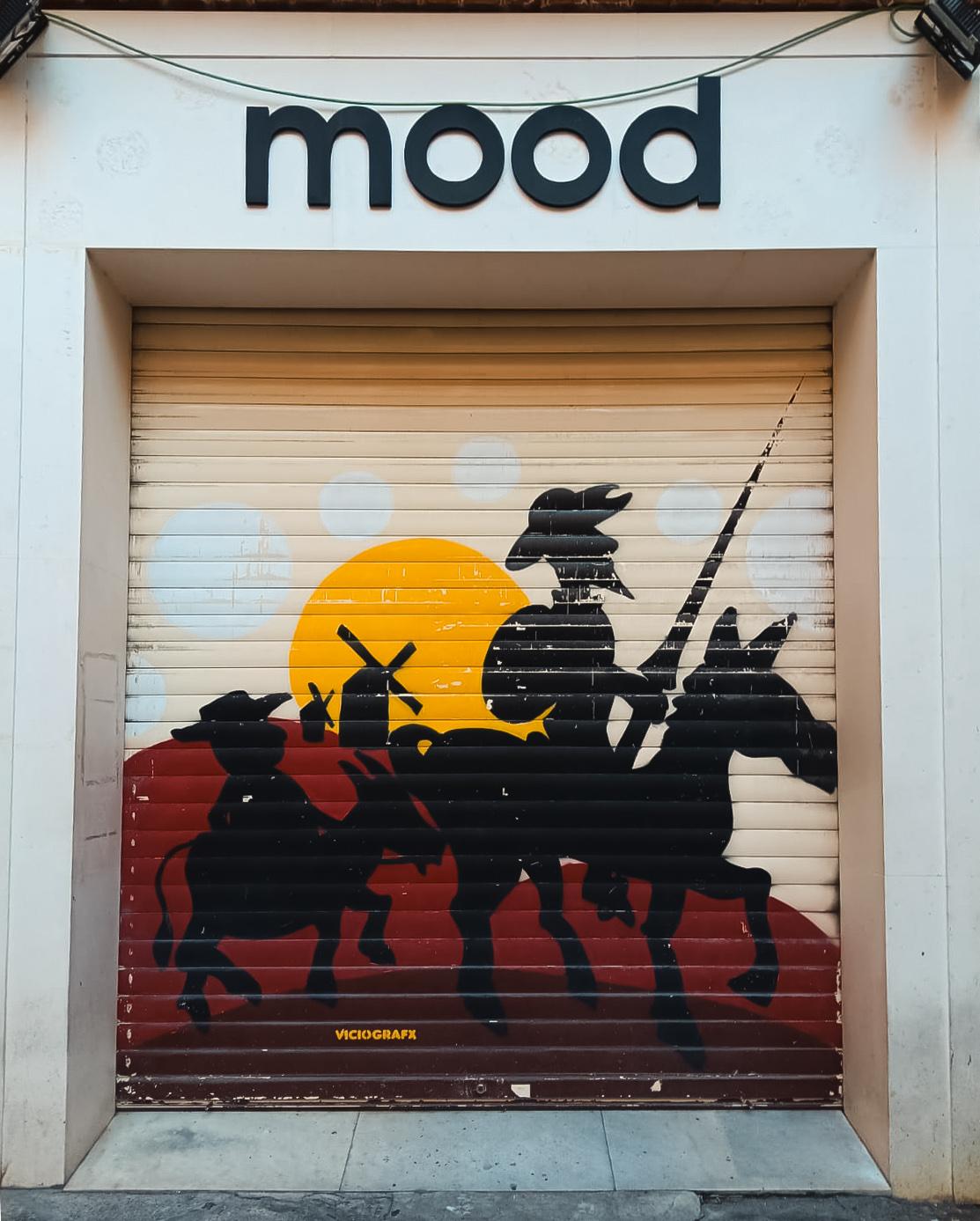
Visitors can even spot the famous pair in street art.
The city also plays a role in the legend of Quixote’s travels across the Castile-La Mancha region.
“Don Quixote is everywhere here,“ walking tour guide Alejandro Lopez told The Epoch Times. ”He’s as much a part of this city as its real history.”
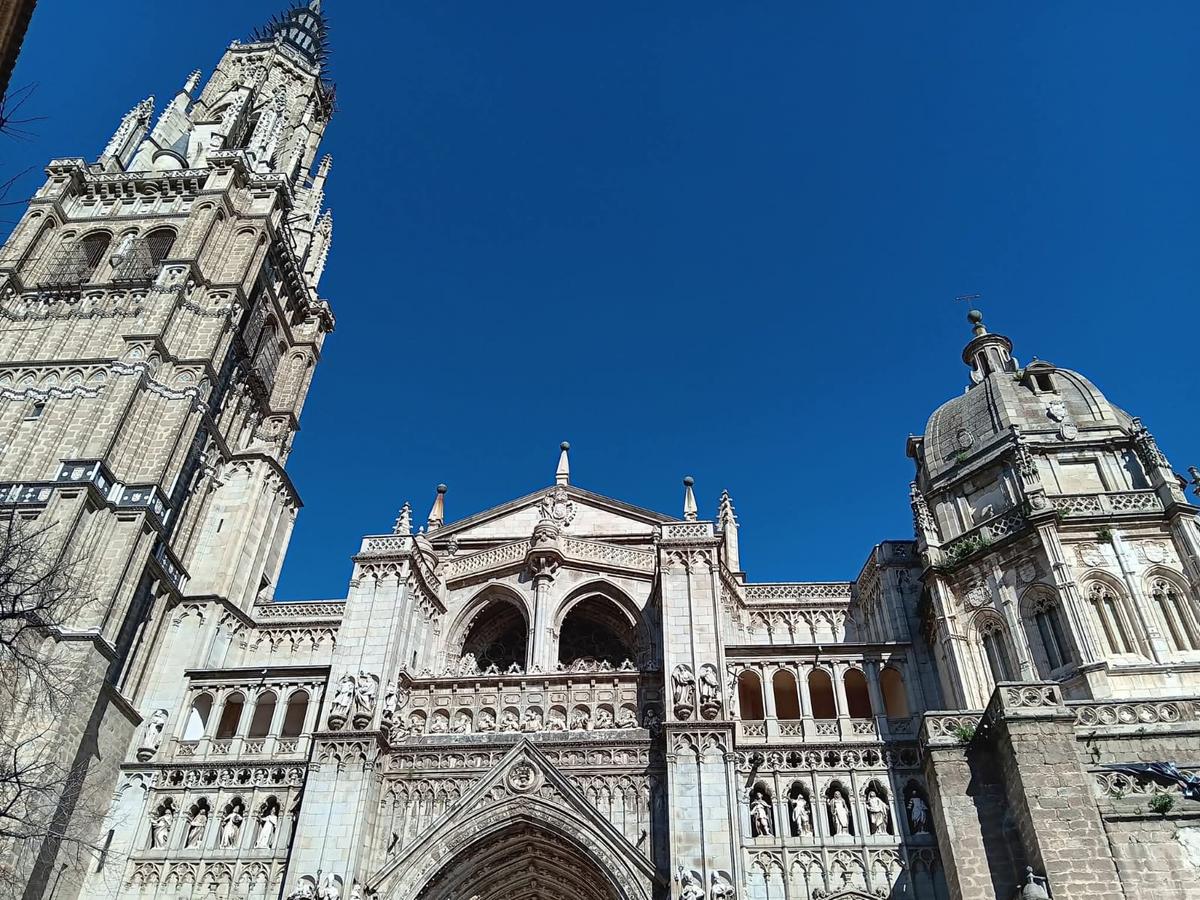
Outside the iconic Gothic Catedral Primada in the historic center, Lopez explained how the city’s history as a peaceful melting pot of Christianity, Islam, and Judaism helped shape the cultural legacy of Toledo.
Historic Influences
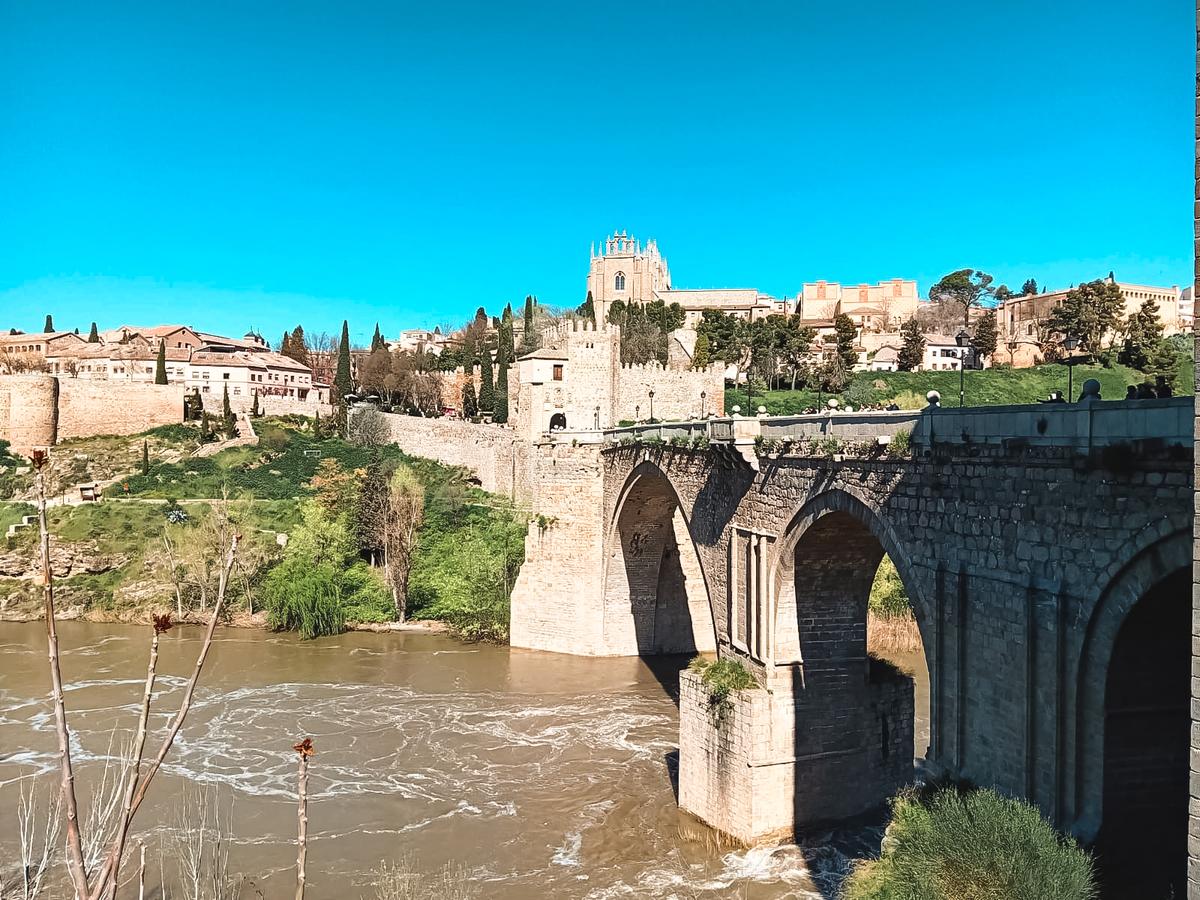
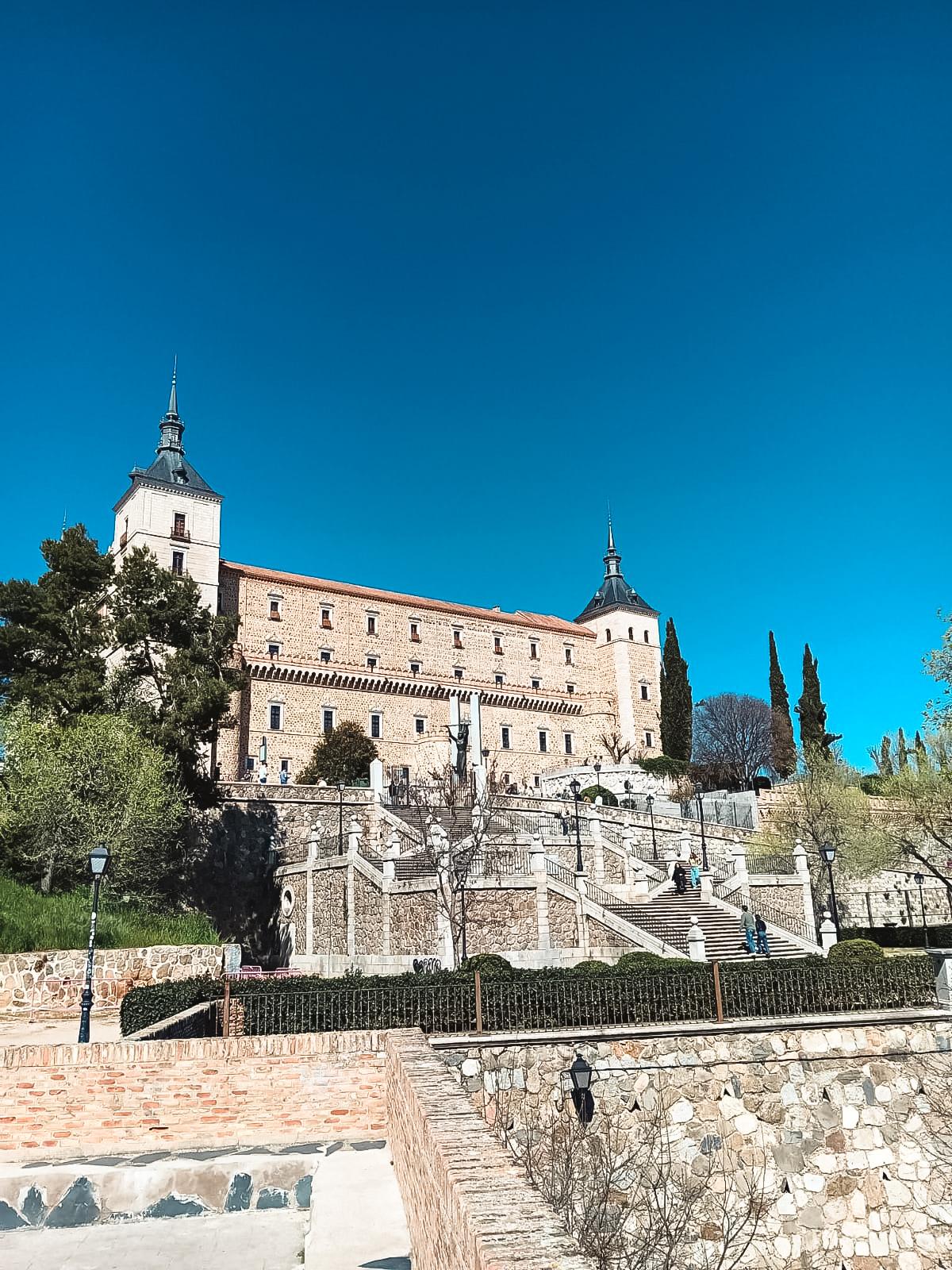
During the Moorish occupation of the Iberian Peninsula, the three Abrahamic religions coexisted in harmony between the 11th and 15th centuries. It was a period known as La Convivencia, which means “coexistence” in Spanish. This unique cultural period gave rise to Toledo’s popular modern-day moniker: the City of Three Cultures. The remains of this blend are visible throughout the historic center in buildings that reflect architectural designs such as arabesque, 13th-century Gothic, and a popular hybrid style used by all three religions known as Mudéjar.Within this rich cultural tapestry, visitors can walk in Quixote’s shadow and get a feel for how the city would have looked during the time of Cervantes.
By the time Cervantes arrived in Toledo in the late 1500s, the centuries-long multicultural period of peace had ended. Nevertheless, he would have been surrounded by the remains of all three heritages.
Lopez believes that the author’s own experiences, especially in Toledo, may have influenced the creation of Quixote.
Modern-Day Musts
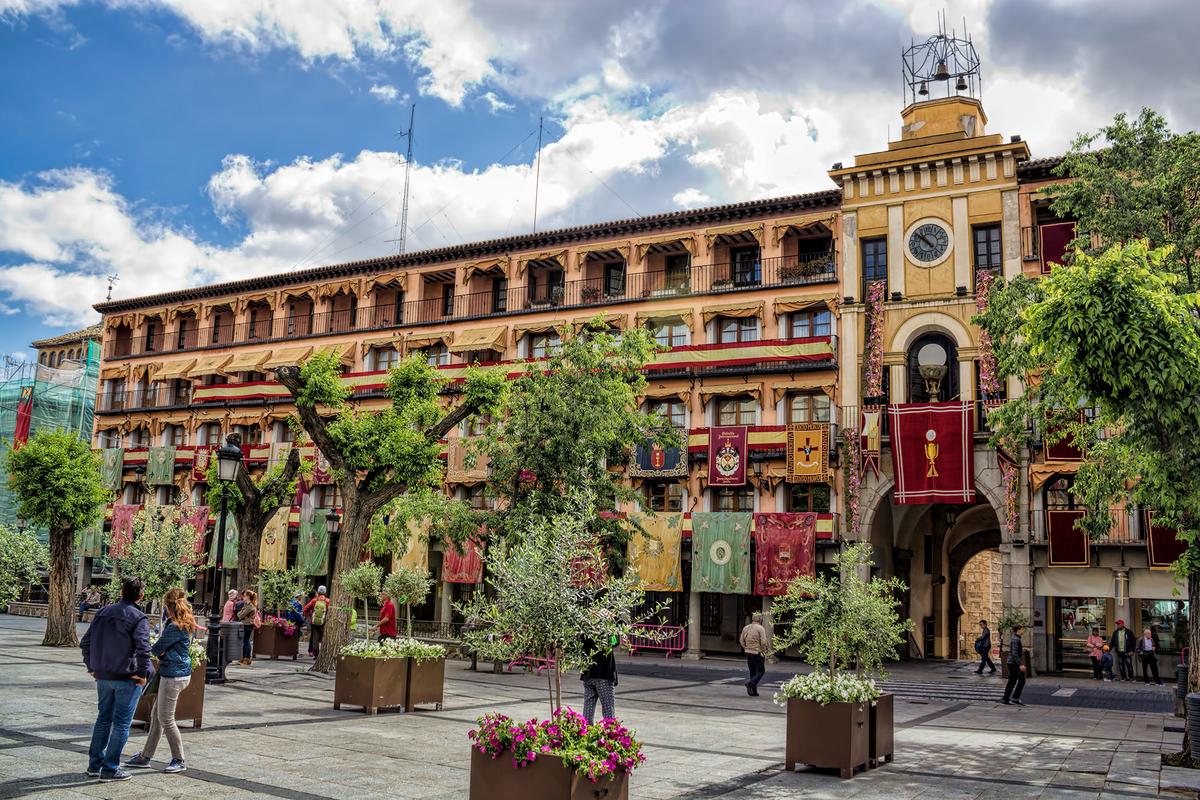
Today, visitors can enjoy a walk through the winding streets of Toledo and check out locations that showcase the city’s distinctive style.Quixote lovers can also grab coffee and check out the shops near Plaza de Zocodover. Lopez believes that this area, formerly an Arabian market from the Middle Ages, inspired the Alcaná market mentioned in Cervantes’s novel.
For those who want to continue following the origins of Quixote, it’s possible to stop in the nearby village of Esquivias to see the home in which Cervantes lived with his wife.
Tourists looking to take home a piece of Toledo aren’t limited to swords.
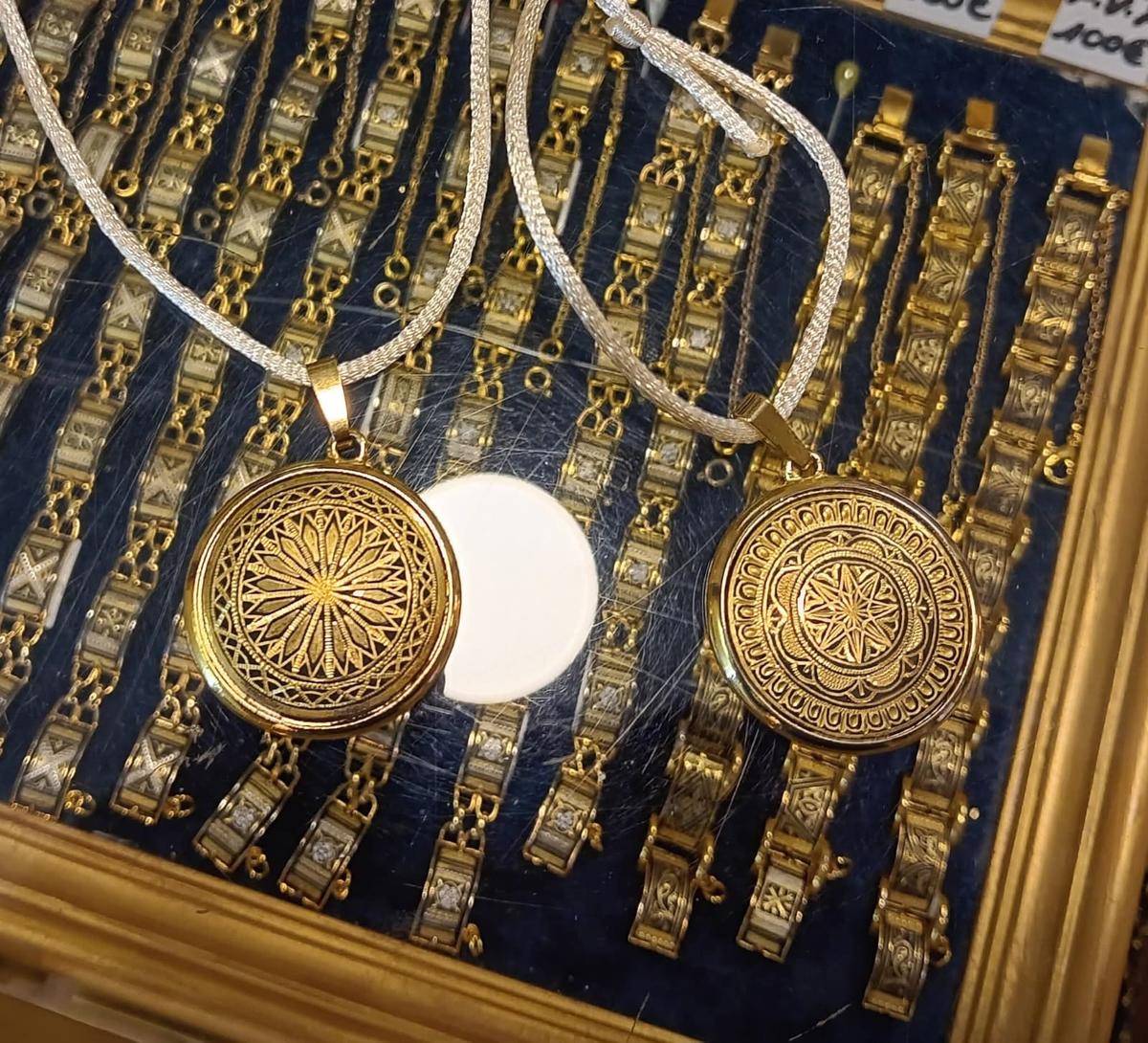
Artisanal products such as locally made olive oils, the famous Manchego cheese, and marzipan sweets are available on nearly every street corner. Jewelry lovers may be enchanted by the city’s famous Damascene jewelry, which involves intricate patterns of gold and silver inlaid into other metals.
“You can make endless connections with Quixote here,” Lopez said.
But he noted that Toledo is just the starting point.
“Castile-La Mancha has so many historic places that cross paths with Cervantes and his characters,” he said.