
Ask Angi
Energy bills have a way of sneaking up on homeowners in the summer. You turn up the AC to beat the heat, and before you know it, you’re looking at a bill that’s hard to stomach. The good news is that taking even just a few proactive steps can make a big difference.
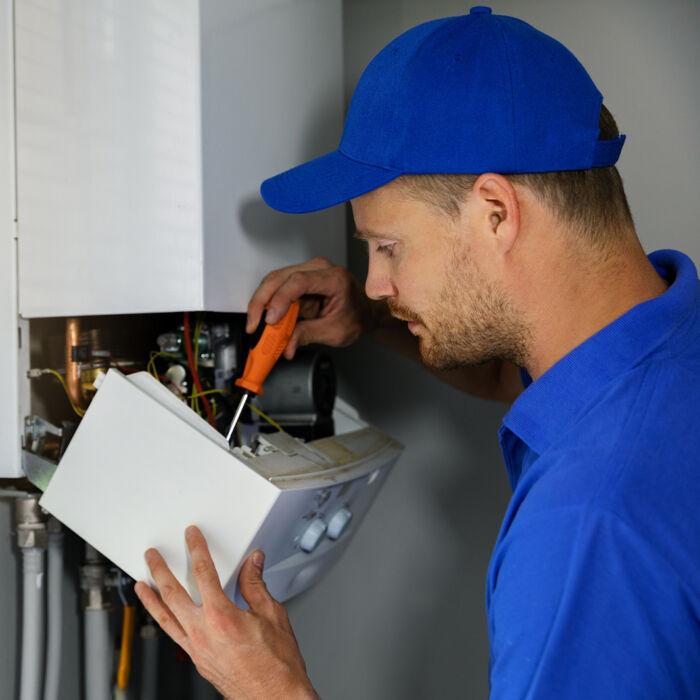
A professional HVAC service costs an average of $250. In the service appointment, your pro will clean, inspect and maintain your HVAC system, which can help prevent larger problems down the road.
While you’re at it, it’s a good idea to change your air filter. A clogged filter forces your system to work harder than it should, which drives up your energy use and wears down the system faster. Running your HVAC without changing the filter is a lot like driving your car without changing the oil.
Next, take a look at your windows and doors. Gaps in weatherstripping and caulk let cool air escape and warm air sneak in, which makes your AC work overtime for nothing. Sealing air leaks is one of the most cost-effective fixes a homeowner can make, and it’s something you can often do yourself in an afternoon.

Ceiling fans are another simple, affordable tool that homeowners often overlook. Running a ceiling fan in the summer allows you to raise your thermostat a few degrees without sacrificing comfort, and ceiling fans cost roughly a penny per hour to operate. That’s a meaningful difference over the course of a summer.
Finally, think about your habits. Cooking on the stovetop or using the oven on hot days heats up your home and makes your AC work harder. Grilling outside, using a microwave or cooking in the early morning are easy ways to keep indoor temperatures down without touching the thermostat.
Staying on top of these things takes a little effort up front, but it pays off. Think of it the same way you'd think about any home maintenance task: A small investment now prevents a much bigger headache later.