The French and Indian War of 1754 to 1763 had hardly ended before another war began on the American continent. In a fight over their geographic sovereignty, native tribes—including the Choctaw, Delaware, Ottawa, Seneca, and Shawnee—allied together against the British. This war, which began in 1763, was known as Pontiac’s Rebellion, named after the Ottawa war chief. The war began in the Great Lakes and Ohio River Valley and extended as far west as the Illinois territory and as far east as western Virginia, continuing for two years and ending in a stalemate.

Just as with the French and Indian War, the American colonists assisted the British in the fight against the Indians. The colonists deemed such contributions as only proper since they viewed themselves as the king’s subjects on par with a Londoner. Not only were the colonists proud of their British station in life, but they were appreciative of the king’s efforts to protect their life and property.
The Conflict Begins
The mention of the Stamp Act, even within the context of a memorial to the king, proved that not all was going well in the colonies. The presence of British troops may have been a source of security, but it also came with a heavy price tag. The French and Indian War, known in Britain and globally as the Seven Years’ War, had plunged the empire into the staggering debt of approximately 140 million pounds.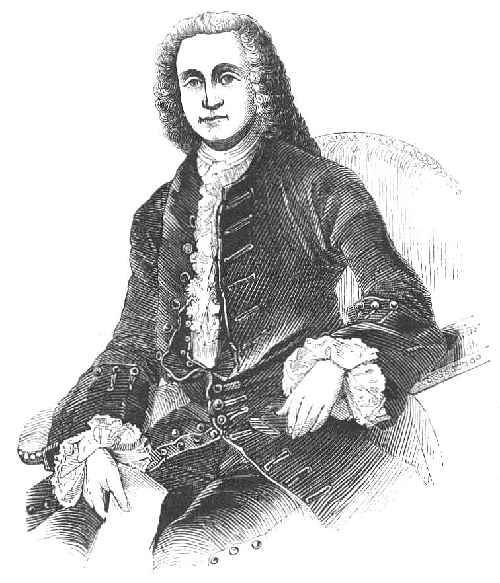
The British Parliament, led by George Grenville, believed that levying taxes on the wealthy colonists seemed a certain method to help alleviate the burden. The Sugar Act of 1764, however, created an uproar among the colonists specifically for being taxed without having any representation in Parliament.
Don’t Blame the King
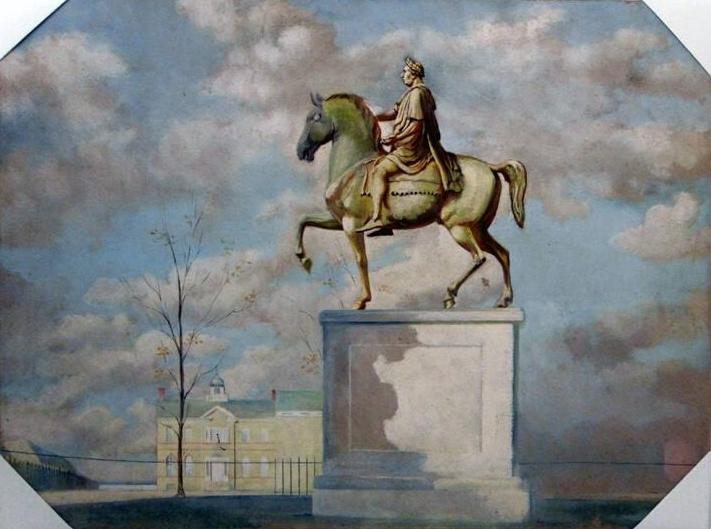
A month later, the Stamp Act was passed. The colonists, however, believed that it was not the king who was running roughshod over their rights as British subjects, but Parliament and the king’s ministers. On Dec. 20, 1765, nine months after Parliament passed the Stamp Act, James Otis, a Massachusetts lawyer, stood before the council in Boston and claimed that a “wicked and unfeeling minister has caused a people, the most loyal and affectionate that ever king was blest with, to groan under the most insupportable oppression.”The Stamp Act was repealed on March 18, 1766. To the colonists, the repeal must have been induced by the king. A statue in his honor was certainly in order.

It was not until March 21, 1770, that the statute was erected in Bowling Green. During those intervening four years, however, the colonists continued to resist Parliament’s bills
Dickinson and Political Resistance
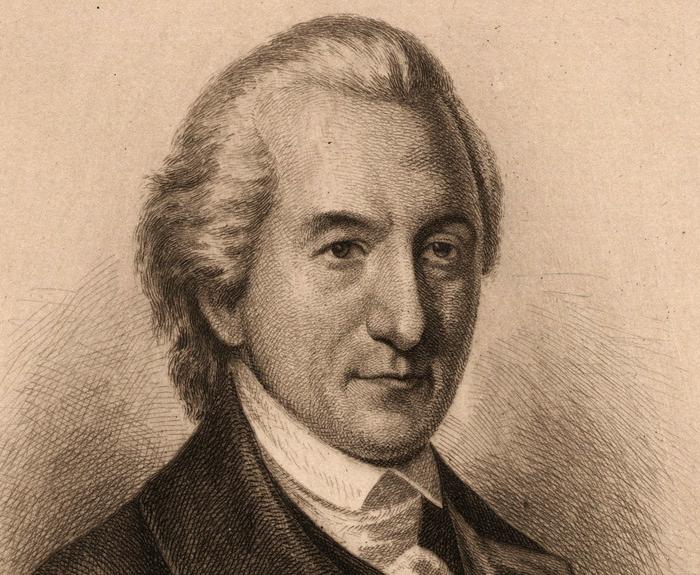
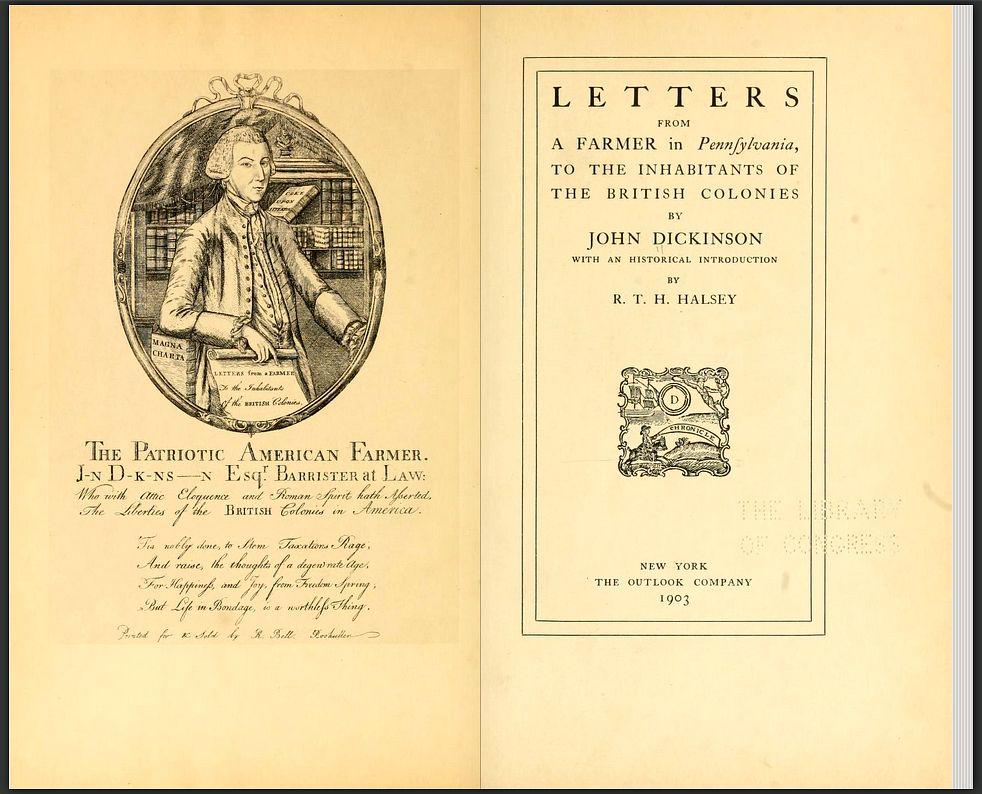
The Stamp Act led to the creation of the Stamp Act Congress in October 1765. Delegates from nine of the 13 colonies assembled to address their concerns. Among those delegates was John Dickinson. A gifted Pennsylvania writer, lawyer, and farmer, he penned the Congress’s “Declaration of Rights and Grievances.” The declaration was published and numerous copies were sent to London, where the issue was debated in Parliament, contributed to the Act’s repeal.Dickinson picked up his pen again in response to the Townshend Act. His 12 essays, “Letters From a Farmer in Pennsylvania,” clearly articulated the ongoing political struggle and were published in nearly every colonial newspaper. They were also read in England, as well as France, where the renowned philosopher, Voltaire, compared Dickinson to the famous Roman statesman, Cicero.
A Spreading Problem
Dickinson’s essays further encouraged colonists to continue boycotting British goods. In 1768 in Massachusetts, political firebrand Samuel Adams, wrote the Massachusetts Circular Letter, attacking Parliament’s taxations. Francis Bernard, the royal governor of Massachusetts, dissolved the colonial legislature and requested British military support. Bernard’s actions only escalated tensions.When British troops arrived in Boston, they were met by angry locals. Though there had been the threat of armed resistance, none resulted. The Sons of Liberty in Massachusetts, however, continued to foment outrage against the British government.
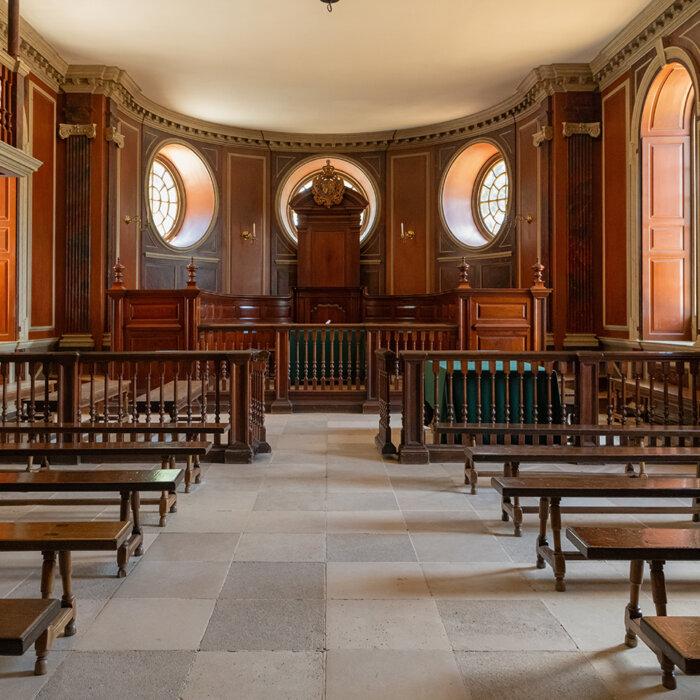
South of Massachusetts in Virginia, the House of Burgesses passed four resolutions on May 16, 1769, among which contended that only the Virginia Legislature could tax the colonists. The following day, the royal governor, Lord Botetourt, dissolved the Virginia House. The representatives, however, had already arranged for the resolutions to be published and sent “to the Speakers of the several Houses of Assembly, on this continent.”
Tea and Coercive Acts
By this time, the commissioned statue was nearing completion and would soon be shipped. With the colonists irate at Parliament but not at the monarchy, it received a warm welcome in New York City. On March 21, 1770, the larger-than-life equestrian statue was erected upon a 15-foot marble pedestal.The erection of the statue took place 16 days after the Boston Massacre. The event witnessed the first fatalities of the struggle between the colonists and the British government. The dichotomy between the colonists’ loyalty to the king and their disdain for Parliament was palpable. For the next several years, however, the colonists remained in the dark, not only about King George III’s approval of these colonial bills, but his encouragement of them.
Parliament passed the Tea Act on May 10, 1773. The colonists throughout the colonies responded with Tea Parties, the most famous taking place in Boston on Dec. 16, 1773. Parliament responded to the Boston Tea Party by passing the Coercive Acts, known in the colonies as the Intolerable Acts. These three bills—the Boston Port Act, the Massachusetts Government Act, and the Administration of Justice Act—blockaded the Boston harbor, practically eliminated local government, and greatly hindered the right to a fair trial.
The Die Is Cast
The same month that the king made this statement, the colonial leaders from 12 of the 13 colonies made another statement when they met in Philadelphia to form the First Continental Congress. The Congress remained in session until Oct. 26, with plans to meet again.One Last Attempt
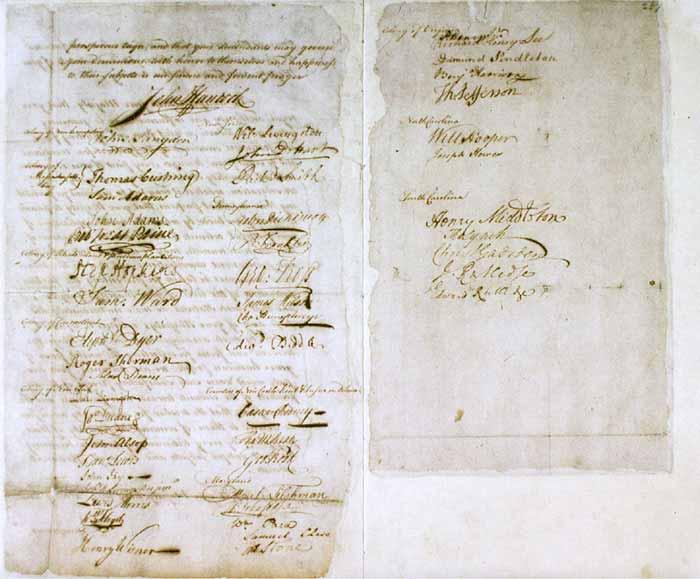
The die had irrevocably been cast. Dickinson, however, held out hope that perhaps the king would force Parliament to reverse course. Such a reversal seemed impossible, but the Second Continental Congress agreed to form a committee for a last-ditch effort. Benjamin Franklin, John Jay, John Rutledge, and Thomas Jefferson were on the committee, but it was Dickinson who was the primary author of what became known as the Olive Branch Petition.
“Your Majestys ministers persevering in their measures and proceeding to open hostilities for enforcing them, have compelled us to arm in our own defence, and have engaged us in a controversy so peculiarly abhorrent to the affections of your still faithful colonists.”
It was now obvious the king and Parliament were in lockstep. A year after signing the Olive Branch Petition, the Second Continental Congress finally broached the subject of what had over the previous decade seemed an undesirable possibility: independence.
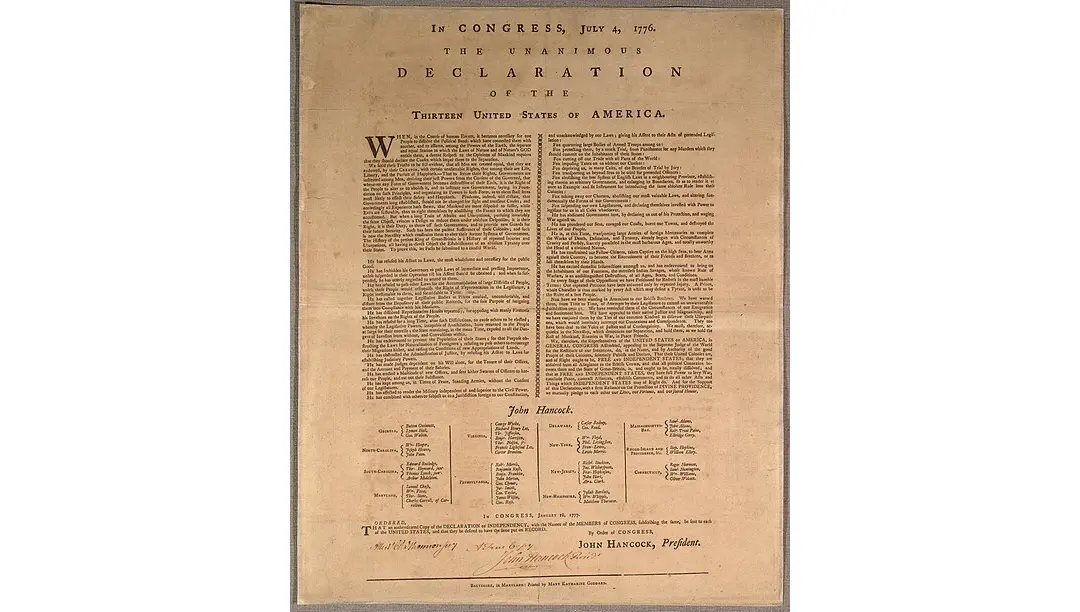
On July 4, 1776, Congress signed the Declaration of Independence. In the coming days, it would be read to the troops of the Continental Army and to the now-citizens of a new nation. When the citizens of New York City heard it read, they marched in a frenzy toward the equestrian statue of King George III. The one person the colonists had hoped would put right the entire conflict would now help them in their fight for independence. It was also during this week in history, on July 9, 1776, that the statue of the king was toppled, broken into pieces, melted down, and turned into more than 42,000 bullets to help the Americans defeat the British army.