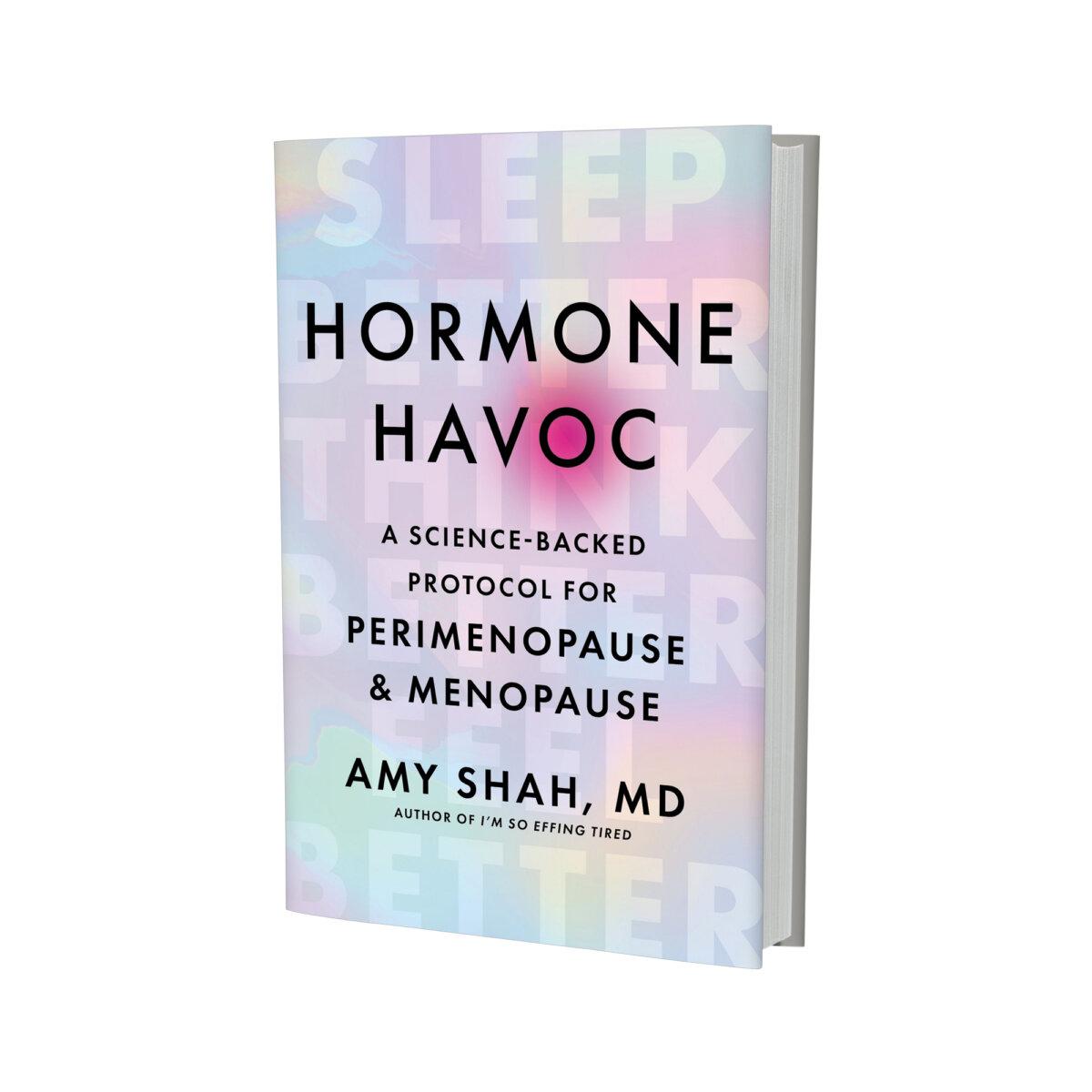
Despite being a double board-certified physician, nutritionist, and wellness expert, Dr. Amy Shah was totally surprised by the constant fatigue and brain fog she experienced beginning in her 40s. Are these really “normal” for women going through hormonal shifts? Disappointed by the lack of information on the changes women experience during this age, Dr. Shah decided to tackle the topic herself. Her new book, “Hormone Havoc,” discusses the importance of gut health, nutrients, and exercise in navigating perimenopause and menopause with grace and vitality rather than fatigue and burnout.
“Vitality isn’t about perfection or willpower,” Dr. Shah wrote on her website. “It’s about understanding why your body feels the way it does and learning to work with it, not against it.” American Essence asked Dr. Shah to share some of her medical findings about hormones, health, and living a more empowered life.
American Essence: How did your personal health journey inspire you to write “Hormone Havoc”?
Dr. Amy Shah: Like so many women I knew and worked with, I was trained in medicine but still found myself confused when my own body started changing. One day, I woke up and realized I had been living with fatigue, brain fog, and disrupted sleep and calling it my “norm.” I realized how little we’re taught about the hormonal shifts that happen in our 30s and 40s and don’t get any guidance, especially around nutrition. That disconnect—between what I knew as a physician and what I experienced as a woman—is what drove me to write “Hormone Havoc.”
AE: Throughout your research for this book, what was the most surprising thing you learned about your own hormones?
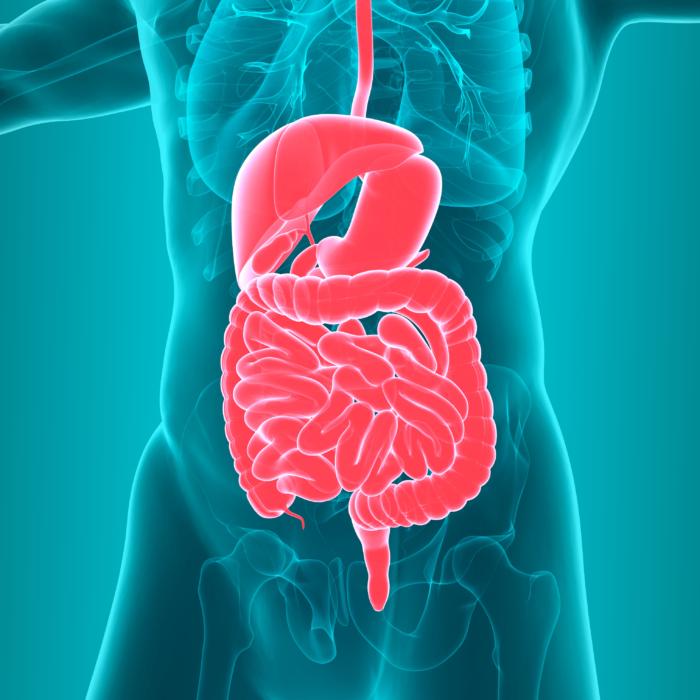
Dr. Shah: Everything is much more interconnected than we realize. Yes, hormone health is so important, but it’s very connected to gut health. But what we tend to overlook is that when you prioritize your gut health, you’ll also see improvements in mood, hormone health, cravings, sleep quality, cognition—the list goes on.


AE: What are the most common signs that someone might be experiencing hormonal imbalances?
Dr. Shah: Unfortunately, it’s the same symptoms that are often dismissed or normalized: relentless fatigue, mood swings, increased anxiety, brain fog.
AE: What are the most common misconceptions about how perimenopause and menopause affect women? What can women do to be better informed?
Dr. Shah: One of the biggest myths is that menopause is a single moment, as if all of a sudden your body signals to you that you are now in it. In reality, perimenopause can last up to a decade.
Another misconception is that this is just “how things are” and suffering is your baseline now. It’s not. With the right nutrition, lifestyle, resources, and knowledge, women can feel empowered to ask questions and advocate for themselves.

AE: What daily practices do you use to help manage your own hormones?
Dr. Shah: I try to start every day with no screen time and morning sunlight. It’s so tempting to reach over when the alarm goes off and look at my phone. However, by cutting this out, I’ve noticed such a big difference in my stress and mental clarity, which makes it easier to stick to my routine as a whole.
Daily Habits For Hormone Health
Find a consistent sleep and wake cycle.
My 30-30-3 is the foundation of my nutrition advice: 30 grams of protein in your first meal, 30 grams of fiber throughout the day, and 3 servings of probiotic food daily. Micronutrients like magnesium and B vitamins are also critical for stress resilience and energy.
Every process in your body operates on a clock that receives input from the sun. Every day, aim to get morning sunlight within one hour of waking.