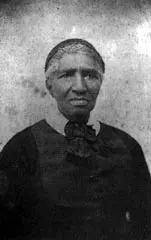
Clara Brown became one of Colorado’s most beloved pioneers not because of the money she made in the Pike’s Peak Gold Rush, but because of her unwavering faith and extraordinary generosity. She cared for sick or injured miners, delivered babies without expecting pay, and helped establish one of the region’s first Protestant churches. Looking back on her life, the Denver Republican observed in 1890 that “she was always the first to nurse a sick miner or the wife of one, and her deeds of charity were numerous.”
Behind her kindness and compassion was a life of hardship. Born into slavery, Clara endured unimaginable loss when she was separated from her husband and three young children. Refusing to abandon hope, she spent nearly 50 years searching for her family, a journey that took her from Kentucky to the mining camps of Colorado and eventually to Council Bluffs, Iowa.
Throughout decades of disappointment, it was her Christian faith that sustained and shaped her.
The Early Years
Clara was born into slavery in Spotsylvania County, Virginia, in 1800. Three years later, she and her mother were sold to Ambrose Smith, a farmer who moved them to Russellville, Kentucky. There, she became a devout Christian and grew up working in the fields.At 18, Clara married a fellow slave, Richard, together they had four children. Tragedy struck early when one daughter, Paulina Ann, drowned in childhood. Then Smith died in 1835, leaving his estate in disarray. His heirs decided to sell the farm and all the slaves.
Living For Family
Now in her mid-50s and free for the first time in her life, Brown was determined to reunite with her family. She learned that her husband and son had been sold down to the Deep South, and likely were dead or untraceable. Her oldest daughter had died of a fever. That left only her youngest daughter, Eliza Jane.
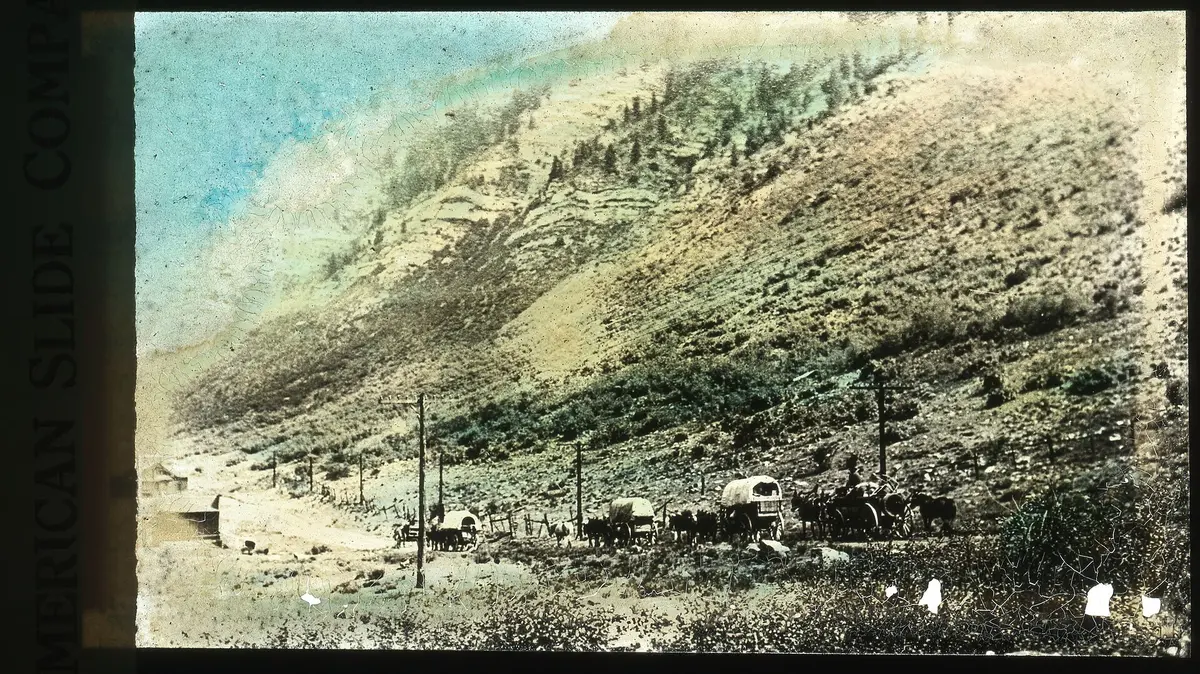
Hearing that there was a possibility her daughter had gone west, Brown convinced a group of prospectors to hire her as a cook and laundress for the journey to Denver, where the Pike’s Peak Gold Rush had started in 1858, in what later became Colorado Territory. She walked most of the 700-mile trail. Later, she posed as a servant to catch a ride to the gold-mining town of Central City.

Once there, Brown quickly showed remarkable aptitude for business. She started the first commercial laundry business in Colorado and used her profit to fund miners, who rewarded her with shares from their stakes. On the side, she offered her services as a midwife, cook, and nurse and invested in real estate. By the end of the Civil War in 1865, she had saved $10,000—$150,000 today. She invested much of this fortune back into the community.
She also never lost hope of finding her daughter. Once she saved enough money, she traveled back to Kentucky and Tennessee in search of news. While she didn’t find Eliza Jane, she did find 26 former slaves in need of help. She paid for their fare to Colorado and found them jobs in the mines.
Reunited
After losing many of her properties to fires and floods, Brown moved to Denver in 1879. There, she continued to search, writing letters and asking arriving wagon trains if they knew of her daughter.In 1882, she received news of a woman in Council Bluffs, Iowa, who was Eliza Jane’s age and said to resemble Brown. Her community collected funds and bought the 82-year-old Brown a train ticket east. According to witnesses, the two women met at the train station in the rain and hugged until they fell in the mud, unwilling to let go. After nearly half a century of separation, she had found Eliza Jane.
She Never Gave Up
Both the governor of Colorado and the mayor of Denver attended Brown’s funeral, which was funded by the Colorado Pioneer Association. The Central City Opera House installed a chair in her name in the 1930s, and in 1977 a stained glass portrait of her was installed in Colorado’s state capitol building. Central City’s St. James Church, which she founded, still stands. Her good deeds earned her the nickname “Angel of the Rockies.”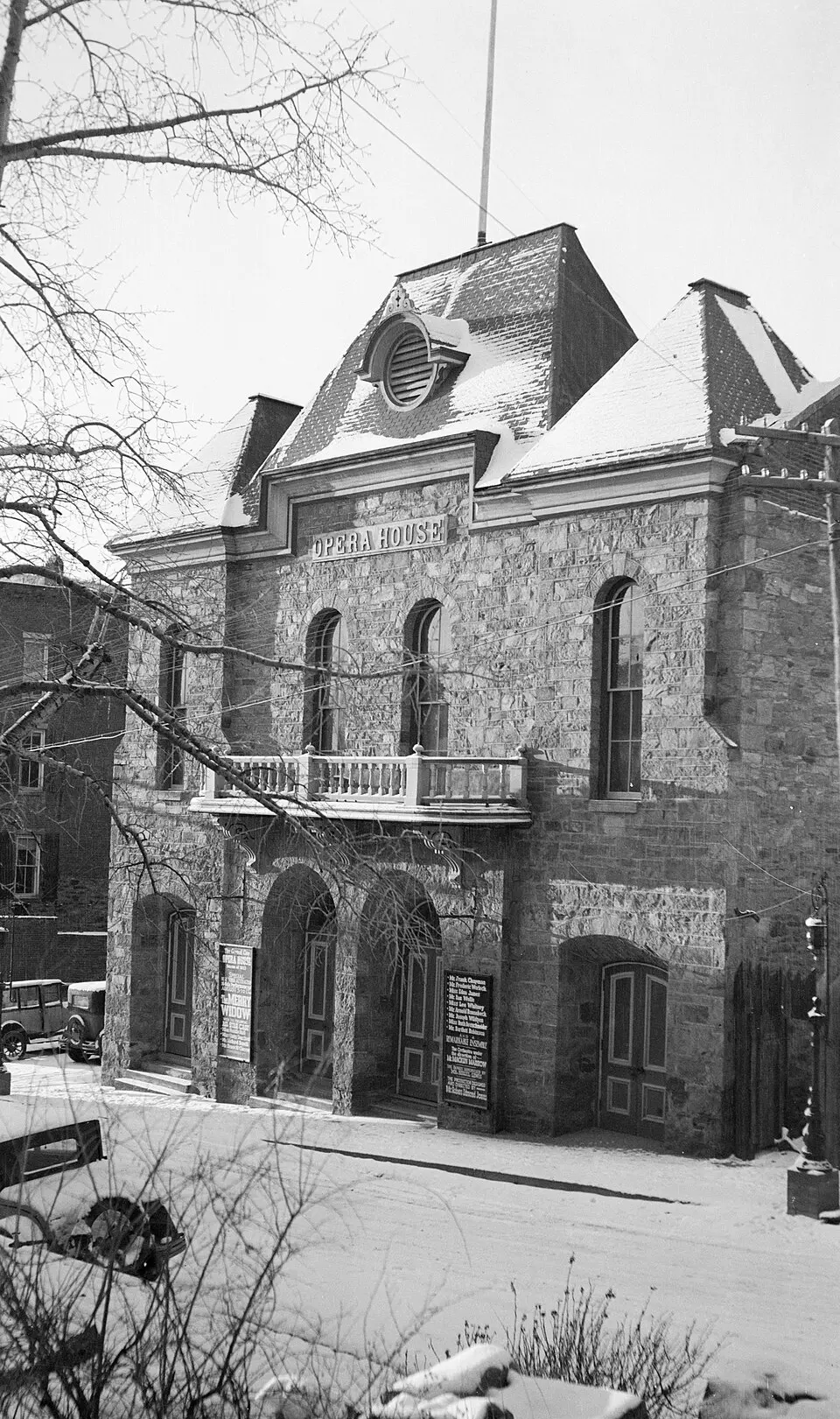
For Clara Brown, her greatest desires were to reunite with her family and honor her faith. Her most-remembered saying was the simple statement, “I always go where Jesus calls me.” Throughout a lifetime of hardship, she refused to lose hope or let bitterness win. Her resilience, compassion, and faith are reminders that a person of good character may be shaped by their circumstances, but always rises above them.