The last gasps of winter are often the hardest to bear. At the little school where I teach and coach, the students find rugby practices worse now than they did two months ago: crusty ice tearing into the shins, feet sucked into barely melted water, a cold that seeps into the bones. William Shakespeare had a profound appreciation for the bitter, forlorn toll winter takes on people. He found nothing more apt to compare it to than one of the worst human sufferings: betrayal by loved ones—a suffering he further links with the experience of ingratitude.
A Song at the Play’s Lowest Point
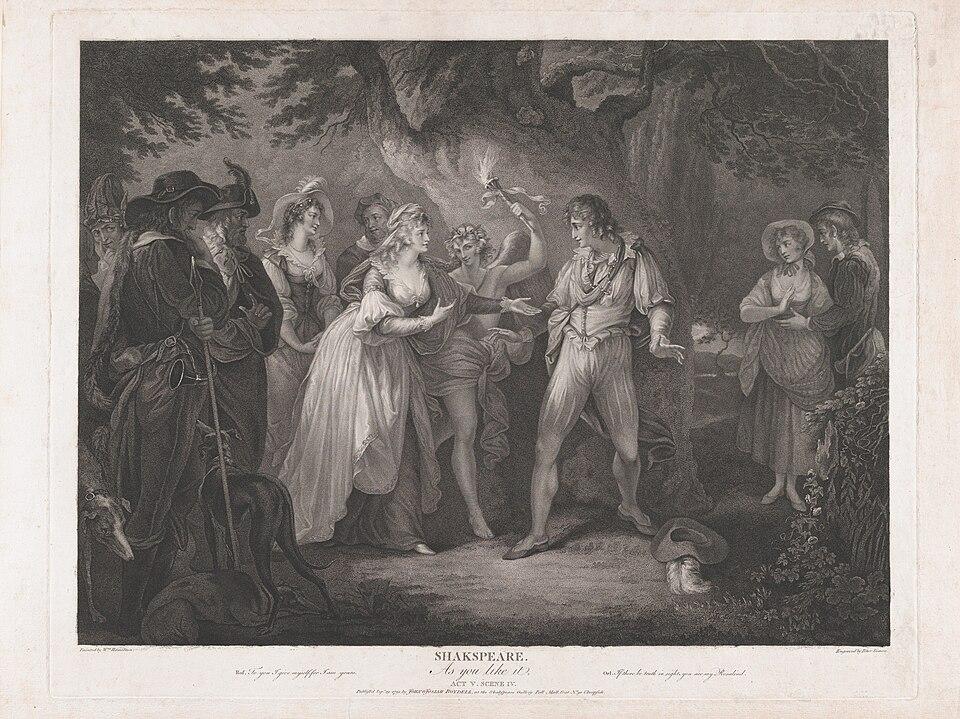
A brief word on the play. “As You Like It” is a story of two wicked men: One deprives his brother of his dukedom; the other tries to kill his brother. The betrayed brothers meet in Act II, the lowest point in the play. Here, a friend of the rightful duke sings the song discussed below.Blow, blow, thou winter wind, Thou art not so unkind As man’s ingratitude; Thy tooth is not so keen, Because thou art not seen, Although thy breath be rude. Heigh-ho sing, heigh-ho! unto the green holly: Most friendship is feigning, most loving mere folly: Then, heigh-ho, the holly This life is most jolly.

It seems that nothing in human experience is colder than “man’s ingratitude,” as the first stanza states—particularly ingratitude within love and friendship. It is a violation of love, a hardening of one’s heart to the point of ignoring what neighbors, friends, and family members have done for us.
The Chill of Being Forgotten
Freeze, freeze, thou bitter sky, That dost not bite so nigh As benefits forgot: Though thou the waters warp, Thy sting is not so sharp As friend remembered not. Heigh-ho sing, heigh-ho unto the green holly: Most friendship is feigning, most loving mere folly: Then, heigh-ho, the holly This life is most jolly.In the second part, an even deeper ingratitude is addressed: A former friend not only rejects old friendship, but seems to forget it. In his classic work on gratitude, “On Benefits,” the ancient philosopher Seneca wrote that the most ungrateful person of all is the one who has forgotten a kindness—not the person with a naturally bad memory, but the one who has not given thought to returning a kindness received. Blameworthy forgetting is even chillier than outright rejection.

A cold wind’s effects can be seen; ice-cold stillness stings through atmosphere rather than movement. “Benefits forgot” and “friend remembered not” create an environment like the all-enfolding bitter sky for someone suffering from a former friend’s indifference. It’s the absence of warmth once experienced and expected to remain.
Why ‘This Life Is Most Jolly’
On the most basic level, this affirmation rests on the truth that to exist is better than not to exist. The many examples of bad or failed friendships most people experience do not, in Shakespeare’s view, outweigh the joy of life’s simple pleasures.To consider another way in which life can be jolly in spite of folly: Many little failures occur, on a daily basis, even within lasting loves and friendships. To say “most loving [is] mere folly” is not the same as saying that the most important part of one’s loving is folly. One might describe married life as a mountain of inconsiderate actions and moments of impatience that a spouse and children daily blow away like dandelion seeds, leaving cheer and peace behind.
Finally, a simple “sorry” can resolve a long stretch of anger and alienation, as it does in “As You Like It,” with the wicked brothers repenting, peace returning to the dukedom, and marriages pledged between those in love. A few good encounters can make life worth living despite many evil experiences.
It is a consoling and encouraging thought: Most of one’s life may be cold, full of hurt—even deep sadness—yet a life that ends in friendship and joy is a happy life.