The Christmas season insists that love is the strongest, truest thing we have. It appears on greeting cards, in sermons, and in sentimental songs. Few writers embraced this conviction more fervently than Charles Dickens.
A Household in Peril
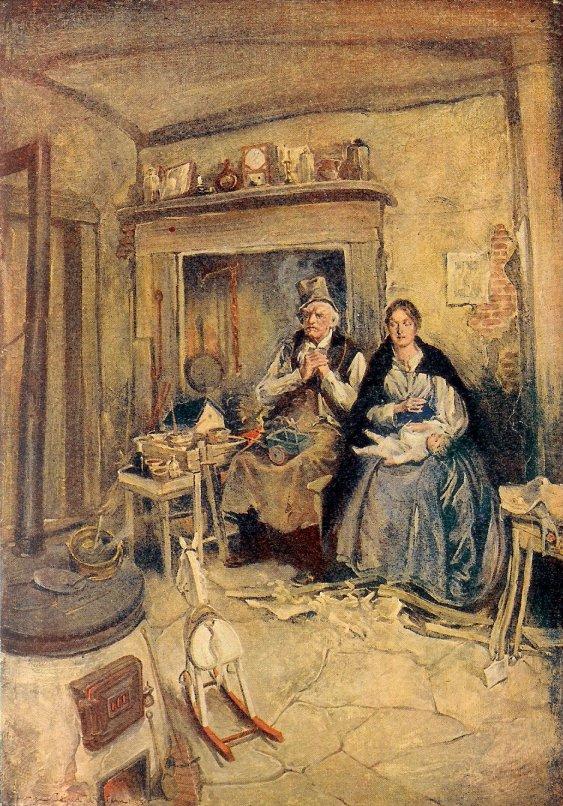
The story begins in England in early January, in an unspecified town. Wind whips outside the cozy home where the middle-aged parcel carrier John Peerybingle and his young wife, Dot, live with their newborn. They appear to have a very happy life, which Dot half-seriously attributes to the encouraging chirps from the cricket that lives around their fireplace.
A menace soon begins to shadow the home, however. John agrees to take in an old man as a boarder who is not what he appears to be; he hides an explosive secret. Meanwhile, the cynical and prosperous toymaker Tackleton is about to marry a pretty friend of Dot, May Fielding. Tackleton has achieved the engagement through a combination of financial pressure and nagging from May’s mother. He is also a man who tyrannizes his employee, Caleb, and Caleb’s blind daughter, Bertha.
A thoroughly disagreeable character, Tackleton nevertheless seems to become the voice of truth. He reveals to John that the aged boarder is actually a handsome young man. He goes on to say that the man’s apparent attention to Dot seems to be reciprocated.
A Cricket’s Chirps
With a gentle nudge from the cricket’s chirping, John’s thoughts and emotions soften, and he emerges sadly but gallantly from the night, resolved to believe the best that he can about his wife, and to shoulder as much of the sadness and shame of his situation as he can.
Belief in the cricket is rewarded with a turn in the story as strange and interesting as any in literature. Tackleton’s plans and worldview fail, John reunites with a friend he had long given up for dead, and he discovers that his wife has been true to him the whole time.
Seeing Clearly
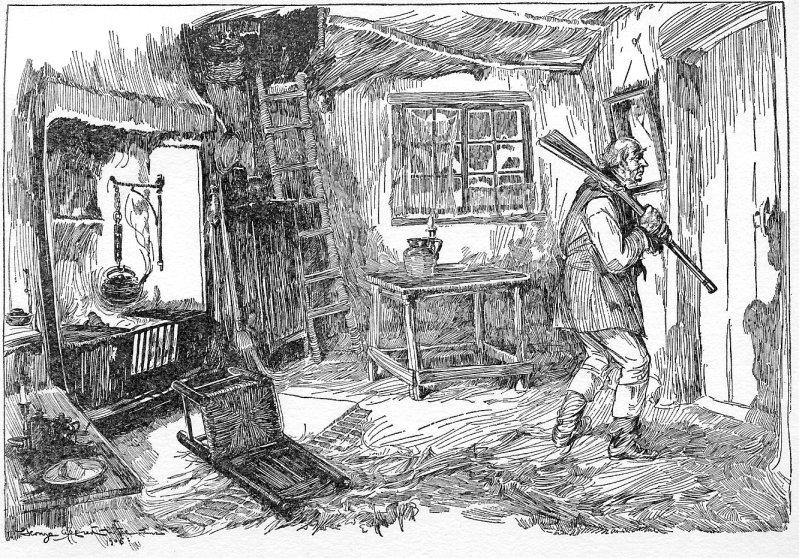
The main theme, that love allows the beholder to see more clearly, is best shown through the blind girl, Bertha. Caleb has taken pains to protect Bertha from the outside world, pretending that their hut is a comfortable home, that he lives a comfortable life, and that Tackleton is a kind, albeit gruff, employer.Upon realizing that Bertha, under his well-meant deception, has fallen in love with Tackleton, Caleb is devastated. However, upon learning the truth, not only does Bertha forgive her father, but she loves him even more because she can appreciate the deep love that inspired his lying. In fact, she knows much more than anyone else about the mysterious goings-on that lead to the triumphant, happy ending.
Caleb’s character helps the reader not only to appreciate the clear-sightedness of love. While he deceived his daughter for her sake, it was clearly wrong to do so. In fact, if not for the purity of his daughter for him, his deception would have had catastrophic results. Love and truthfulness require each other, and a love that is willing to engage in deception, however minor, is not a pure love.
Dot discovers this as well. While she is the architect of the happy ending, she, too, does not see clearly because she believes a few white lies to her husband can be harmless. Dot learns how devastating her well-meaning deception is to John because it makes him suspect her of infidelity, and she next sees the self-sacrificing way in which John tries to shield her from shame. Both of these things increase her love for her husband because it is a love refined by truth.
Ultimately, the power of love is so great that it’s able to improve good people, but sometimes convert the bad. Suspicious and cynical Tackleton, seeing his careful, pragmatic plans—not to mention his attitude about the world and love—overturned, finally decides to ask for forgiveness and acceptance into the happy company gathered at the Peerybingle home.
The Power of Love
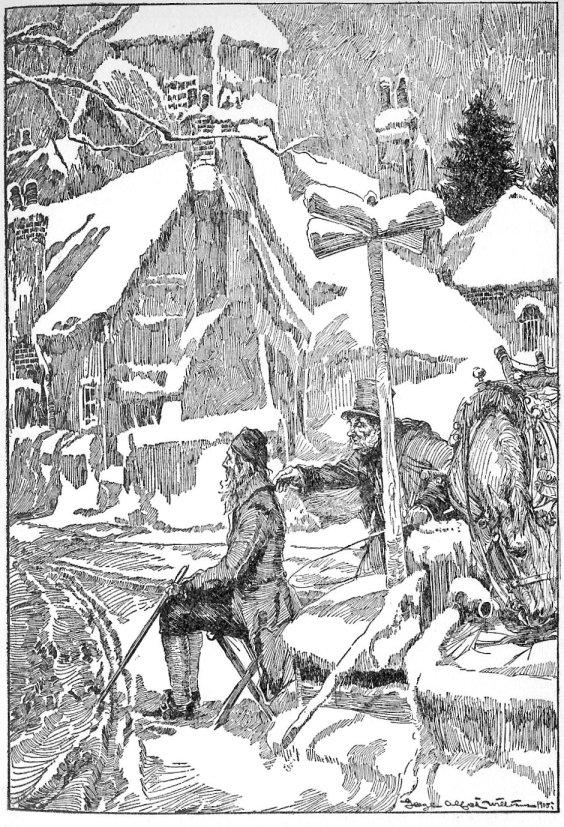
As for John, when the reader first meets him, he’s self-deprecating and rather oblivious. In short, he seems to be the type of innocent and kind man most likely to be cruelly hurt by a wife’s infidelity.
A Well-Constructed Tale
The story suggests that love is truer than anything else, even than what appears to be factual. The story’s structure reinforces this theme. It is almost an experiment to test the power of love, as the narrative builds up all the cozy connotations of love in the beginning, then, in the middle, it seems to portray its utter collapse, only to triumphantly rebuild everything on a greater scale in the end. Love’s power is measured by the desperate sadness it’s capable of completely overcoming.“The Cricket on the Hearth” suggests that human love starts with and is nourished by particular, concrete actions. However, love itself is greater than any of these, and knowledge gained by love is more certain even than the empirical knowledge that seems to speak against it.
But what about people who have trusted love and then been let down, those who have actually been betrayed in business, friendship, family, and even in broken marriages? Well, we are human after all, which is to be imperfect and changeable, which means we can let love down.
The end of “Cricket” opens up this possibility, as Dickens sees the story in his imagination fade away and writes that “[Dot] and the rest have vanished into air, and I am left alone. A cricket sings upon the Hearth; a broken child’s-toy lies upon the ground; and nothing else remains.” It almost seems to be a reflection on Dickens’s own imperfect life, which often fell short of his ideals.
Yet Dickens’s great insight as an author was always to believe more in love’s power than in human frailty or the ability of evil to take advantage of this frailty. If one moves from fiction to history and considers the men and women who have proved that love can endure everything, Dickens’s belief is shown to be true.