PG-13 | 2h 5m | Drama, Romance, Biographical Fiction | 2025
William Shakespeare is the most read and adapted writer in the history of the English language, if not the entire literary world. According to the movie site IMDb.com, there have been over 1,700 movies and TV shows based on Shakespeare’s plays.
Fact, Fiction, Conjecture
As with the abovementioned features, “Hamnet” is a work of fiction containing some facts and loads of conjecture. It is based on the 2020 titular novel by Maggie O’Farrell, who co-wrote the screenplay with director and film editor Chloe Zhao.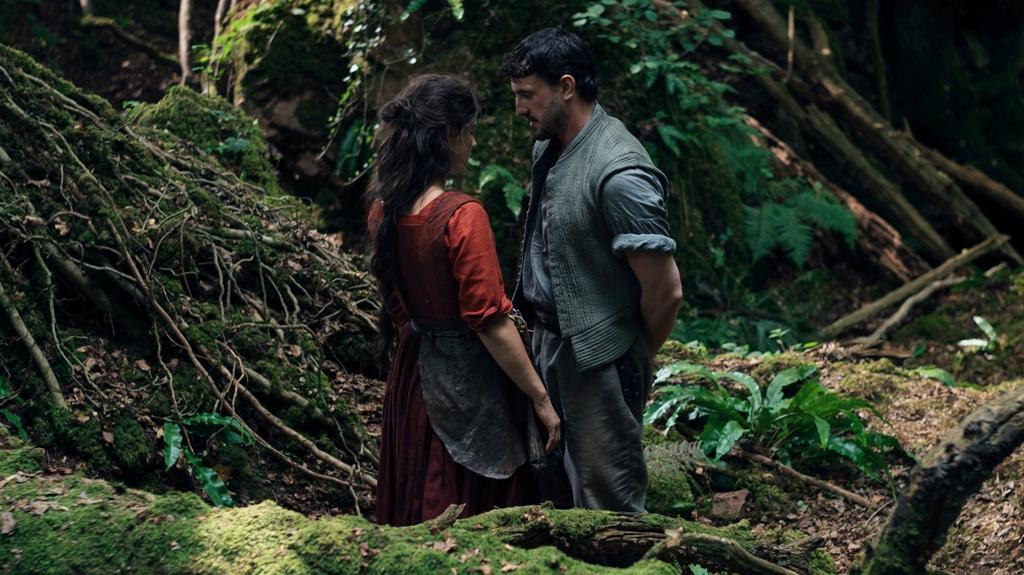
Prior to “Hamnet,” Zhao made four features, only one of which I would recommend (the 2017 Western “The Rider”). The others were complete wastes of time, including “Nomadland” (2020), another highly overrated Best Picture winner.
Three Acts Versus Two Halves
Rather than three acts, “Hamnet” is presented as two halves. It opens with the courtship of Agnes Hathaway (Jessie Buckley) by Shakespeare (Paul Mescal). Their chemistry is instant and intense, but she wishes to know more about him before moving forward. For a man known for his eloquent written words, Shakespeare is not in possession of basic small talk; he tends to mumble and not speak clearly.

Shakespeare decides to tell Agnes the tale of Orpheus and Eurydice, and it works like a charm. This introductory, passionate “getting-to-know-you” phase is followed by what is now referred to as a “shotgun wedding,” something all but condemned by Shakespeare’s mother, Mary (Emily Watson), but less so than by his tyrant of a father, John (David Wilmot).
Because Agnes’s parents are deceased, the final word on a possible marriage belongs to her brother Bartholomew (Joe Alwyn), who eventually gives Agnes his guarded blessing.
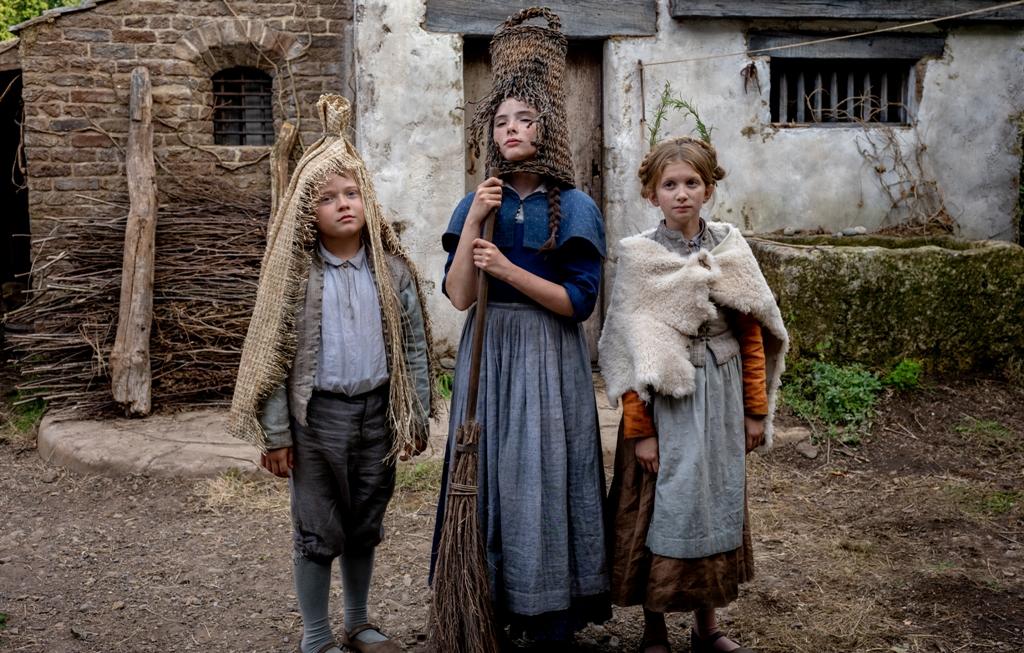
The first half ends with the three Shakespeare children, Susanna (Bodhi Rae Breathnach) along with her younger twin siblings Judith (Olivia Lynes) and Hamnet (Jacobi Jupe), performing one of the “three witches” scenes from “Macbeth” for their parents. It concludes with the brood collapsing into a raucous family hug, further informing us of their unwavering love and selfless dedication to each other.
Agnes Not Anne
It is worth noting that Buckley’s character is generally referred to as “Anne,” not Agnes (pronounced ahn-yez). O’Farrell chose “Agnes” because that was the name Hathaway’s father referred to her in his will.
The relative celebratory tone of joy in the opening half is replaced in the second by what anyone would consider to be the most traumatic of all events parents could possibly endure. I am making the decision to avoid revealing any key details about the bulk of what transpires here as it will rob any possibly interested viewers of many devastating plot twists and revelations.
What I can say without revealing anything is that, “It is always the darkest just before the day dawneth.” The final two minutes of the movie (prior to the end credits) are among the most emotionally charged, uplifting, and overwhelming that I’ve ever witnessed in a film.
As performances go, Buckley delivers an equally stunning and throttling portrayal of a nonfictional character since Daniel Day-Lewis in “Lincoln” (2012). Her range here is off the charts, yet never once does she stray into histrionic, over-the-top territory.
“Train Dreams” and “Hamnet” are the two best movies of this year, and rank just below “Oppenheimer” as the finest movies of this decade thus far.