Your teenagers may just be getting their feet wet when it comes to finances. But it’s important to take a quick look at the financial world they’ll be stepping into.
For teens, being in immense debt can deliver a massive blow to their credit. This could trigger devastating consequences down the road. A bad credit score could affect their ability to rent an apartment, take out a mortgage or loan, and even land a job.
Help Them Understand How Credit Works
Only a handful of states require that high schools offer a personal finance course. And in these states, more than half (68.8 percent) only have access to an elective course or embedded instruction, according to research by Next Gen Personal Finance, a resource for teachers.So don’t rely on school to teach your kid about building good credit. You’ll need to lead the charge.
- Poor: below 580
- Fair: 580–669
- Good: 670–739
- Very Good: 740–799
- Exceptional: 800–850

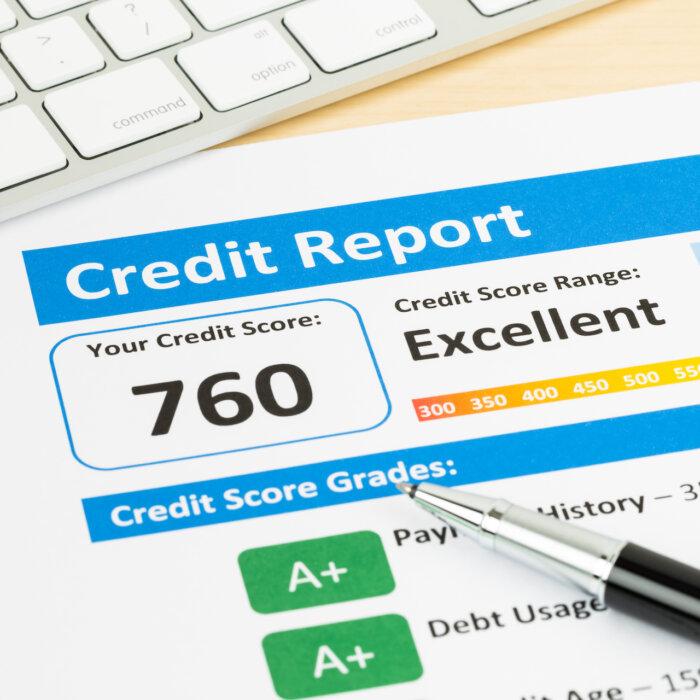
The two most important factors that go into calculating your credit score are payment history and credit utilization. The latter basically means how much of your balance you are using.
Teach your kids that the best move to make is to never charge more than you can pay back and to always pay back in full each billing cycle.
Here’s a deeper look into what goes into determining your credit score and approximately how much these factors account for.
If you have good credit, show your teens how you keep that score. Show them your history of timely payments and how you live within your means to keep your high credit score. Show them credit cards should be used for necessities and emergencies.
Explain to them that a credit card is basically a high-interest loan. The credit limit is not money you earned. It’s money borrowed that you need to pay back regardless of what you used it on.
Open a Joint Checking Account
Before your teens get their first credit cards, they can practice managing finances with checking accounts.If your teen is under the age of 18, you’d need to open a joint checking account. This means you can both make purchases using the debit cards linked to the joint account. But you’d also absorb any fees.
This is why it’s important to shop around for accounts. The best banks and credit unions—including online institutions—offer checking accounts with no maintenance fees and minimum balance requirements. Some even pay interest. And some options allow you to place spending limits. This can be a great feature for parents as they monitor their teens’ spending habits. The account itself—which you shouldn’t use for your own purchases—can help your teen manage and track spending. It can help them build a budget around what they earn and have at their disposal.
Sign Them Up as Authorized Users
Your teen must be at least 18 years old to open a credit card account. But some credit card companies allow you to set up a minor as an authorized user on your own credit card.If you have good credit, consider adding your teen as an authorized user on your credit card, preferably one with a low credit limit. This would allow your teen to make purchases, but avoid the responsibility of making payments.
This could also allow your teen to “piggyback” off your good credit behavior, because the credit card companies would report factors like your timely payments and low credit utilization to the credit bureaus in your teen’s name. But check with the company to make sure that they actually do report authorized user account activity to the credit bureaus.
Consider a Secured Credit Card
If your teen is at least 18 years old, they can open a secured credit card. And if they’re under the age of 21, they’d need to provide proof of income. Still, secured credit cards are generally easier to qualify for than traditional credit cards. And it could serve as a sort of credit card for training purposes.Here’s how it works.
The Bottom Line
It’s important to help your kids understand and build good credit as early as possible. You can begin by explaining the basics of credit scores and how they are calculated. Explain the major factors that go into building and maintaining a good credit score like making timely payments and not using much of your credit limit. Allow them to manage their own finances and track their spending using their own checking accounts.If you have good credit, sign them up as authorized users so they could benefit from your good credit behavior. Before launching into signing up for a credit card at 18, it may help to start off with a secured credit card. But ultimately, it’s up to you to help your child start building credit. Help them develop good money habits early on. This will help them establish good credit habits and put them on a bright path toward financial wellness.