In the final week of the NFL’s 1958 regular season, the 9-2 Cleveland Browns and the 8-3 New York Giants faced each other. It was the second time that season the two Eastern Conference rivals faced off, with the Giants taking the first game 21-17 in a dramatic fourth quarter comeback on Nov. 2.
This second game could have decided the conference champion; but this was a season destined to be remembered for its drama. Before a crowd of 63,192 fans who braved the snowstorm at Yankee Stadium on Dec. 14, the Giants defied the odds. Down 10-3 in the fourth quarter, the Giants pulled off another stunning comeback, capped by kicker Pat Summerall’s 49-yard field goal—the second longest of his career.
Had Summerall missed, as he had already done twice, a tie would have sent the Browns to the NFL Championship Game against the Baltimore Colts and would have sent the Giants home for the holidays. Instead, the now-tied Browns and Giants were forced into a playoff game scheduled for Dec. 21.
The Giants, which had the league’s best defense, knew it had one player to stop in the upcoming playoff game: Jim Brown. The Browns’ running back, who was the 1957 MVP and the eventual 1958 MVP, had rushed for an impressive 261 yards and two touchdowns in those combined games, including the lone touchdown in the second game. If the Giants were to secure a bid in the championship game, they had to stop Jim Brown.
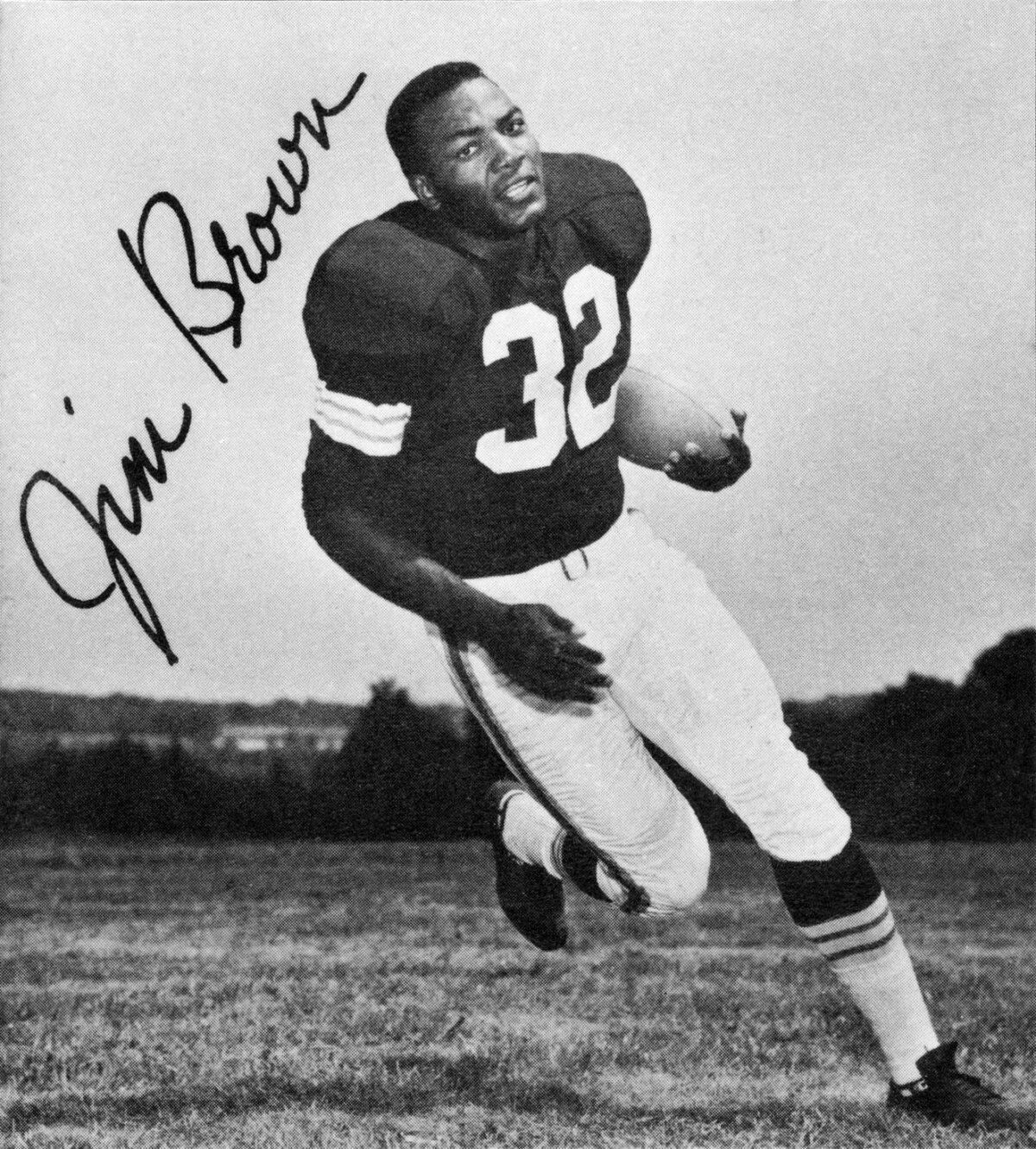
On Dec. 21, the two teams met again at Yankee Stadium. Somehow the Giants stymied Brown to an abysmal 8 yards on seven carries.
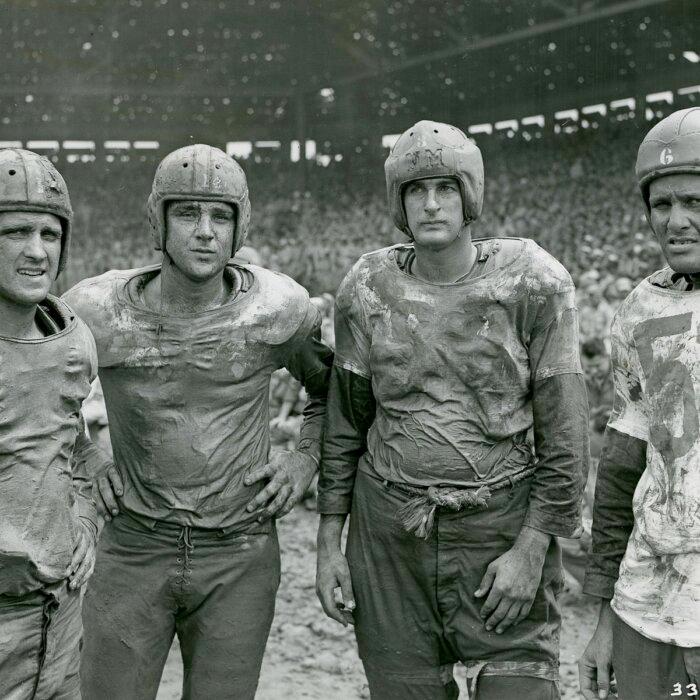
The NFL Championship
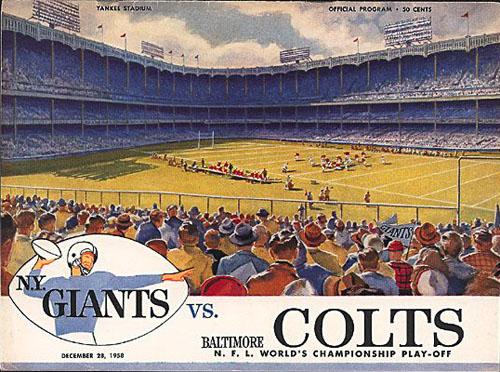
It would be the NFL’s best defense against its best offense. The game would witness 17 future football Hall of Famers on the field and sidelines. More importantly, the 1958 NFL Championship Game would forever change the relationship between players and fans and would place the NFL on its meteoric trajectory of popularity.
It was during this week in history, on Dec. 28, 1958, at 2 p.m. in Yankee Stadium before 64,185 fans that the New York Giants faced the Baltimore Colts in the NFL title game. Unlike the swirling snowstorm of Dec. 14, this day provided clear skies and a brisk but more than tolerable opening kick-off temperature of 47 degrees.
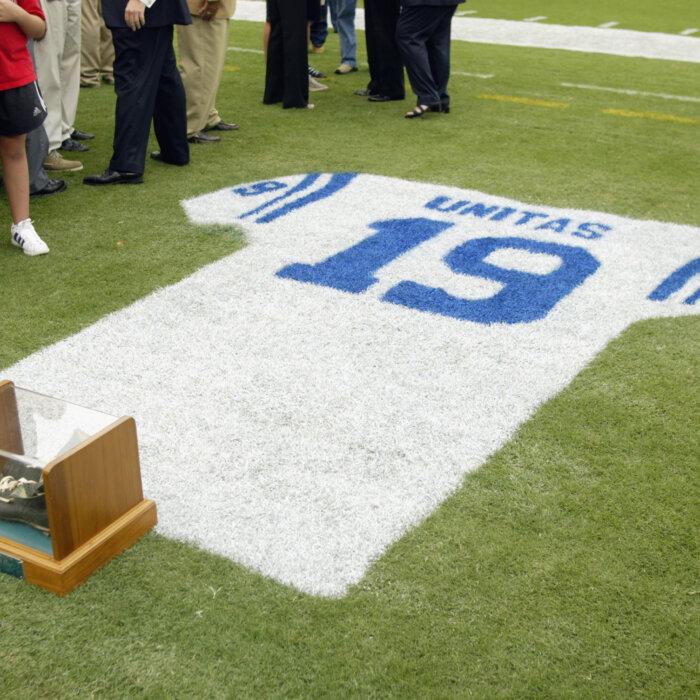
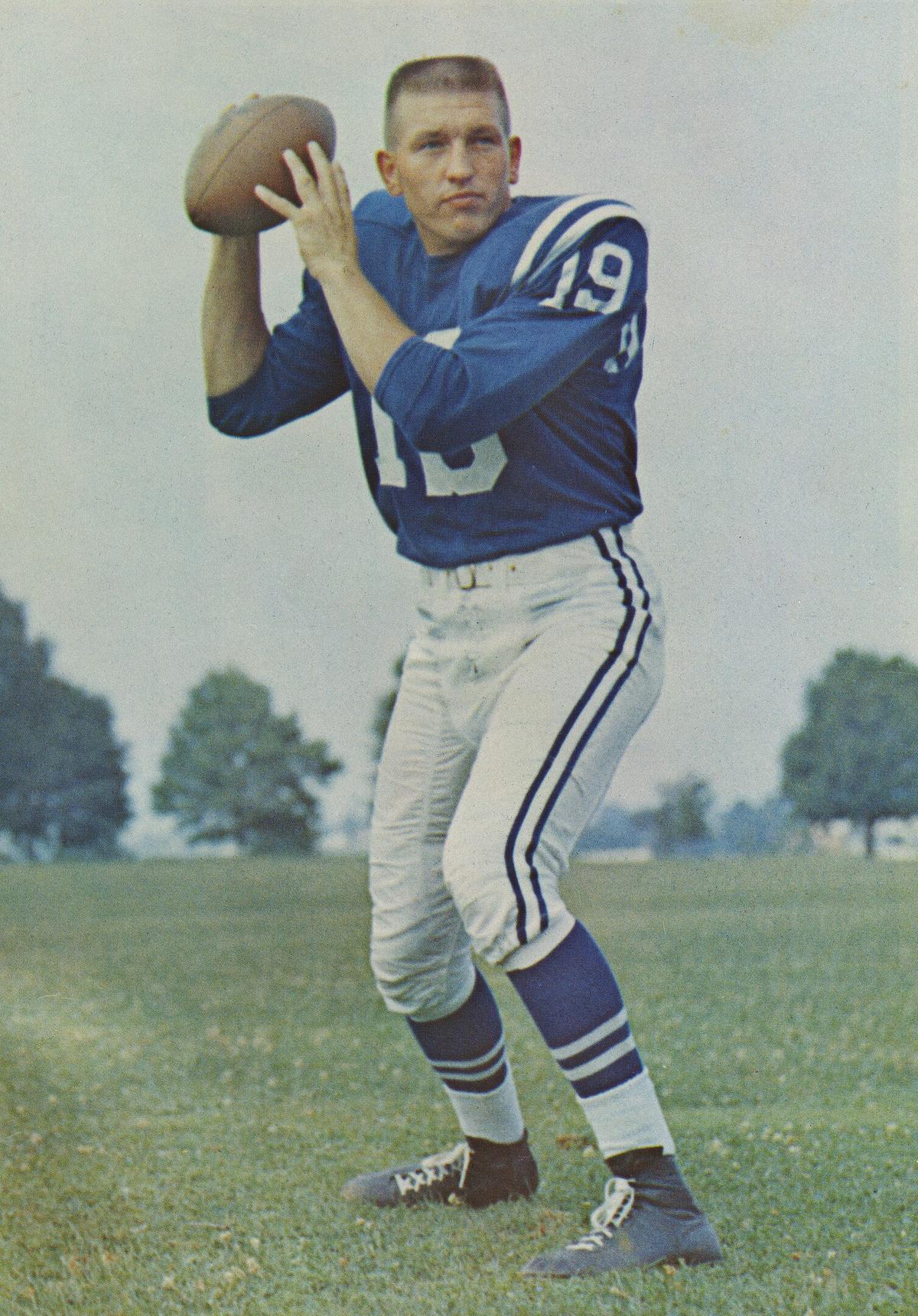
The Colts were led by quarterback Johnny Unitas, who would prove why he was considered arguably the game’s best passer. For the Giants, Huff’s ferocity would prove why he was one of the most feared defensive players in the game.
Almost immediately, the Colts and Giants showdown seemed to come down to Unitas versus Huff. On the Colts opening drive, Huff sacked Unitas, causing a fumble, leading to the Giants’ recovery. The Giants spoiled the opportunity by fumbling on its opening down, giving the ball back to the Colts. Unitas responded to his chance at redemption from the previous drive with a 60-yard pass to wide receiver Lenny Moore. When the team settled for a field goal, Huff broke through the offensive line and blocked the kick.
The Giants scored first: a field goal by Summerall. Two lost fumbles by Giants running back Frank Gifford, however, led to two touchdowns by the Colts, including a 15-yard touchdown pass by Unitas. The first half had been sloppy at best, with six turnovers. Nonetheless, the Colts entered halftime with a rather commanding 14-3 lead. But the Giants’ season was known for comebacks, and the team set out to do just that.
Another Giants Comeback
In the middle of the third quarter, Baltimore looked to try to put the game away. With only 4 yards to reach the end zone and four downs to do so, the idea of a 21-3 lead seemed insurmountable.The league’s best defense proved their worth, somehow keeping the best offense out of the end zone. The tide was turning, and within that tide was another Giants miracle.
On third down at the Giants’ 13-yard line, the Giants called for a play action pass. Quarterback Charlie Conerly faked a handoff, turned around and just before being tackled by a lunging 6-foot 4-inch 244-pound Gino Marchetti, Conerly tossed a 22-yard seam to Kyle Rote. Rote broke one tackle and then another, continuing to run for 30 yards. As had become a theme for the Giants, when Rote was tackled, he fumbled the ball. The ball rolled, awaiting a Colts or Giants player to corral it. Never giving up on the play, the Giants’ Alex Webster had been trailing Rote and steamed past the downed Rote and Colts’ defenders to snag the ball and rumble toward the end zone, finally being tackled at the one.
The 86-yard play breathed life into the Giants, who capitalized on it with Mel Triplett’s rushing touchdown. In nearly one fell swoop, from the Colts’ missed scoring opportunity and the Giants’ big play, it was a 14-point swing. Instead of 21-3, the score was now 14-10.
The Unitas-Berry Connection
The Giants appeared to be the team of destiny. The stars seemed to have aligned for them, enabling them to play on their home turf for three consecutive crucial games. The first two had gone their way, and a third and final victory seemed in the offing. Unitas and the league’s best offense, however, had different plans.With less than two minutes left in the game, the Colts began on their own 14-yard line. They had a long way to go.
The Colts defensive players could only watch along the sidelines, hoping for their own miracle. Luckily for them, Unitas was up for delivering one. The Colts quarterback completed an 11-yard pass to Lenny Moore for a first down. After an incomplete pass, Unitas decided to rely on his most dependable receiver: Raymond Berry. Berry was one of the game’s best receivers and the season’s second leading receiver in total receiving yards. On three consecutive plays, Unitas connected with Berry for a total of 62 yards.
With a mere seven seconds left in the game, down by three, the Colts could not take a chance at trying for a touchdown, especially against a defense that had held them scoreless the entire second half. The Colts sent kicker, Steve Myhra, to tie the game. Myhra’s kick split the uprights. The game was tied 17-17. The nearly 65,000 fans and the approximately 45 million viewers who had tuned into NBC to watch the game, among them President Dwight D. Eisenhower and Vice President Richard Nixon, were about to witness history.

An NFL First
The 1958 NFL Championship Game the first ever playoff game to go into overtime. This overtime was sudden death, meaning whoever scored first won. The Giants won the coin toss and chose to receive the ball. The Colts defense, which was actually the league’s second best, held the Giants to a three-and-out, forcing them to punt.The Colts began their drive at the 20-yard line. Unitas, despite being sacked once during the drive, was able to keep the Giants defense off-balance. When the defense anticipated a pass, Unitas called for a run, and when they anticipated a run, the quarterback would find an open receiver.
‘The Greatest Game Ever Played’
Upon the conclusion of the game, NFL Commissioner Bert Bell told reporters “it was the greatest game” he had ever witnessed. The sentiment was apparently universal.Sports Illustrated writer Tex Maule believed he had witnessed a historic moment as well, entitling his article “The Greatest Game Ever Played.” Editor Andre Laguerre, however, replaced “Greatest” with “Best.”
However it was phrased, the 1958 NFL Championship changed the way the game and its players were viewed. The game, with more than a quarter of the U.S. population having watched, boosted the NFL’s popularity past baseball.
A Popular Merger
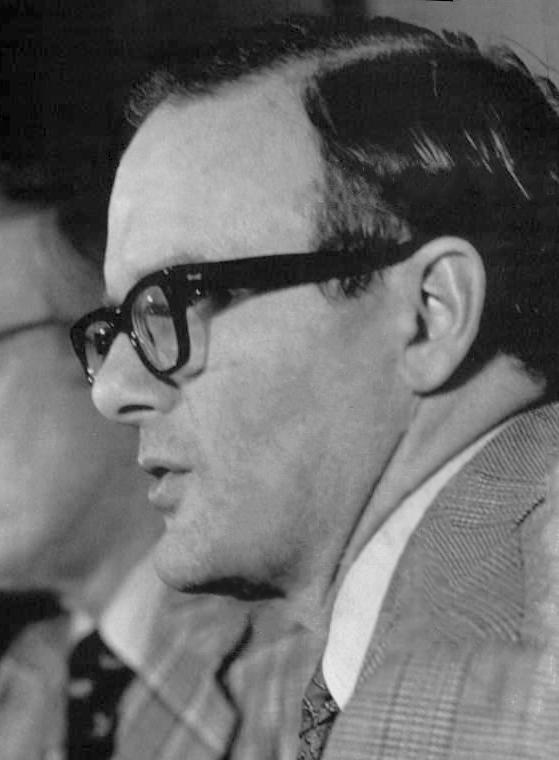
Possibly the greatest impact the game had concerned one man: Lamar Hunt, the son of a billionaire oilman. Hunt had been trying to purchase a franchise in the NFL, but was continually rebuffed. After watching the game, recognizing the excitement it caused, and understanding the value of football’s unmistakable popularity, he decided to start his own league to rival the NFL.
In 1960, just two years after the Giants-Colts game, Hunt launched his American Football League (AFL) with eight teams. For the next decade, the AFL rivaled the NFL for viewership and fan loyalty. Hunt’s personal franchise was the Dallas Texans. Noting the difficulty that came with competing for the market share against the NFL’s new Dallas Cowboys, he moved his team to Kansas City, naming them the Chiefs.
By 1966, the NFL and the AFL agreed to merge, but not until the 1970 season. In the interim, the two leagues played two separate schedules, but the champion of each league played against each other in a game Hunt coined “The Super Bowl.”
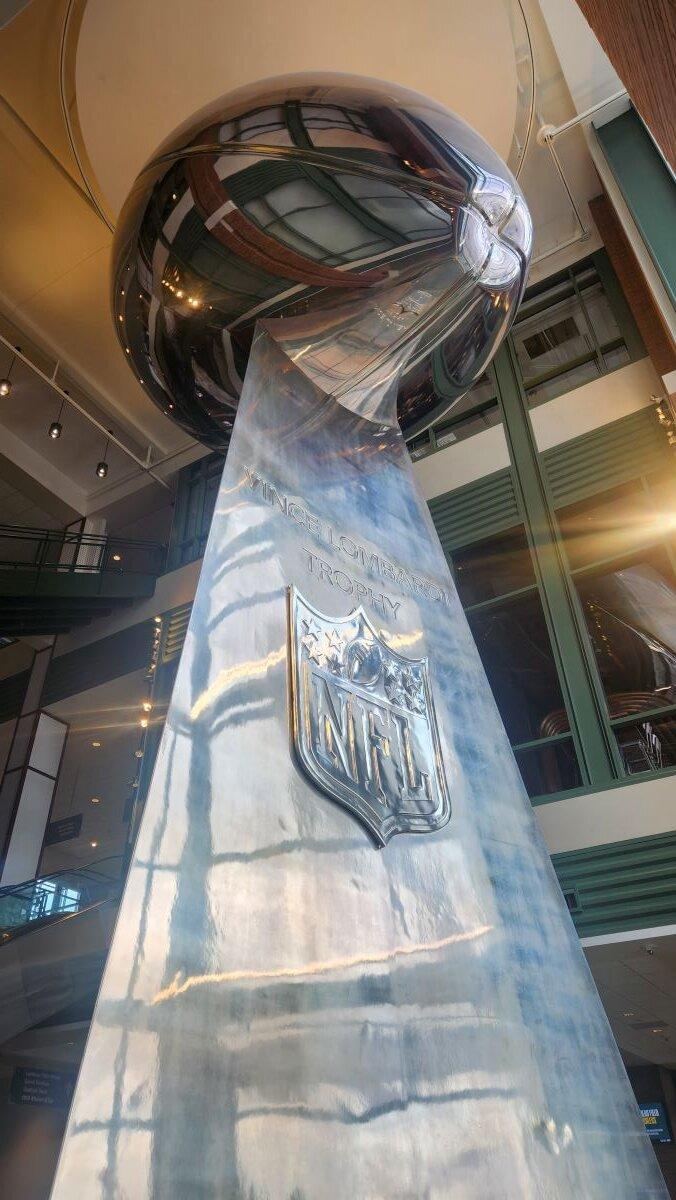
Super Bowl I was played on Jan. 15, 1967 between Hunt’s Chiefs and the Green Bay Packers. Interestingly, the coach for the Packers was Vince Lombardi, who had been the offensive coordinator for the 1958 Giants. Lombardi’s Packers won the first two Super Bowls. In 1971, the Super Bowl trophy was first officially presented as the Lombardi Trophy, a year after the coach’s death. The trophy for the American Football Conference trophy was named the Lamar Hunt Trophy in 1984.
Football remains America’s most popular sport, and it can easily be traced back to what remains considered “The Greatest Game Ever Played.”