The historic play focuses on an ongoing quarrel between two politicians. Like the record-setting temperature from the night of the its debut, the show’s high-energy number, “You’re a Grand Old Flag,” went on to set records of its own.
If it weren’t for a passing conversation between Cohan and a military veteran, the celebrated patriotic marching tune may have never come to fruition.
‘She’s a Grand Old Rag’
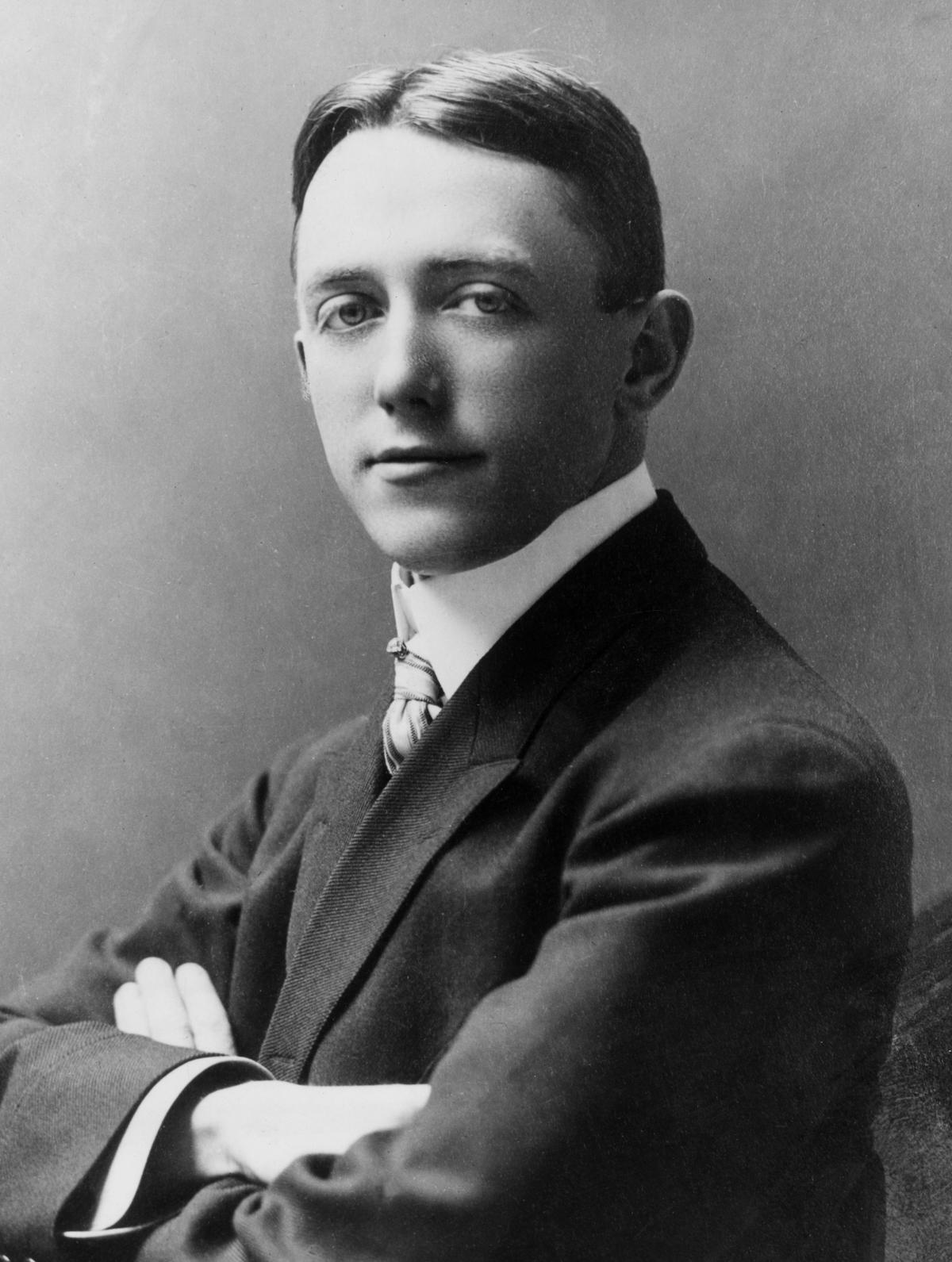
Cohan’s hit song from the play was actually inspired by real life events. One day, he struck up a conversation with an older gentleman carrying around a tattered American flag. After Cohan noticed the care with which it had been folded, the man said to him, “She’s a grand old rag.” As it turns out, the person Cohan had been talking to was a veteran, a Civil War soldier who had fought at Gettysburg.The playwright loved the veteran’s one-liner regarding the flag, and it served as inspiration for the original lyrics to the popular “You’re a Grand Old Flag.” When Cohan first wrote the tune after talking with the veteran, he called the song “You’re a Grand Old Rag” in honor of their conversation.
Renditions of the song recorded before opening night, such as vocalist Bill Murray’s version, included the original lyrics. Though Cohan’s use of the word “rag” was meant to honor the American flag’s war-torn yet valiant history, listeners felt even a well-meaning use of the word was a slight against one of the country’s defining symbols of freedom.
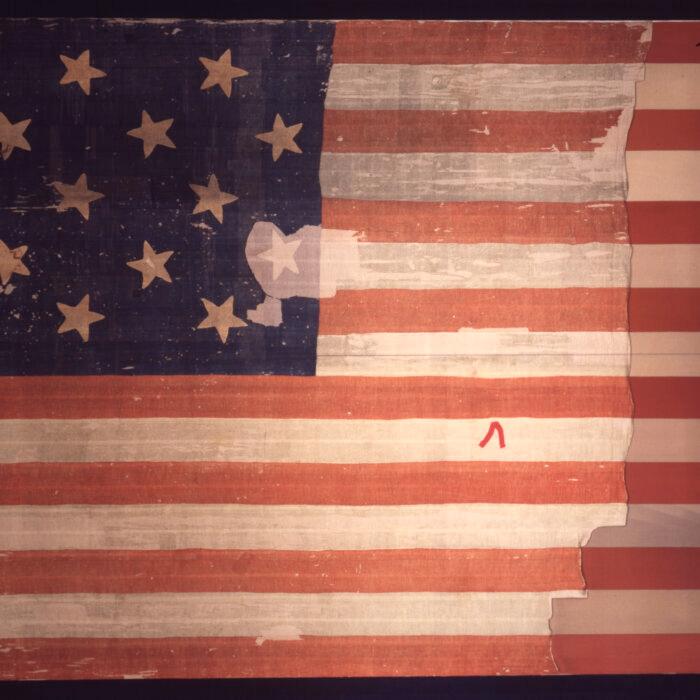
He set about changing the lyrics, but he still tried to include the term “rag” by moving it to different lines in the chorus. Listeners were still dismayed. The old adage goes, “Give the people what they want.” By the time the play debuted, the final lyrics were set.
“You’re a grand old flag/ You’re a high flyin' flag/ And forever in peace may you wave.”
A Cultural Springboard
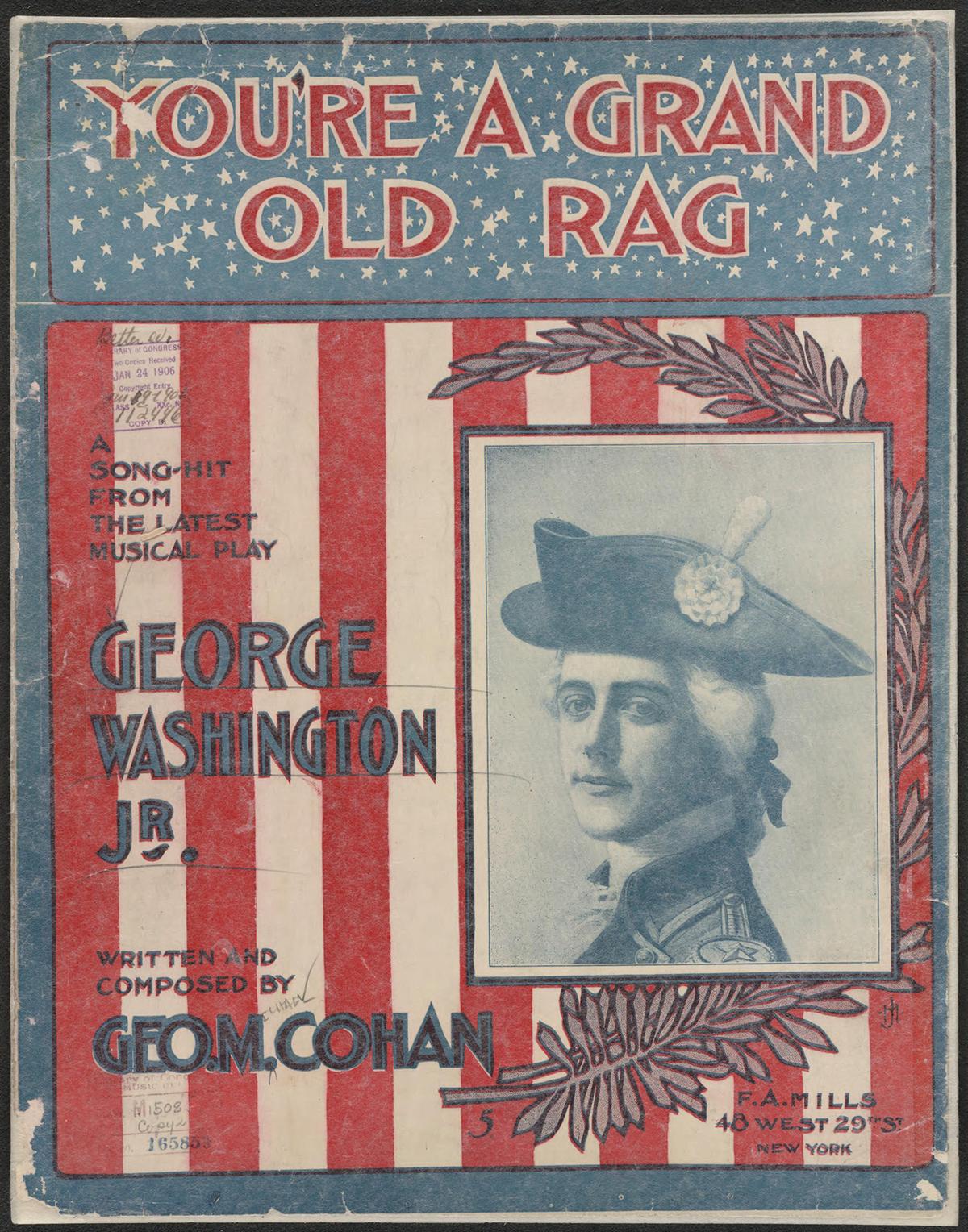
The scene setting up the performance of “You’re a Grand Old Flag” mirrors the conversation between Cohan and the Civil War soldier. In the play, a veteran recites the memorable line, “She’s a grand old rag,” before Cohan kicks off the song, singing proudly and marching back and forth across the stage.Patriotic numbers were popular at the time. Cohan managed to capture the audience’s interest over and again with the music from “George Washington, Jr.” Though James Metcalfe, a reviewer with Life Magazine, called the production a “mawkish” appeal to patriotism, the public felt otherwise. The play ran through the spring of 1906 for a total of 81 shows.
The Song Produces a First
The popularity of “You’re a Grand Old Flag” eventually transcended the play itself. It became one of the American people’s favorite patriotic songs. Today, it ranks among top patriotic anthems like “The Battle Hymn of the Republic,” and “Yankee Doodle Dandy,” another classic by Cohan. It is commonly performed by U.S. military bands, and is especially popular for Flag Day celebrations because the song is viewed as a tribute to the Stars and Stripes.
With the onset of World War I, Cohan’s influence only grew. He went on to write many more patriotic compositions that would inspire love of country, including “Over There,” “When You Come Back,” and “Their Hearts are Over Here.”
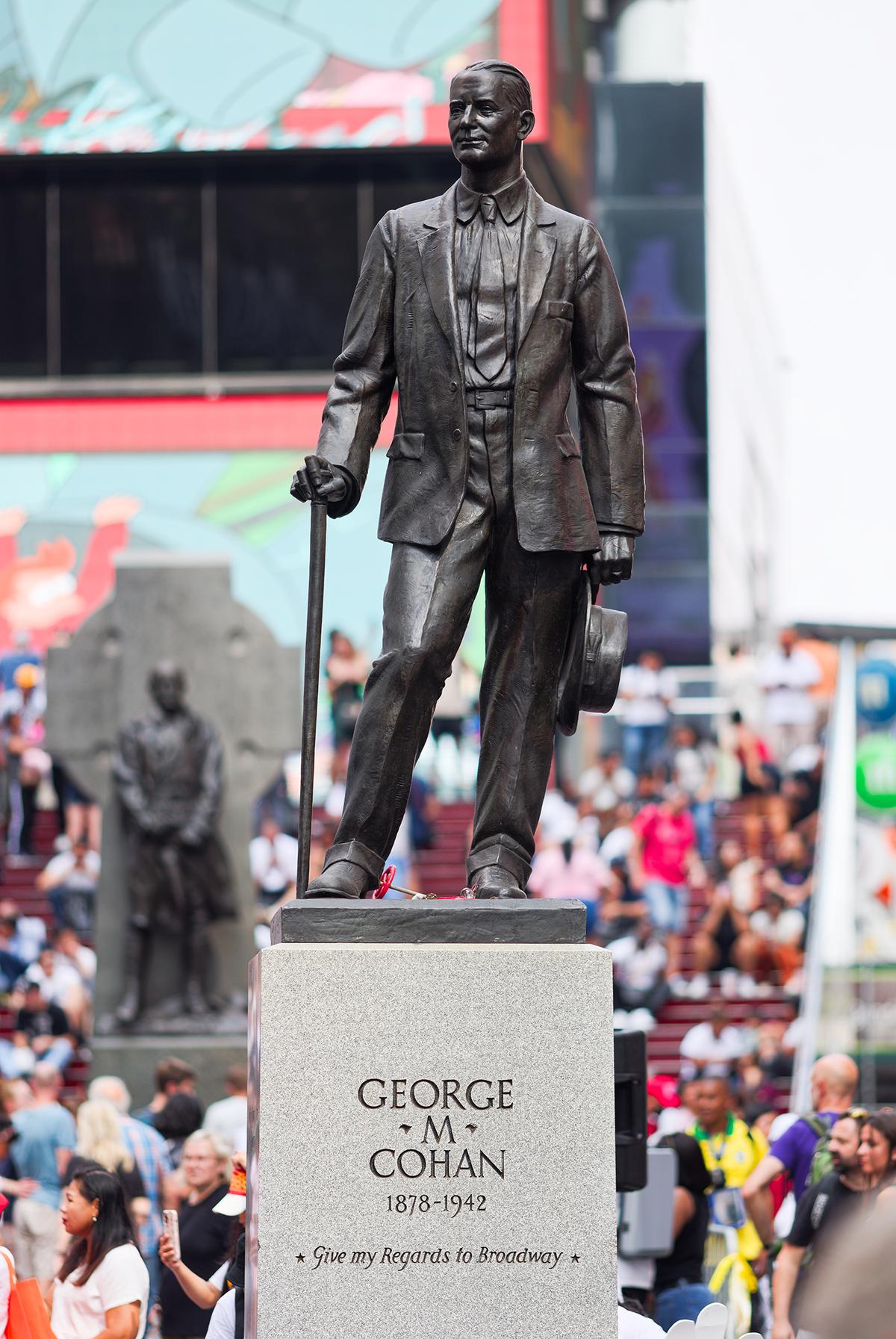
Today, a bronze statue in Cohan’s honor is displayed in Manhattan’s Father Duffy Square in New York City. It pays tribute to an artist and performer so successful in New York’s theater scene he became known as “the man who owned Broadway.”
Cohan remains an inspiring pioneer of the musical genre—and a prolific writer of patriotic songs that continue to inspire fervor among Americans everywhere.