At first glance, my radishes looked marvelous.
Crimson, sprightly, unblemished, about two inches long, the living embodiment of the picture on the seed pack I'd opened two months before. I couldn’t wait to take some to the kitchen and slice them up for a salad.
I should have waited. Forever.
They were woody, worm-tunneled, misshapen, and tasteless.
But I did everything right! Not fair. Planted early, watered often, weeded diligently and ... I got cardboard salad rocks.
Why? Only gardening geniuses can grow radishes. I know that, so I was tilting at windmills, an almost annual enterprise for home growers. Each year most gardeners indulge in one cockamamie adventure. I’ve tried watermelons, radishes (five times), fennel bulbs, beefsteak tomatoes, honeydew melons, blueberries, and, sigh, olives. I wanted them to survive, but an unusual arctic cold front sent them to the land of frozen dreams.
I’ve learned reality on the street of hard knocks. Beware the cheery optimism you find in seed and nursery catalogs: “Anyone can grow watermelon with a little preparation.” Yeah, anyone can win the Powerball lottery, too.
“Tell it like it is,” Aaron Neville sang. Here’s a no-nonsense difficulty guide to common garden vegetables and flowers.
Easy-Peasy Plants for All
Beans: Few crops are as user-friendly as beans, especially the older heirloom varieties such as Blue Lake, Provider, Fortex, and so on. Ordinary soil is fine, since they aren’t as thirsty as most vegetables for water and attention—they’re the perfect beginner vegetable. I find wax beans and color variants such as purple and pink lacking in quality, although they are (as advertised) easy to pick. Mostly I grow old-fashioned green beans, and they freeze wonderfully.
Lilies: Get good quality bulbs, plant them deep in decent soil, water thoroughly in midsummer, and these premier bouquet flowers will not only populate your dining room table, but also multiply themselves rapidly. They’re so fancy that they seem like they'd be fussy—but they’re not.
Potatoes: Bury the potato pieces eight inches deep in rich soil, water, and mulch ... presto! New potatoes eight weeks later, a mature crop in three to four months. Bonus: The best place to store them is the ground they grew in.
Kale: Kale’s culinary moment came and went about 15 years ago—but its garden value remains high. Seeded in May or September, the plants resist bolting and even overwinter in climates in which temperatures stay above 10 degrees Fahrenheit. When the plants do bolt, the young flower stalks are a superb vegetable similar to broccolini, only you didn’t pay $6 per pound at the store.
Chard: One of the hardiest, most reliable, and most useful vegetables of all. They adapt to mediocre soil, can stand a little drought, and last far past the first frost. They are great for greens, but their mature stems also make an admirable kitchen substitute for celery, which is exceptionally difficult to grow.
Zucchini: Plant this garden icon, stand back, and don’t sneak the excess inventory onto your neighbor’s porch—so goes the legend. The ease of production is accurate, and zucchini’s only real challenge is space. Three feet per plant, and please disregard claims otherwise for “compact” varieties. I solve the problem by growing an Italian vine variety, Tromboncino, up a six-foot trellis. You can also disregard the admonition that they must be picked young and small ... hogwash. An 18-inch zucchini cooks up just as well in all uses as a six-inch one.
Columbines: Plant just one columbine, let its cheery lantern flowers brighten the garden in May, and its seeds will thereafter spread across the garden and you'll have ’em the rest of your life.
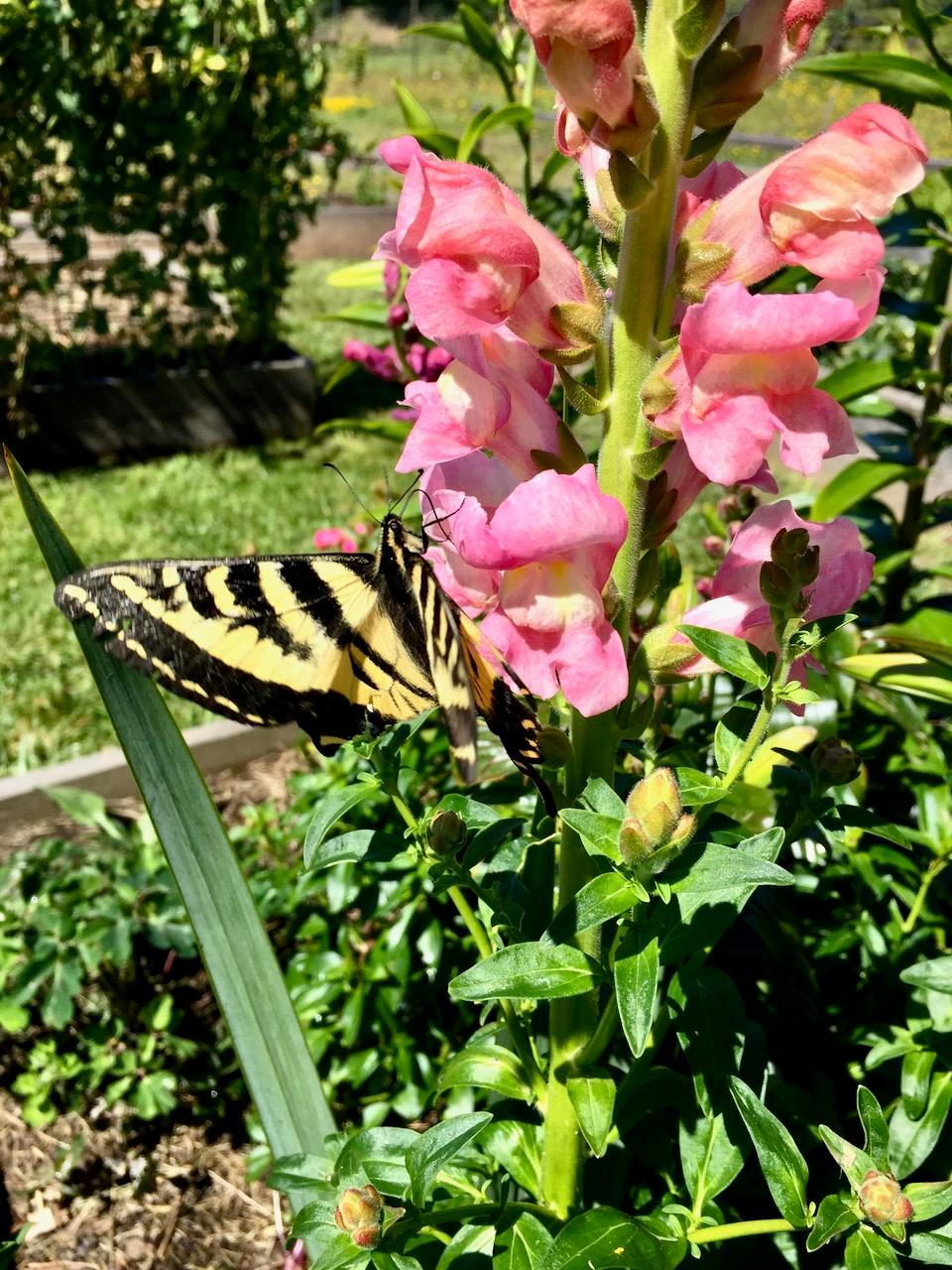
Snapdragons: Same as for columbines. These garden stalwarts bloom in June, bloom again in August, then spread seeds that sprout tiny plants that will overwinter and bloom next May. Plant a couple of kinds and they will cross and create your own proprietary hybrids.
Middle of the Road
Sweet corn: Lots of water, reasonably fertile soil, sun, and at least 100 days to ripen. Got all that? You’re in business. There are shorter-season varieties, but I find the flavor humdrum. The classic, big, golden Midwestern varieties can take up to 120 days, but corn in October is a late season delight.
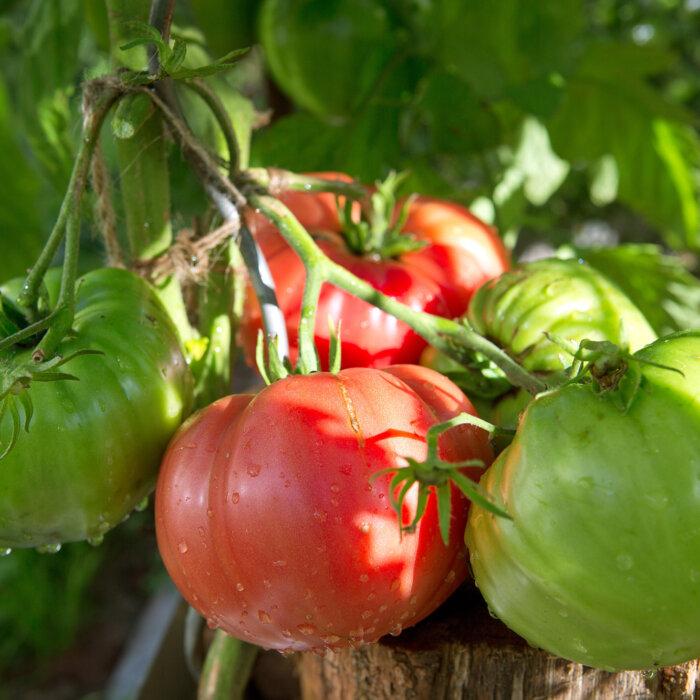
Tomatoes: See corn, above. I don’t buy the advice that curtailing water ripens fruits faster—when I tried it, I noticed no greater haste, and the tomatoes were puny and flavorless. Sungold is the most robust early-bearing variety, has superb flavor, and actually could be in the “easy” category. I’ve grown Sungolds eight feet tall in a cage.
Carrots: Deep soil makes better carrots. Don’t slack water late in the season or you'll get woody roots. Yellow varieties have the best flavor.
Beets: See carrots, above. People who say they don’t like beets have never had good ones cooked well—I grow golden beets and chioggia, an heirloom Italian wonder. Both are extravagantly flavorful, just steamed with a little butter.
Lettuce: The key is that when seedlings first emerge, they can’t wrestle with dry soil. Midsummer heat can be mitigated by frequent watering. Romaine is the most robust.
Chili peppers: Warmth is needed for hot chilis, but even more essential is lots of water. Season length and heat requirements are generally less than for bell peppers, which are substantially different vegetables. It’s possible to grow chilis by seeding directly to the ground in mid-May.
Zinnias: Sun, sun, and more sun—that’s what zinnias need. Seeded directly to the garden in May, zinnias are the mainstays of August/September bouquets. I get the best flowers from California Giant.
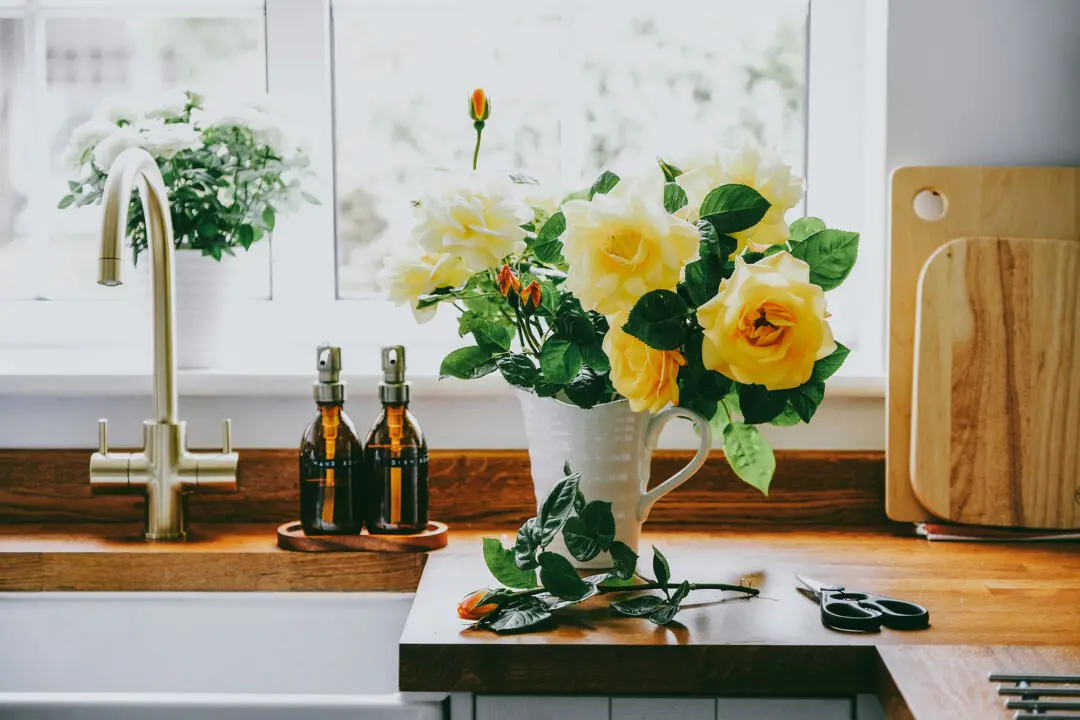
Roses: The most famous flower of all is demanding about one thing—good drainage. Wet feet kill a rose, and I can testify to that after trying a couple in spots that are saturated all winter. Otherwise, they need a healthy dose of water twice per month. If pruned diligently, they will provide three bloom times in most of the United States: May/June, late August, and October.
Graduate-Level Things to Grow
Broccoli, cauliflower, Brussels sprouts, kohlrabi: These are closely related members of the cole family, and the term often applied to them is “heavy feeders”—they must have rich, high-nitrogen soil. Think of them as the King Henry VIII of vegetables. A lesser-known problem is their high appeal to pests, such as the notorious cabbage worm that clear-cuts the plant’s roots underground. This is born of a beautiful, small, white, porcelain-like moth. When you see these fluttering around your cole crops, my friends, despair—three weeks later your beautiful broccoli will plop over in a light breeze like confetti in a parade.
Melons: Heat, water, long growing season. That’s what it takes. Is this song getting familiar?
Cucumbers: Same as melons. I grow lemon cucumbers, whose flavor beats that of all the green kinds. Tricky but awesome.
Bell peppers: You want the shiny, large, brilliantly hued items you see in the grocery store. If that’s what you want, see the listing for melons.
Pumpkins: What’s needed for these is a lot of space, even more than zucchini, along with the factors above for melons and peppers.
Post-Graduate Puzzles
Radishes: Plant seeds in early spring when the soil is cool, damp, and subterranean root raiders are aborning, ready to strike. Cold weather inhibits germination, then stalls the high-speed growth needed for good results. But hot weather turns them into lumber. In a half-dozen tries I’ve grown only a half-dozen decent radishes.
Okra: This southern staple of African origin requires immense heat, a long growing season, fertile soil, and ample water. To that, the vast majority of gardeners would say, “So what?” Who wants to grow these slimy, green cardboard tubes? I happen to love pickled okra, but here in the maritime Northwest there is no hope, none. Alas, even for Southern gardeners, it ain’t easy. Heat, time, heat, water, time, all in the correct order and proper schedule.
Eggplant: They are related to tomatoes but distant horticulturally. See okra, above ... heat and time.
Celery: Seed companies claim that this grocery store stalwart is fairly easy to grow. Sure it is—if you have a five-month season, never let the soil dry out, and are willing to carefully put rubber bands around the plant to make the tight heads similar to the ones you buy. If you want the store types’ pale green color, you have to blanch it by placing a sack over the plant the last two weeks before harvest. It’s the ultimate high-maintenance vegetable, even worse than melons. Do all that, and the result is brag-worthy, like running a marathon.