According to Publishers Weekly, “the bible of the book business,” the increase in published books in 2025 was fueled by self-published works which increased to 3.5 million from 2.5 million books in 2024. This is a nearly 40-percent increase in just one year. This figure includes hybrid publishers, a convenient middle ground between big publishing houses and those who take on each step (and cost) of the process to being a published author.
With this trend, it might be good to ask: Why are authors going this route? What are the upsides and downsides to it?
Finding the Right Fit
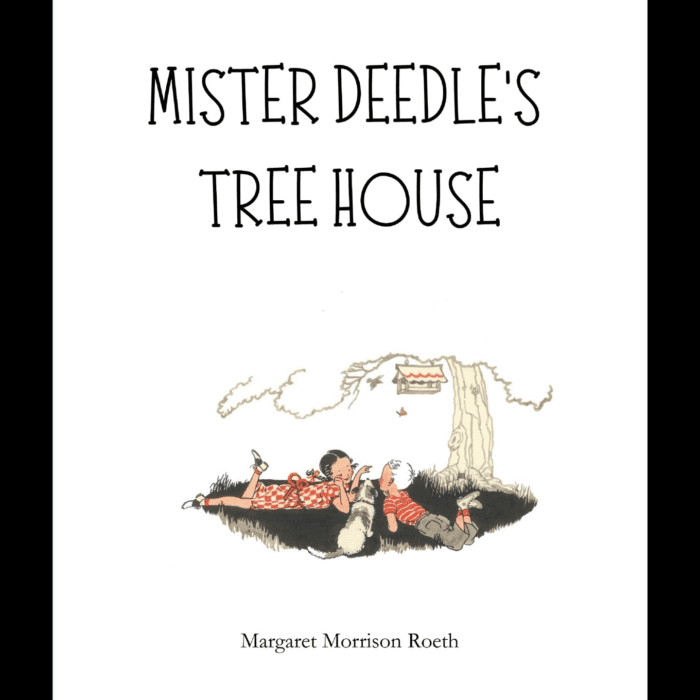
Holy Heroes is a family-owned company formed by Ken and Kerri Davison in 2007 with the goal of “bringing the joy of the faith to families.” The small business started out selling online products and books, and they have now gone into book publishing as well.Retired school teacher Ann Mulligan discovered Holy Heroes in her quest to find the right publisher for her book. The recently released “The Belles of Lake Leelanau” is based on a true story from 1933 of baby Irene, who had difficulty taking her mother’s milk. The uplifting story shows how her grandmother and a cow named Gladys saved the day.
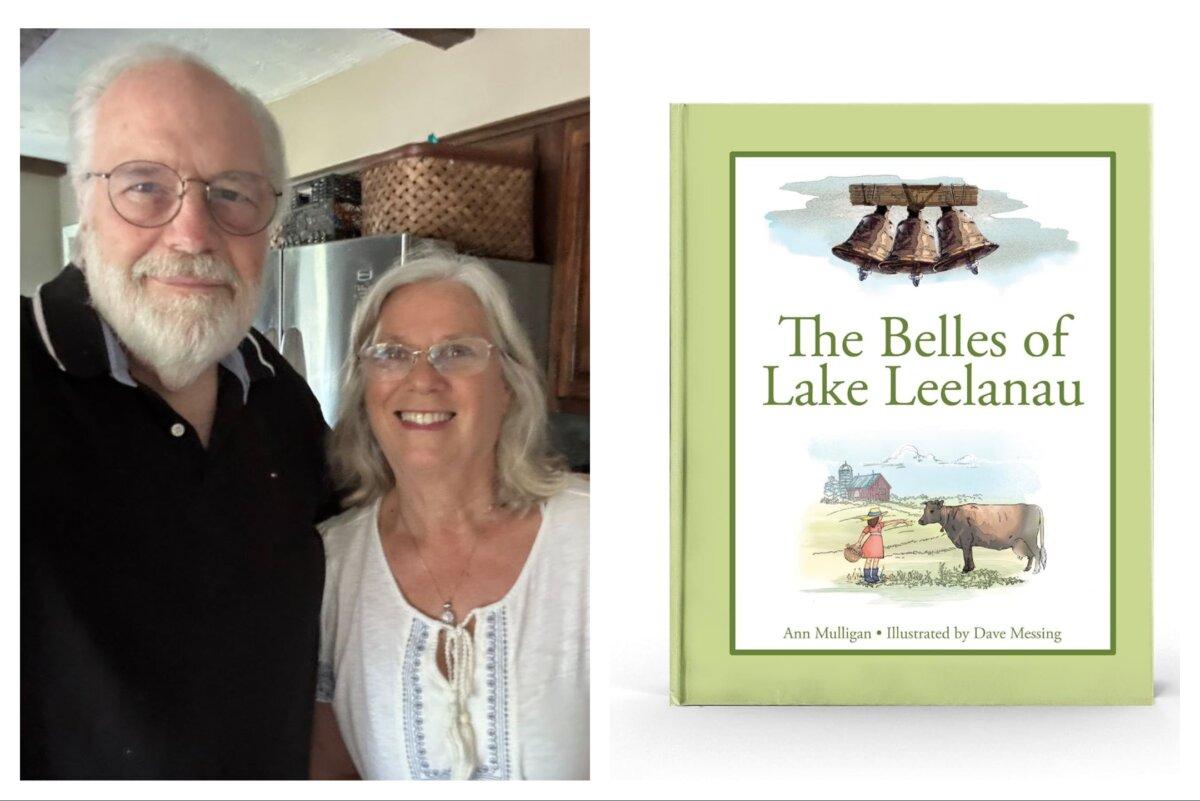
(Left) Illustrator Dave Messing worked closely with author Ann Mulligan to create the beautiful illustrations found in "The Belles of Lake Leelanau." Courtesy of Ann Mulligan
Initially, Mulligan looked into self-publishing because she had a vision on how she wanted the books illustrated. She had already been working with an artist for a year, but the process to self-publish was confusing and daunting. She tried to go with a traditional publishing house but quickly realized that these big corporations had certain criteria or works they were looking for. Apparently, “The Belles” did not fit their criteria—and, to Mulligan’s dismay, they preferred using their in-house set of illustrators.
So Mulligan continued with her internet search and came upon Holy Heroes. “I emailed them, and, in no time at all, I got a personal response,” Mulligan elaborated in an email to the Epoch Times. “They listened to my ideas and improved my work where necessary.”
As a small business, one of the challenges Holy Heroes faces is how to keep costs low. Clara Davison, who handles the company’s marketing efforts, explained in an email, that although most publishing houses—big and small—opt to have their books printed overseas, Holy Heroes chose to go with a local printer. “While this means footing a higher bill than our competitors, we still price our books at industry standards, resulting in much smaller margins.”

Despite lower earnings, Davison finds comfort and reassurance that the family is doing the right thing. “Adhering to our family conviction to support U.S.A. jobs and industry is worth it.”
And what of the illustrations? Mulligan got to keep her preferred artist, Dave Messing, who, when first given a copy of the finished product, was impressed with the quality of the paper used and the vibrant colors that came close to the originals. It is a testament to author input and American-made products.
Author Ownership
Another author who went with a small publishing company is Carolyn McBee, who wrote the children’s chapter book “Hoodwinked: A Deer Mouse Tale of Courage,” The book is about a deer mouse who finds himself far from home and needs to find courage and help from other creatures to make his way home on Farmer Lee’s property.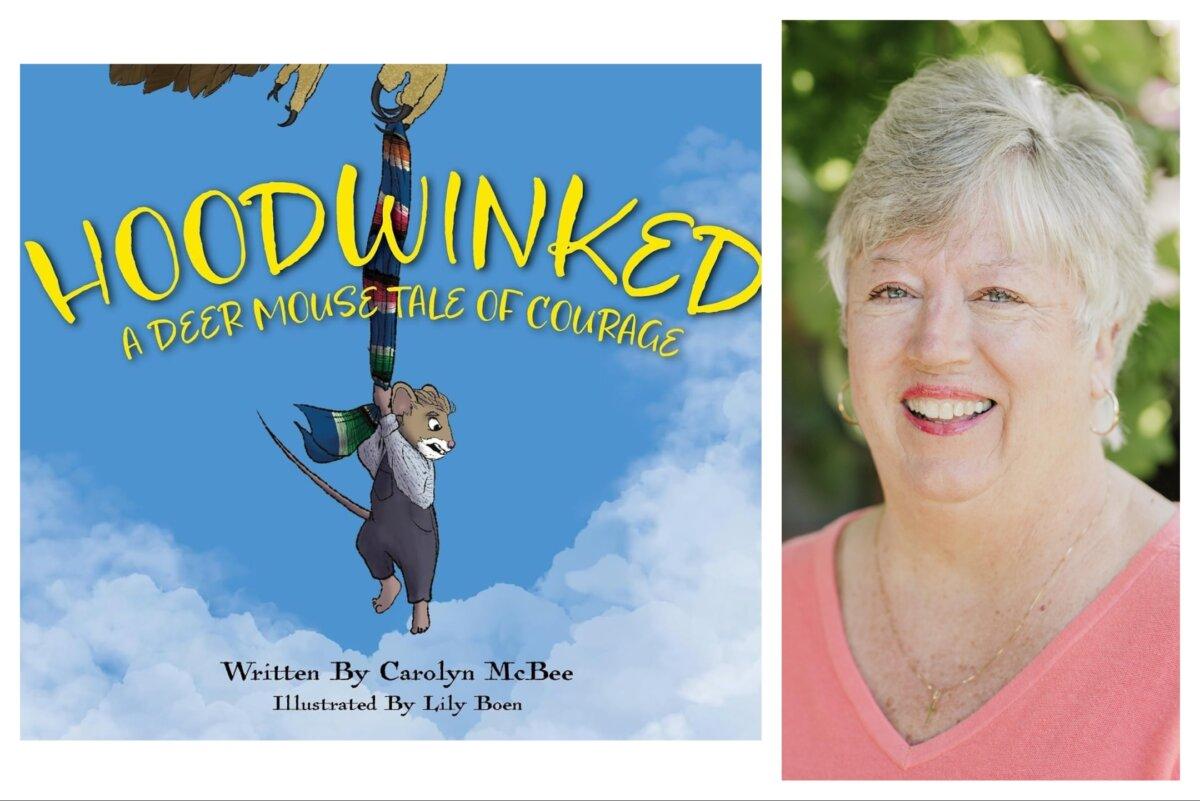
Author Carolyn McBee also worked closely with Lily Boen to create the illustrations which grace each chapter of her book, "Hoodwinked." Courtesy of Carolyn McBee
McBee decided to veer from traditional publishers because they “get so bogged down in control. … They want to change the names of the characters to make them more diverse, or they suggest … the vocabulary be dumbed down.”
She wanted to “maintain ownership” of her book, and she found it when she went with Morgan Pierce Media & Publishing, a professional hybrid publisher. “My publisher was quick to respond to my story and seemed to truly love what I had written,” McBee concluded.
Sharing a Message
Paula Dahlke, another author from the Morgan Pierce stable, first released “The Perfect Color” as a self-published book. It is about the story of the Creation with the participation of her main characters, Red, Blue, and Yellow, in coloring the world. Their challenge is to find “the perfect color” for God’s “grandest creation.”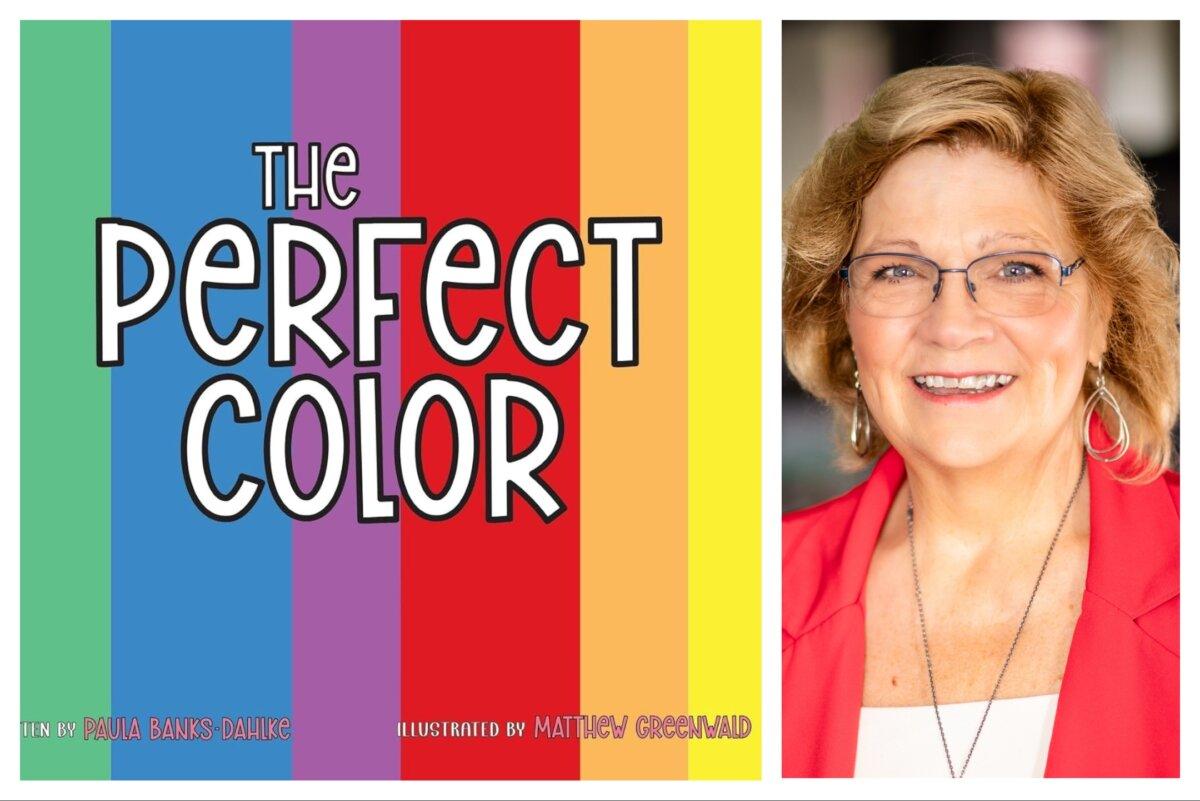
Author Paula Dahlke wanted to impart simple truths in her children's book "The Perfect Color." Courtesy of Paula Dahlke
In Dahlke’s letter of introduction to The Epoch Times, she explained that she wanted to share “a message that … is so basic that a child can understand and yet an adult can complicate.”
Dahlke did try the traditional publishing route, but before she could even do that, she needed a literary agent. There were no takers. And, when Dahlke tried to self-publish, she got lost in the process.
In going with a hybrid publisher, she felt guidance throughout each stage of the process. “[I] had an advocate working on [my] behalf to increase the likelihood of [my] success,” Dahlke recalled of her experience with Morgan Pierce. And Sandra Morgan, co-owner of the publishing house, recognized the message Dahlke wanted to impart in her book “and never once tried to compromise it.”
Community Connection
Another writer, Janet Werner, is commemorating the 40th anniversary of her diagnosis for multiple sclerosis this year. She wanted to find a way to educate young people about this often misunderstood disease. As a former schoolteacher, she reached out to her former student, who agreed to do the illustrations for her books.Werner was then referred to a publisher through the Long Island Writer’s Guild of which she is a member. Her books, “A Pear in An Apple Tree: A Journey With Multiple Sclerosis” and “Mommy Is Mizzy: Understanding Multiple Sclerosis,” are published by Walter E. Harris of Allbook Books.
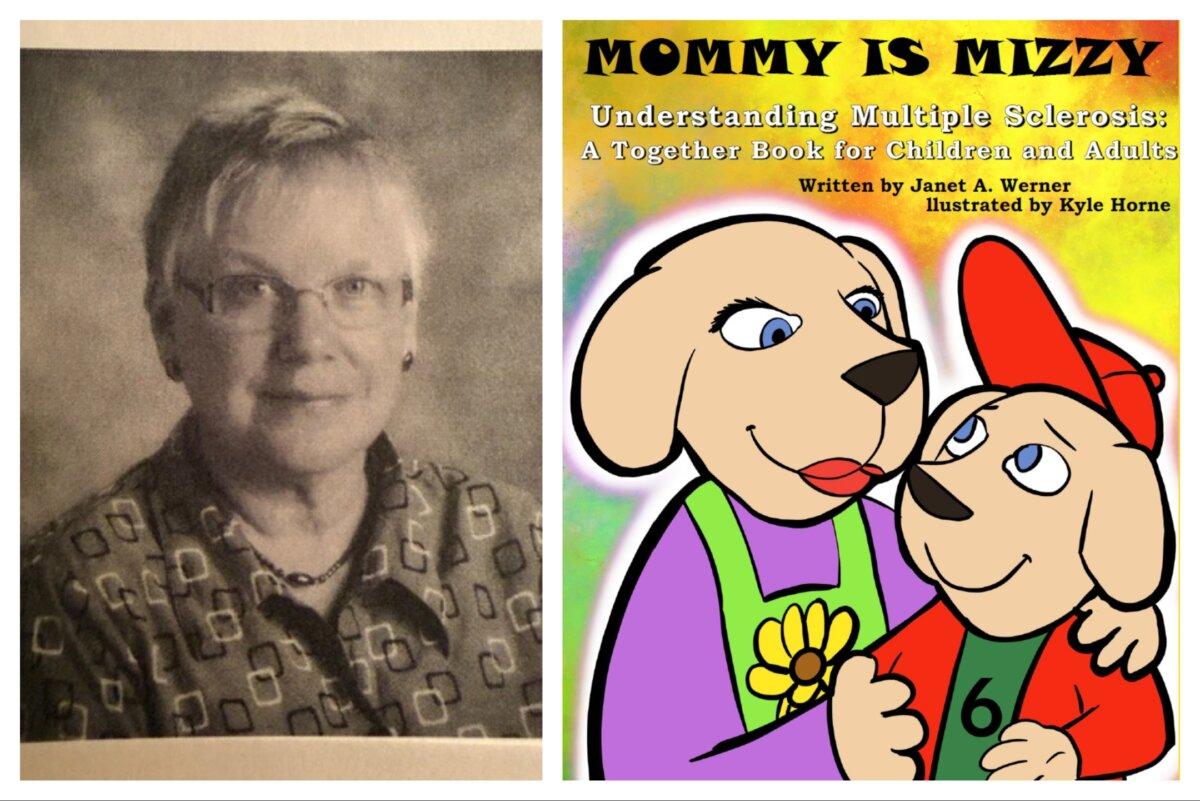
(Left) Author Janet Werner envisioned a book that will help explain multiple sclerosis to children. (Right) Her book, "Mommy is Mizzy," combines story telling and coloring and activity pages. Courtesy of Janet Werner
Tapping into her local community was a win-win for everybody. “I like to support local businesses,” Werner stated in an email. “Some of the larger companies are expensive and take a good percentage of the profits,” the writer explained candidly. “I have built up a nice community following and may call upon larger companies in the future. But for now, my working relationships with the publisher and the community have been very positive.”
Quality Versus Quantity
But without the experience and financial backing of big publishing houses, won’t the quality of published books released suffer as a result?Chrissy Bernal, book publicist for Be a Better Brand, weighed in: “Many people discredit books published by hybrid publishers because the author pays to have the book published. However, reputable hybrid publishers protect their name as carefully as any traditional house. The author doesn’t get accepted just because they pay.”
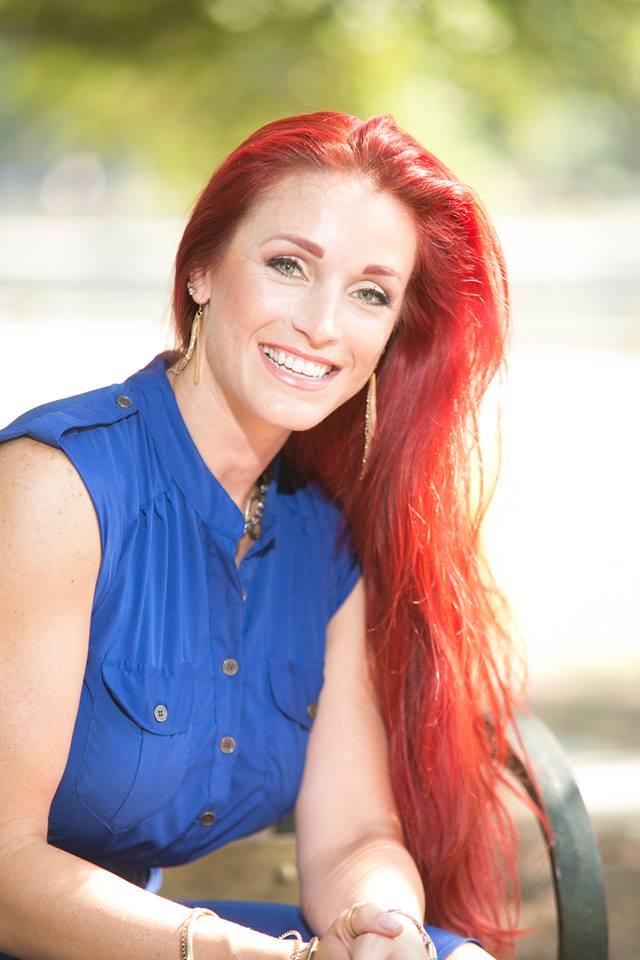
Chrissy Bernal handles publicity for Morgan Pierce Media & Publishing. Courtesy of Chrissy Bernal
So which route should one take? Bernal stated in conclusion, “There’s always a trade-off. Traditional publishing trades control for distribution reach. Hybrid publishing trades cash upfront for retained rights and a faster timeline. The right choice depends on which trade an author can actually live with.”
It seems Mulligan, McBee, Dahlke, and Werner can live with their choices.
What arts and culture topics would you like us to cover? Please email ideas or feedback to [email protected].