Today, America’s national anthem, “The Star-Spangled Banner,” is sung in unison by sports fans across the country each year. It’s often considered the nation’s most-famous composition. On each patriotic holiday, whether Independence Day, Presidents Day, or Veterans Day, the song is on the minds of countless citizens as they fire up the grill, take in a fireworks show, or enjoy an extra day of rest.
The song has become a lasting symbol of American values like bravery and freedom, but its origin story is murky due to writer Francis Scott Key’s elusive nature when he published the composition.
A Poet, Not a Songwriter
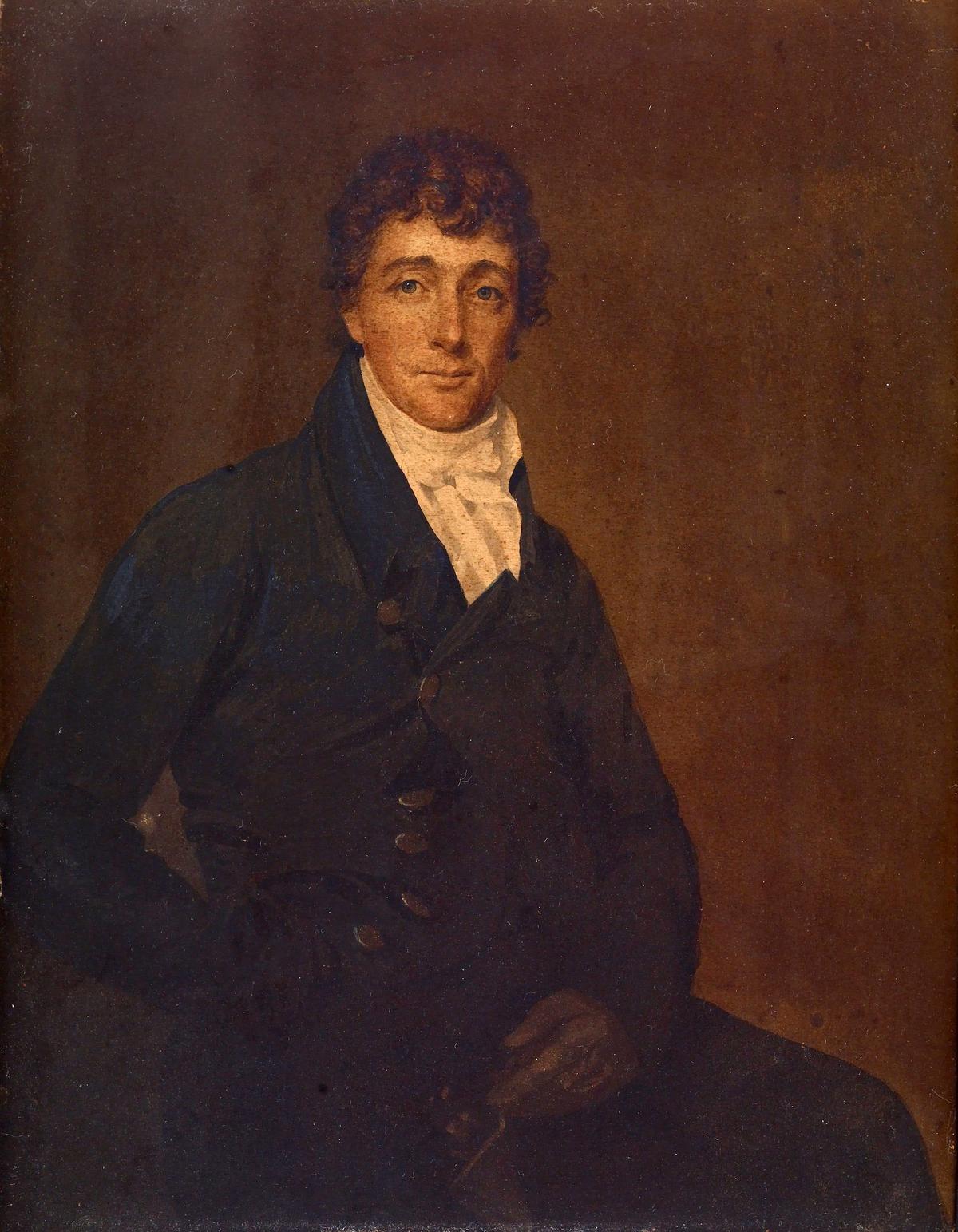
Though Key is credited with writing America’s national anthem, he didn’t consider himself a songwriter. He was an amateur poet. The few preserved poems written by Key focus on two popular themes of the time, love of country, and a devotion to faith.
Lord, with glowing heart I'd praise Thee, For the bliss Thy love bestows, For the pardoning grace that saves me, And the peace that from it flows:
In 1857, a collection of his poetry was published posthumously. “Poems of the Late Francis S. Key, Esq.” celebrates the patriotic and artistic contributions he made to America’s foundational canon of artistry. Included in the collection is his most famous contribution, “The Star-Spangled Banner.”His Poetry Was Musical
Though Key was a poet, his poetry could easily be paired with melody because it was written with form in mind. As opposed to today’s popular free verse style, his poems were more structured. Each verse often contained the same number of lines, adding a rhythmic element to the pieces. He also used rhyme schemes, making it easier to transform his poems into melodic verse.Key Was a Prominent Washington Attorney
While Key is best known for penning “The Star-Spangled Banner,” he was actually a lawyer by trade. In September 1814, as effects of the War of 1812 continued, he was summoned by President James Madison to assist in a negotiation for the release of Dr. William Beanes, who was captured by the British over the summer during the burning of the White House and other historic landmarks.
Successful negotiations took place off the coast of Baltimore, Maryland, in a ship belonging to the Royal Navy. As talks came to a close on Sept. 13, British war ships struck Baltimore in an attempt to seize control of the territory. During what’s known as the Battle of Baltimore, Key spent hours listening to bombs and artillery fire while aboard a ship not taking an active part in the siege.
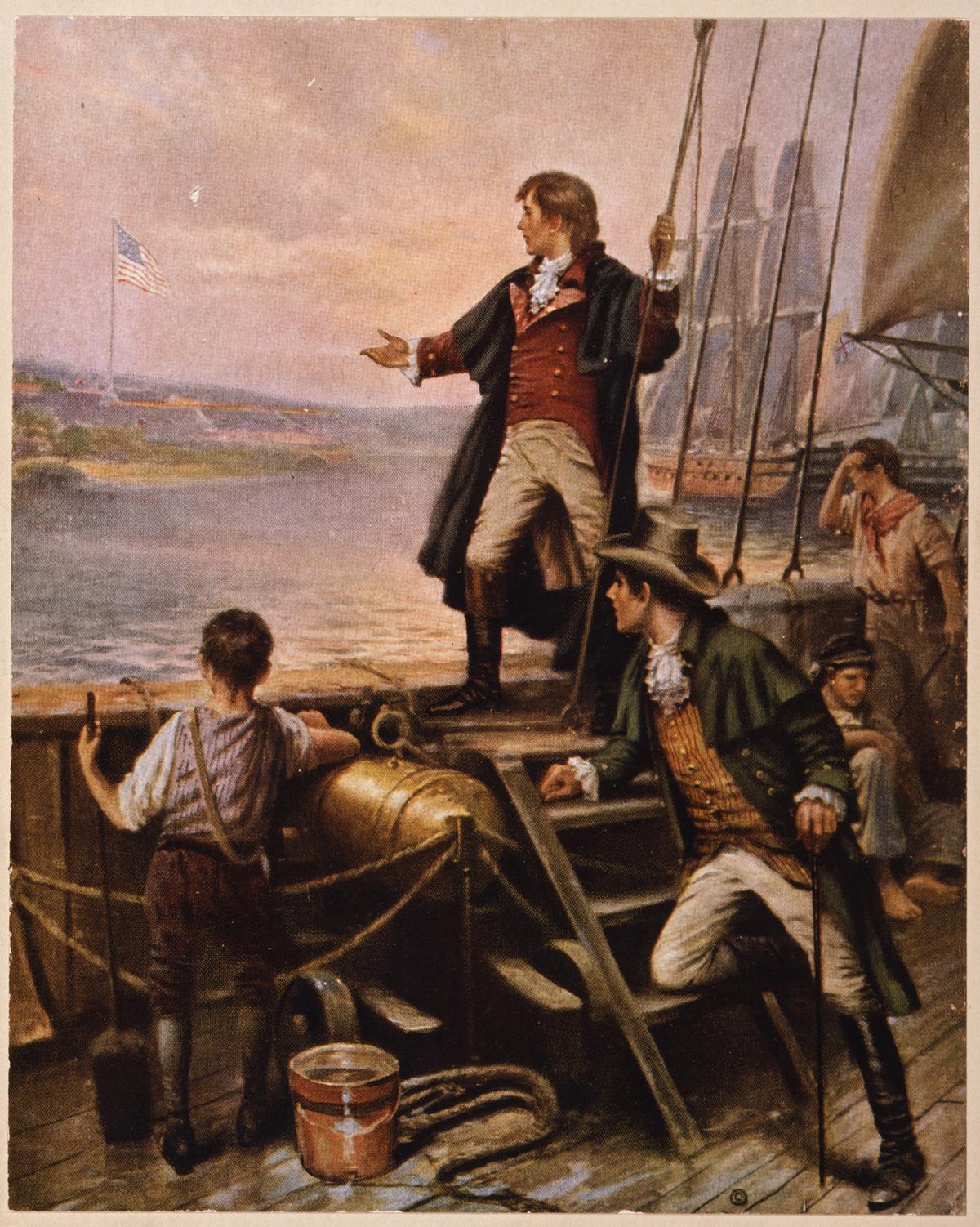
British forces didn’t allow him back on American soil until the conflict was over.
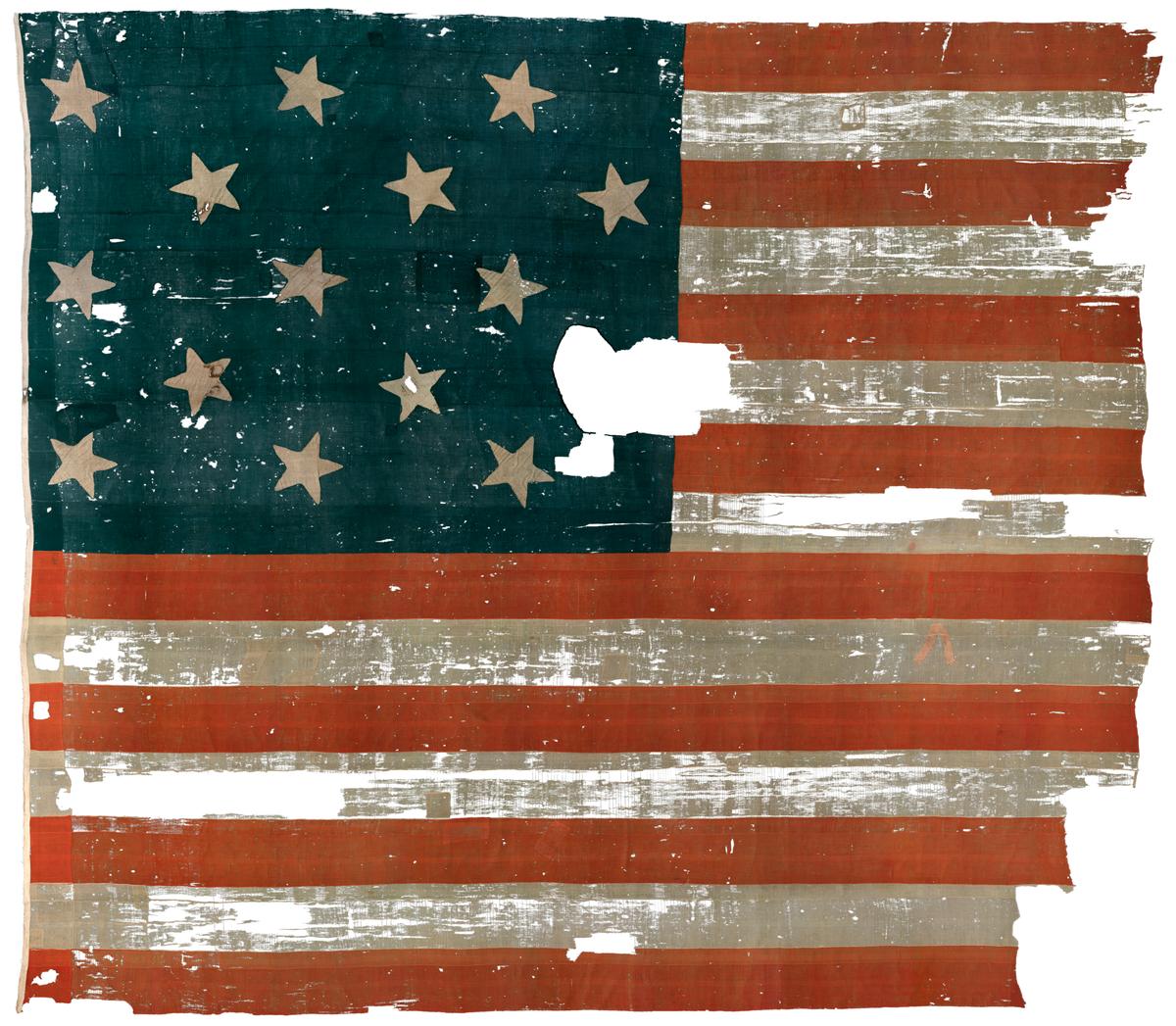
On the morning of Sept. 14, he expected to find a British flag flying over the Baltimore port where he would dock. Instead, he saw an American flag blowing in the wind. His country had survived another attack. As pride swelled in his chest, he was inspired to pen the poem we now call “The Star-Spangled Banner.”
Not the Song’s Original Name
One of the narrative aspects of “The Star-Spangled Banner” tells the story of Key witnessing the Battle of Baltimore. Lines like “And the rocket’s red glare, the bombs bursting in air/Gave proof through the night that our flag was still there” document the moment he realized the American flag was still waving on the morning after the fight.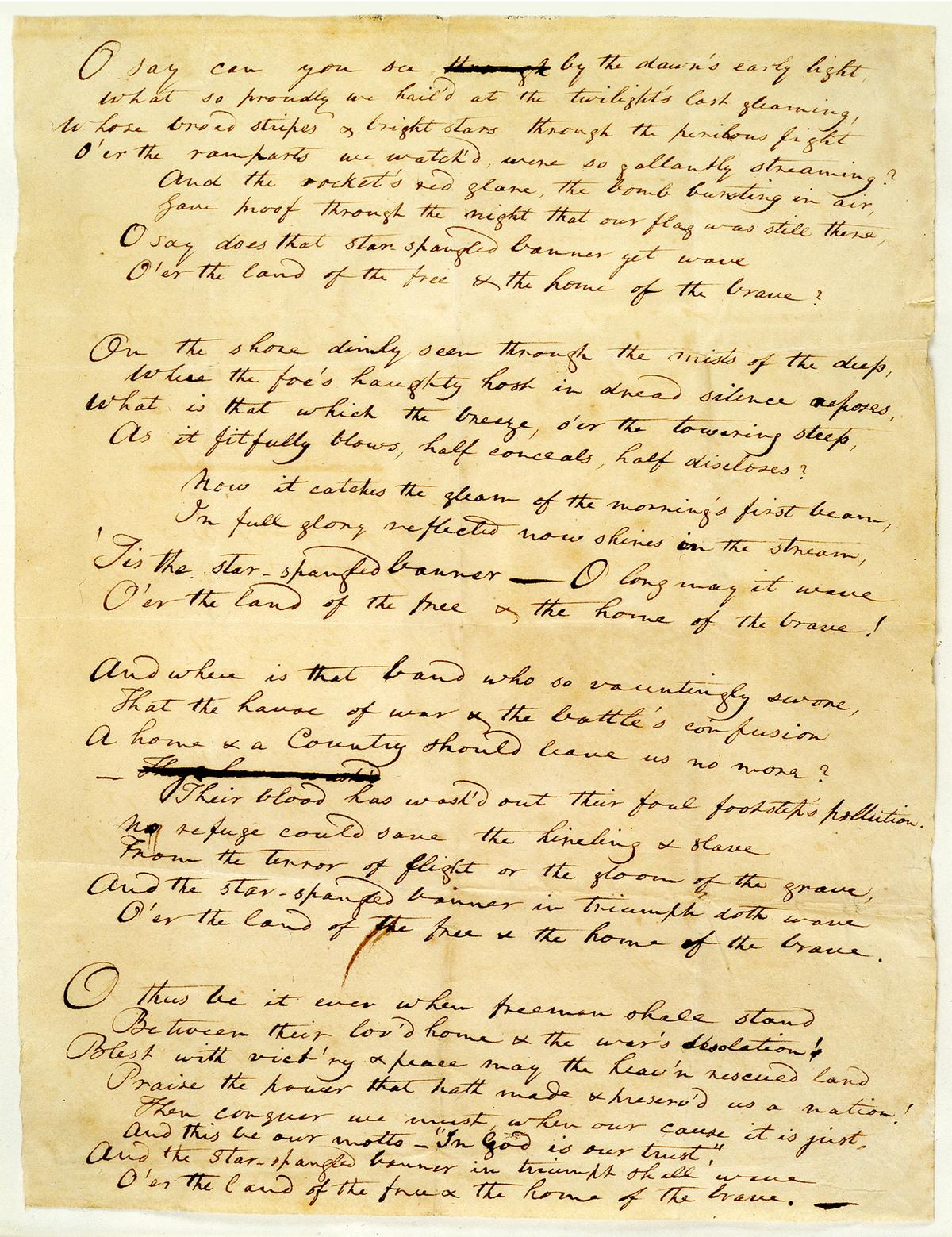
Melody From Another Song
During the 1800s, poems were commonly set to melody because they were far more structured than today’s poetry. When Key penned his historic poem, he had a melody in mind. “To Anacreon in Heaven” was a popular British song Americans were also familiar with. Anacreon was an ancient Greek poet, and the song is a call to him for artistic inspiration.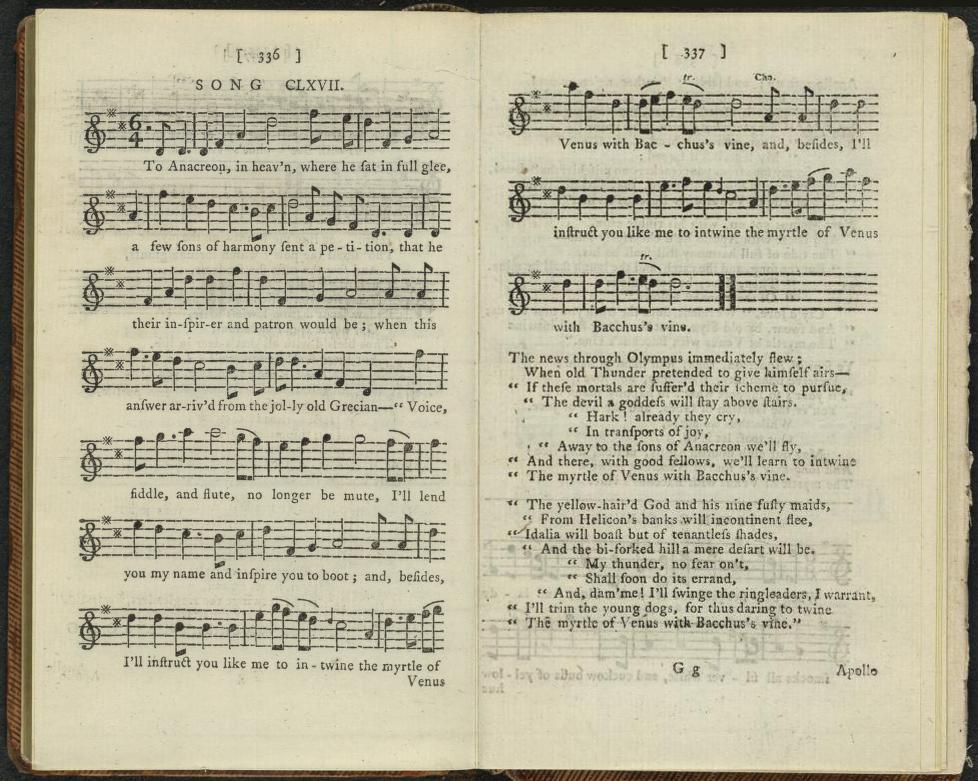
Its melody has been used in several different works, including the 1800 song “Adams and Liberty,” a political number for John Adams’s campaign (he lost his presidential bid to fellow Founding Father, Thomas Jefferson).
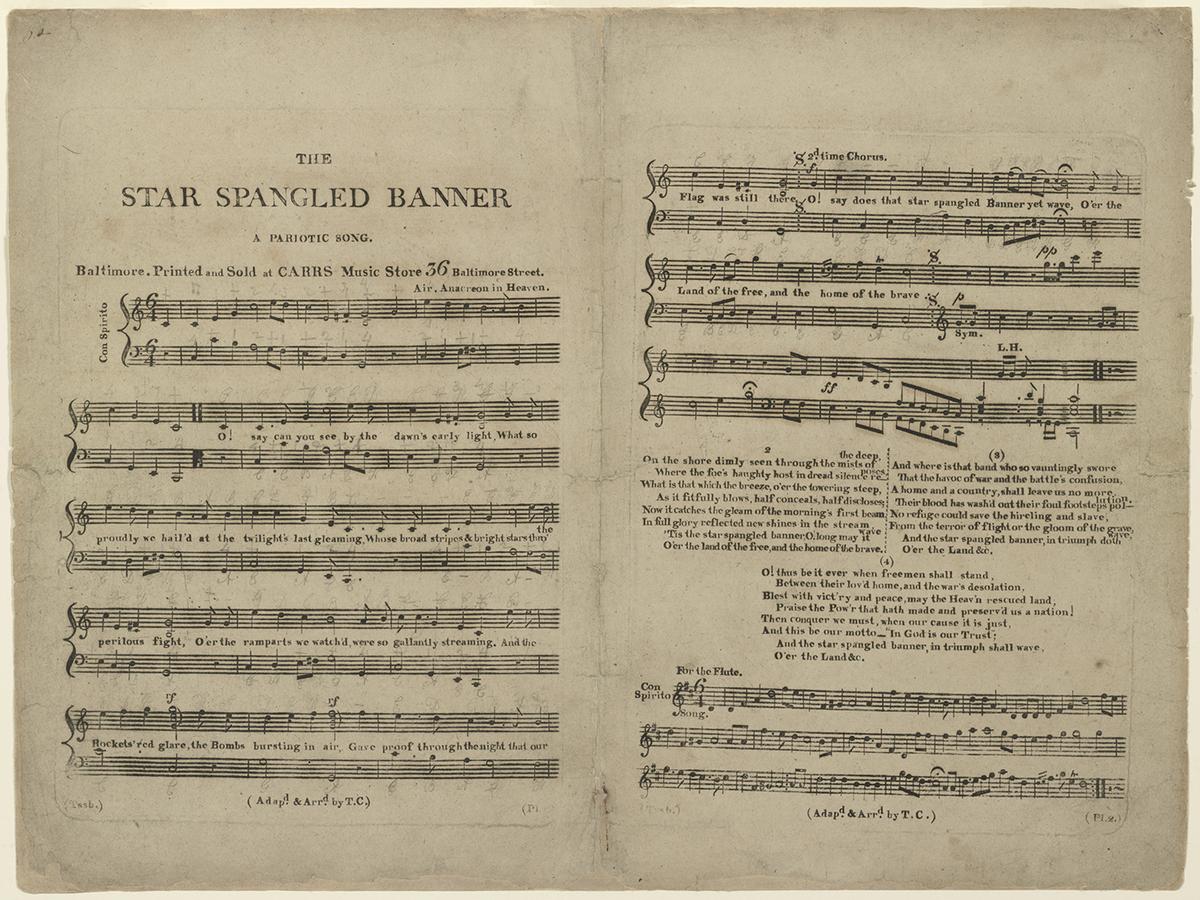
In some of its initial printings, instructions included with “The Star-Spangled Banner” lyrics tell readers to sing the words of the song to the melody of “To Anacreon in Heaven.”
A Century Passed Before Becoming America’s Official Anthem
America still had several different unofficial national anthems in the 1800s, including “Hail Columbia” and “Yankee Doodle.” Key’s composition wouldn’t officially become recognized as the United States’s national anthem until more than 100 years after it was written. In 1931, it was formally signed into law by President Herbert Hoover.Baseball Started the National Anthem Singing Tradition
“The Star-Spangled Banner” has long been a cultural staple at sporting events across America. PBS notes the first time attendees heard the patriotic anthem at a match was a baseball game in Brooklyn, New York, in 1862. The World Series, the annual championship for Major League Baseball, has also featured a performance of the song as far back as 1903.Remaining out of the Spotlight
Key is responsible for writing what many consider to be America’s most famous song. But he remained humble regarding the attention he received after the publishing of “The Star-Spangled Banner.” Because of this, historians have had to work through a good bit of confusion over two centuries when piecing together the song’s origin story. The website Chorus America notes that he shunned some of the spotlight because he wrote the song to honor military heroes, not himself.“Key seems to have felt that a patriotic lyric should not glorify its author, but rather the heroes whose actions inspired his pen. He put these values into practice, leaving his own name off of the original printing of his lyric, and distributing the first thousand copies among the soldiers who had defended Fort McHenry. Key’s song is first and foremost a celebration of their courage. Without a first-hand account of how his most famous words came to be, Key in effect left the task to others.”
Deeply inspired by American values, entrepreneur Ali Master once said regarding “The Star-Spangled Banner,” “Freedom and bravery—there’s a reason we sing of them in our national anthem. We are free because we are brave.”
To all who uphold American values, “The Star-Spangled Banner” continues to inspire today.